Badlands National Park lies in southwestern South Dakota, USA. It is famous for its unusual rock formations, deep ravines, sharp pinnacles and colorful layers of sedimentary rock. Mixed-grass prairies stretch between the rugged formations, providing habitat for bison and bighorn sheep.
The park covers approximately 987 km², or 98,700 hectares. It protects eroded rock formations and prairie ecosystems and is one of North America's most important paleontological areas.
How the landscape formed
Sedimentary layers accumulated over tens of millions of years in changing environments, from ancient seas and coastal areas to river plains. Water, wind, frost and temperature changes later eroded the relatively soft rock, creating ravines, narrow ridges, spires and isolated pinnacles. The exposed rocks record about 75 million years of geological history, and erosion continues today.
The name Badlands refers to rugged terrain that is difficult to cross and has little water. The Lakota name for the area is Mako Sica, also associated with the meaning “bad lands.”
Fossils and ancient animals
The park contains exceptionally rich fossil deposits, particularly from the Oligocene epoch, approximately 34–23 million years ago. Discoveries include ancient horses, rhinoceroses, camel relatives, oreodonts and predatory mammals. These fossils help scientists study mammalian evolution, past environments and climate change.
Fossils are protected resources. Visitors must not dig up, collect or damage them. Any discovery should be left in place and reported to park staff.
Prairies and wildlife
Mixed-grass prairie covers much of the park. American bison graze on the open plains, while bighorn sheep navigate steep rocky slopes. Prairie dogs live in busy colonies, and coyotes, deer, birds of prey and many smaller animals also inhabit the area. The endangered black-footed ferret is an important focus of conservation efforts because of its connection to prairie dog ecosystems.
Best places to explore
Badlands Loop Road passes through some of the park's most striking scenery and connects several viewpoints. Big Badlands Overlook offers a broad panorama, Panorama Point overlooks valleys and rock formations, and Yellow Mounds features distinctive yellow, ochre and reddish layers.
Door Trail and Window Trail are short routes leading to natural openings and viewpoints among the formations. The more challenging Notch Trail crosses uneven terrain and includes a steep ladder section. Check trail conditions before setting out.
History and culture
The region is closely connected to Indigenous peoples of the Great Plains, particularly the Lakota. Archaeological evidence indicates human presence in the area for thousands of years. The region became a national monument in 1939 and was designated a national park in 1978. The protected landscape also includes areas connected with the Pine Ridge Reservation and the history of the Oglala Lakota.
When to visit
Spring and early summer bring flowering plants and active wildlife. Summer can be very hot, with intense sunshine and sudden storms. Autumn often offers cooler conditions and striking light across the colored rock layers. Winter may bring snow, strong winds and freezing temperatures.
Check weather forecasts and trail conditions before hiking. Many routes have little shade, so carry enough water and protect yourself from the sun. Summer storms can bring dangerous winds and sudden flooding in ravines.
Getting there
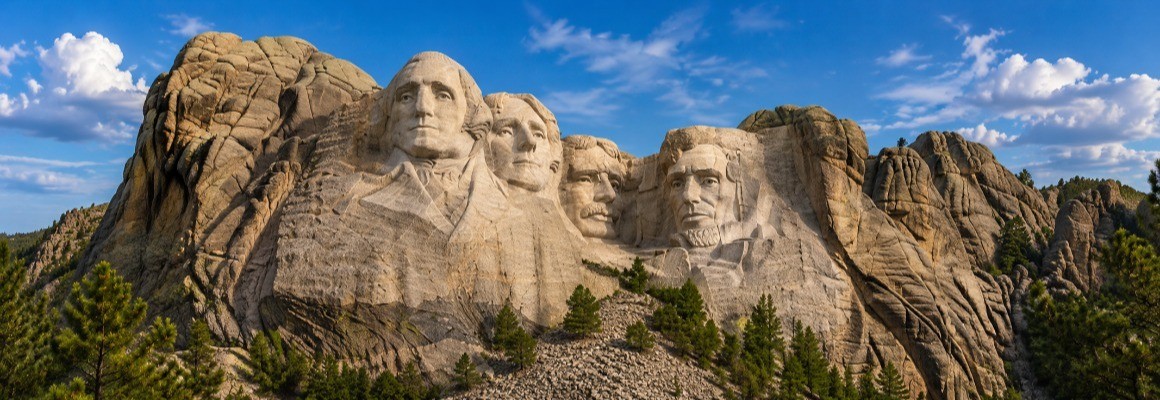
The park is about 120 km east of Rapid City. A car is the easiest way to explore the main viewpoints along Badlands Loop Road. The Ben Reifel Visitor Center in the northern part of the park provides information about trails, wildlife and fossil research. Many visitors combine the trip with the Black Hills and Mount Rushmore National Memorial.
Badlands National Park combines dramatic geology, ancient fossils and living prairie, offering a remarkable look at the natural and cultural heritage of the Great Plains.
Gallery