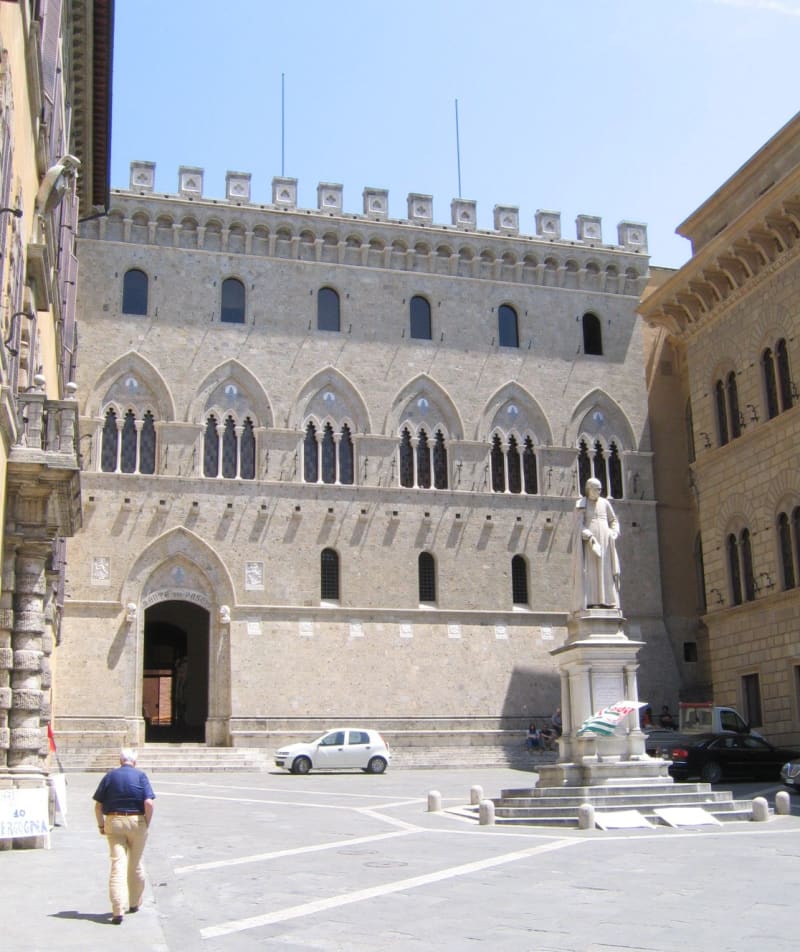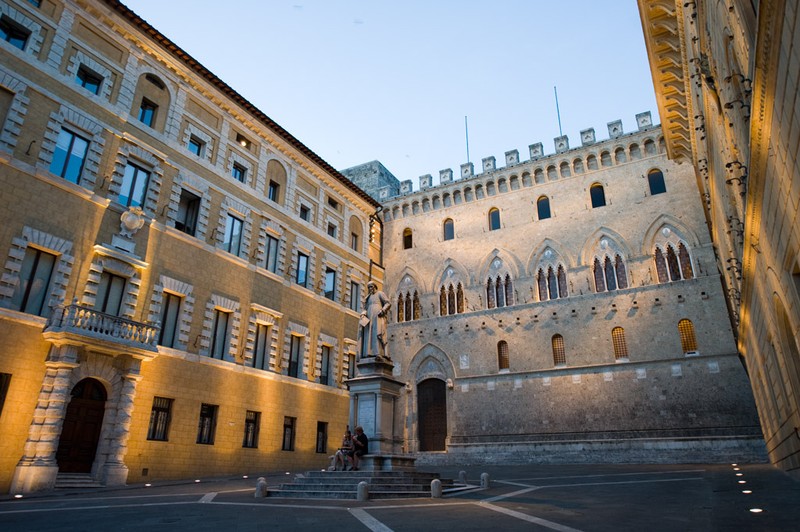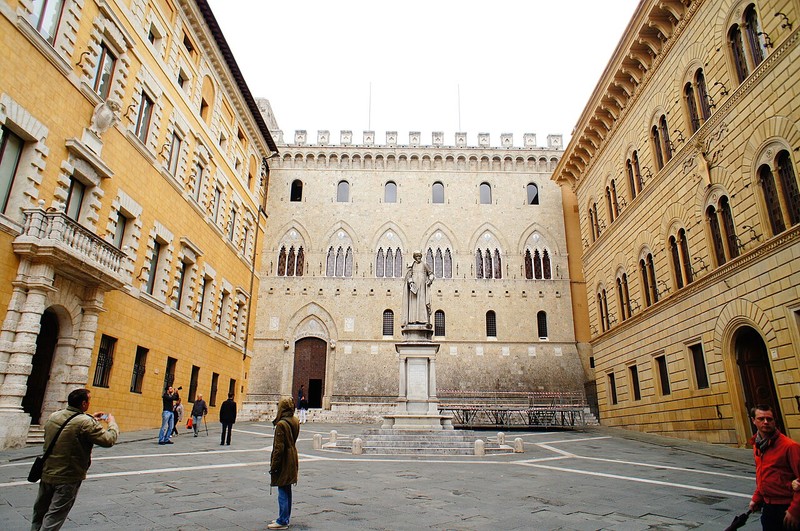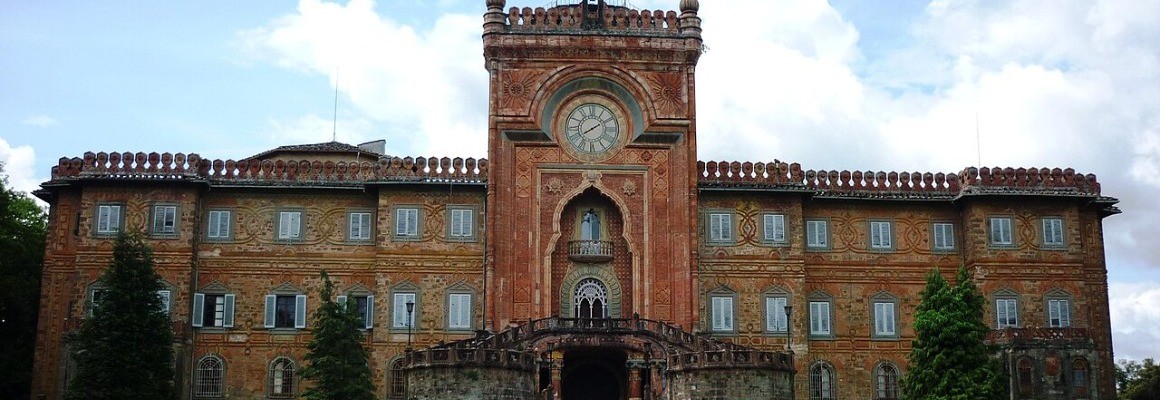

The Salimbeni Palace in Siena is built in the Gothic style, it can be seen on Salimbeni Square. Piazza and Palazzo Salimbeni date back to the fourteenth century, but their current appearance is associated with the restoration of the nineteenth century. The Neo-Gothic or Gothic Revival style now houses one of Italy's main banks, as well as a rich art collection.
Description of the attraction
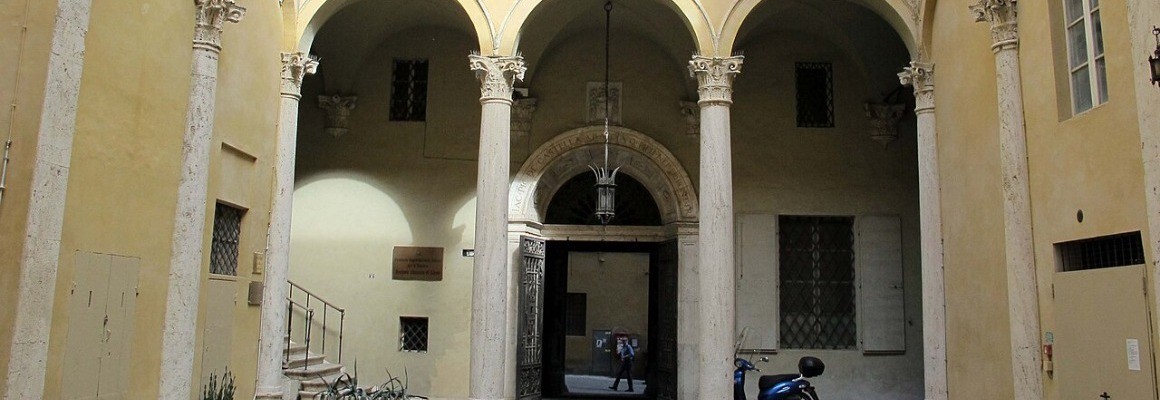
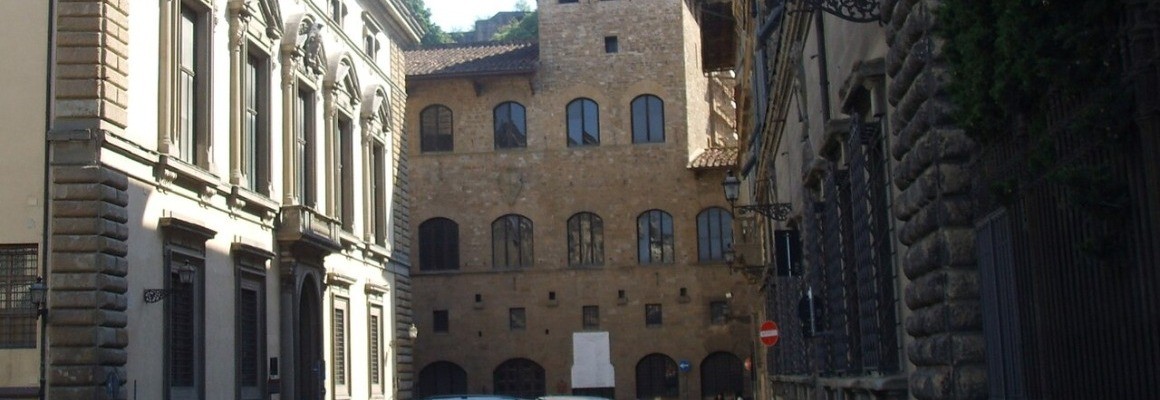
Piazza Salimbeni is a rectangular square formed by three buildings, in the center of which is a statue of Archdeacon Sallustio Bandini. However, the Salimbeni Palace, the central building, is the dominant square.
The building on the right is Palazzo Spannocci, begun in the Renaissance style by Florentine architect Giuliano da Maiano in 1470, but not completed until the facade was built in 1880 by Giuseppe Partini. On the left is Palazzo Cantucci, built in 1548 by Bartolomeo Neroni.
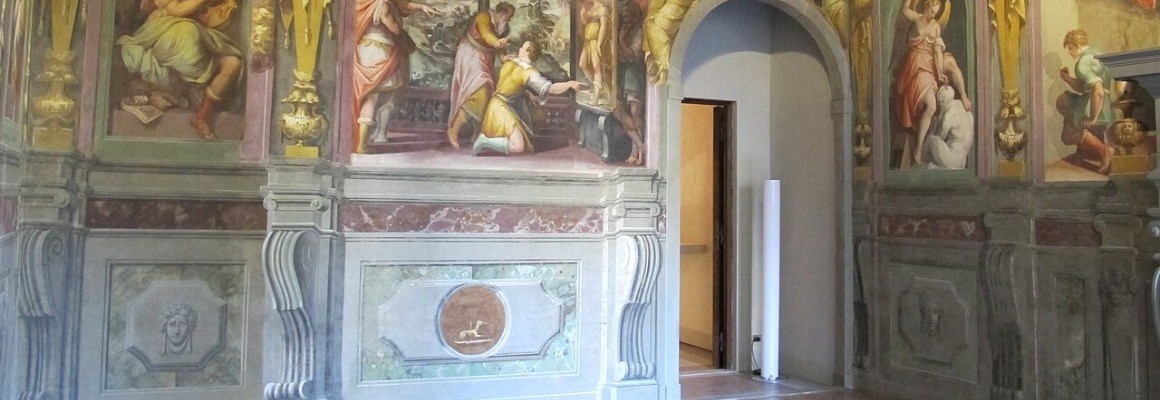
Antioch and Stratonicus, May
Partini was the mastermind behind the renovation of the entire square in the 19th century and advocated a return to medieval and Renaissance forms in Italy after unification. At that time, the square did not exist in the form in which it exists today, the Salimbeni Palace consisted only of a fortress and gardens.
Partini was commissioned to create a new Renaissance square, and he demolished the gardens of Palazzo Spannocchi to create the current layout. He also transformed and modernized the old fortress, which was the headquarters of Monte dei Paschi di Siena, one of Italy's main banks. With origins dating back to the fifteenth century, it still remains an important Sienese institution. It is also considered one of the oldest banks in the world.
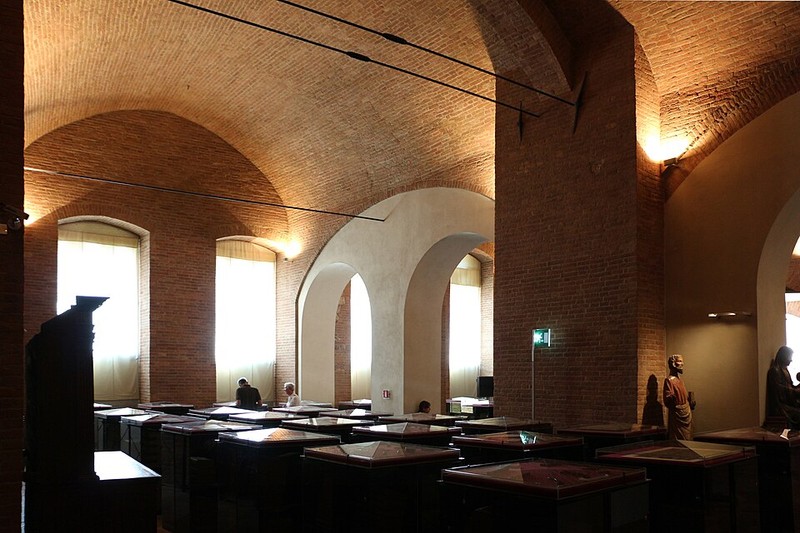
The Salimbeni Palace also houses the Monte dei Paschi collection, which collected artifacts from all over the world and brought them to Siena. A significant expansion of the collection began in the 1980s, and the space was specially allocated and designed for the museum inside the headquarters. The collection of the Salimbeni Palace includes works by Pietro Lorenzetti, Sassetta, Jacopo della Quercia, Domenico Beccafumi, Riccio, Rutilio Manetti and Alessandro Franchi, as well as the "Fresco of the Madonna della Misericordia" by Benvenuto di Giovanni and the "Fresco della Vergine" by Bernardino Fungai and statues of St. Bernardino, Caterina Siena, Antonio and Maria Maddalena.
The Salimbeni Palace is one of the grandest and most impressive places in the city of Siena. It preserves history, traditions and harmoniously fits into the modern urban look.
Gallery