



Ha Long Bay - A Maze of Thousands of Islands
When I first saw photographs of Ha Long Bay, I thought they looked like scenes from a fantasy film. Hundreds and thousands of limestone islands rise straight from the water, forming a remarkable natural maze. Yet this is a real place in northeastern Vietnam, where the sea, cliffs and mist create a distinctive atmosphere.

Cliffs Millions of Years in the Making
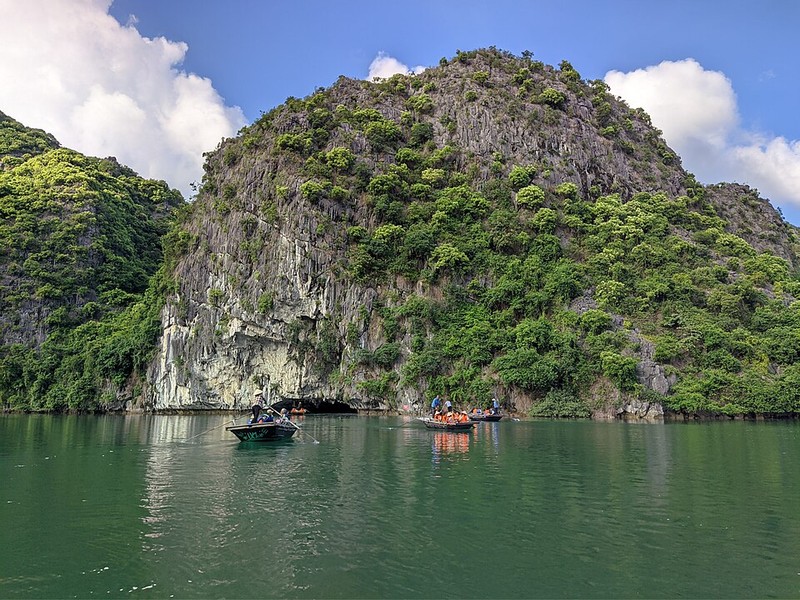
Ha Long Bay is known for its tall karst islands, steep slopes and tropical vegetation. Their unusual shapes developed through long periods of erosion caused by water, wind and other natural forces. Small beaches, caves and quiet lagoons lie between the cliffs, and many can be reached by boat or kayak.
The bay's name is commonly translated as “where the dragon descends into the sea.” According to local legend, a dragon helped protect the land by creating stone barriers against invaders. Today, the island silhouettes seem to give this old story a dramatic setting.

A Journey Between the Islands
One of the best ways to explore the bay is on a cruise aboard a traditional-style boat or a tourist vessel. Routes wind between limestone formations, past fishing communities and into sheltered coves. Depending on the itinerary, visitors may explore caves, swim in permitted areas or use a kayak to navigate narrow passages.
Early morning is particularly atmospheric, when light mist sometimes settles around the island peaks. The landscape feels quiet and mysterious, while the water reflects the soft colours of the sky.
When to Visit
Plan around the rainy season, possible fog and changing weather in the Gulf of Tonkin. Visibility can be limited during cooler months, while summer may bring heavy rain and storms. Check the forecast and sailing conditions before booking a cruise.
Ha Long Bay is a UNESCO World Heritage Site. It is worth visiting not only for its scenery, but also for the experience of travelling among immense limestone formations shaped by nature over thousands of years.






Comments