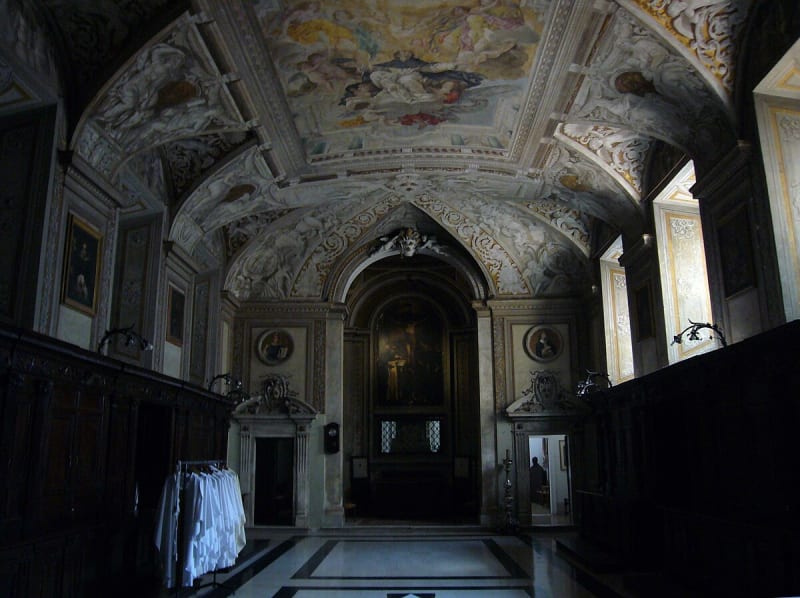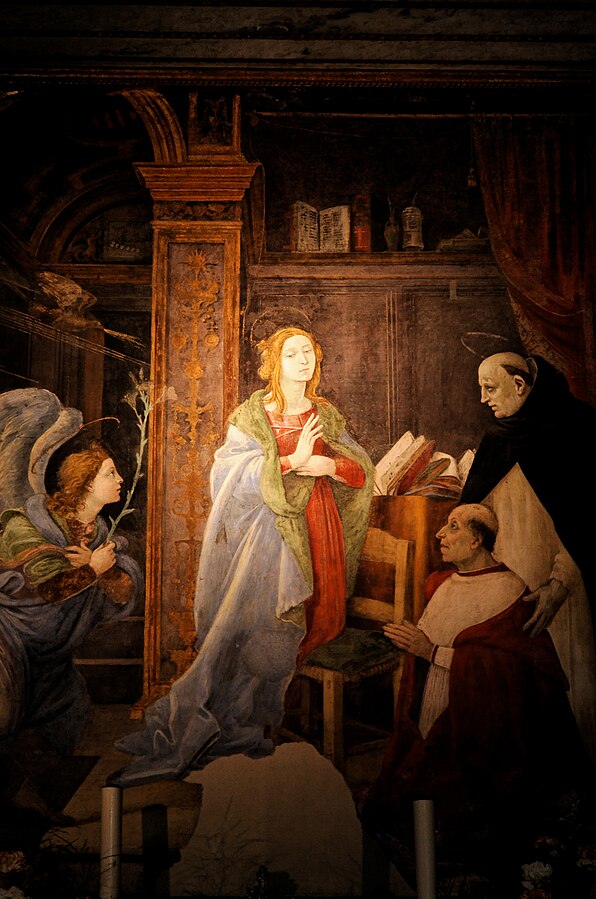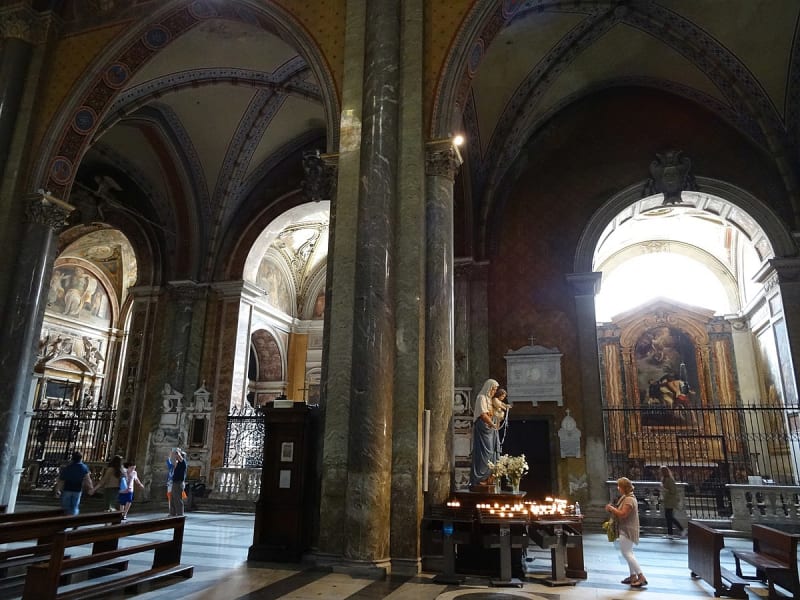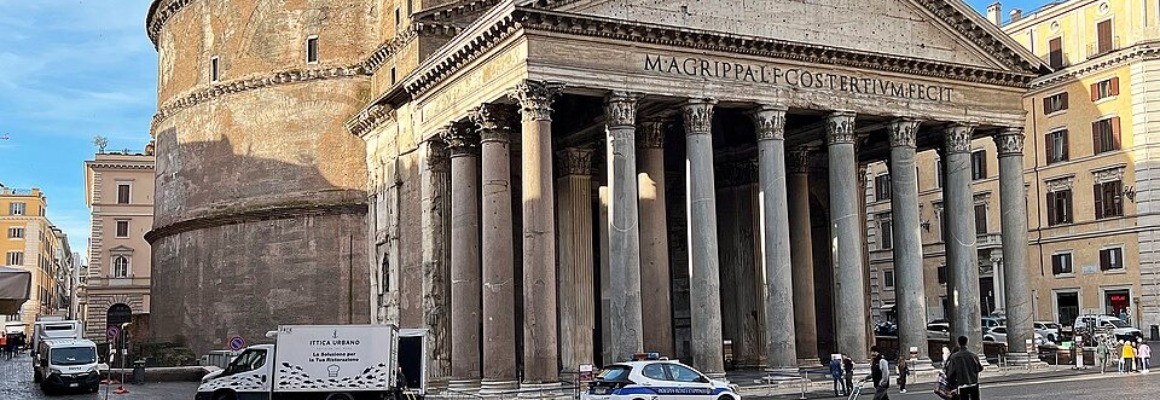

The Basilica of Santa Maria Sopra Minerva is located on Piazza della Minerva in Rome, near the Pantheon. This church is the only surviving Gothic church in the Italian capital. As in many other relatively obscure churches in Rome, it is unexpectedly possible to encounter an outstanding work of art.
History
Once upon a time, there was an ancient Roman pagan sanctuary of the goddess of wisdom, Minerva. In the 8th century, monks who were forced to leave Constantinople because of the persecution of iconoclasts built their church here. In the middle of the 13th century, the church passed to the Benedictine monks. In the 13th-14th centuries, Florentine builders commissioned them to build a new church modeled after one of the local basilicas. Later, the church was partially reconstructed several times.
Papal conclaves were held in this basilica in 1431 and 1447. During the period of the domination of the Inquisition, the church and its surroundings were at the forefront of the struggle against "heretics." In particular, it was in the Basilica of Santa Maria Sopra Minerva that the notorious Count Cagliostro renounced his delusions. And in 1633, in a nearby monastery, Galileo Galilei was forced to abandon truly scientific views.
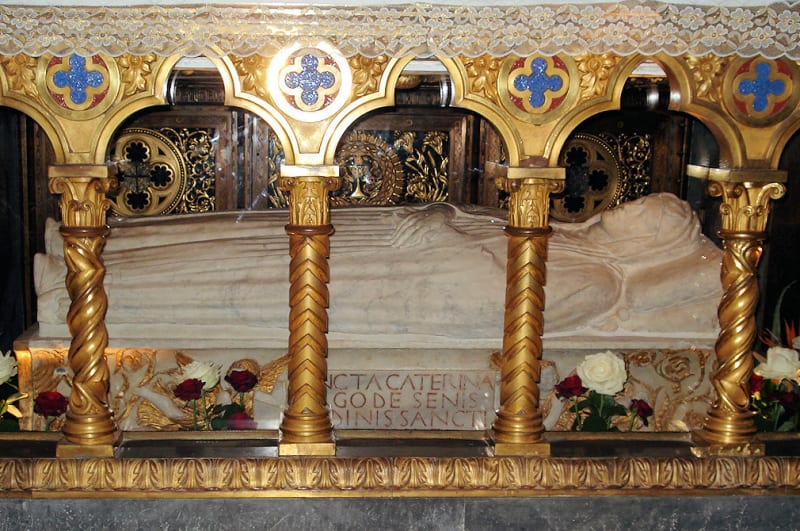
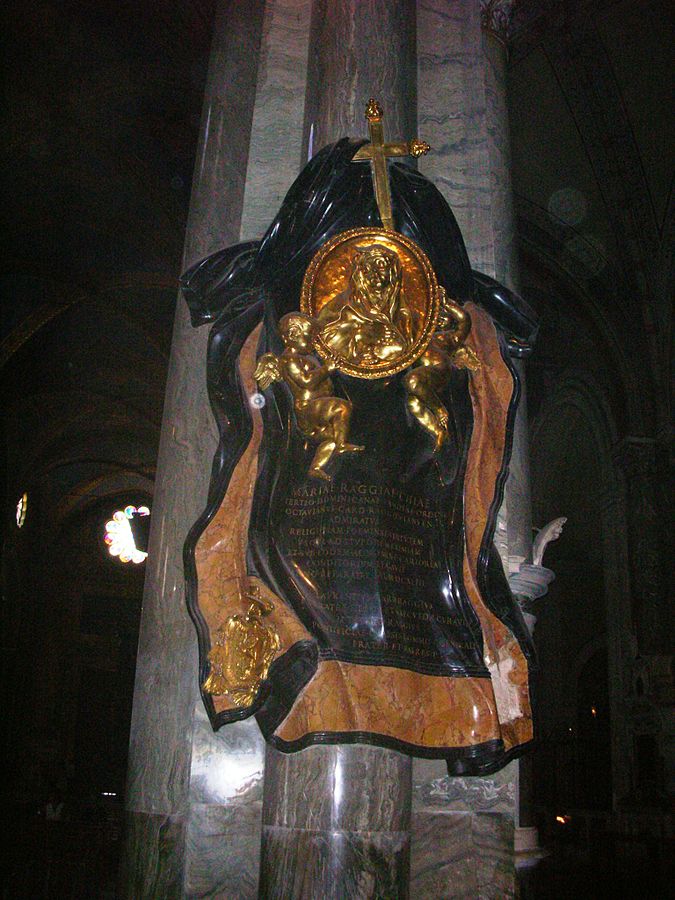
Prominent religious figures, including Italy's patron saint Catherine of Siena, as well as a number of popes, were buried in the Dominican church.
Modernity
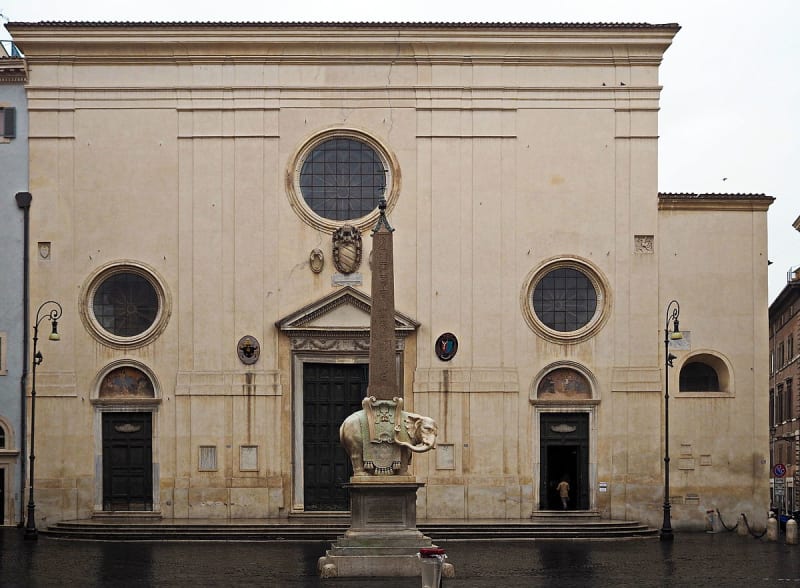
The facade of the Basilica of Santa Maria Sopra Minerva does not make much impression. In front of the entrance, the only thing that attracts attention is an Egyptian obelisk on the back of an elephant, sculpted according to a sketch by Giovanni Bernini (architect of the Vatican's St. Peter's Square). Peter) was his disciple.
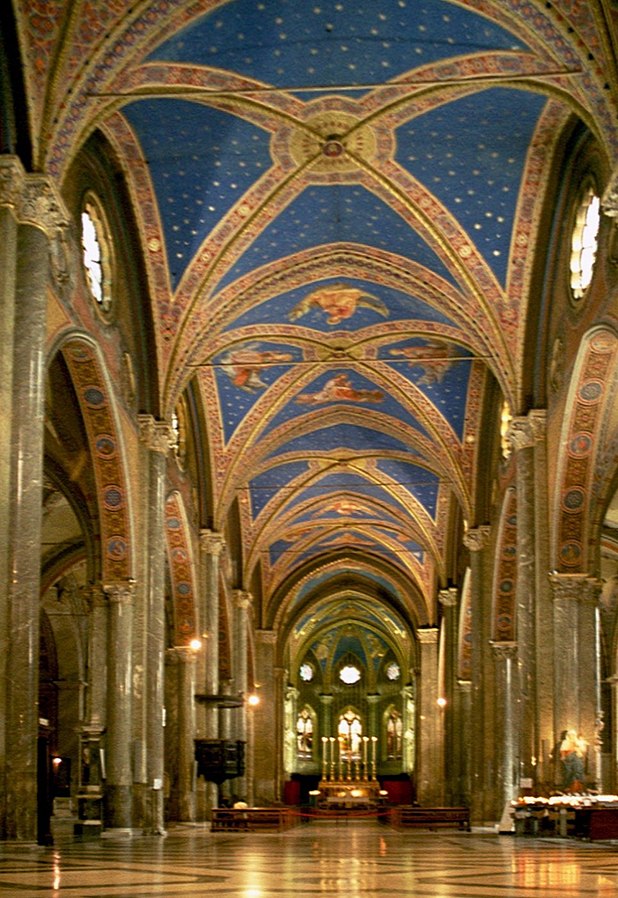
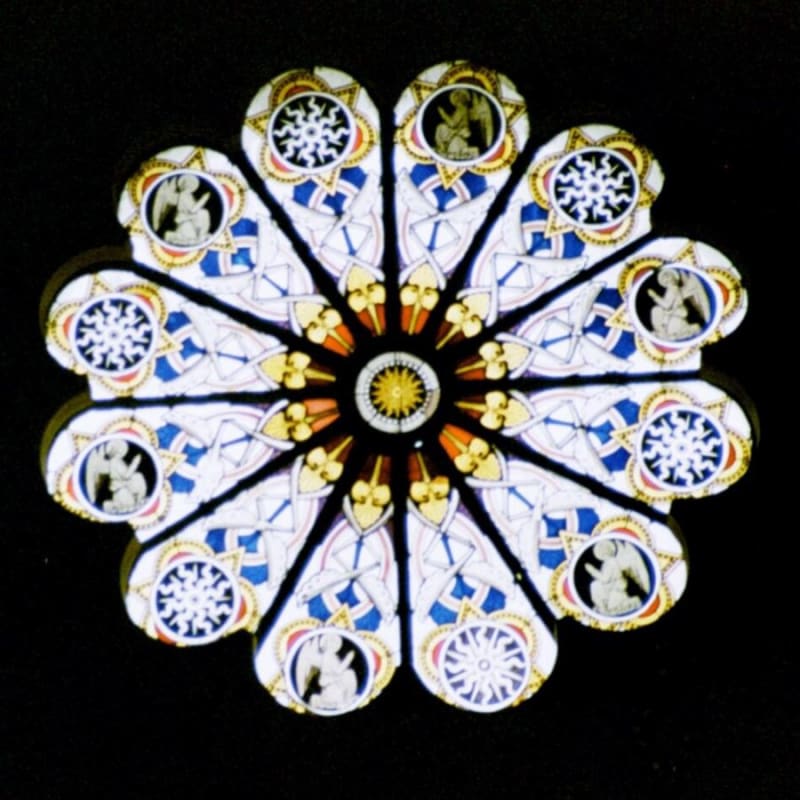
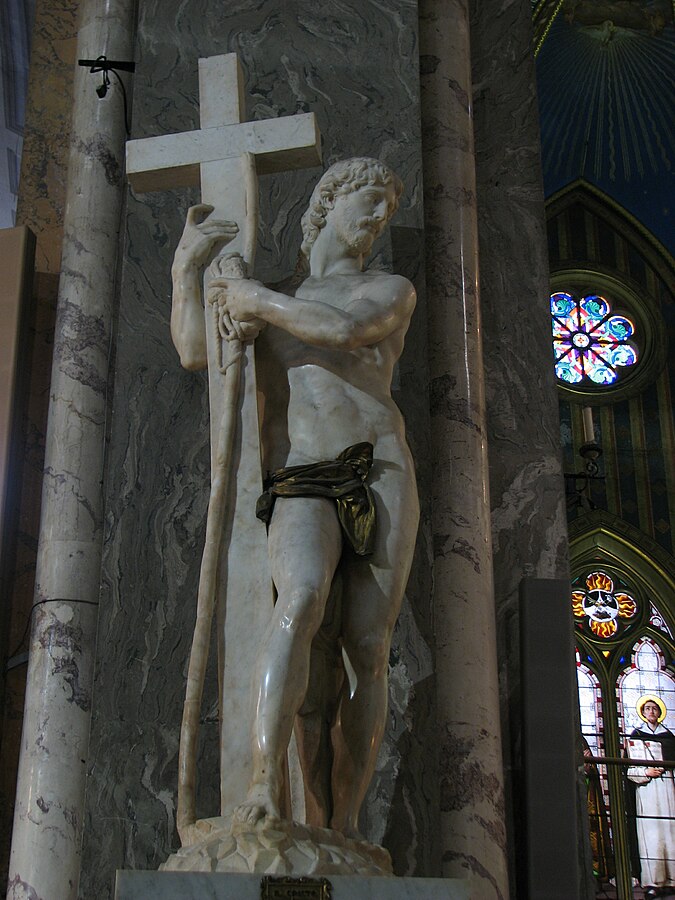
But the magnificent interior in the Gothic style pleases the eye: rib vaults stylized as a starry blue sky, openwork arches, stained glass windows. St. Catherine of Siena, the first woman to be awarded the title of "Teacher of the Church," rests in a beautiful ark under the main altar of the Basilica of Santa Maria Sopra Minerva. To the left of the altar, next to the pylon, is Michelangelo's sculptural masterpiece, the marble statue of the Risen Christ.
The master created an almost finished sculpture in Florence. In Rome, one of his students was supposed to complete it, but he did it unsuccessfully. The sculpture had to be completed by a more capable student, Federico Frizzi. In the 17th century, at the insistence of the church, the genitals of Christ were hidden by a bronze loincloth, which looked like a foreign element.
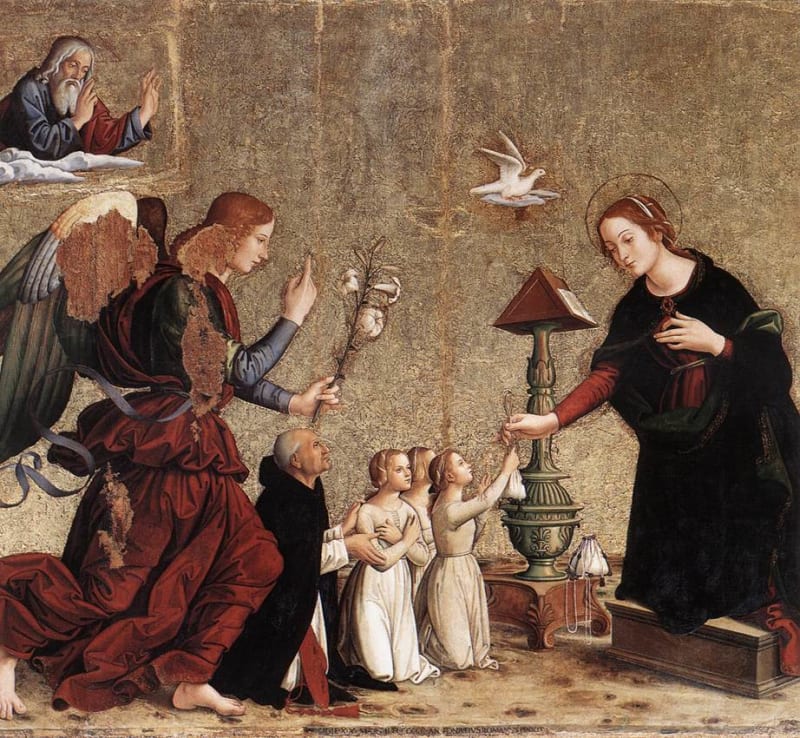
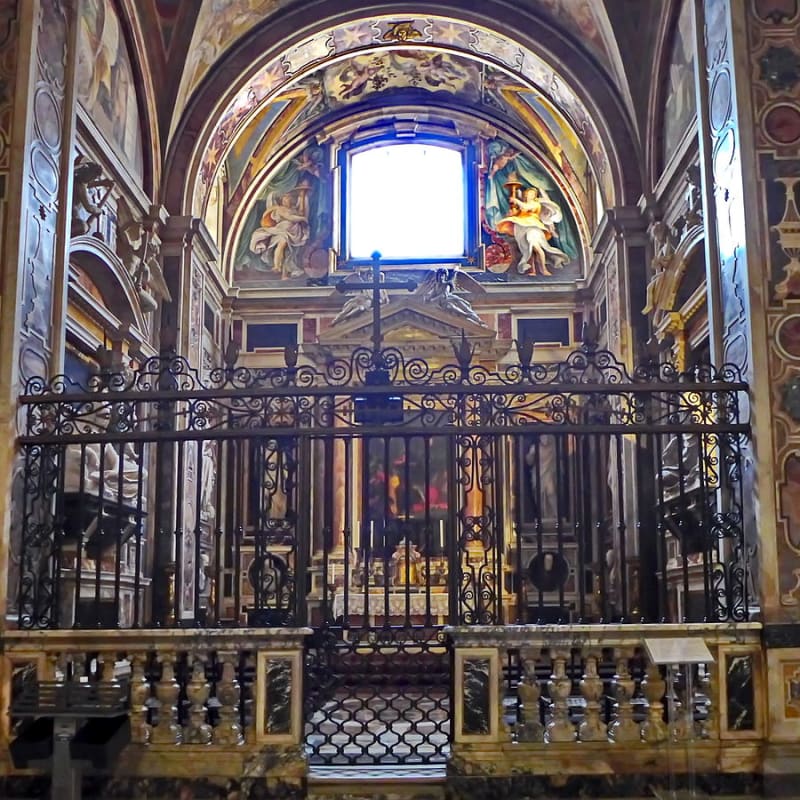
Private chapels are located along the perimeter of the side walls of the Basilica of Santa Maria Sopra Minerva. Among them, the Aldobrandini Chapels (arch. Giacomo del Porta) and the Annunciation (architect Carlo Moderno). You can get a better look at paintings and sculptures by dropping 50 cents into the machine to turn on the backlight.
Information for tourists
Address of the Basilica of Santa Maria Sopra Minerva: Piazza della Minerva, 42. Opening hours: from 7 to 10. On Saturday and Sunday, the church opens an hour later, and closes in the afternoon from 12:30 to 15:30. Admission is free. Directions: take the metro red line to Barberini station, or buses 62, 63, 83, 85 and 160 to the Corso/Minghetti stop.
Gallery