


Abu Simbel: The Temples That Were Moved Whole
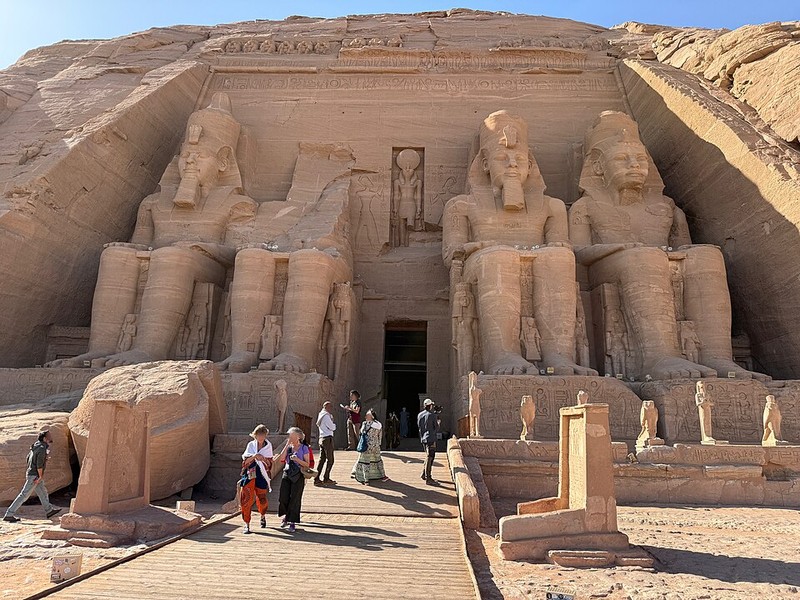
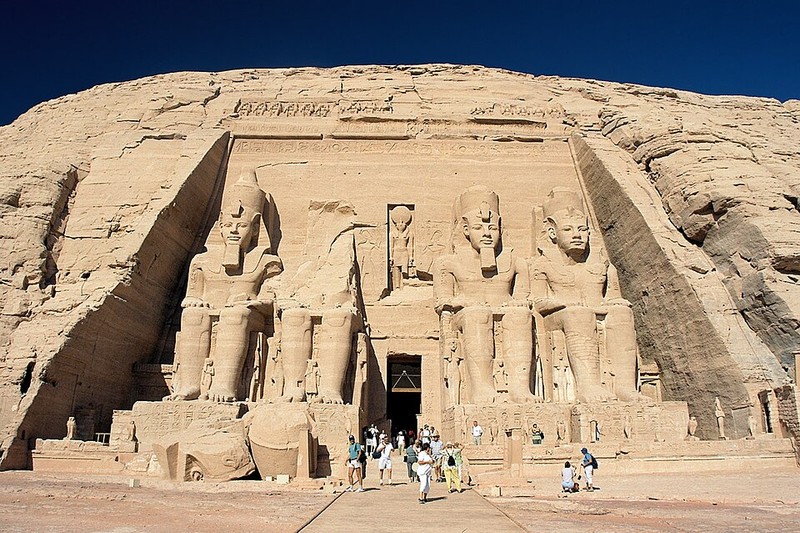
Looking at the enormous statues at the entrance to Abu Simbel, it is hard to believe that this ancient temple was once cut into thousands of pieces and rebuilt somewhere else. It is one of Egypt's most remarkable stories of cultural heritage preservation.
Temples Carved into the Rock
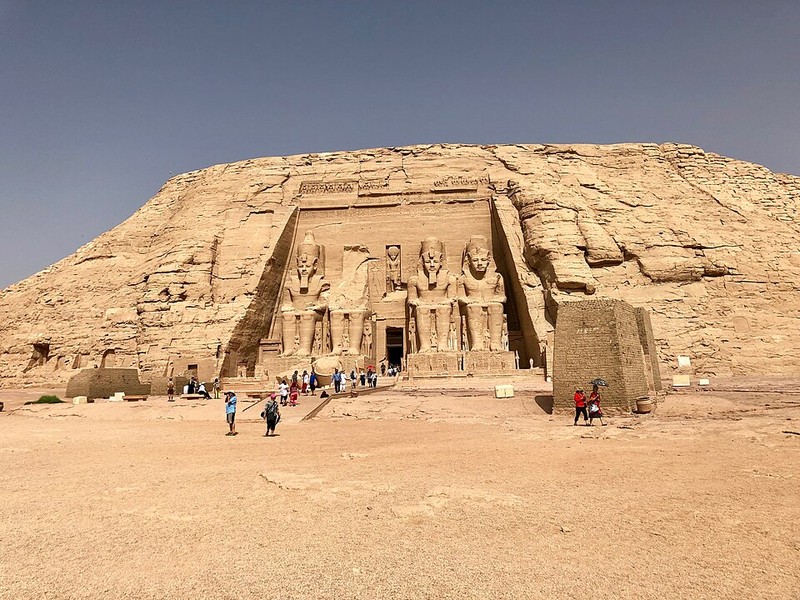
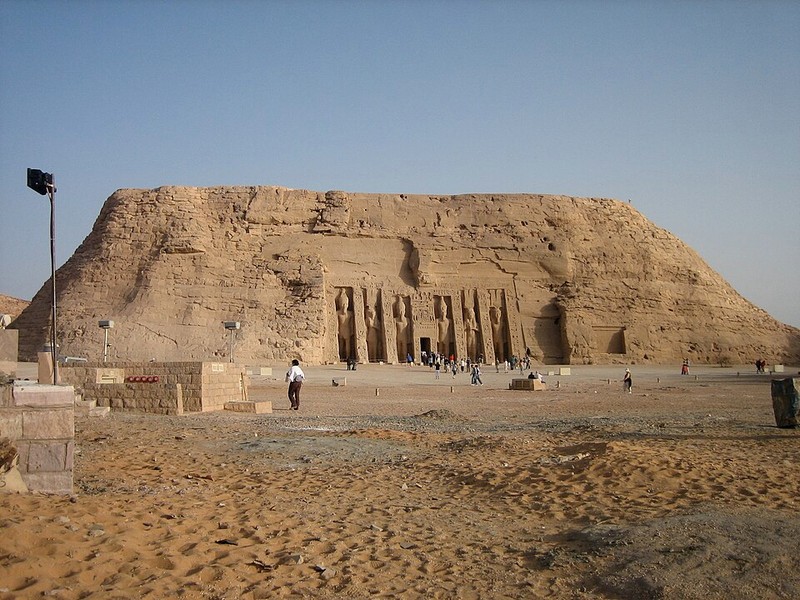
Abu Simbel lies in southern Egypt, near the Sudanese border, on the shore of Lake Nasser. The site contains two temples built during the reign of Pharaoh Ramesses II in the 13th century BCE. The Great Temple is dedicated to Ramesses II and associated deities, while the Small Temple is dedicated to the goddess Hathor and Queen Nefertari.
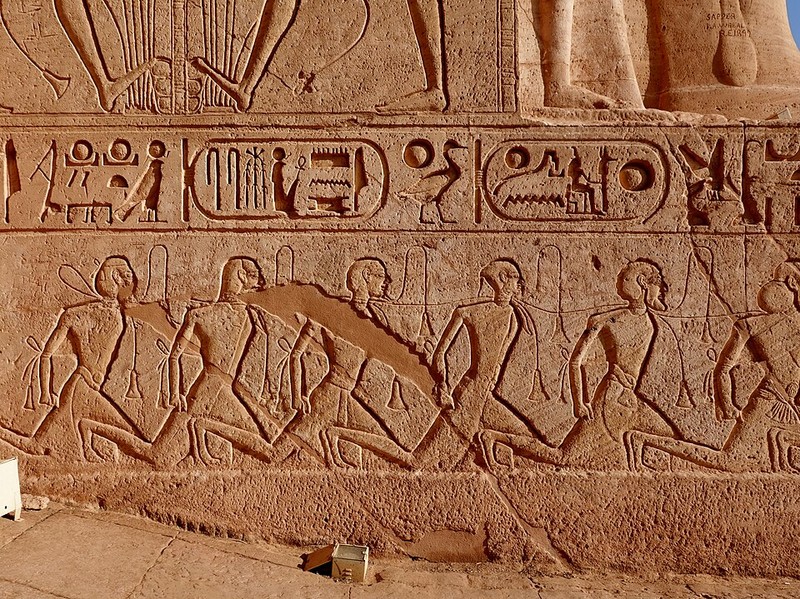
The first thing that catches the eye is the row of four colossal statues of Ramesses II on the Great Temple's facade. Each stands about 21 metres tall. Inside are halls with massive pillars, reliefs and scenes depicting the pharaoh's life and achievements. The complex was carved directly into the rock, making its scale even more impressive.
Why the Temples Had to Be Moved
In the 20th century, Egypt began building the Aswan High Dam to regulate the Nile and generate electricity. The reservoir created by the dam threatened to flood many ancient Nubian monuments, including Abu Simbel.
In 1960, UNESCO launched an international campaign to save Nubia's monuments. Engineers proposed an extraordinary solution: carefully cut the temples into large blocks, move them to higher ground and reconstruct them. The operation required the combined expertise of archaeologists, engineers and specialists from several countries.
The work began in 1964. The temples were divided into more than a thousand large blocks, some weighing dozens of tonnes. They were moved about 64 metres above their original position and 180 metres farther inland, then reassembled within a specially constructed artificial cliff. The operation was completed in 1968.
Ancient Heritage Saved for the Future
Today, Abu Simbel looks as though it has always stood in its present location. Yet behind the familiar facade lies an extraordinary engineering achievement of the 20th century. The relocation preserved not only the temples' architecture but also their reliefs and ancient imagery.
In 1979, the Nubian monuments, including Abu Simbel, were inscribed on the UNESCO World Heritage List. Their story shows that protecting the past sometimes requires bold modern solutions. Standing before the colossal statues, it is easy to appreciate how far people can go to preserve the legacy of an ancient civilization.




Comments