


Skeleton Coast: Why Is This Namibian Shore So Ominous?
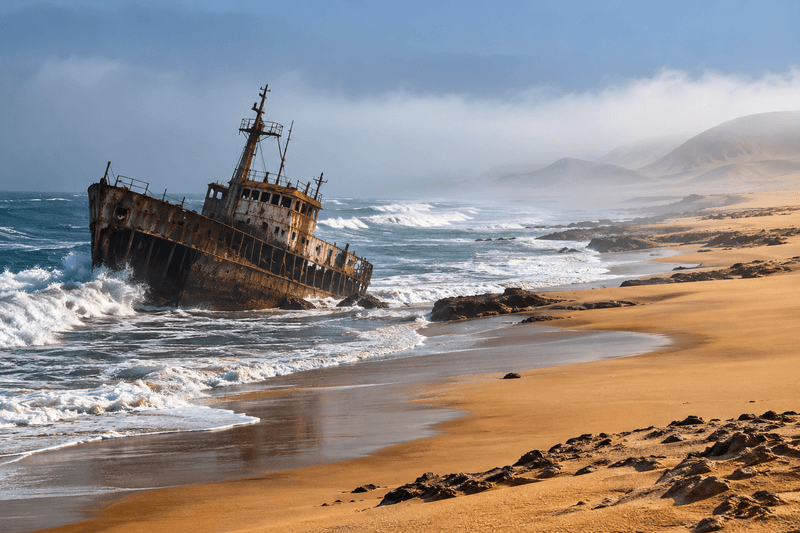
Imagine a place where an endless desert meets the cold Atlantic Ocean. Thick fog hangs above the water, waves crash against the shore, and rusting shipwrecks lie scattered across the sand. This is Namibia's Skeleton Coast, one of Africa's harshest and most unusual coastlines.
The coast where ships disappeared
The name sounds like a warning, and there are real reasons behind it. For centuries, ships faced dangerous conditions here. Dense fog concealed the shoreline, cold currents and heavy surf made navigation difficult, and safe natural harbors were scarce along many stretches of coast.
A ship stranded on a sandbank could become a trap. Even if sailors managed to reach land, another danger awaited them: the arid Namib Desert. Finding water and reaching a settlement was far from easy. The coast gradually gained a reputation as a place where a shipwreck could mark the beginning of an even greater struggle for survival.
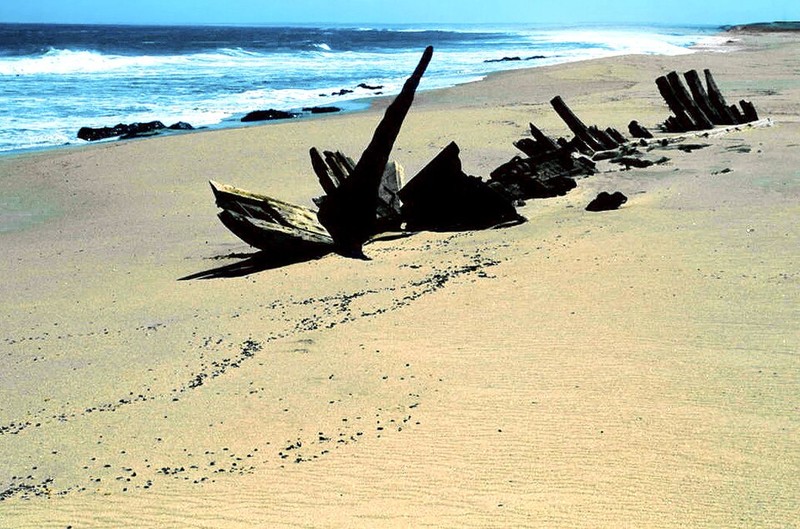
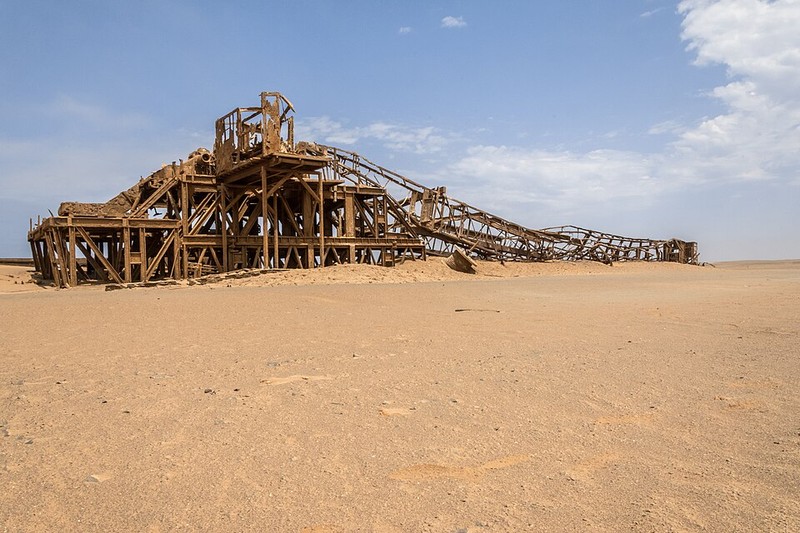
Over time, stories of lost vessels accumulated. Some wrecks can still be seen along the shore. Their metal hulls rust in the wind while the sand slowly swallows what remains. The contrast between ocean and desert gives the landscape its unsettling character.
Where the fog and gloomy atmosphere come from
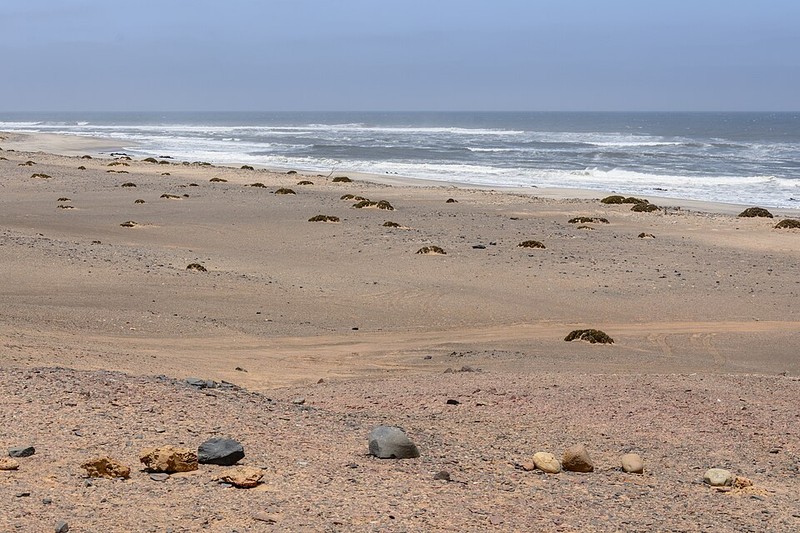
The main reason for the unusual weather is the cold Benguela Current, which flows along the southwestern coast of Africa. It cools the air above the ocean and helps create dense coastal fog. At times, the shoreline seems to disappear behind a gray curtain, leaving only nearby waves, dark rocks and silhouettes on the sand visible.
Yet just a few kilometers inland, the dry desert begins. Familiar coastal greenery is scarce, and pale sand gives way to rocky plains and dunes. The cold, damp air above the water and the dry expanses of the Namib create a striking contrast.
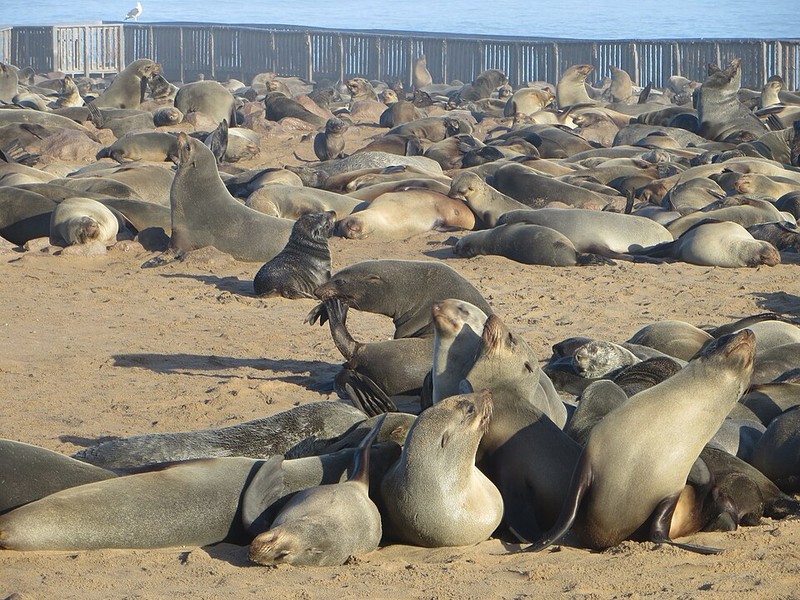
But the Skeleton Coast is more than a desert graveyard for ships. Despite the harsh climate, wildlife has adapted to these conditions. Large colonies of Cape fur seals gather along certain stretches of shore, while antelope and other desert animals inhabit inland areas. Fog brings moisture that plays an important role in the local ecosystem.
All of this makes the landscape both gloomy and surprisingly alive. There are no bright resort beaches or familiar crowds of holidaymakers. There is wind, ocean, fog and nature following its own rules.
Why this place attracts travelers
People do not come to the Skeleton Coast for swimming or lounging beside the water. They come for the feeling of remoteness, unusual landscapes and the stories the ocean seems to have left behind.
The wrecks are especially striking against the empty shoreline. A rusted hull half-buried in sand looks like a fragment of a long-forgotten expedition. In the fog, these places can seem almost unreal, even though every wreck may have a genuine story of human struggle against the sea.
Access varies across the coastline. The southern part of the national park can be visited along permitted routes, subject to entry rules, while reaching remote northern areas often requires special arrangements. Before traveling, check current access conditions and prepare your vehicle, water supplies and navigation.
The Skeleton Coast did not acquire its ominous name by accident. Shipwrecks, marine animal bones, dense fog and the harsh desert shaped its reputation over many years. Yet behind the eerie image lies a remarkable natural world where ocean and desert exist side by side. That contrast is what makes the place unforgettable.



Comments