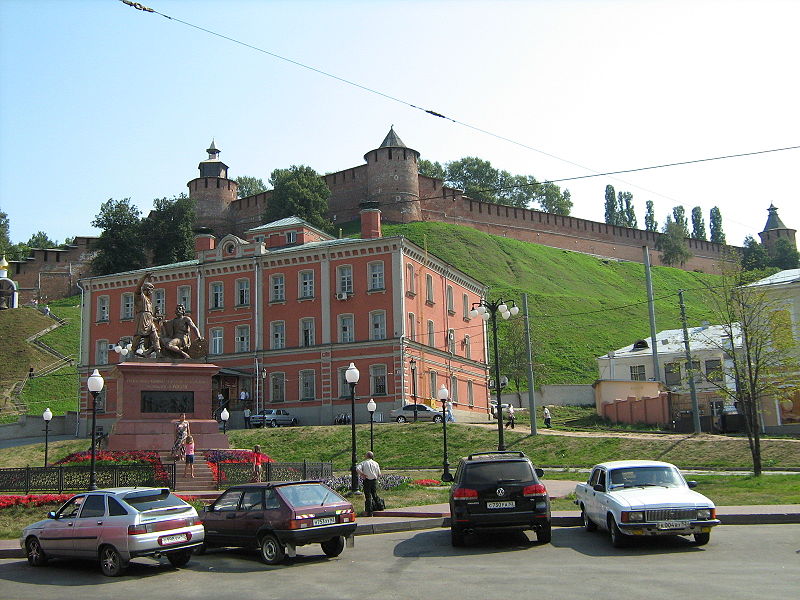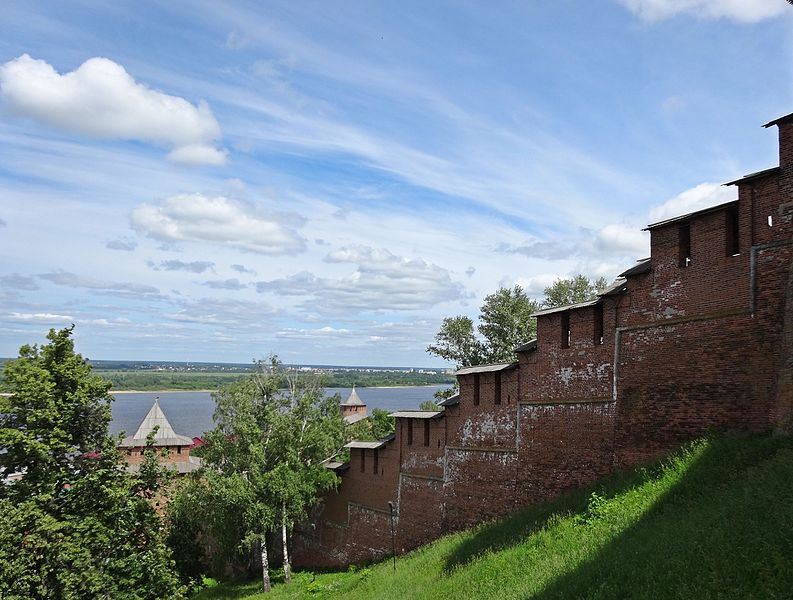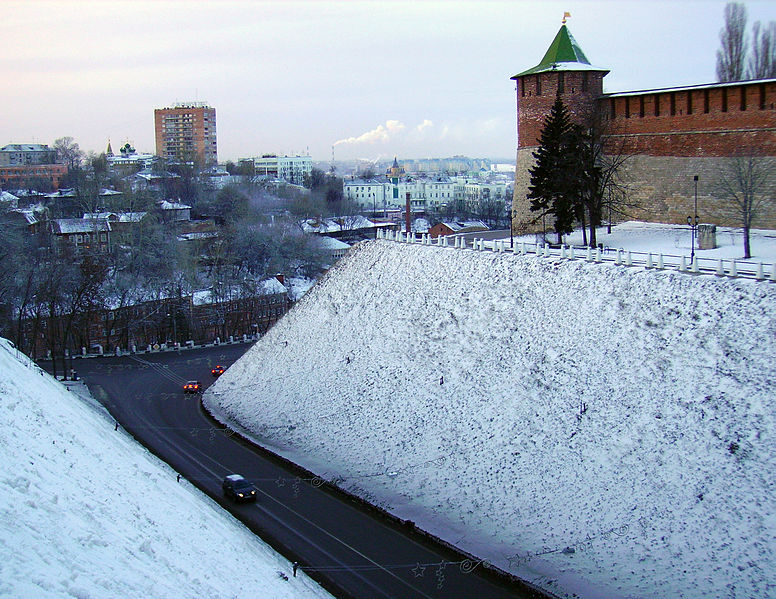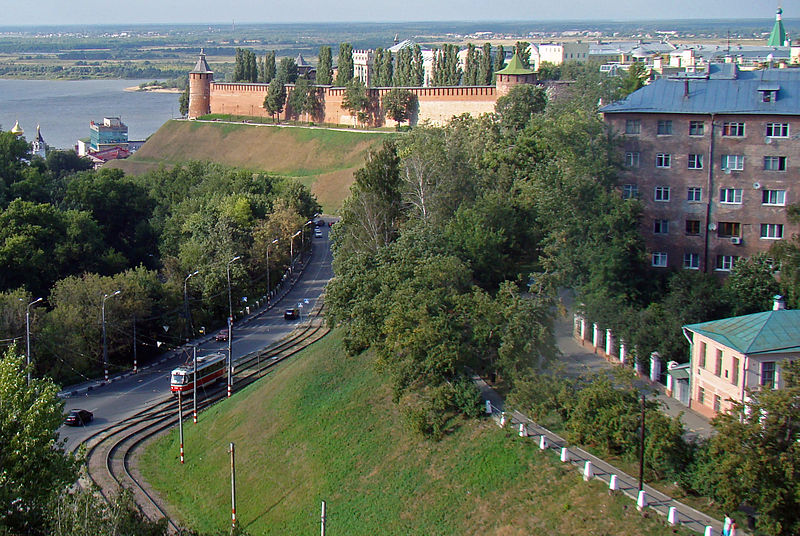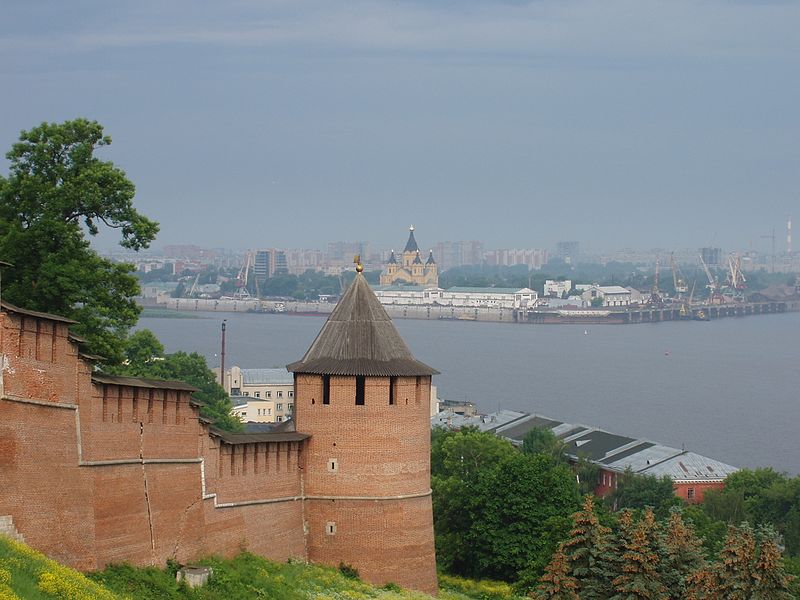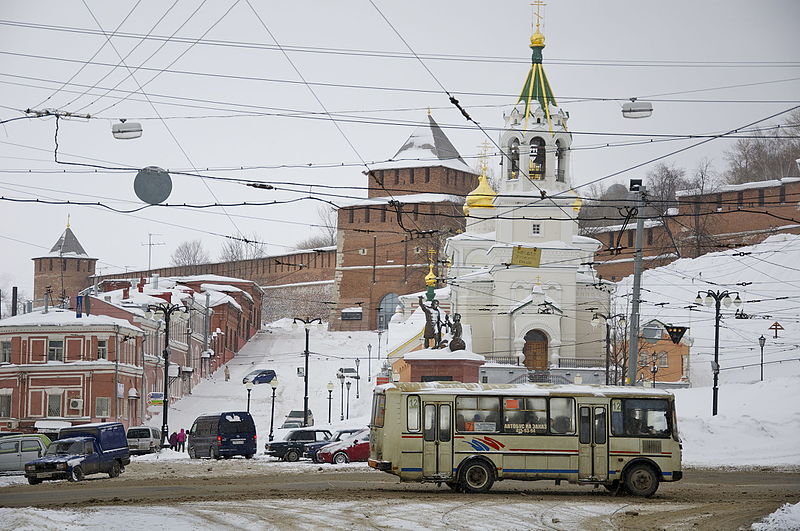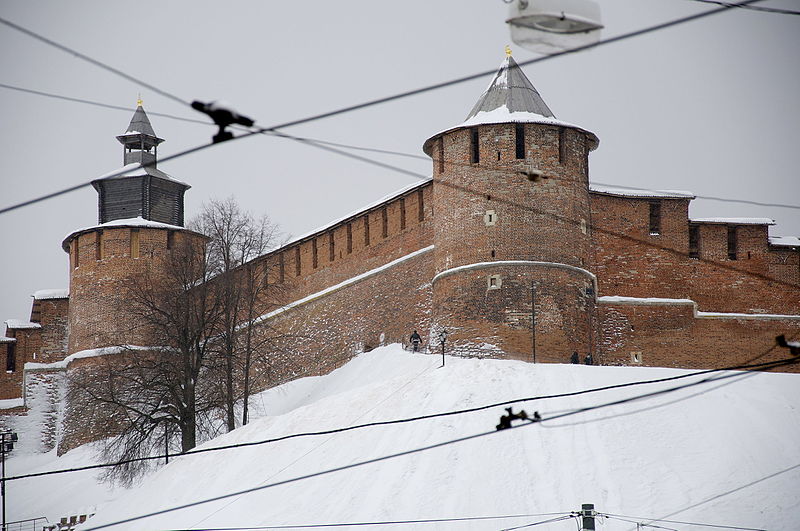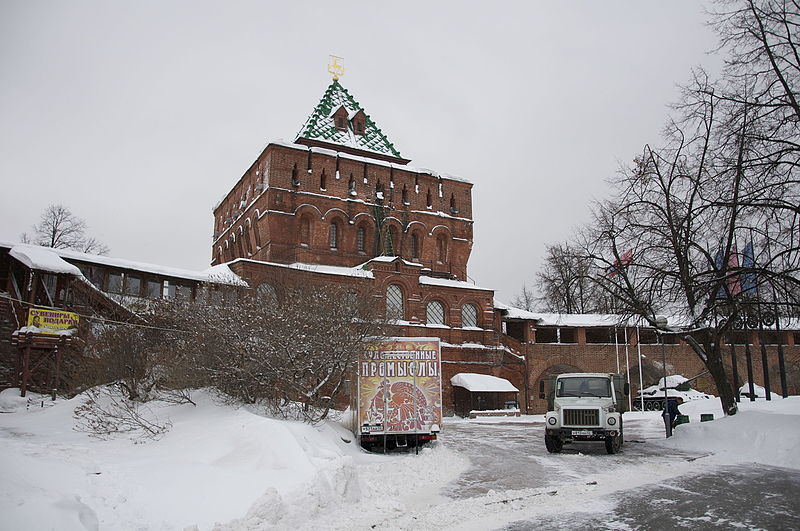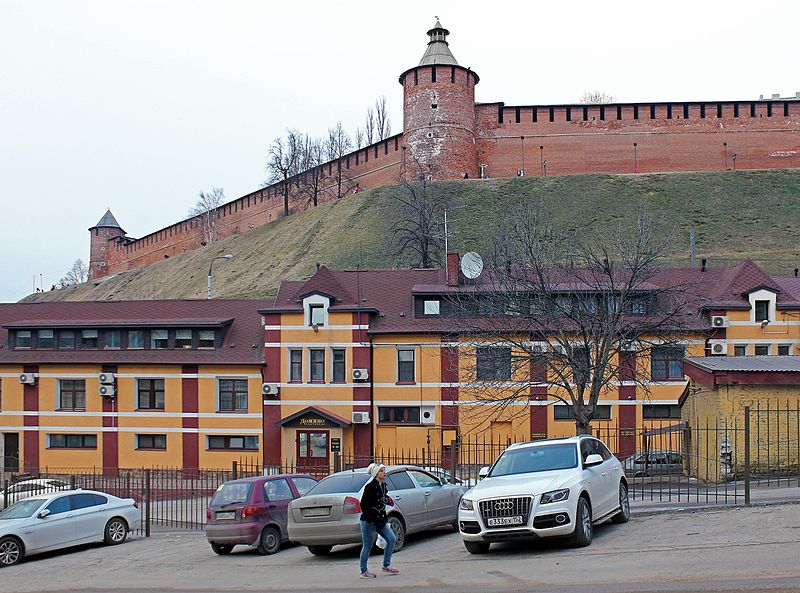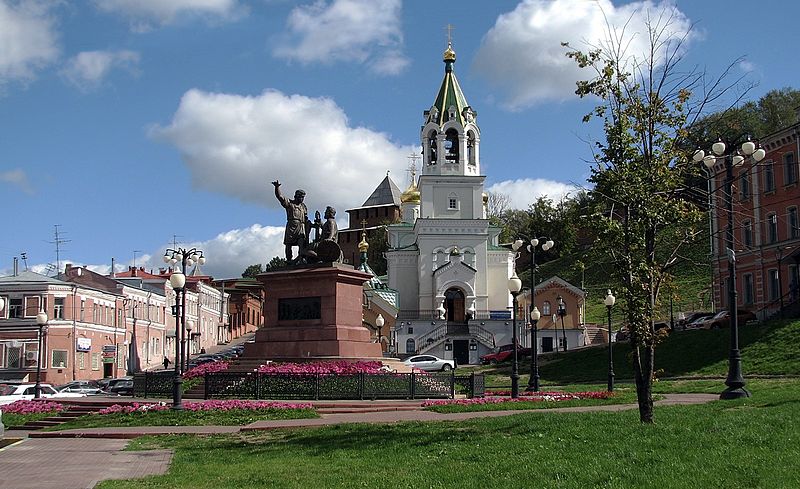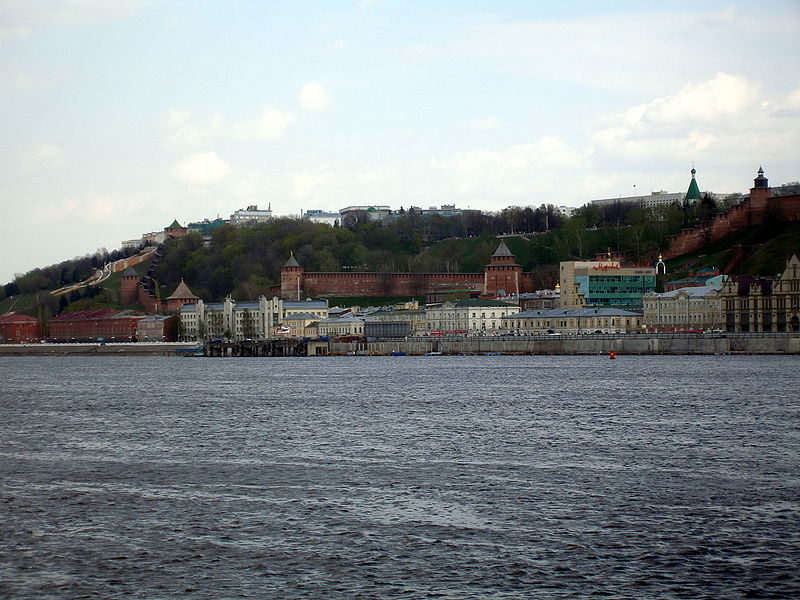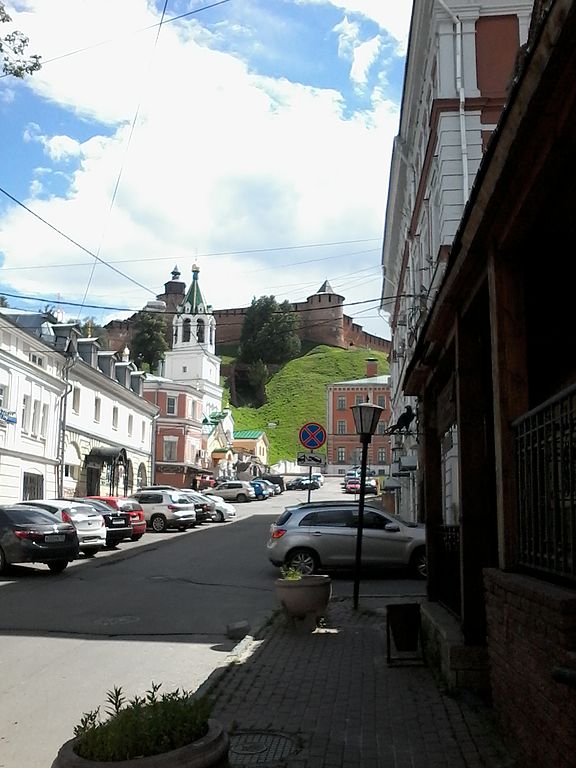

The Nizhny Novgorod Kremlin is the most important attraction and the oldest part of Nizhny Novgorod. The fortress, like the city, was built to protect the country's borders.
The history of the Kremlin
In 1221, Prince Yuri Vsevolodovich of Vladimir founded Nizhny Novgorod, which was initially guarded by fortifications made of wood and earth. In the 16th century, Nizhny Novgorod became an important stronghold in Moscow's war against the Kazan Khanate, so construction of the Tver (now Kladovaya) Tower began in 1500. Construction in 1505 was interrupted by the unsuccessful siege of the city by Khan of Kazan Muhammad Amin. Construction resumed in 1508, and in 1513, the oak Kremlin burned down during a fire. The construction of the white-stone Kremlin itself was completed sometime in 1516. The Kremlin was besieged in 1521, 1536 and 1574, but they could not take it. In 1697, it lost its importance as a defensive fortress.
The total length of the walls of the Nizhny Novgorod Kremlin is 2 kilometers, which are guarded by 13 towers. There was a permanent garrison in the Kremlin with small-caliber fortress cannons, numbering about 20 pieces. In addition to cannons, enemies were shot off with squeakers, and gunpowder and cold steel were stored in the basements, in case the enemy still broke through the defenses. Under Catherine II, the Kremlin was repaired, during which the walls were whitewashed, the roofs of the towers were painted and the moat was filled in, which caused the towers to flood with groundwater and they began to collapse.
By the way, there are many legends around the Koromyslovaya tower. According to one of them, during the siege of 1520, the Tatars crept up to the walls at night, but met a woman who was going to get water. When she saw them, she attacked with a yoke and killed ten, but one of the enemies struck her with a sword. After seeing what only one woman had done, they got scared and ran away from the walls of the Nizhny Novgorod Kremlin. According to another version, in order to strengthen the building, a living being was buried in the foundation, which was the first to come to the building. A girl passed by who wanted to draw water from the river, and they buried her alive, throwing a yoke and buckets into the pit.
Gallery