


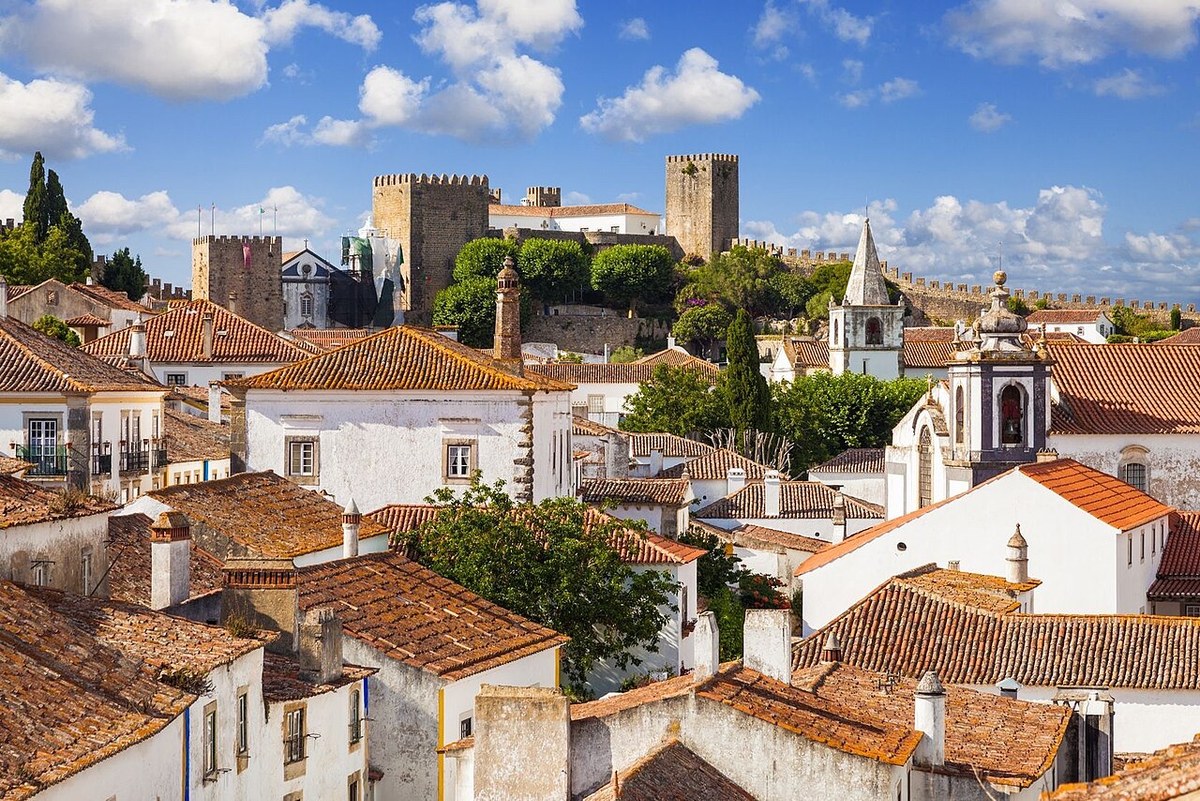
A small town that surprised me: Obidos, Portugal
Sometimes I come to a city with a huge list of places that I definitely need to see, and sometimes I just mark a point on the map and think: "Well, let's see what's in there." That's exactly what happened to me with Obidos in Portugal. I knew that this was a small medieval town surrounded by fortress walls, that there was a castle and beautiful white houses here, but I did not feel any special delight in advance. After Lisbon, I was generally a little skeptical and thought that Obidos would be a pleasant stop for a few hours, after which I would quietly continue my journey.
In the end, it turned out quite the opposite: I arrived for one day, and left with the feeling that the city had somehow managed to deceive me. At first it just seemed beautiful to me, then cozy, and after a few hours I didn't want to leave at all. The funny thing is that Offending didn't try to impress me at all, he just existed in his calm medieval rhythm, and I gradually got involved.
The first impression of Obidush
When I approached the historical center, the first thing I saw were the fortress walls and gates. Obidush really looks like someone decided to save a piece of the Middle Ages, carefully placed it on a hill and said: "Just please don't change anything much here." Inside the walls there are white houses with colored details, narrow cobbled streets, small squares and flowers on the windows, and above all this stands a castle.
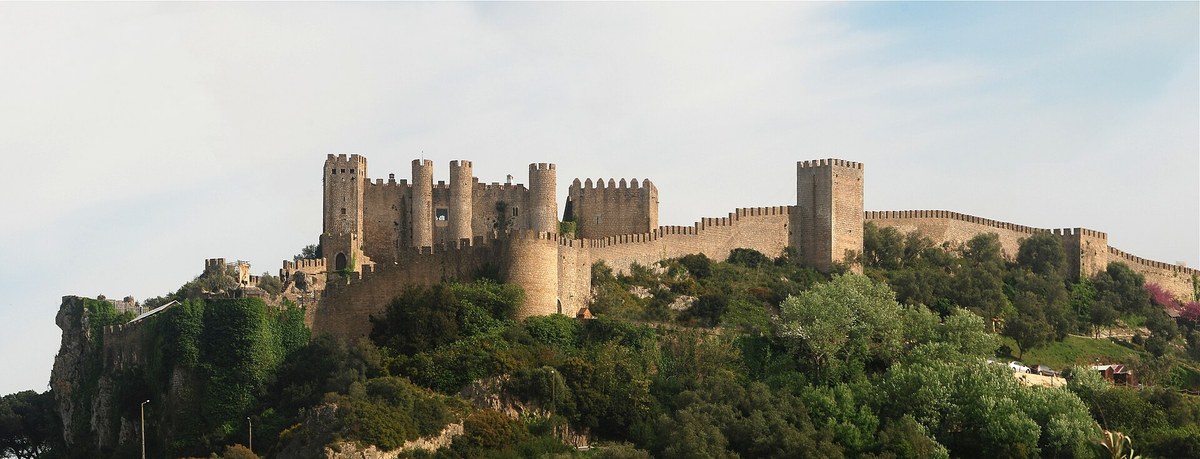
Medieval castle-fortress of Obidush
I walked through the main gate and realized almost immediately that my usual travel pattern would not work here. In big cities, I usually turn on the "need to do everything" mode, start checking the map and mentally allocate time between the sights. I walked a hundred meters in Obidusha, saw a beautiful house, stopped to take a picture, then turned into an alley, then saw another alley and at some point just put my phone in my pocket. It was probably the first proper thing to do all day.
The street where I stopped looking at the map
The main street of the old town, Rua Direita– gradually leads through the historical center to the castle. It looks completely harmless on the map, but on the spot I was constantly distracted by white houses, flowers, small shops, and people who were sitting at tables and in no hurry.
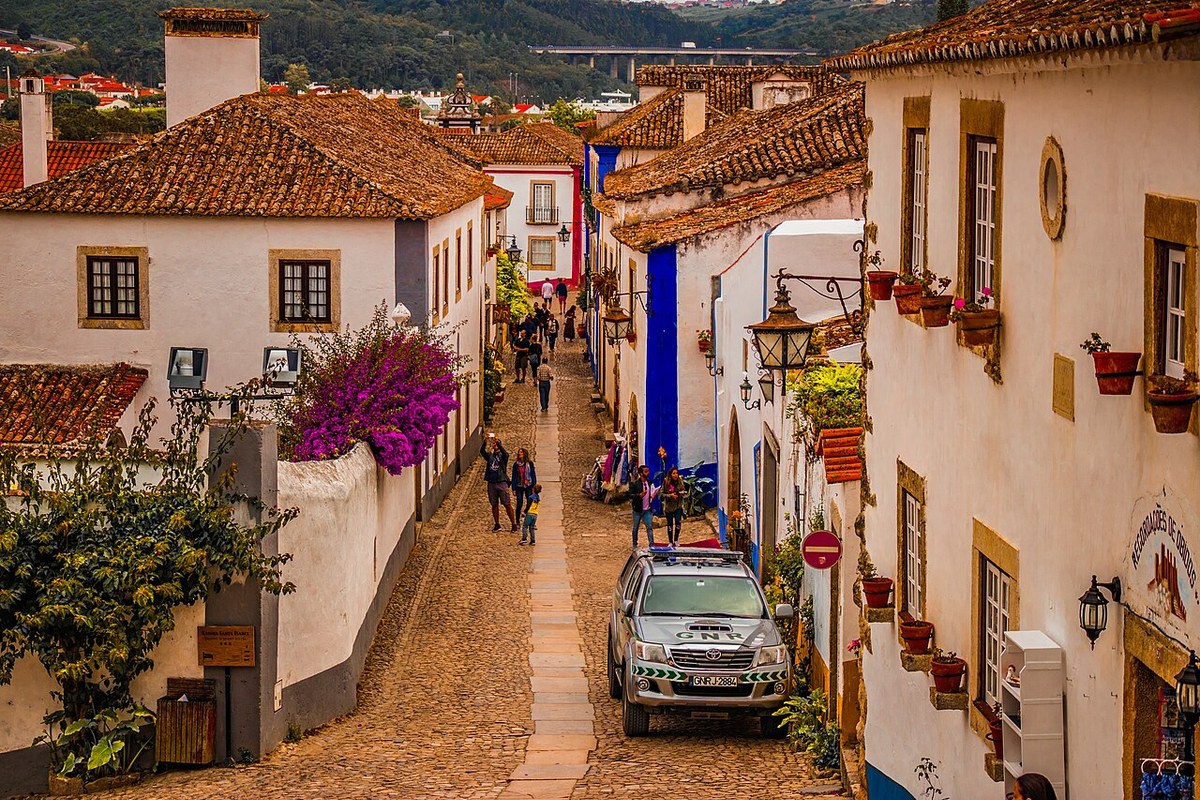
Rua Direita Street
I especially liked that the city doesn't look equally polished from all sides. Somewhere the facade is fresh and neat, somewhere there are traces of time on the wall, somewhere flowers hang from the window, and an old bicycle stands near the door. It's these little things that create the feeling of a real place, not the scenery for a tourist movie.
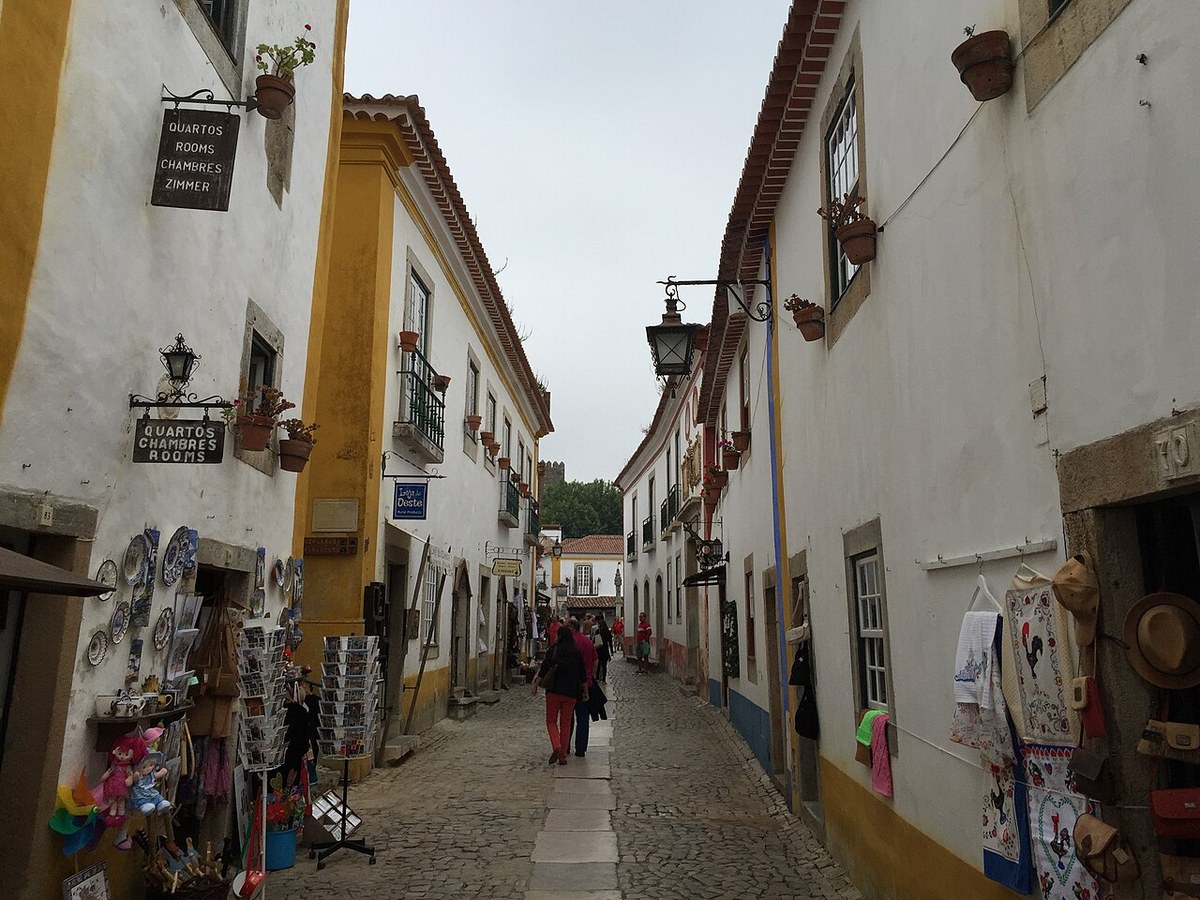
I took out my phone several times to check where to go next, but each time I found a new reason not to. At some point, I realized that I had been walking for almost twenty minutes with practically no direction, and for the first time during the trip it didn't bother me at all.
Castle and walls
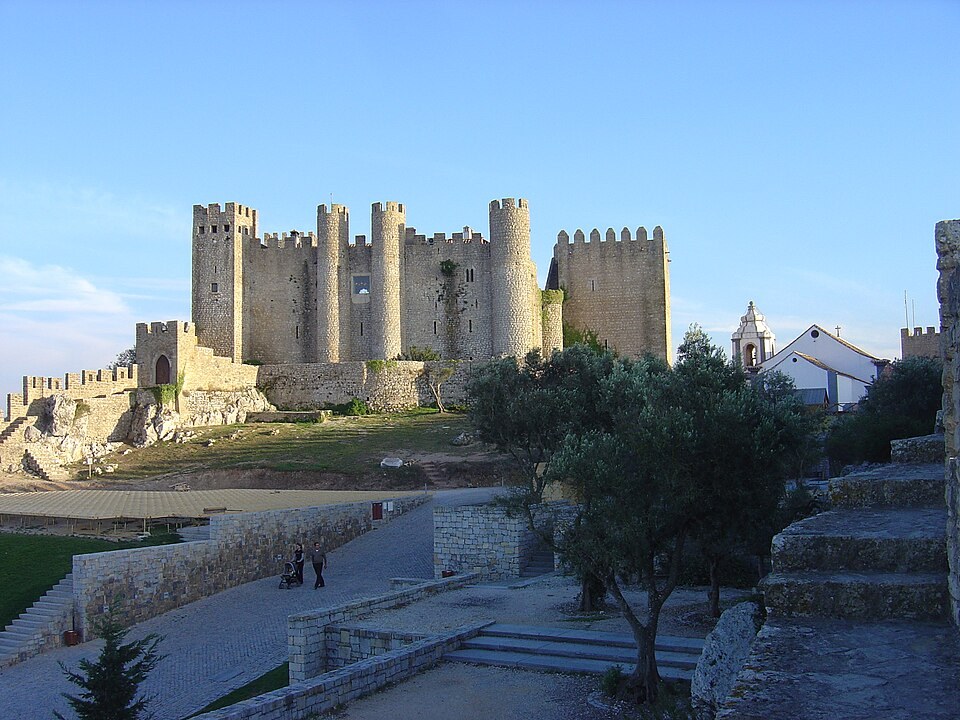
Of course, I wasn't going to completely ignore the main attraction of Obidush. The castle and the fortress walls are part of the very character of the city, and the fortress itself has a very long history: fortifications existed during the time of Arab rule, after the Christian conquest the castle was rebuilt several times, and in the XX century it was restored. I enjoyed taking photos from different angles and lighting, as if there was a new place in front of me. I climbed the walls and immediately understood why it was worth coming here not only for the sake of photography. From the height of the town Halls, it looks very different: white houses gather into one dense picture, hills and green spaces open behind them, and somewhere in the distance you can feel the proximity of the Atlantic. The most interesting thing is that I forgot about the time on the walls again.
However, the romance continued exactly until the moment when I looked down and realized that for some reason it became much scarier for me to walk along the narrow fortress wall than it seemed from below. I tried to pretend that I was just carefully examining the architecture, although in fact I was carefully rearranging my legs and mentally asking fate not to turn my trip into international news.
An offended man who lives his own life
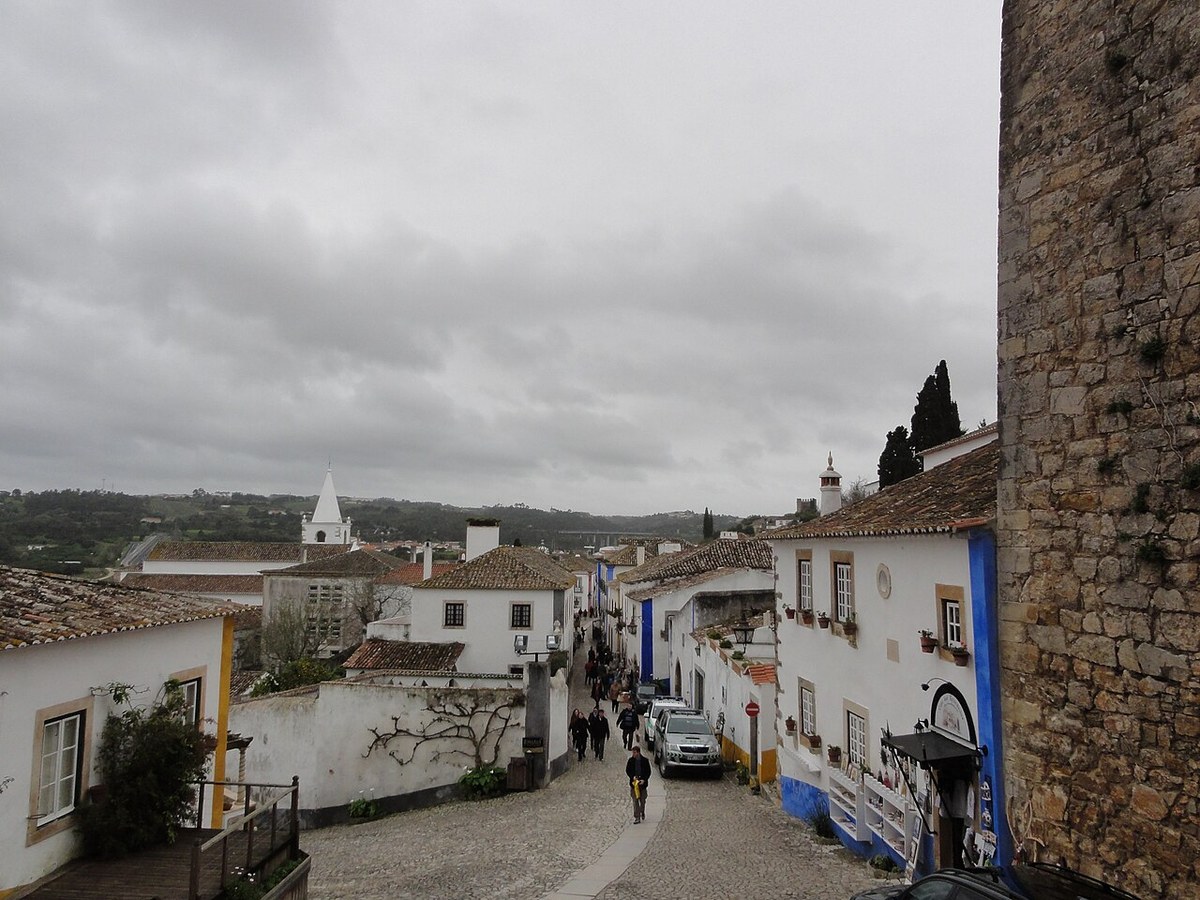
What surprised me the most was not even how beautiful the city is, but the fact that ordinary life can be felt inside a tourist place. There are houses, shops, small cafes, churches, courtyards and streets where people walk not because they came to see the attraction, but because it is their city.
Officially, Obidos is considered one of the best preserved medieval cities in Portugal, and you can really feel it when you walk through its streets. The medieval layout, fortress walls, castle, white houses and many historical buildings have been preserved here.
But for me, the main discovery was something else: despite all this history, Obidush does not seem like a museum. In it, you can just go for coffee, stop to talk, look into a store or sit on a bench, and all this happens against the background of very old walls. It turns out a strange combination: the Middle Ages are all around, but life is completely modern.
My encounter with the local cherry tincture
Of course, it was impossible to come to Obidos and not try the famous ginjinha. Local cherry tincture is traditionally served here in a small chocolate cup, and Portugal itself recommends trying this local specialty in this way.
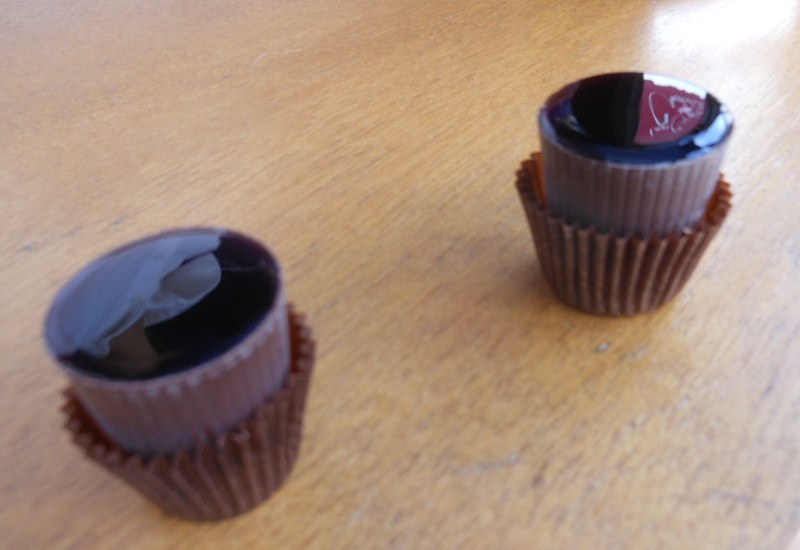
ginjiinha
I looked at this chocolate cup with the expression of a person who has just been offered a very interesting experiment. First I drank the tincture, then I ate the chocolate and realized that the locals clearly know how to properly lure tourists: after that, it's impossible to say that you just came to see. However, I quickly realized that if I continued to experiment with local drinks, then a walk along the fortress wall could become even more exciting, so I decided to limit myself to one glass. Sometimes prudence comes late, but it comes anyway.
Coffee, pause and complete lack of haste
After my walk, I went in for a coffee and finally allowed myself to just sit. On a normal trip, I would have already checked the next point on the route, looked at the museum's opening hours and tried to figure out how many minutes it would take to get there on foot.
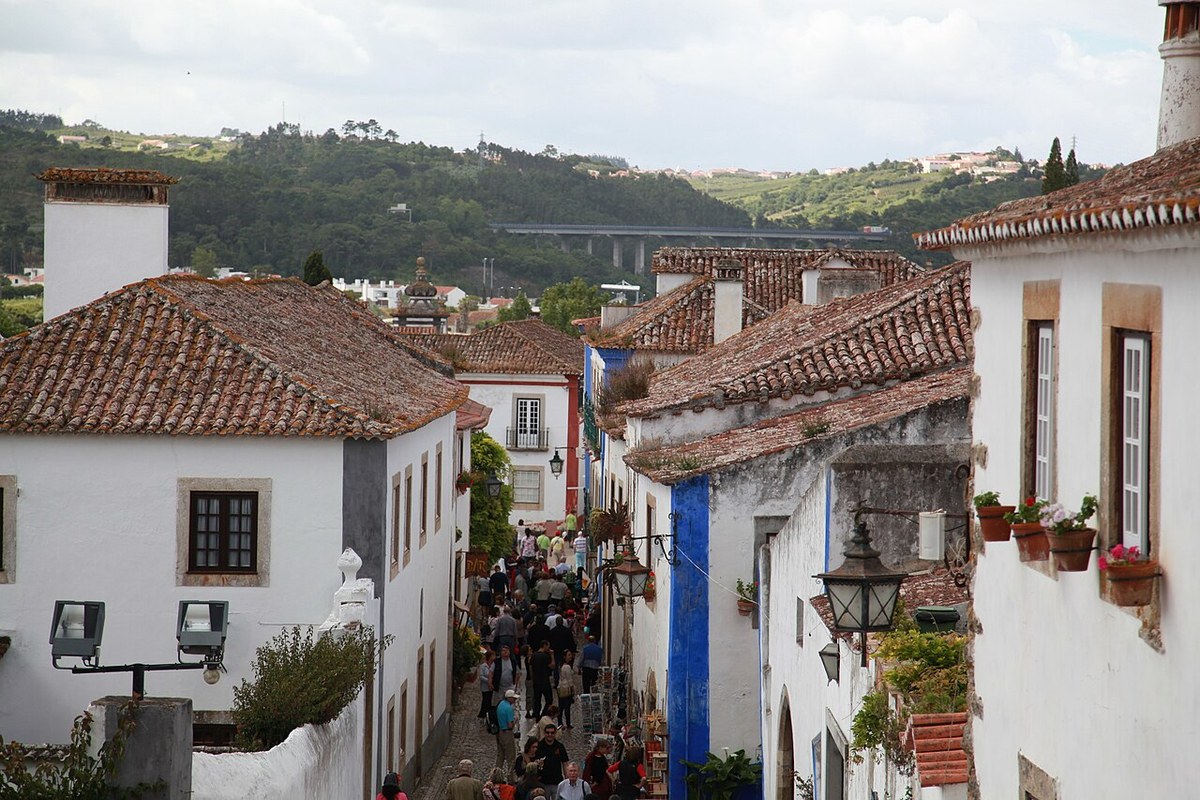
And here I was sitting by the window and looking at Rua Direita. Tourists were passing by, someone was taking pictures at home, someone was looking for a free table, someone was just walking around without any purpose, and it all happened so calmly that I gradually stopped feeling like a person who is on a journey.
In general, it seems to me that the best way to study Offending is not to try to swallow it in two hours, but to leave yourself time just to wander. The official tourist portal also offers a walk through the maze of streets inside the walls, and among the main places are the Church of Santa Maria, the Church of Mercy, the Church of San Pedro, the city museum and other historical sites.
And of course, I got lost.
The funniest thing happened in the late afternoon. I decided to go beyond the main tourist route, turned aside somewhere and was absolutely sure that I perfectly understood where I was.
Fifteen minutes later, I was already looking at the phone card with the same expression on my face that usually means: "Okay, calm down, we'll figure it out now." I really figured it out, but only after I walked down the same street twice and finally admitted that the small town had somehow managed to confuse me.
And you know, I wasn't even upset. After all, if you're wrong, then why not in a city with white houses, flowers, ancient walls and narrow streets.
The evening snack turned out to be the most beautiful
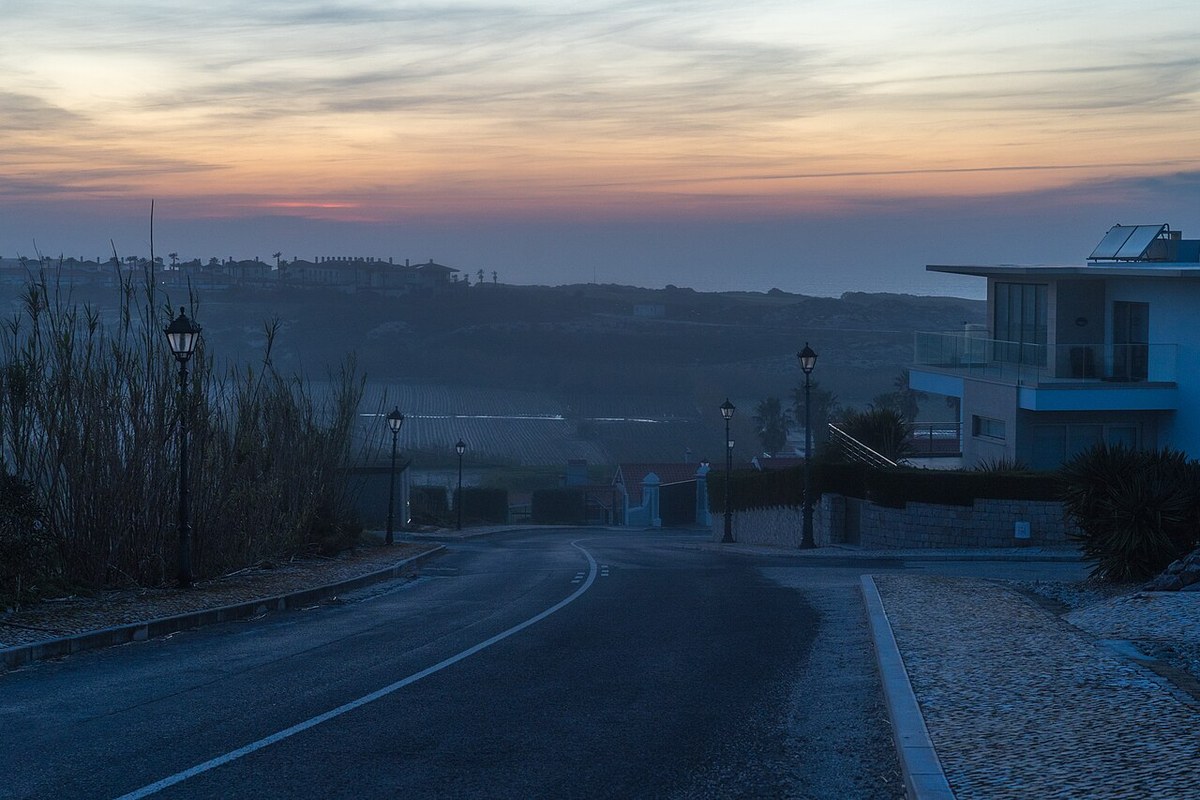
When the sun started to set, I returned closer to the center again. The light became softer, the walls took on a warm hue, the tourists gradually became fewer, and the city suddenly became completely different.
During the day, Offending seemed beautiful and a little fabulous to me, but in the evening it became somehow homely. Someone was closing a store, someone was sitting in a cafe, light fell from the windows of houses, and the narrow streets became almost empty. I walked without any plan and thought that I was going to spend only a few hours here in the morning. And that's when I finally realized that I was wrong.
Why did this small town surprise me?
It wasn't the size, the castle, or even the fortress walls that surprised me. Although all this is certainly beautiful. Most of all, I was surprised by the feeling that appears a few hours after arrival: you stop wanting to rush somewhere.
I'm used to travel being a constant movement. One city today, another tomorrow, a museum in the morning, a square in the afternoon, a restaurant in the evening, and in between, I still need to take photos, buy something home and not lose my phone charger, which for some reason I manage to put in the most inaccessible place of the suitcase every time.
And in Obidusha, for the first time in a long time, I just slowed down. It was enough for me to walk down the street, look at the old houses, climb the walls, drink coffee and sit in the square in the evening.
I would come back here again.
When I left Obydos, I had the feeling that I had spent a lot more time here than I actually had. This is probably the case with places where you don't have to constantly entertain yourself and rush somewhere.
I came here with the idea that this is just a small town along the road that you can see between the more serious points of the route. But he left with a completely different opinion: sometimes it's small towns that give travel what big tourist capitals lack.
Obidos wasn't trying to be Portugal's main discovery for me. He just greeted me with his white houses, old fortress, narrow streets, flowers on the windows and a cup of coffee at the moment when I finally stopped looking at the clock. And, perhaps, now I know how I will choose small towns further. If there's a place on the map that I'm thinking about first: "Well, what's there to see?", I'll try not to drive by. Because after Offending, I already know that sometimes that's where the most interesting journey begins.



Comments