History
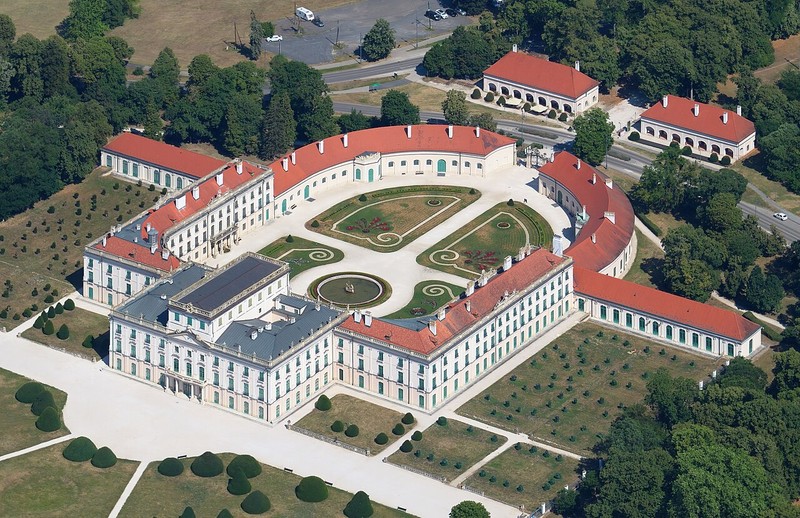
Previously, the Hungarians were among the militant peoples. They regularly occupied the territories of neighboring states, so bastions, castles and fortresses were built in large cities. Many structures were built in the Middle Ages, and most have managed to maintain their authentic appearance. They blend harmoniously with modern architecture, and this tandem looks colorful.
Researchers say the foundations of statehood in Hungary were laid by Prince Istvan I of the Arpad dynasty about 1,000 years ago. He became the first king of the Kingdom of Hungary and went down in history forever. Until that time, the Hungarian territories belonged to the Roman Empire. They were called the outskirts. A panorama. There was no permanent population, nomads and barbarians often arrived in these lands, but they did not stay long. In the 9th century, the Magyars gained a foothold. The monarchical system was blessed by the Roman Catholic Church. And over time, Hungary was able to get on a par with other Western European countries.
The Turks had a great influence on modern Hungary. In the 18th century, the fragmented territories became the property of Austria. Hungary gained a foothold in its composition, but in the 19th century it gained more political power than the Austro-Hungarian Empire had. This union was short-lived. The integrity of the Hungarian lands was affected by the World Wars. In these battles, Hungary was on the losing side. It took a while to recover.
The statesman and politician Janos Kadar made a huge contribution to the development of the state. He paid great attention to the development of the economy, which was focused primarily on domestic consumers. This policy had positive results, and already in the 70s, the country entered the list of the richest and most liberal in Europe. In the 80s, integration with other Western states began. Today, Hungary is rightfully considered a prosperous European country with a democratic system. People were able to preserve national traditions and are proud of them.
Climate
Hungary is called the sunniest country in Europe. It has a temperate continental climate. Winters are usually cold and summers are warm. Spring comes earlier than in other countries. The air temperature this season is up to +10°C during the day, and at night it drops to +1°C. The maximum heat mark on the thermometer is +17°C. It is often foggy in spring.
It is warm in summer, but there is no drought in almost all areas. The average temperature at this time of the year is +19°C -+27°C. Despite the fact that it is sunny outside, there is no heat. In July, precipitation begins to fall frequently. The rains quickly turn into downpours, but they are short-lived, so many do not carry umbrellas with them. But autumn is really rainy. During this season, the temperature is up to +14°C, at night - +5°C. November is considered to be the most cloudy month. There is little snowfall in winter. It snows about 3-5 times. Snowstorms are also rare, but sometimes hail or rain and snow fall. The air temperature is -1°C. The coldest month is January, and the warmest is July.
Nature and Wildlife
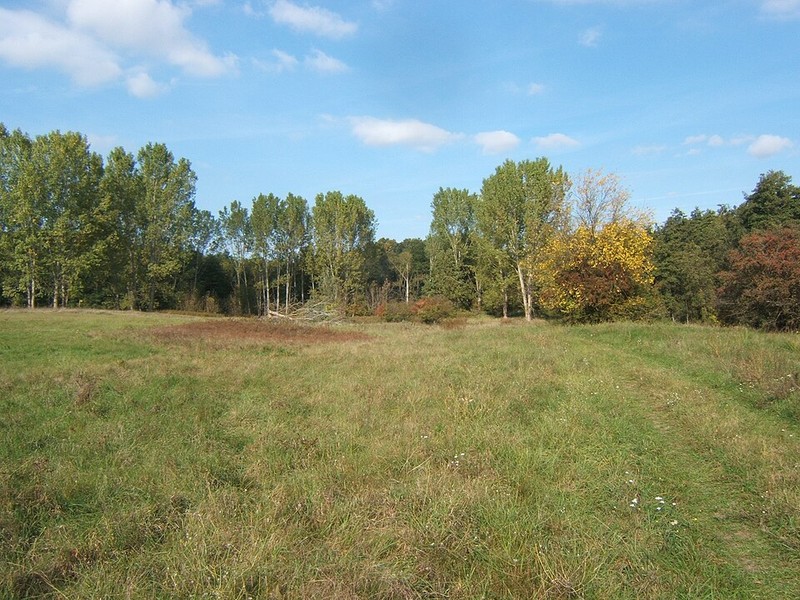
In Hungary, the flora and fauna are not very diverse, but they have their own charm. They have undergone some changes over time. Previously, the country was covered with dense forests. But natural vegetation has given way to agricultural landscapes. This list includes arable land, vineyards, and orchards. People grow wheat, corn, barley, beets and apples. Currently, forests occupy only 20% of the state's land area. They have been preserved in the highlands. Oak, poplar, linden, birch and chestnut, spruce and fir trees grow here. In Hungary, they make jam from fir cones and use it as a traditional medicine. It strengthens blood vessels, increases immunity and reduces fever. Helps to recover from heart attacks and strokes.
Many trees were cut down at different times, but now logging is strictly prohibited by law. The state pays a lot of attention to ecology and the environment. The country protects nature and requires the appropriate attitude from tourists.
Sand dunes are formed in the south. The west in Hungary is represented by the foothills of the Alps, where gentian, myrtle, forget-me-not, plantain and carnation grow. The elevation of Alpokal from 500 to 800 meters above sea level attracts attention with its grandeur. Another popular holiday destination is Lake Balaton. It is sometimes called the sea. Approximately 25 species of fish live in the freshwater reservoir, but carp predominate. People go fishing and catch fish for later sale. Hungary exports fish. It is also added to many national dishes.
Wild cats, foxes, wild boars, hares, roe deer and deer live in Hungarian forests. Large mammals are represented by bears. The country is actively engaged in hunting. They mostly hunt hares or wild boars. But beavers and otters are protected by the state. In Hungary, hawks, larks, storks, cranes, woodpeckers, orioles and swallows fly. A bird sanctuary is open on the lake. Rodents live in Alfeld east of the Danube. You can find ground squirrels, field mice and hedgehogs, moles live underground.
Geography
The Hungarian People's Republic is located in the central part of the Danube basin. It has an advantageous geographical location in the world. The border with Slovakia runs from the north, and the Ukrainian border is located in the northeast. Romania is a neighbor from the southeastern side. The Croatian border is located in the southern part, Slovenia opens from the southwest. Austria is recognized as a western neighbor. Hungary cooperates with all these States.
The country is based on the Middle Danube lowlands. This ensures a favorable climate. Ski resorts have been opened in the north-west of Hungary. Tourists who prefer active recreation often come here. To the north are the Visegrad Mountains. Their foothills are surrounded by the ancient royal residences of Esztergom and Visegrad.
Hungary is a parliamentary republic. It is included in the European Union. The country consists of 19 regions, which are called Medie here. They are grouped into 7 regions.
Cuisine
Hungarian cuisine cannot be called distinctive, but culinary delights are found among the national dishes. In the 15th century, King Matthias Corvinus had a bride from Italy, Beatrice of Aragon. The daughter of King Ferdinand the Elder of Naples introduced Italian traditions into the local cuisine. And after the war with Turkey, paprika was added to dishes. This spice is considered the main one during cooking.
Hungary's modern national cuisine is simple. The dishes look delicious. The key ingredient during the preparation of hot dishes and side dishes for the second is considered to be over-melted pork fat. Onions and lots of vegetables are often added to the first dishes. Pork, poultry, and veal meat predominate in the recipes. Hungarians like to stew, not roast or bake dishes.
In Hungary, goulash is called buttermilk. Paprikash is the first dish seasoned with paprika and sour cream. Locals recommend to try Tokay wine. Bovine Blood wine is also popular, and the national vodka is called Palinka. A popular fast food is langosh, a flatbread deep-fried in oil. It is generously greased with sour cream and garlic sauce, and grated cheese is added. Popular restaurants in Hungary are Fatál Étterem, Tüköry Restaurant, Király 100 Gastro Corner. When going to cafes or restaurants, it is better to have cash with you, since not all public establishments can pay with a bank card.
Tips for Tourists
You can exchange money for local currency at the train station, bus station, airport or in the center of Budapest. If terminals are installed in public places, you can pay in euros. However, you should carry forints with you, as cards are not accepted everywhere.
You can gamble on the street. It's fascinating, but it's better not to pay attention to them. Thimblers can cheat, there is a possibility that they will not let anyone win.
There are many taxis operating in Hungary. Budapest Airport cooperates with the company Ftax. But the cars of this service leave their cars outside the terminal. Those cars that are inside the terminal are most likely private taxi drivers. They loudly invite passengers, but it is better to negotiate the price before getting into the cabin. If the driver has not turned on the meter, do not hesitate to remind him about it. Otherwise, the amount for the trip may surprise you.
The eighth district is called the "red light district". In this place, you should not show off expensive phones and jewelry and accept various offers from people, as they can be deceptive.
Housing Rental
Right-hand traffic in Hungary. The European rules of the road apply. The road markings are always clearly delineated. The country carefully ensures that the paint does not fade, and all signs are clearly visible. The minimum age of passengers in the front seat is 12 years. In the country, you can get a driver's license from the age of 18. However, to rent a car, the driver must be 21 years old. All cars will not have studded tires, as they are strictly prohibited here.
When contacting a carsharing company, tourists must present an international payment card and an international driver's license. The amount of the deposit depends on the choice of insurance.
The maximum permissible speed on roads in residential areas is 20 km/h, in populated areas - 50 km/h. You need to be prepared for the fact that there may often be a speed limit of 30 km/h on highways. If there is no settlement nearby, you can accelerate up to 130 km/h on motorways.
Visa
There are several customs rules. For example, the transportation of non-national currency has no restrictions. However, funds exceeding 1 million forints must be declared. It is allowed to export large amounts if there is a special document from the bank. The national currency can be imported and exported in the amount of no more than 350 thousand forints.
You can take antiques, works of art, gold or silver jewelry with the appropriate permission. They will not be allowed into Hungary and will not be released from the country if they find poison, illegal drugs, weapons, meat, chocolate, dairy products and canned food. Baby food is an exception, it is allowed.
Smokers often put cigarettes in their luggage. But there should be no more than 200 of them, you can take no more than 50 cigars and 250 grams of tobacco. Alcohol is not prohibited, but there are limits: 2 liters of wine and up to 1 liter of spirits. Perfumery is limited to 250 ml of perfume. When buying souvenirs in Hungary, keep in mind that the total amount should not exceed 270 thousand forints. If the amount is higher, you will have to pay a fee.
Holidays
Hungary hosts festivals for all existing types of culture. The most popular areas are music, dance, cinema and cooking. Many holidays take place in the spring. The biggest event is the Spring Festival, which has been celebrated in Budapest since 1981. It combines chamber, church and folk music, jazz, ballet, and modern dance. At least 50 events take place within the framework of the festival, at each of them you can get acquainted with the culture of Hungary.
At culinary festivals, you can taste national delicacies, pork and craft beer. Gourmet cuisine is tasted at the celebration of the gourmet festival in May. It's being held in Millenaris. In terms of scale, it is compared to a wine festival. Folk festivals are taking place, a diverse cultural program is being prepared, and wine is being tasted.
Every year on December 30, the Budapest Symphony Orchestra's big concert "100 Gypsy Violins" takes place. You can listen to Strauss, Tchaikovsky and other talented composers.
Shopping
Shopping is booming in Hungary. Shopping can be done in shopping malls, bazaars or small shops. Budapest has many boutiques with stylish designer clothes. They work from 9.00 to 18.00, malls can work longer, sometimes even at night. Bazaars may close after lunch. It should be remembered that almost all stores are closed on Sundays.
It is advisable to always have the national currency with you, as bank cards are not accepted everywhere. It is undesirable to exchange money by hand, as the exchange rate in this case may differ greatly from the official one. Most often, wooden dolls, clothes and tablecloths with national embroidery, figurines, handmade products made of porcelain, ceramics and textiles are bought in memory of a trip to Hungary. Wine, beer, paprika, books and albums on Magyar art are also considered the most popular products.
Black Friday takes place every year in November, and sellers offer big discounts, they can reach up to 90%. There are always sales before Christmas. You can bargain at the bazaar, but it's pointless to ask for an additional discount in the shops.
Entertainment
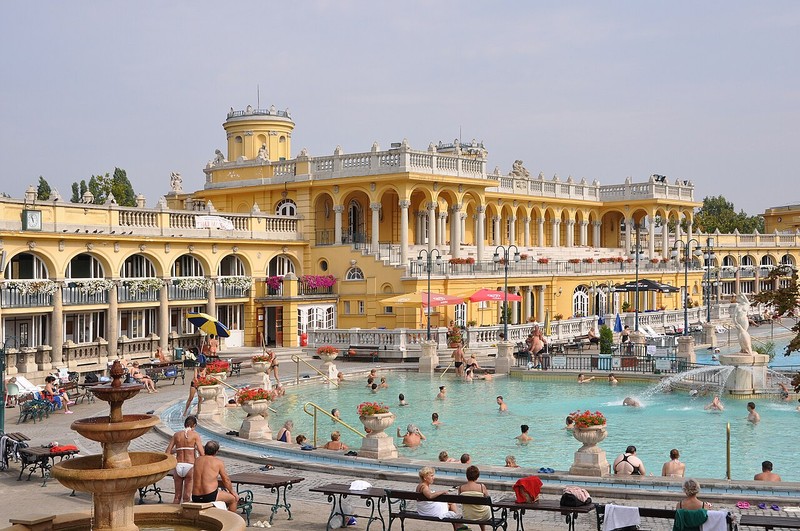
The variety of life in Hungary provides a wide opportunity to organize any vacation. Spa salons, sanatoriums and health resorts with therapeutic mud and mineral waters are open. 80% of the country consists of natural and thermal springs, so there is a wide choice. You can arrange a trip to the Heviz thermal lake, go fishing on Lake Balaton or choose other places to visit.
In Budapest, you can go alone or in a large company, including with children, to the zoo, the luna park, the circus, and visit various museums. A tropicarium with underwater animals and fish has been opened in the Kampona shopping center. Crocodiles are a special pride.
Hungarians recommend taking a boat ride on the Danube at least once in your life. Water tourism ends with a visit to the Buda Fortress, which consists of a labyrinth and underground catacombs. Nearby are the Buda Mountains. You can visit a real children's railway. Children can be conductors and ride mini-carriages, which offer a picturesque view of nature.
Hotels
Most Hungarian hotels have high service and low cost of accommodation. The hotels are carefully maintained and kept clean. Even the economy class rooms are cozy and comfortable. It's cheaper to stay in hostels and guest houses on the outskirts. If you choose a three-star hotel, you can check into a spacious room and eat buffet style. In five-star rooms, you can choose luxury apartments with a private veranda.
The most expensive hotel in the country is the Spirit Hotel Rogner. It is located in Sharvar. Its advantage lies in the presence of a SPA area, thermal waters, baths. Luxury apartments can be rented in castles and hotels along with golf clubs. The staff speaks different languages. Most often, the influx of tourists occurs in the spring, so it is better to book a hotel in advance. Practically everyone has an official website, and you can look at the conditions from the photos and choose the most optimal option. The prices are inexpensive, it's not worth asking for a discount, it can make a negative impression on the guests.