

I spent less than I expected: my experience
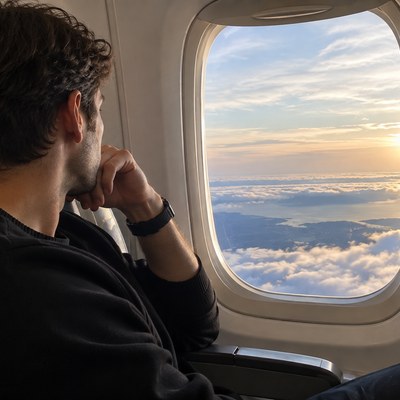
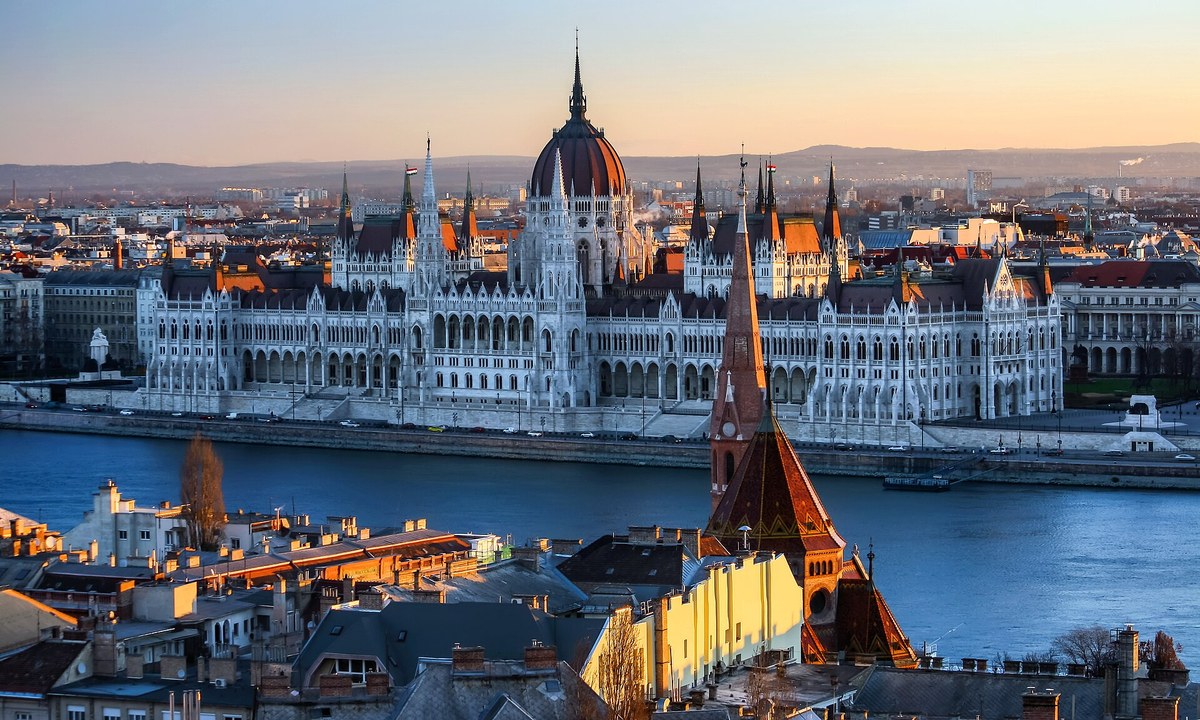
When I was going to Budapest, I was sure that after returning home I would need another short trip to the nearest bank to apologize to my own account. I have long wanted to see the Hungarian capital, walk along the Danube, look at the famous parliament building, taste the local cuisine and, of course, get to the thermal baths, which look so beautiful in the photos. But the more I studied the prices of housing, restaurants and entertainment, the stronger the feeling became that five days in a European city could cost much more than I expected. As a result, I made a budget with such a margin, as if I was going not just to see Budapest, but to buy an apartment there and leave money for its maintenance.
Budapest
At the same time, I didn't want to turn my vacation into an endless hunt for the cheapest deals, because I perfectly imagined the pleasure of a trip in which every cup of coffee had to be mentally coordinated with the financial department of my own head. I wanted to have a quiet breakfast in a cafe, try unfamiliar dishes, go to interesting places and indulge in everything just for the sake of a beautiful number in a banking application. Therefore, I decided to determine the main expenses in advance, find a comfortable place to live and sort out transportation, and already see on the spot how much money is really needed. I expected to save a little on some small things, but I didn't even suspect that the main savings would begin when I stopped trying to arrange the perfect vacation for myself based on other people's recommendations.
The first day. Budapest didn't meet me according to plan
When I first saw Budapest, I almost immediately forgot about my calculations, because the city turned out to be amazingly beautiful even without special training and a good angle for photography. I went outside, saw the old buildings, heard the noise of trams, and felt that I had finally arrived where I had long wanted to go, and not just transferred my work worries to another country. However, the romantic mood soured a little when I decided to deal with public transport and discovered that the Hungarian names of stops look like someone dropped a whole bag of consonant letters on the keyboard. I stared at the phone screen for a few minutes, then at the stop sign, and then back at the phone, gradually coming to the conclusion that for a successful trip I would need at least a basic education in Hungarian dispatching.
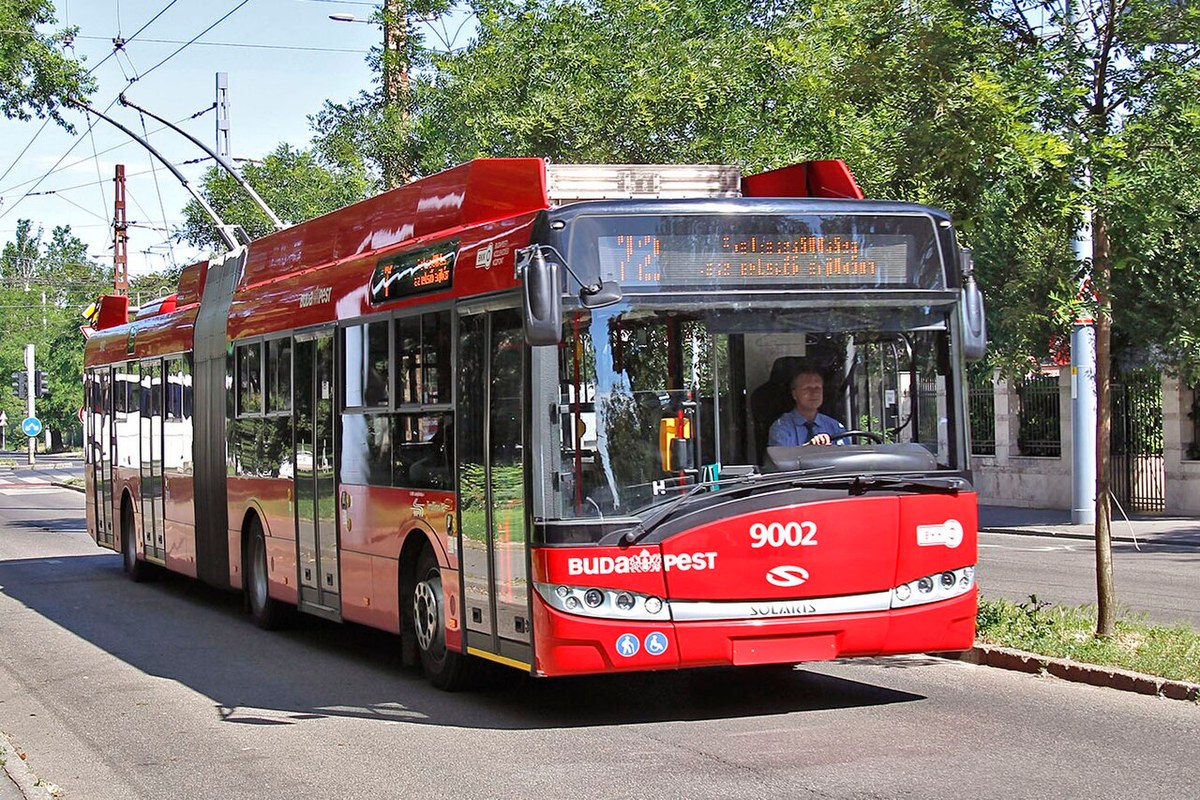
Fortunately, it turned out that public transport in the city is quite convenient if you sort out the tickets a little and don't try to buy them at random at the last moment. I installed the travel app, studied the travel options and realized that when actively using transport, it is more profitable to compare the cost of individual tickets and travel tickets for several days in advance. According to the official BKK fare, a regular one–time ticket costs 500 HUF, and a 72-hour pass costs 5750 HUF, so the choice depends on the number of trips and the length of stay in the city. I decided to take the subway, trolleybus and tram, and where the distance allowed, just walk, and on the first day I noticed that this not only helps to save money, but also allows you to see a lot more interesting streets.
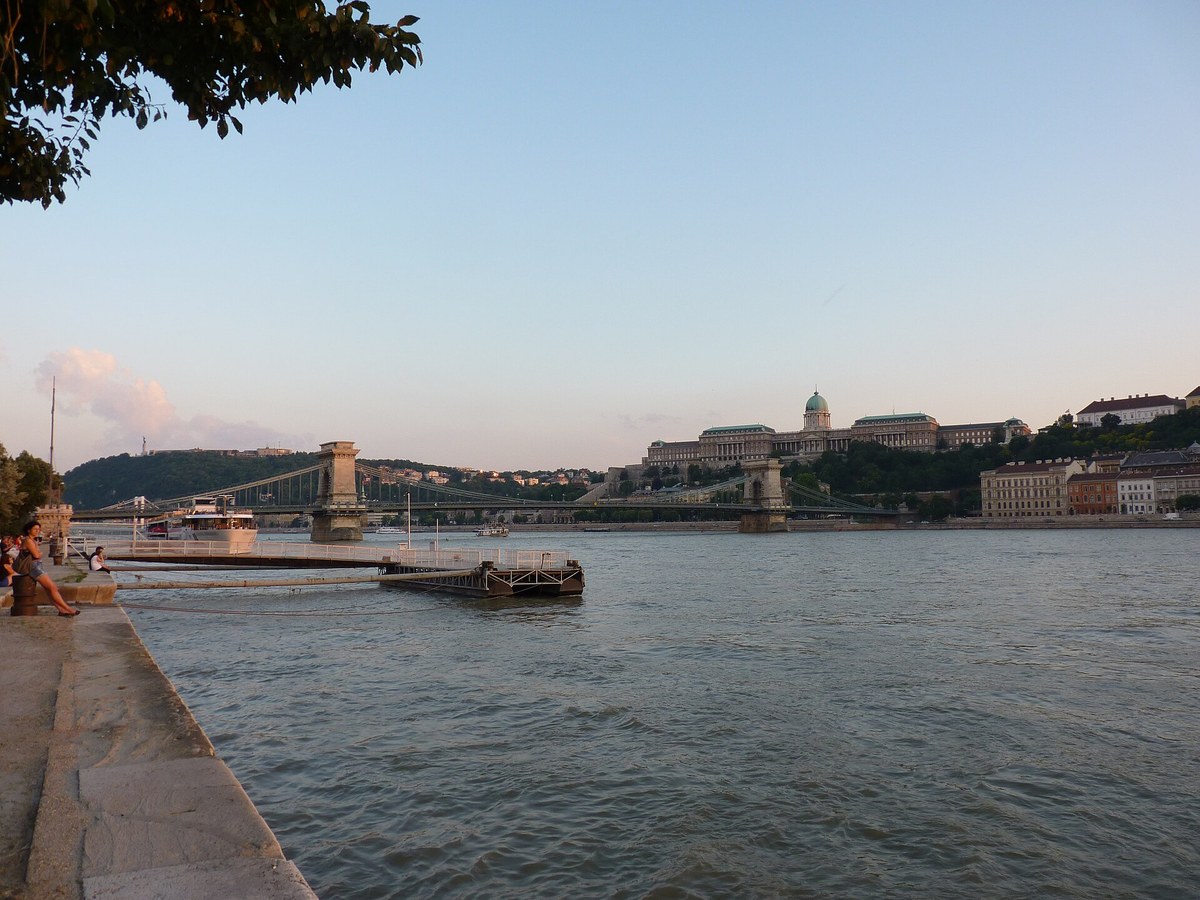
The Danube
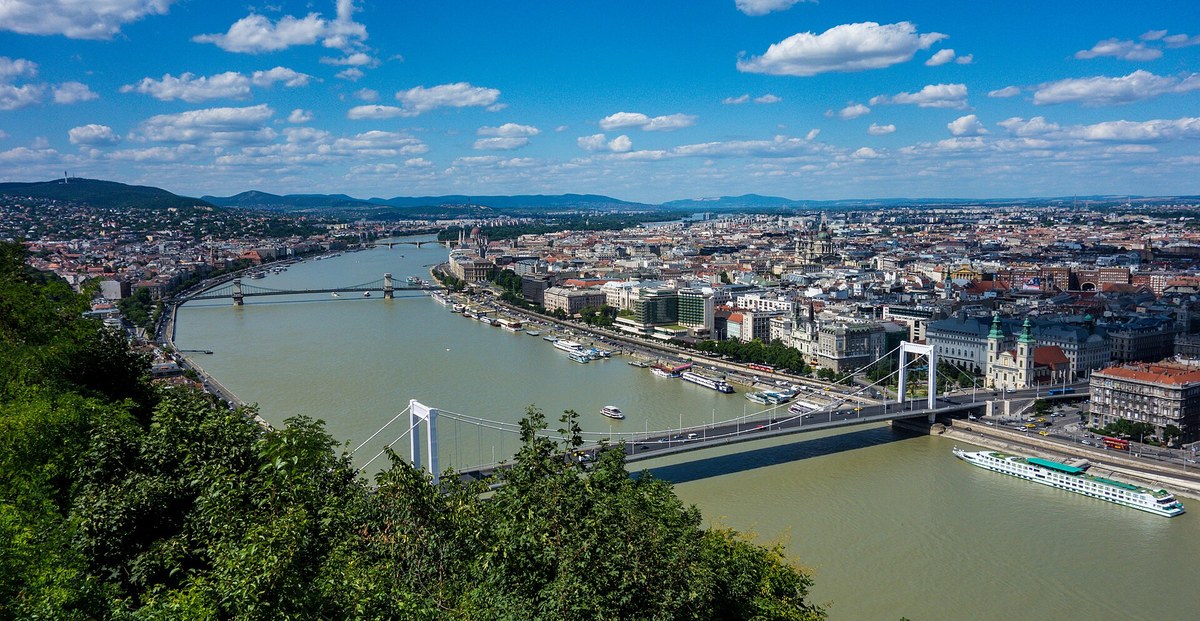
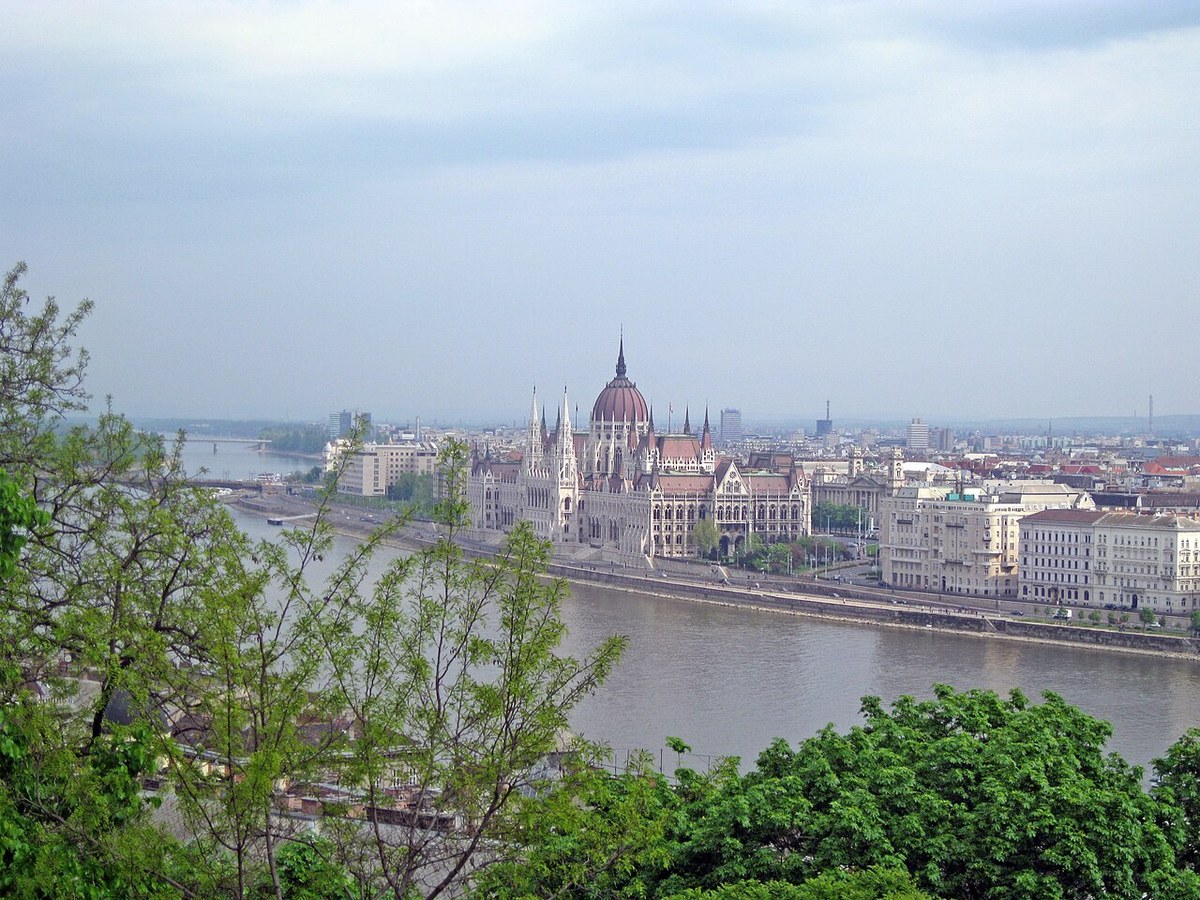
In the evening, I went for a walk to the Danube, hoping to take some photos and return to the hotel earlier, but I stayed much longer than planned. When the lights came on and the parliament building was reflected in the water, I stood on the embankment for a long time and watched the passing ships, forgetting even to check how many steps I managed to walk in a day. I didn't pay a single forint for this walk, but I got one of the most intense impressions of the whole trip. It was then that I first realized that perhaps the best moments of a vacation don't necessarily require buying tickets, booking tables, and a pre-arranged schedule.
Day two. Where did I find a delicious lunch and not go broke
On the second day, I decided to start with local food, because getting to know the country through the cuisine seems to me much more pleasant than getting to know it exclusively through museum plaques. Before the trip, I saw enough photos of beautiful restaurants and mentally prepared for the fact that every meal would cost a decent amount, especially if you choose places near popular attractions. However, it quickly became clear that for a delicious lunch you don't have to look for a restaurant with white tablecloths, a waiter in a vest and a menu that looks like a small financial statement. I started looking into small cafes and bakeries, looking at prices before ordering, and paying attention to the places where the townspeople themselves dine.
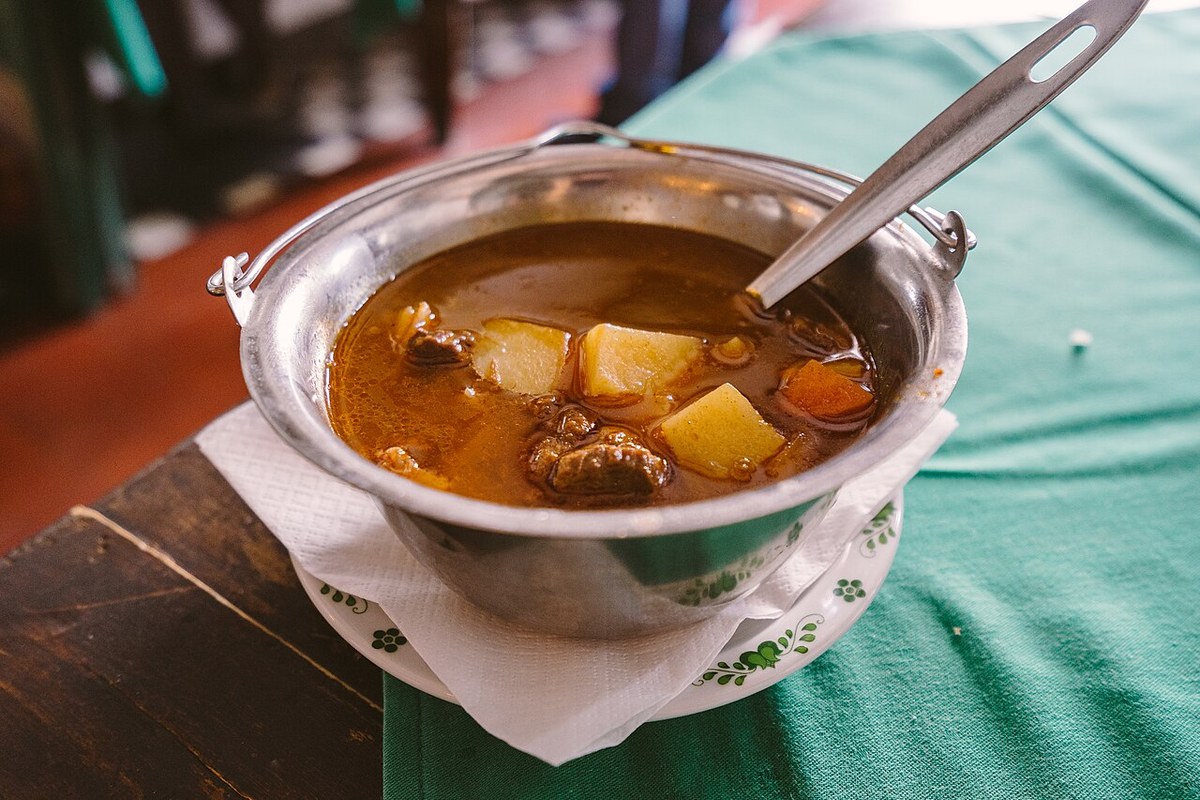
Bograchgulyash
One day, I ordered goulash, which I had wanted to try for a long time, and watched with interest as a plate of hot soup with a rich paprika flavor appeared in front of me. The dish is called Bograchgulyash, another name sounds like Bograch. The thick meat soup with vegetables and paprika turned out to be satisfying, and the portion was such that after lunch I wanted not to continue the excursion program, but to sit for a while and think about the meaning of life, preferably in a horizontal position. I paid less for lunch than I expected, and realized that I could get to know the national cuisine without having to choose the most expensive restaurant every time. However, I did not completely abandon restaurants, because one good dinner in a pleasant place can also become an important part of the trip, especially if you understand in advance what you are going there for.
Breakfast turned out to be a separate story, too, because at home I used to eat pretty quickly, and on vacation I suddenly found that I could spend half an hour on coffee and fresh pastries, watching passersby. Sometimes I bought breakfast at a small bakery, sometimes I chose a cafe, and some days I just bought groceries at the store and ate before going out if I was going to walk a lot. I didn't try to repeat the same scenario every day, but chose what suited my mood and plans. As a result, my food expenses were more moderate, but I didn't feel like I was giving up my pleasures for the sake of saving money.
Day three. Thermal baths and my struggle with the towel
Of course, I couldn't come to Budapest without visiting the thermal baths, because this part of the trip seemed particularly attractive to me. I looked at the ticket prices in advance and realized that visiting the famous baths of Sechenia could not be called free entertainment, so I decided to allocate a separate amount for it, rather than trying to fit everything into the rest of the budget at the last moment. According to the official price list for 2026, a regular adult ticket with locker access costs 13,200 HUF on a weekday, and 14,800 HUF on Fridays and weekends; the specific price depends on the date and the selected ticket. I chose a convenient day, prepared everything I needed in advance, and promised myself that for at least a few hours I would not think about money, routes, or how many other attractions I could see.
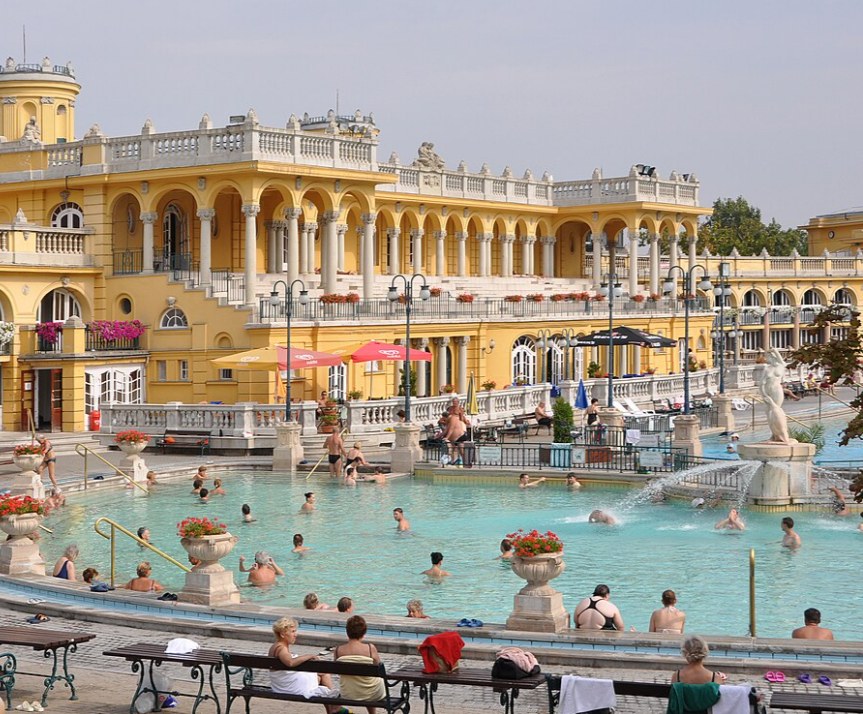
Sechenyi Swimming Pool
In practice, it all started with the fact that I spent a long time trying to figure out where I put the towel, even though I had carefully put it in my bag just ten minutes ago. Then I found that I spent more time studying the signs and finding the right entrance than preparing for the rest itself, and at some point I seriously wondered why a regular trip to the baths required so much organizational skills from me. But as soon as I was in warm water and looked at the beautiful architecture around me, all these little troubles stopped mattering. I spent a few hours there, relaxed, and for the first time in a long time felt like I was really relaxing, rather than trying to make the most of every day of my vacation.
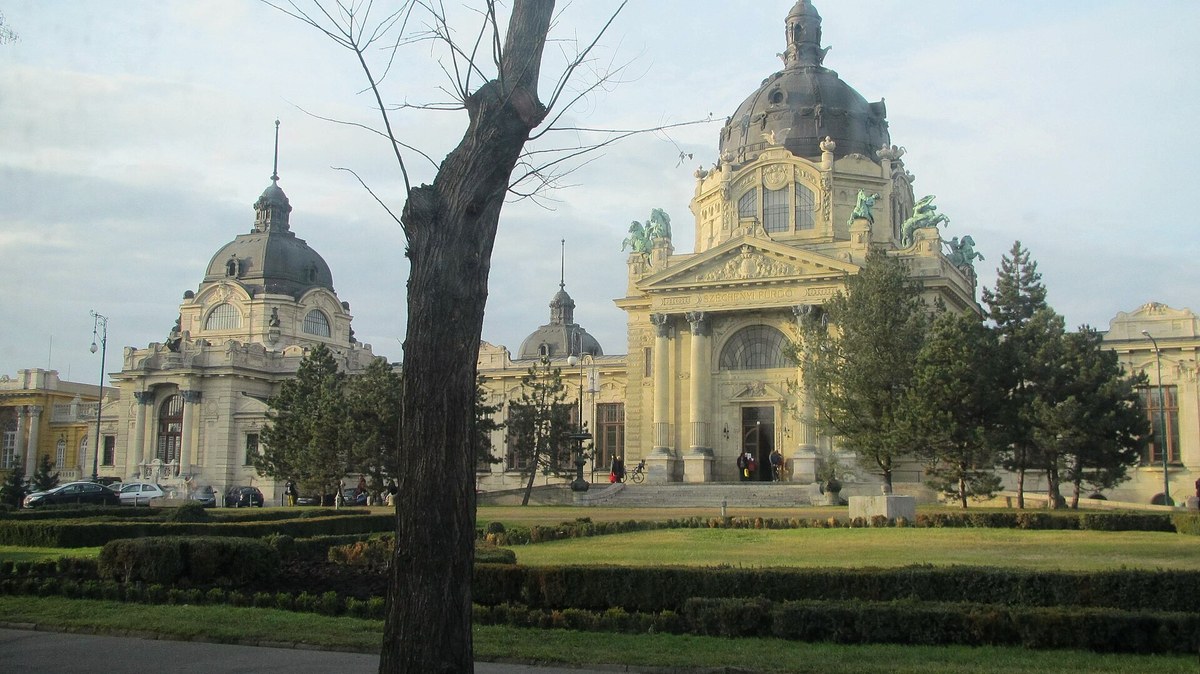
City Park
After visiting Budapest's largest sauna complex, I went for a walk in the city park and did not add a few more paid events to the schedule just because the evening turned out to be free. I bought myself a drink, sat on a bench for a while, and watched people walking with their children, playing sports, or just relaxing after a day at work. That evening, I realized that sometimes one really pleasant event is enough to make a successful day, and it's not necessary to supplement it with three more ticket purchases. The money that I did not spend on additional entertainment remained in the budget, and the impressions of the baths did not disappear anywhere.
Day four. When I stopped buying everything
By the fourth day, I had already settled into the city and noticed that I began to feel much more relaxed about the tourist offers, which previously made me want to immediately get a bank card. Souvenir shops, excursions, boat trips and various offers that promised to make the trip unforgettable were constantly found near popular attractions. I don't think it's not worth the money, but I realized that buying every service just for fear of missing something is a pretty questionable strategy. If I really wanted to go on an excursion or a river trip, I compared the options and chose the right one, and if the offer did not arouse much interest, I calmly passed by.
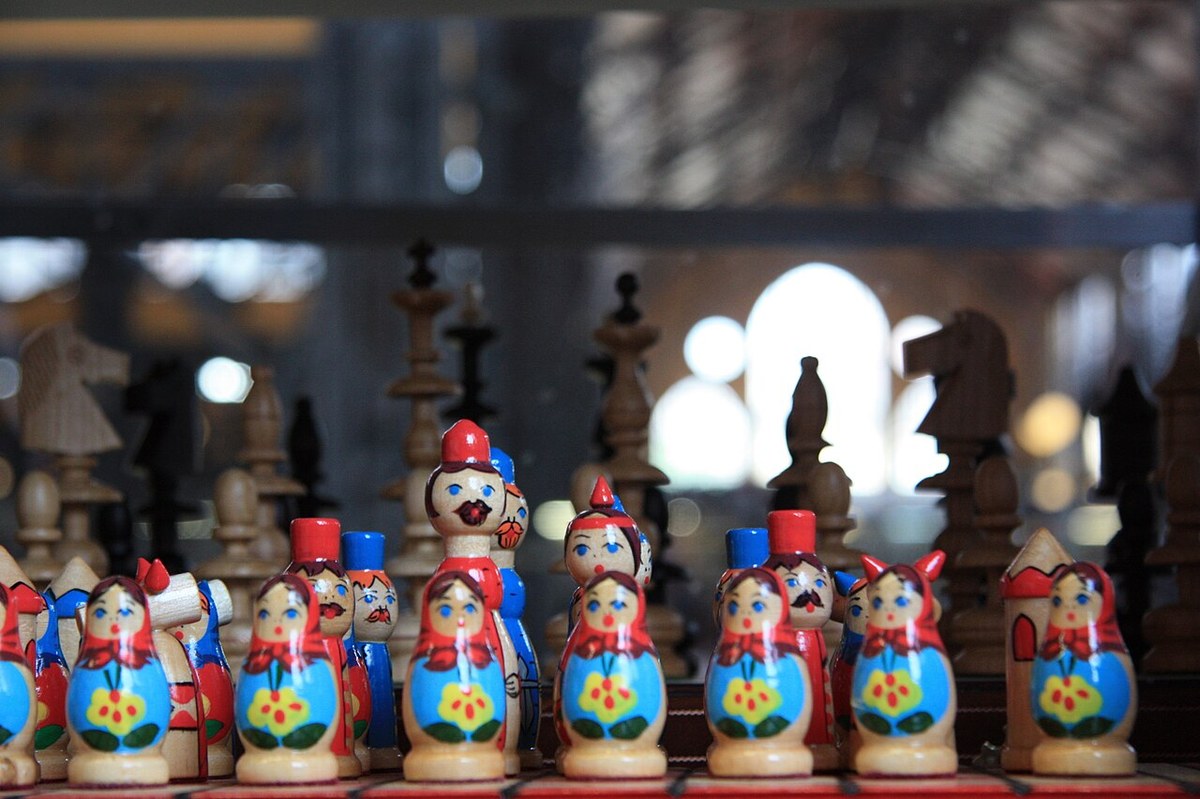
One day, I did go into a souvenir shop, intending to buy a small gift home, and after a few minutes I found in my hands a magnet, a postcard, a keychain, and some kind of wooden figurine, the purpose of which I could not explain even under threat of losing my tourist status. I was about to pay when I wondered if I really needed all this, and in the end I left only one souvenir that I really liked. It may look like a small thing from the outside, but it is from such small decisions that reasonable savings are made. I stopped buying things solely because I was on vacation, and started choosing things that I really wanted to keep as a keepsake.
On this day, I also walked a lot along the old streets, entered the courtyards, looked at the facades and looked for places where I could just sit and relax. Sometimes I stopped by a beautiful building and read information about it on my phone, sometimes I just watched the city life without trying to turn every minute into a guided tour. At some point, I realized that I hadn't checked my expenses for a long time and hadn't even thought about the initial fear of spending too much. I knew that the main purchases had already been made, that the accommodation had been paid for, and that I had enough stock for the remaining days, so I could afford to enjoy the trip without a constant internal accounting report.
Day five. How much did I really spend
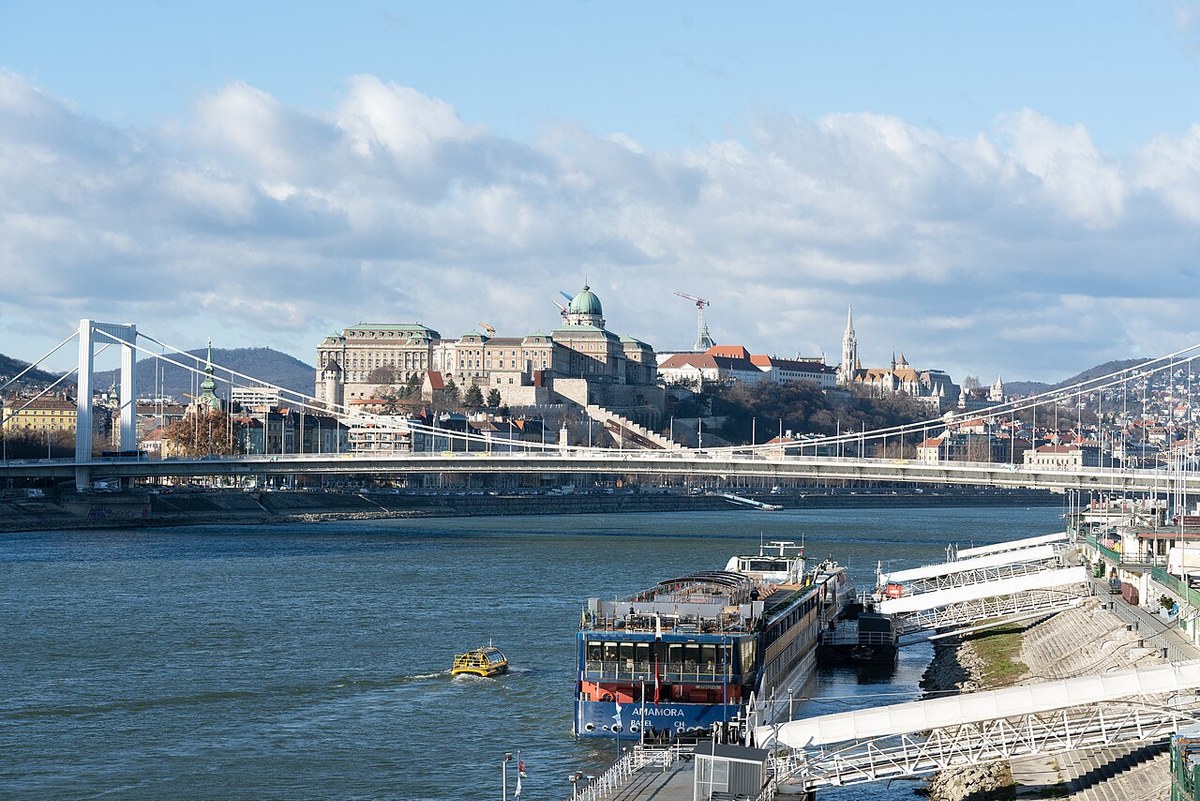
I decided to spend my last morning in Budapest without haste, because I already realized that trying to accommodate in the remaining hours all the sights that I had not yet seen would only spoil the impression of the trip. I had breakfast, walked along the familiar streets, looked at the Danube once more, and on the way to the hotel I bought a small souvenir that I really wanted to bring home. For the first time on the entire trip, I didn't try to mentally count every expense and didn't worry that I might have spent less somewhere. I was pleased to realize that in five days I managed to see the city, taste the local cuisine, visit the baths and at the same time did not turn my vacation into a constant competition with my own budget.
When I opened the banking application in the evening and compiled the expenses into one table, it turned out that the trip cost me less than I expected. It is important to make a reservation: below is the approximate budget of one traveler for five days, and not the universal cost of a trip for any tourist. I conditionally set moderate expenses for housing, food and transport, and I consider the cost of the flight separately, since it strongly depends on the city of departure, the season and how much tickets are purchased in advance.
Expenses for 5 days: accommodation for 4 nights – 120 euros, food and drinks – 100 euros, public transport – 18 euros, ticket to the thermal baths – 35 euros, other entertainment and museums – 25 euros, coffee, souvenirs and small purchases – 22 euros. In total, the trip cost 320 euros without a flight.
These amounts are my conditional scenario for the article, and not the confirmed average fare for the city: the real budget may turn out to be noticeably higher or lower depending on the season, the chosen accommodation and the habits of the traveler. In particular, the cost of bathing and transportation should be checked on official websites before traveling, and it is better to count accommodation and flights on specific dates. It was important for me to show the principle itself: you can determine the main expenses in advance, not overpay for unnecessary services and still afford interesting experiences.
If I had chosen a more expensive hotel in the center, dined daily in tourist restaurants and bought excursions without comparing prices, the total amount could have increased quite significantly. But I wasn't trying to save on everything, I was just more attentive to my choices and didn't pay for things that weren't particularly valuable to me. The most pleasant discovery was not even the fact that the money was left in the account, but the fact that I never felt deprived. At the end of the trip, I didn't want to return home and immediately start saving on everything, but to plan my next trip, because now I knew that a good vacation might well be more affordable than it seemed at the preparation stage.
What I realized after this trip
Previously, it seemed to me that an economical trip necessarily requires constant restrictions, endless price comparisons and a willingness to give up everything that is not on the list of the most necessary expenses. In Budapest, I realized that reasonable savings work differently: it helps you choose what is really important and not spend money on things that you buy out of habit or under the influence of beautiful advertising. I'm still willing to pay for an interesting tour, a good dinner, or a visit to the famous baths, if that's what I want from the trip. But I no longer believe that for a full-fledged vacation it is necessary to buy tickets every day, order expensive food and return to the hotel with a dozen souvenirs.
The most important thing that I learned from these five days was the opportunity to travel with pleasure and at the same time not go beyond a reasonable budget. Sometimes it's enough to figure out transportation in advance, choose a place with a convenient location, pay attention to small cafes and leave time in the schedule for free walks. It's also useful to remember that not every recommendation from the Internet is right for you, even if its author assures you that without this place, the trip is considered a failure. After all, travel is not a competition in which the winner is the one who has visited the most attractions and spent the most money.
Now, when I think back to Budapest, I don't think about how many times I managed to refuse an extra purchase, but about the evening Danube, hot goulash, warm bathing water and walks along the streets, where I quite accidentally found something interesting. I came to Hungary prepared in advance for big expenses, and returned home with pleasant memories and the realization that I spent less than I expected, without depriving myself of the main thing. And if I used to think that a good vacation must necessarily be expensive, now I feel much more relaxed about it. After all, when traveling, it's not how much money you left in a strange city that matters, but what mood you returned home with and how many stories you brought with you.

Comments