Budapest's famous thermal baths
Széchenyi Thermal Bath is one of Europe's best-known large thermal bathing complexes. It stands in Városliget, Budapest's City Park, and attracts visitors with historic architecture, outdoor pools filled with hot mineral water and Hungary's long bathing tradition. Its yellow façades, decorative columns, sculptures and domes give the complex a palace-like appearance. On cool days, steam rising above the outdoor pools creates a particularly memorable scene.
History
The story began with the search for thermal water beneath the park. In 1868, mining engineer Vilmos Zsigmondy began drilling an artesian well, and hot water was reached at considerable depth in 1878. An early bathing facility opened soon afterwards, but it could not accommodate the growing number of visitors.
Construction of the present complex began in 1909 to designs by architect Győző Czigler. The baths opened on 13 June 1913 and were named after István Széchenyi, a Hungarian statesman and reformer. In 1927, the complex was enlarged with additional facilities and outdoor pools. Later renovations modernised its services while preserving its historic character.
Architecture
The monumental building combines historicist design with Neo-Baroque and Neo-Renaissance features. Symmetrical façades, arches, columns, domed spaces and decorative sculptures create a ceremonial atmosphere. Inside, ornamental details and large windows contribute to the sense of grandeur. The baths are therefore both a place to relax and an architectural landmark reflecting Budapest in the early twentieth century.
Thermal water and pools
The water comes from deep thermal sources and contains minerals including calcium, magnesium, bicarbonates, sulphates and fluorides. The complex includes indoor and outdoor pools, saunas and steam rooms. Water temperatures vary between pools, so visitors should check current information and bathing rules before entering.
The outdoor pools are the signature feature of Széchenyi. In winter, warm water contrasts with the cold air and creates clouds of steam. Visitors relax, talk and sometimes play chess beside the water, a scene closely associated with Budapest. Thermal bathing may not be suitable for everyone, so people with chronic health conditions should follow medical advice and the facility's rules.
What to see
The large outdoor pools framed by yellow façades are the most recognisable sight. Inside are additional pools and relaxation areas, while extra services can include saunas, steam rooms and spa treatments. Availability may vary because of seasonal schedules or maintenance.
Visiting throughout the year
The baths welcome visitors year-round. Summer visits can be combined with a walk through City Park, while winter bathing is memorable for the steam rising into the cold air. Weekends and holidays can be busy, so it is sensible to check tickets and entry conditions in advance. Visitors need swimwear; towel provision and other services should be checked when booking.
How to get there
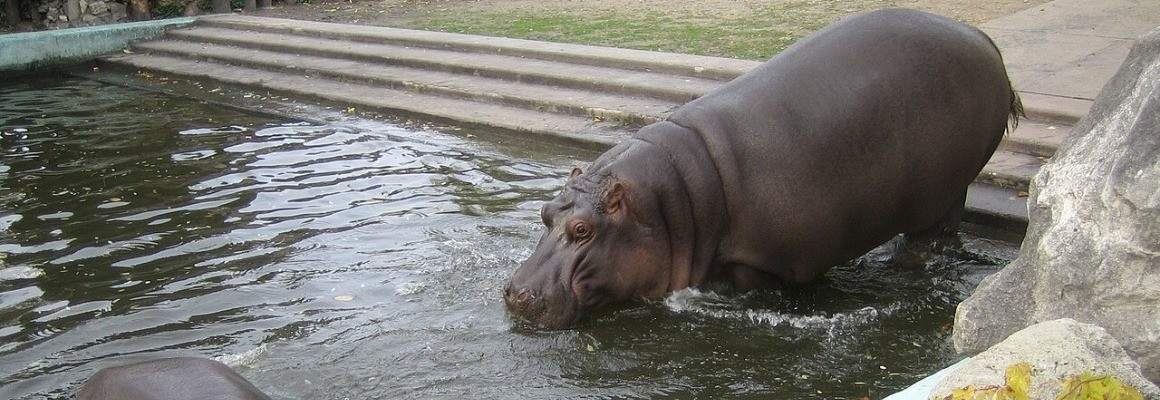
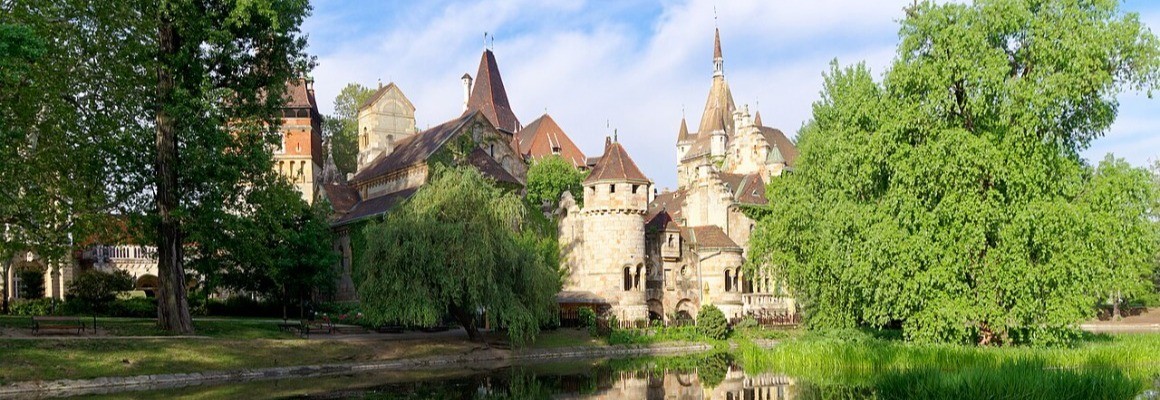
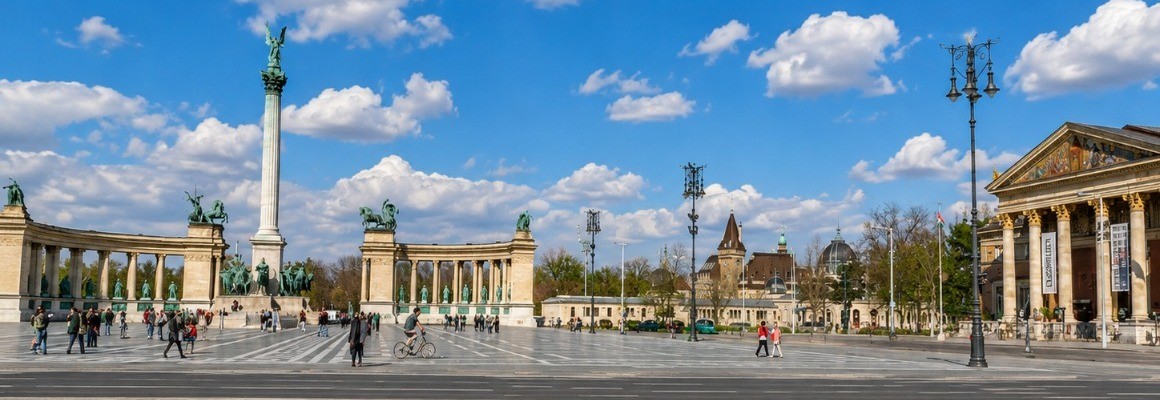
The address is Állatkerti körút 9-11 in Városliget. The easiest public transport option is metro line M1 to Széchenyi fürdő station. Heroes' Square, Budapest Zoo and Vajdahunyad Castle are nearby, making it easy to combine a visit to the baths with a walk around the park.
Why visit Széchenyi Thermal Bath
Széchenyi brings together Hungarian thermal bathing traditions, historic architecture and modern relaxation. It is more than a spa complex: it remains part of everyday Budapest culture. Soaking in mineral-rich hot water surrounded by monumental architecture is one of the city's most distinctive visitor experiences.
Gallery