Aggtelek National Park lies in northeastern Hungary, close to the border with Slovakia. It is one of Central Europe's most remarkable natural areas, known for limestone hills, green valleys, karst landforms and an extensive network of underground caves. The park's greatest treasure is hidden below the surface: chambers and passages shaped over millions of years by water dissolving limestone.
The Caves of the Aggtelek Karst
The region is best known for the caves of the Aggtelek Karst and Slovak Karst, inscribed on the UNESCO World Heritage List in 1995. More than a thousand caves are now known in this area, varying in size, shape and geological structure. Their diversity helps scientists investigate landscape development and climatic changes over millions of years.
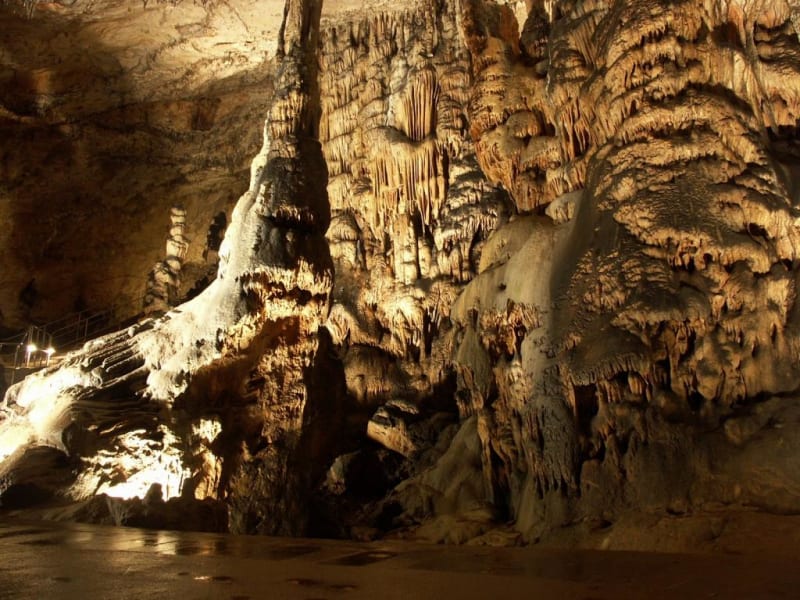
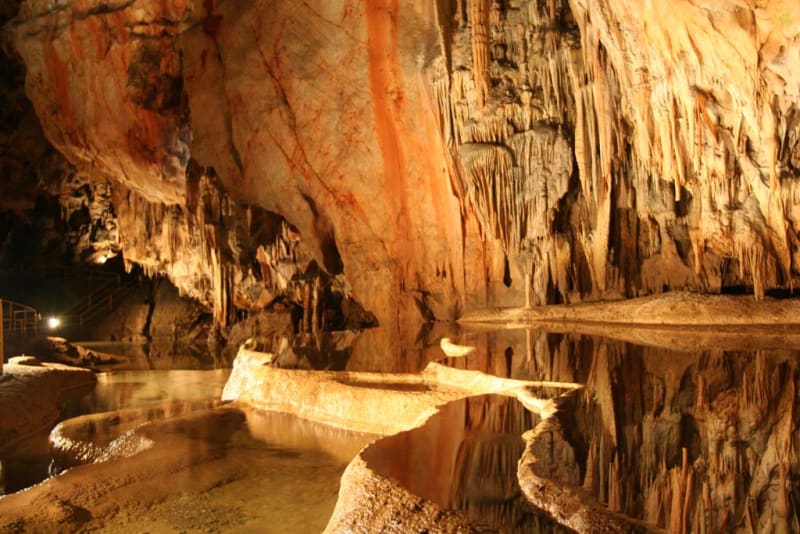
Underground spaces are decorated with stalactites, stalagmites, stone columns and unusual limestone formations. Some resemble animals, people or characters from fairy tales. Water continues to shape these structures very slowly, making the caves living natural systems that are still evolving.
Baradla Cave
The park's main attraction is Baradla Cave, one of Hungary's best-known and longest cave systems. Its spacious chambers, high ceilings and varied mineral formations impress even visitors with little previous interest in speleology. Archaeological discoveries show that people visited the cave thousands of years ago.
Guided tours follow equipped routes through the cave. Visitors can see large underground chambers, stalactites, stalagmites and unusual mineral formations. One chamber is used for musical events because of its natural acoustics. The cave remains cool even in summer, so warm clothing and comfortable shoes are recommended.
Nature and Landscapes
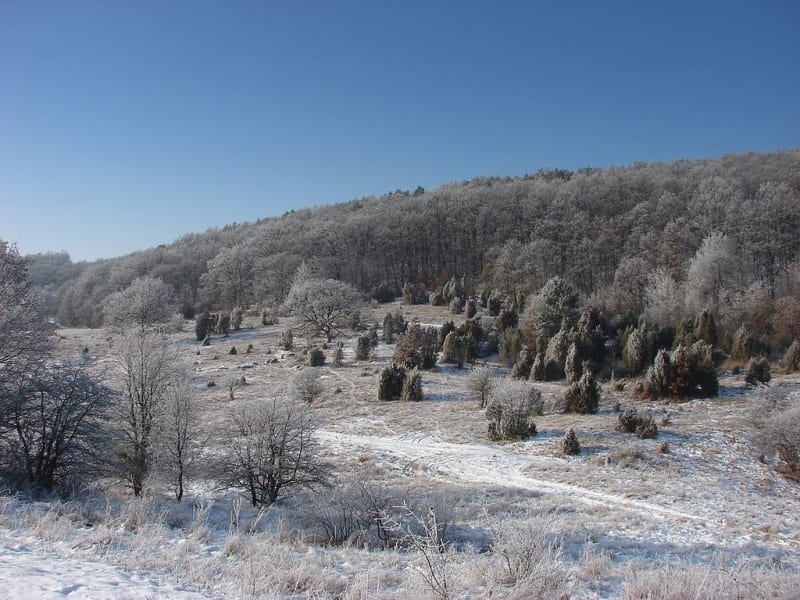
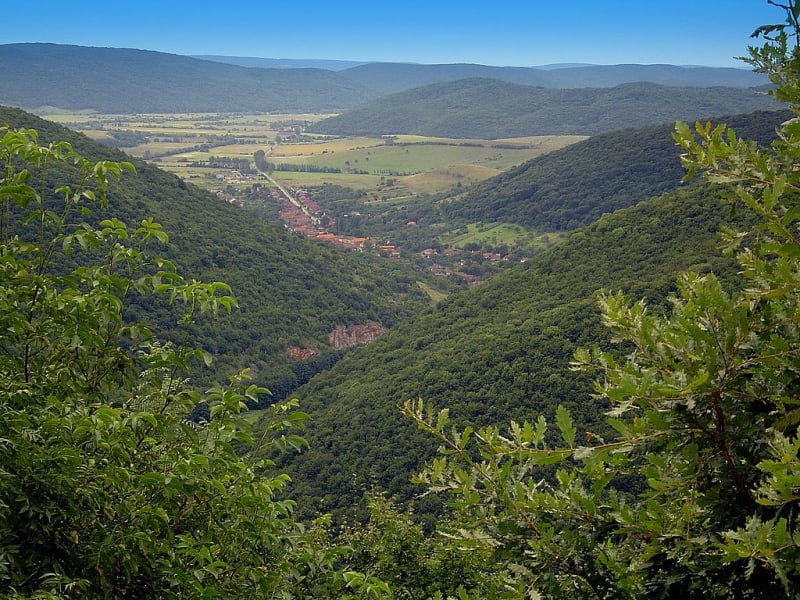
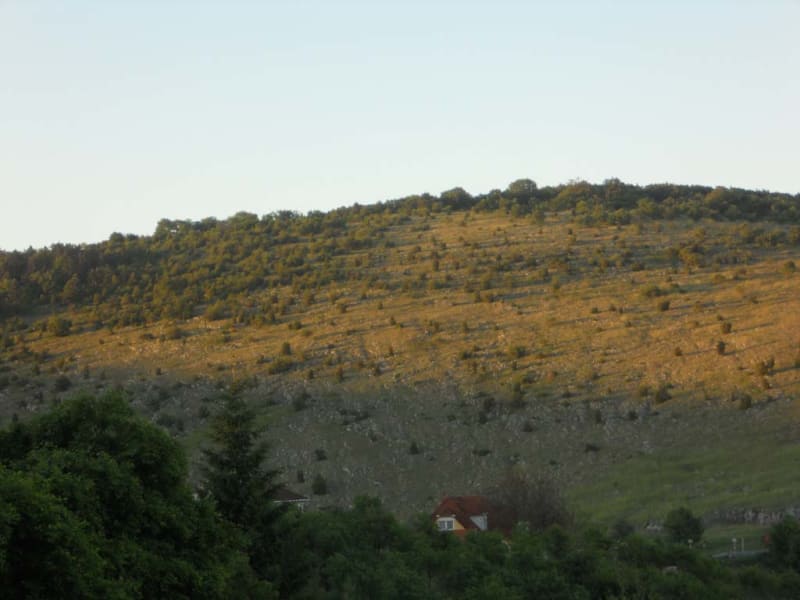
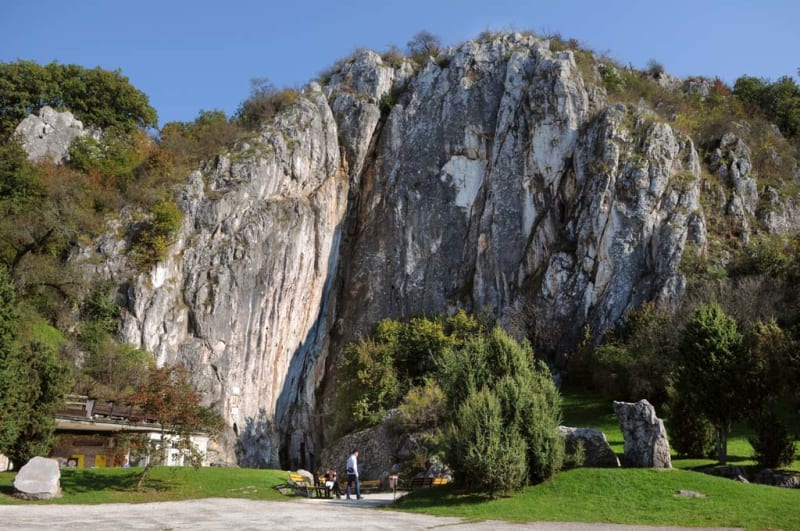
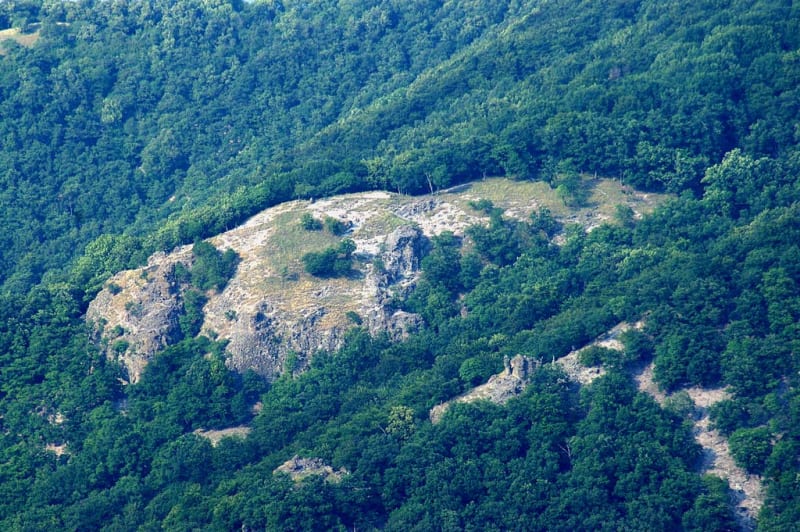
Although the underground world is Aggtelek's greatest treasure, the park's surface landscapes are also worth exploring. The area includes wooded hills, meadows, karst sinkholes, rocky outcrops and small streams. Forests and open spaces provide varied habitats for plants and animals. Cave ecosystems are especially important, supporting specialised invertebrates and bats.
The karst landscape developed as water gradually dissolved the limestone. Rainwater and groundwater created cracks, cavities and extensive underground channels. This makes the area valuable not only to visitors but also to geologists, biologists and researchers studying natural processes.
What to See in the National Park
A tour of Baradla Cave is the main highlight. Depending on the route, a visit may be relatively short or take longer. Walking trails around the park offer views of karst landforms and peaceful rural scenery. The villages of Aggtelek and Jósvafő are useful starting points, with visitor facilities and access to different guided routes.
Nature lovers can spend time observing the landscape and learning about the features of karst terrain. Visitors should remain on marked trails, take their rubbish with them and avoid touching fragile mineral formations inside the caves.
When to Visit
The national park can be visited in every season. Spring and summer are pleasant for walking through meadows and woodland, while autumn brings warm golden colours to the surrounding countryside. The caves are also appealing during hot weather because their interiors remain cool. Before travelling, check tour schedules and access conditions for the cave you plan to visit.
How to Get to Aggtelek National Park
The park is located in northeastern Hungary. Travelling by car from larger towns in the region is often the most convenient option; check the route to Aggtelek or Jósvafő before setting off. Public transport may also be available, but connections and timetables should be planned in advance. For cave visits, confirm the meeting point and tour departure time before travelling.
Aggtelek National Park is a place where the power of natural processes is especially clear. Underground halls shaped by water and time lie alongside quiet forests and rolling hills. It is an excellent destination for anyone interested in unusual geological formations, Hungary's natural heritage and peaceful landscapes away from busy cities.
Gallery