An open-air museum of socialist monuments
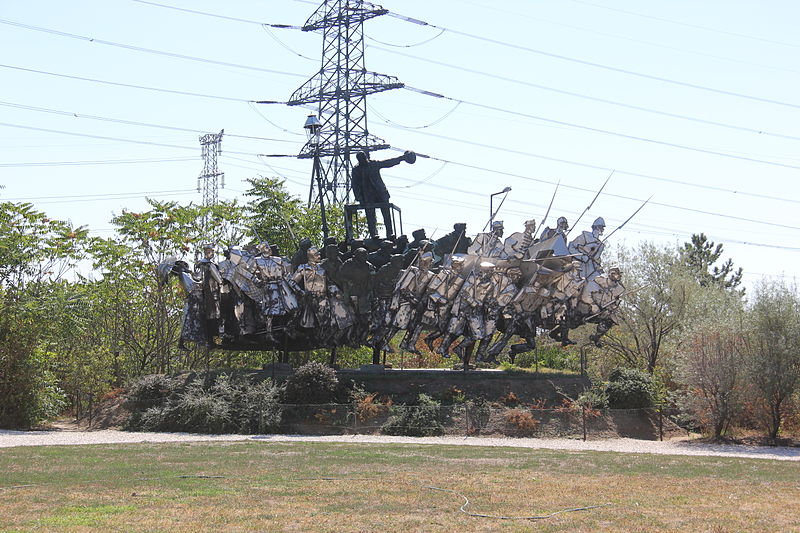
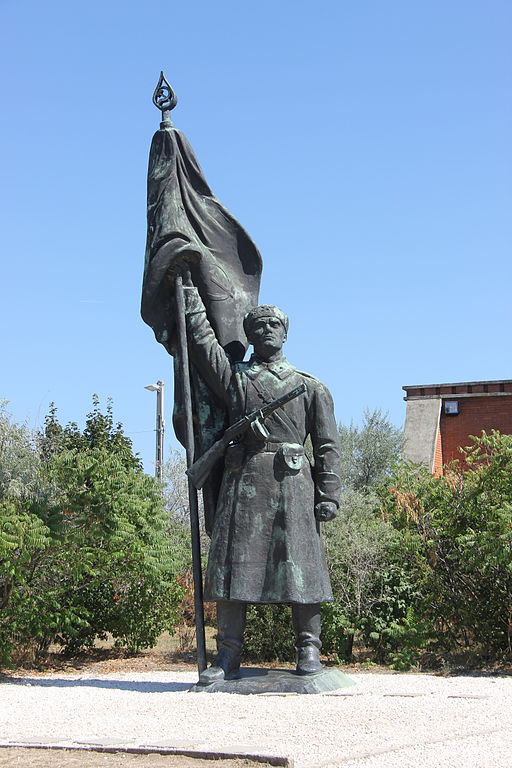
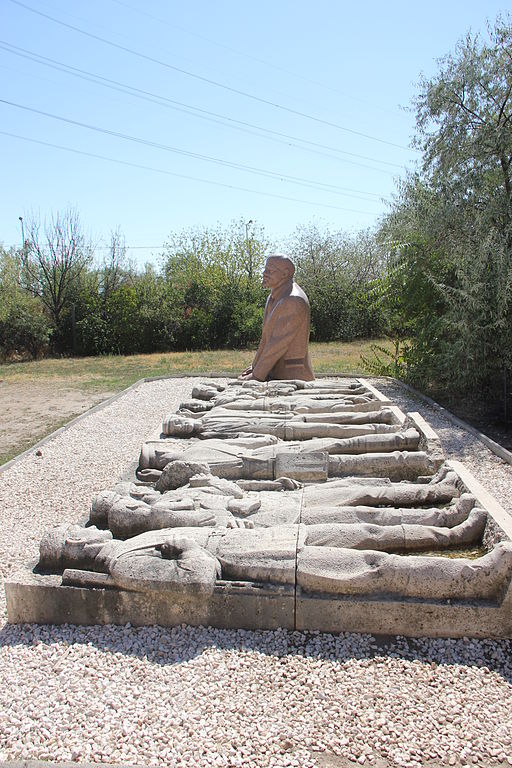
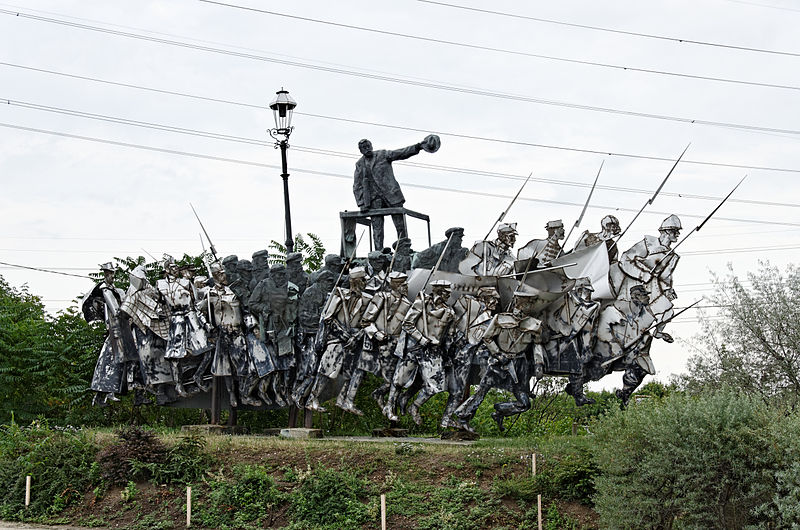
Memento Park, also known as Statue Park, is an unusual historical museum on the southwestern outskirts of Budapest, the capital of Hungary. It brings together monumental sculptures and memorials created during the communist period. Most of the collection is displayed outdoors along paths and within specially designed architectural spaces.
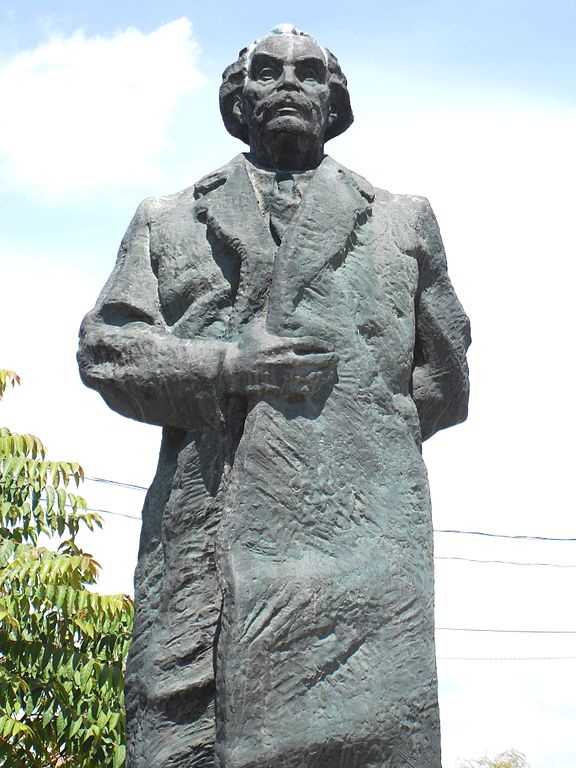
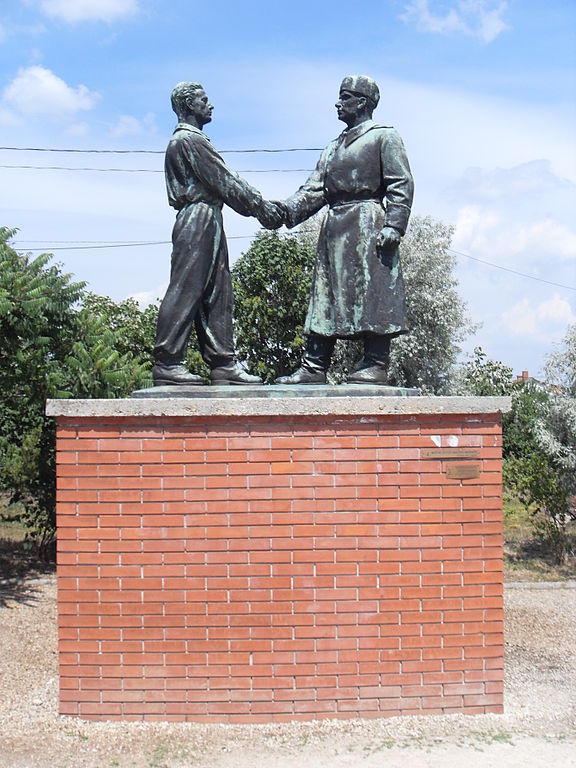
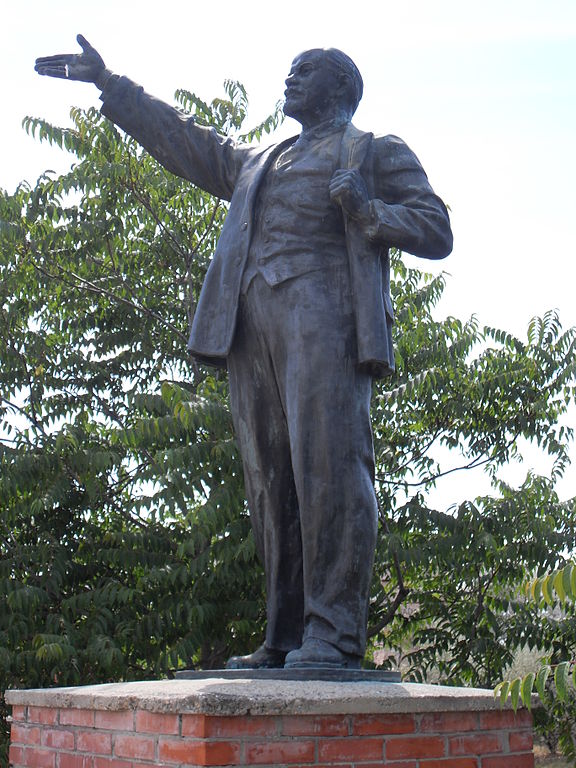
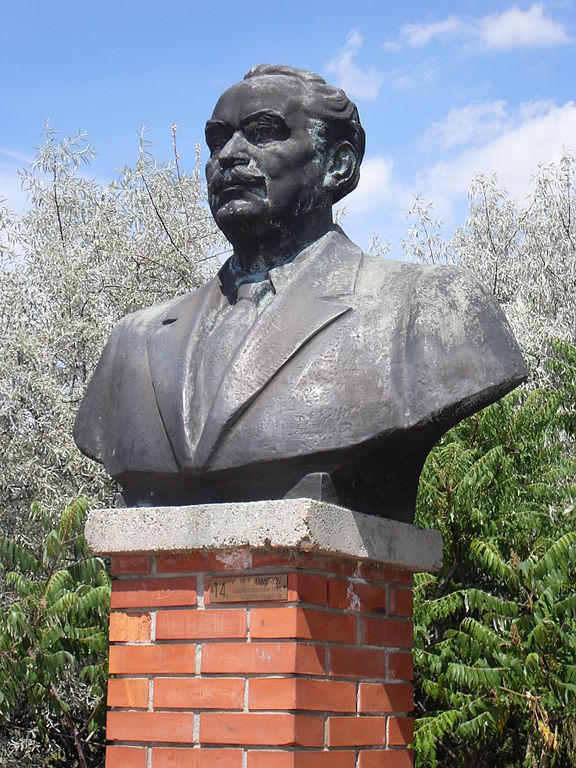
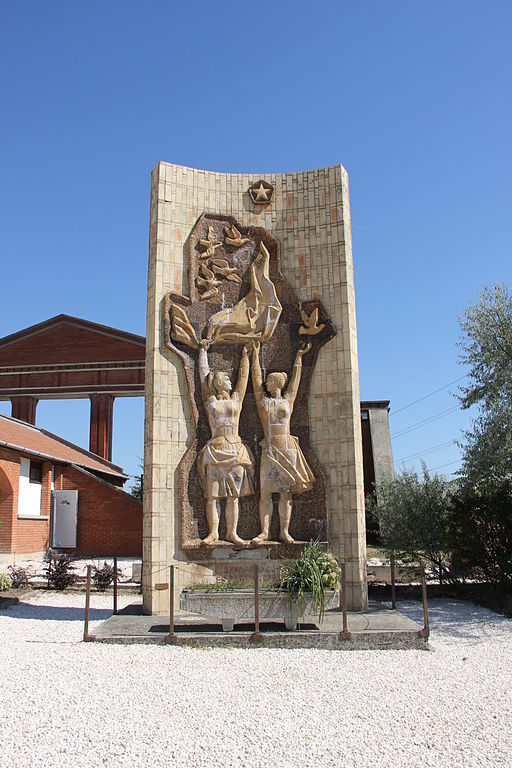
Visitors can see figures of Vladimir Lenin, Karl Marx and Friedrich Engels, monuments to Soviet soldiers, and allegorical compositions celebrating friendship between Hungary and the Soviet Union. These works once occupied prominent squares and streets as expressions of official ideology. Today, they offer material for examining history, political propaganda and social change in the twentieth century.
Why the park was created
After the Second World War, Hungary came under Soviet influence, and the Communist Party gradually established a one-party system. Over the following decades, thousands of monuments to communist leaders, Soviet military personnel and ideological symbols were erected across the country.
When communist regimes in Central and Eastern Europe collapsed in 1989-1990, Budapest faced a decision about the future of monuments associated with the former government. Some people wanted them destroyed, while others argued that they should be preserved as historical evidence. The city chose a museum approach and brought many of the sculptures together in one location.
Architect Ákos Eleőd developed the park's concept. Memento Park opened on 27 June 1993. Its purpose is neither to glorify the former regime nor simply to ridicule its monuments, but to show how monumental art served political power and how its meaning changes after a political transformation.
The statue collection
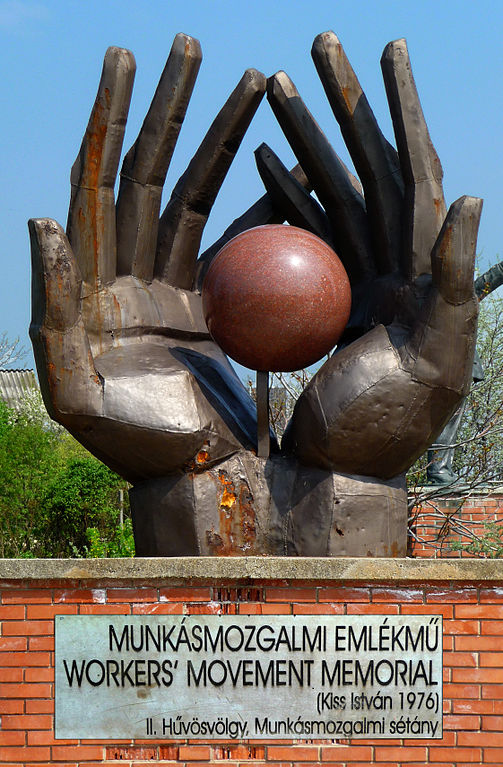
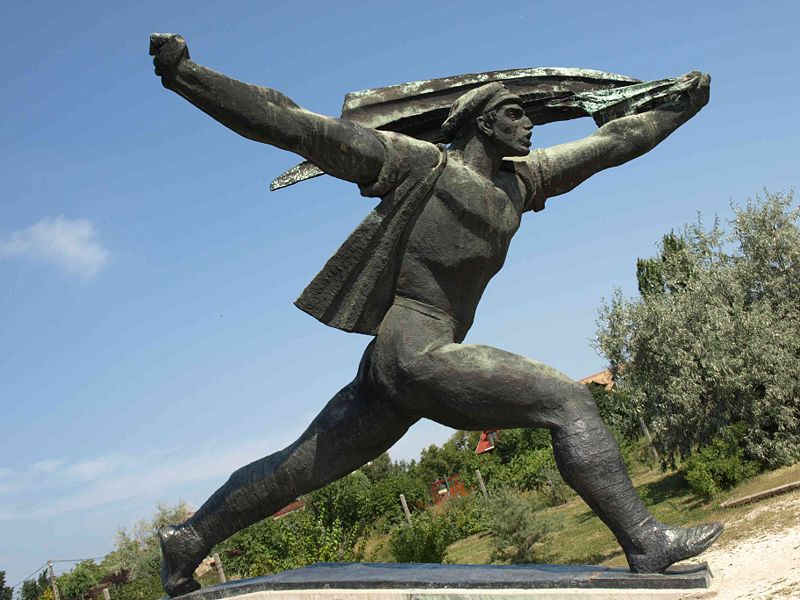
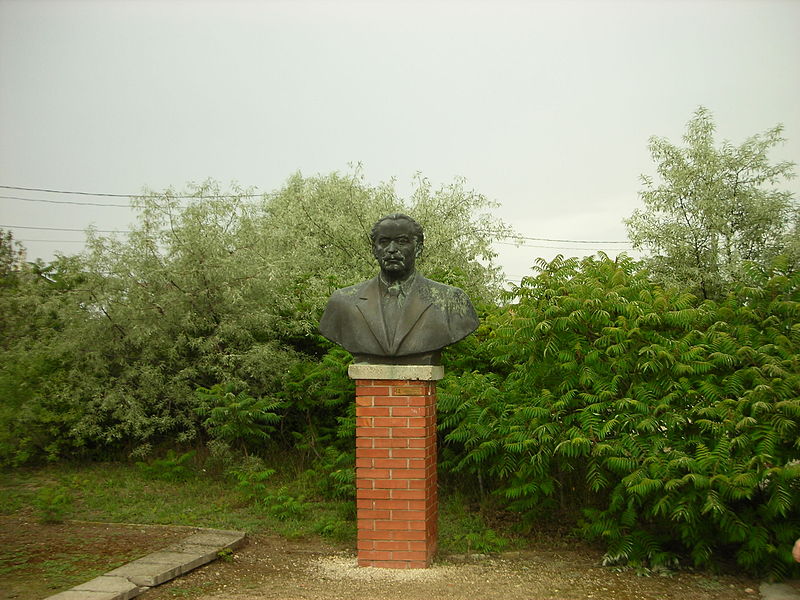
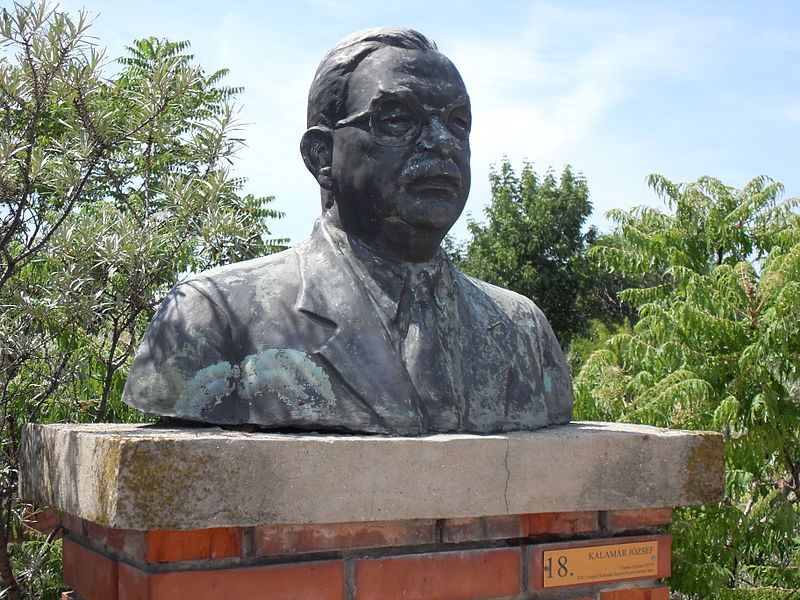
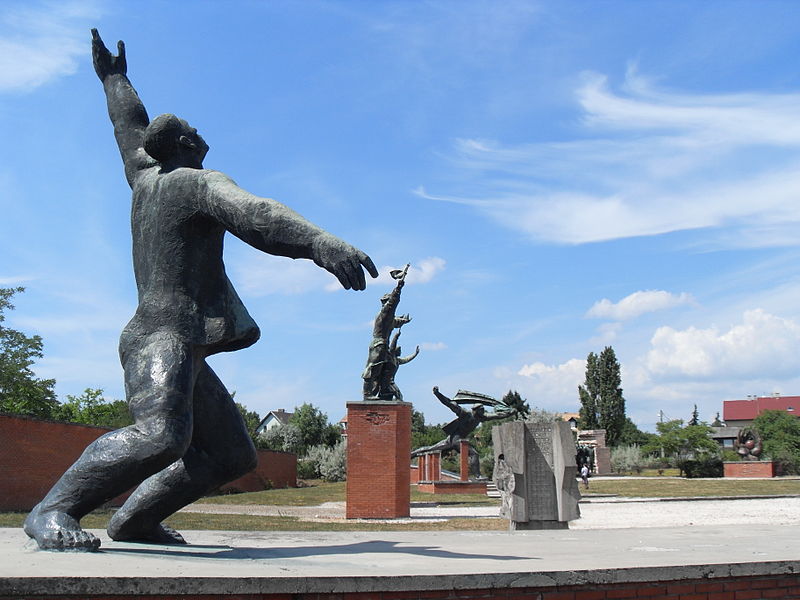
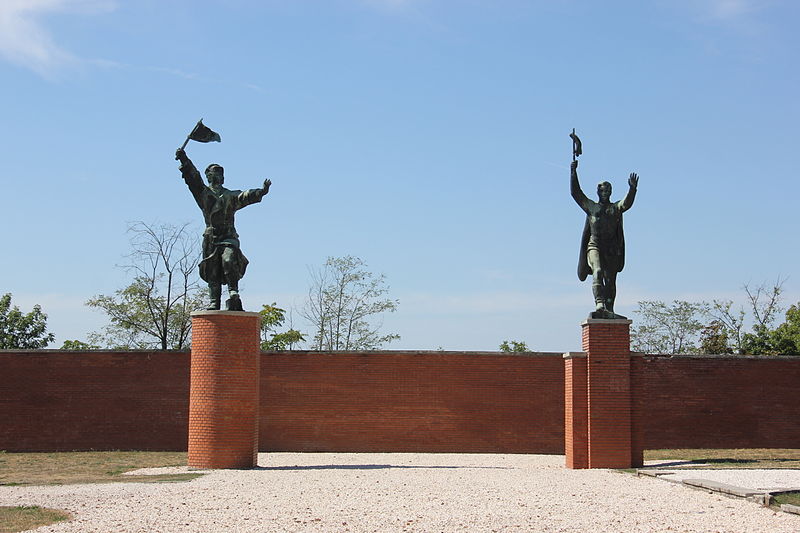
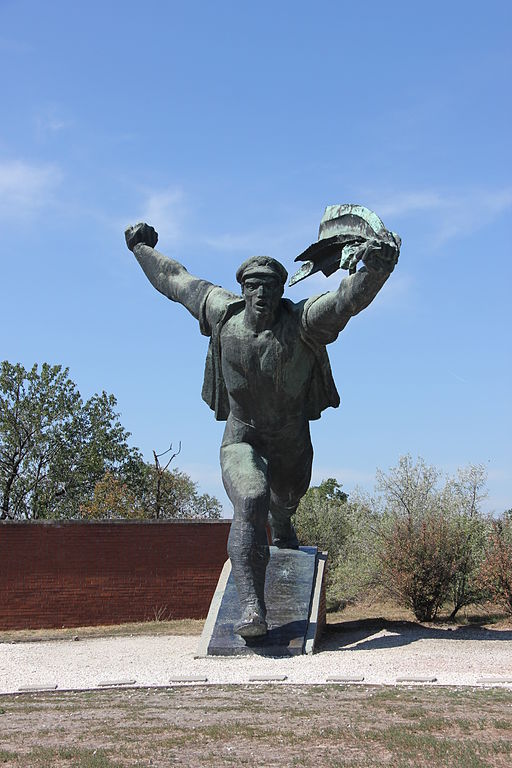
The main section, Statue Park, contains 41 works from the communist era, created between 1945 and 1989. The collection includes giant figures of political leaders, compositions featuring Soviet soldiers, monuments to the labour movement and allegorical memorials. Their scale, poses and ceremonial style reflect socialist realism and the attempt to portray the ruling system as powerful and historically inevitable.
In the museum setting, the statues no longer stand in their original civic surroundings or within the same political symbolism. They become historical evidence that encourages visitors to consider why they were made, whom they represent and how society responded to official images.
Stalin's Grandstand and the boots
One of the park's best-known features is a life-size reconstruction of Stalin's Grandstand. It once served as the pedestal for an eight-metre bronze statue of the Soviet leader at Budapest's parade ground. During state celebrations, party officials stood on the platform and greeted marching columns.
On 23 October 1956, during the Hungarian Revolution, protesters pulled down Stalin's statue. The bronze boots remained on the pedestal and became a powerful symbol of the uprising and the desire for freedom. The park includes a reconstruction of the grandstand and a display connected with the monument's history. Visitors can climb to the balcony and look across the grounds from the place once reserved for political leaders.
Exhibitions and film archive
Alongside the outdoor collection, Memento Park has exhibition spaces and a cinema known as Barrack Cinema. Displays explore the Hungarian Revolution of 1956, the collapse of the communist system in 1989-1990 and the resulting social changes. They help explain how attitudes towards government and official symbols evolved.
The cinema presents material connected with the former Ministry of Interior film studio, which produced films between 1958 and 1988. Some films were instructional productions about the work of the political secret police. Check the current schedule to find out which exhibitions and screenings are available during your visit.
The Trabant and everyday life
The park contains more than monumental statues. It also presents objects associated with everyday life in the socialist period. One recognisable exhibit is the Trabant car, a familiar symbol of life in the Eastern Bloc. Such objects broaden the story beyond political leaders, introducing aspects of transport, domestic life and the practical realities of the period.
Architecture and the museum's message
Brick walls, arches, paths and open spaces form a unified architectural setting. Rather than recreating the original locations of each monument, the design emphasises their transformation from instruments of state propaganda into museum objects.
The park's central theme is memory and the freedom to discuss the past. A monument that once represented official ideology can become an object of critical inquiry after a change of government. The opportunity to examine these symbols openly is itself a reminder of the difference between dictatorship and democratic culture.
How to get there
Memento Park is located at the corner of Balatoni út and Szabadkai utca in Budapest's District XXII. Public transport from the city centre usually involves metro line M4 to Kelenföld vasútállomás, followed by a bus to the Memento Park stop. Check current routes and timetables before travelling.
The site has uneven surfaces and is not fully accessible to visitors with limited mobility. Opening hours, tickets, guided tours and the availability of individual exhibitions can change, so consult the official website before your visit.
Why visit Memento Park
Memento Park offers a different perspective on Hungary's recent past. Monumental statues, the story of Stalin's boots, exhibitions and archival films show how art became part of political life and why public attitudes towards monuments change with society. It is especially interesting for visitors who enjoy twentieth-century history, architecture and the political culture of Central and Eastern Europe.
Gallery