The Hungarian Versailles
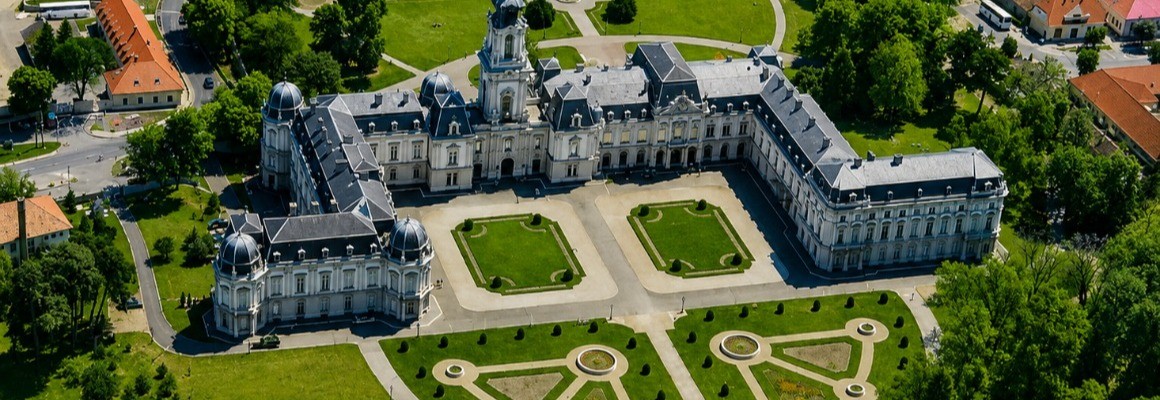
Esterházy Palace stands in Fertőd in northwestern Hungary, close to the Austrian border. It is one of the country's most remarkable palace ensembles, known for Baroque and Rococo architecture, ceremonial rooms, richly decorated interiors and a large historic park. Its scale and splendour have earned it the nickname the Hungarian Versailles.
The palace is associated with the influential Esterházy family, whose members played an important role in Hungary's political and cultural history for centuries. The residence reached its height under Prince Miklós Esterházy, known as the Magnificent. He aimed to create a court that could rival Europe's leading aristocratic residences.
History of construction
The story began in the first half of the eighteenth century. In the 1720s, Prince József Esterházy commissioned architect Anton Erhard Martinelli to build a hunting lodge here. The original building was modest compared with the palace that later developed on the site.
In the 1760s, Miklós Esterházy decided to transform the hunting lodge into a grand residence worthy of a European court. His travels, including visits to France, influenced the project. Construction continued for many years, and the estate gradually gained additional rooms, service buildings and cultural facilities.
During its golden age, Eszterháza became a notable centre of court culture in Central Europe. Lavish celebrations, receptions, theatrical performances and concerts were held here. Empress Maria Theresa visited the palace in 1773, reinforcing its reputation as a residence comparable to Europe's famous courts.
Palace architecture
The palace forms a symmetrical ensemble with a central building and side wings surrounding a ceremonial courtyard. Its architecture blends Baroque and Rococo features, including flowing lines, ornamental details, sculptural decoration, grand staircases and richly adorned rooms. The main palace contains around 126 rooms, including reception halls, ceremonial spaces and residential apartments.
Music and Joseph Haydn
The palace is closely associated with composer Joseph Haydn, whom Miklós Esterházy hired in 1761. Haydn led the musical ensemble, helped organise concerts and theatrical productions, and composed works for the court. A permanent orchestra and the prince's patronage made Eszterháza an important centre in the history of European classical music.
Theatre, opera and court celebrations
The estate included an opera house, a music house, a riding school and stables. The eighteenth-century opera house could accommodate hundreds of spectators but was later destroyed by fire. A marionette theatre also formed part of the court's entertainment. Celebrations brought together musicians, actors, artists, craftspeople and a large support staff.
The palace park and French garden
The historic grounds feature geometric avenues, long views and ornamental planting. The formal garden was laid out in the French style popular at European courts in the eighteenth century. Straight paths and symmetrical sections emphasised the palace's central axis. The park was altered over time as fashions and the owners' needs changed.
Decline and restoration
After Miklós Esterházy died in 1790, his heir Antal moved the family's permanent residence to Kismarton and reduced the court. Haydn's orchestra was disbanded, and the palace gradually lost its former importance. The Second World War caused serious damage. Restoration began in 1957, followed by later campaigns to conserve the building, interiors and grounds.
What to see
Visitors can explore the ceremonial courtyard, the central palace, ornate interiors and rooms connected with the estate's musical history. A walk through the park reveals the scale of the historic grounds and offers different views of the palace. Access to individual rooms, exhibitions and guided tours can vary, so check the official website before travelling.
How to get there
The palace is at Joseph Haydn utca 2 in Fertőd, near Lake Neusiedl and the Austrian border. It can be reached by car or public transport with connections from larger towns in the region. Check current routes and timetables before setting out.
Why visit Esterházy Palace
Esterházy Palace brings together Baroque and Rococo architecture, Hungarian aristocratic history, Joseph Haydn's musical legacy and historic garden design. Its story follows a private residence as it became a cultural centre of European importance, then declined and was restored. It is one of Hungary's most rewarding destinations for visitors interested in architecture, classical music and European history.
Gallery