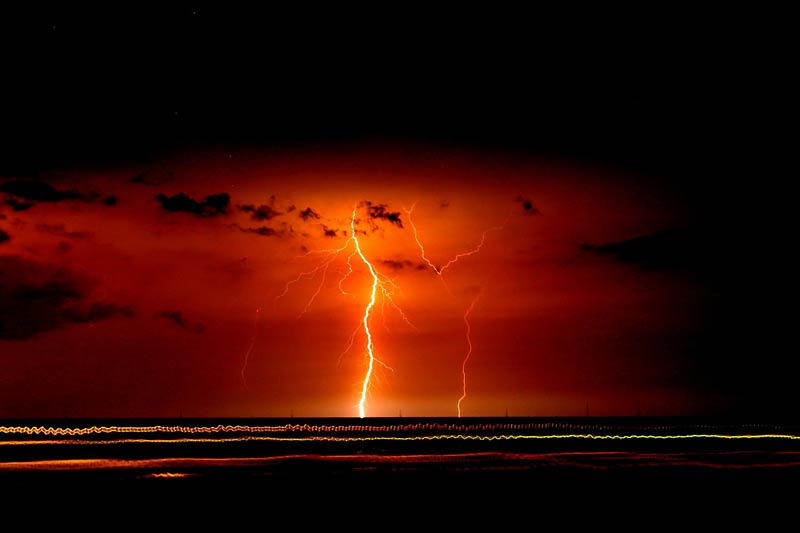
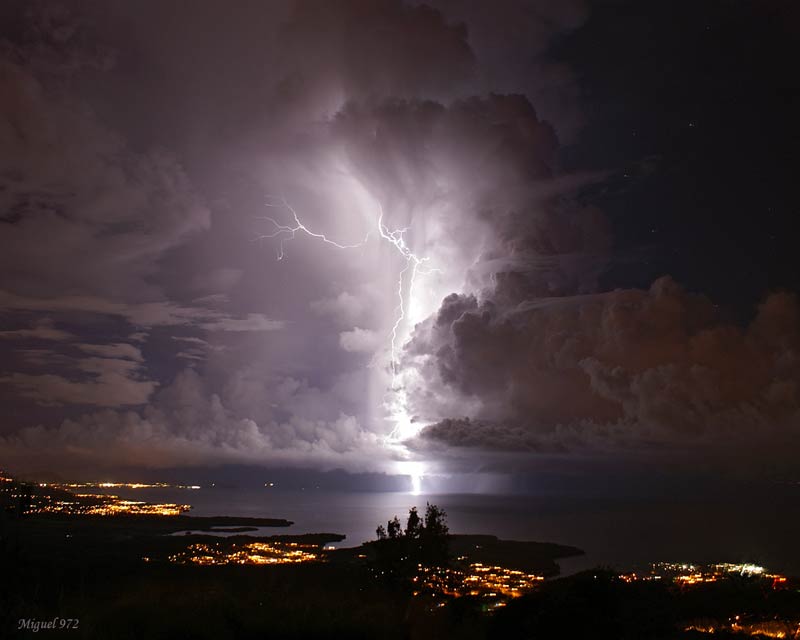
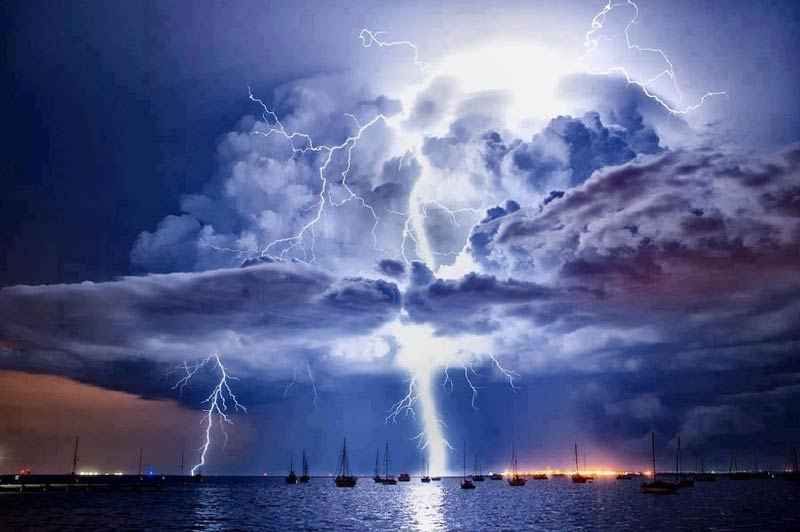
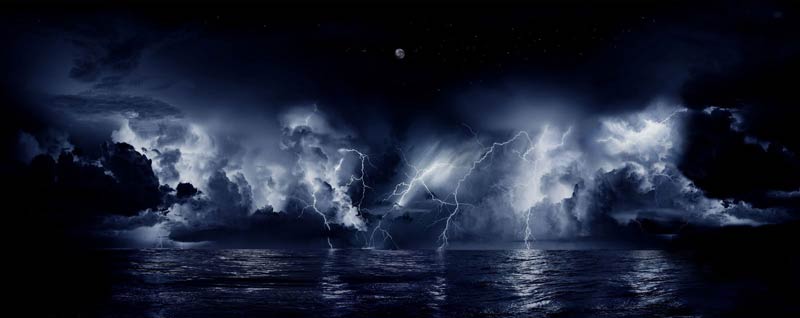
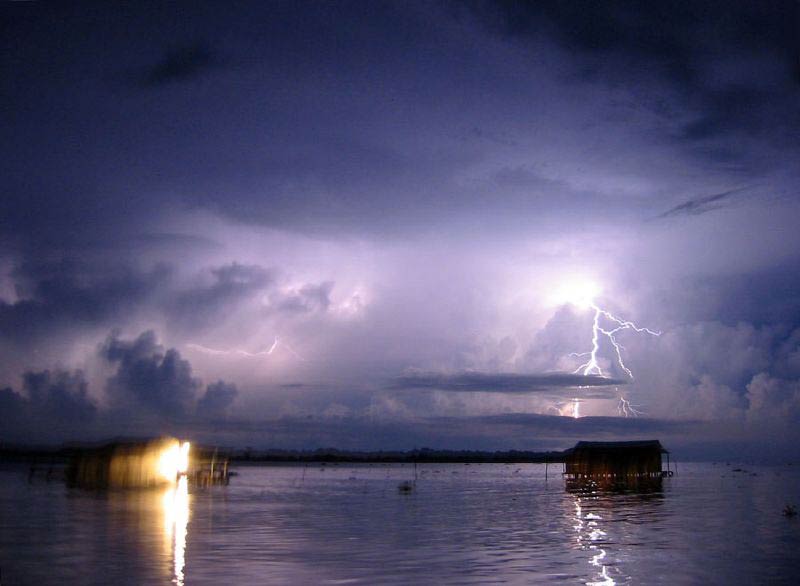
Catatumbo Lightning is a remarkable atmospheric phenomenon over the southwestern part of Lake Maracaibo in Venezuela, near the delta of the Catatumbo River. Thunderstorms form here with unusual frequency, repeatedly illuminating the night sky with flashes of lightning.
Where Catatumbo Lightning Occurs
The phenomenon is found in Zulia State in northwestern Venezuela, mainly around the point where the Catatumbo River enters Lake Maracaibo. The area includes wetlands, waterways and plains bordered by mountain ranges.
Why Lightning Is So Frequent Here
The lake's warm water supplies moisture to the atmosphere. Humid air from the Caribbean interacts with cooler air and local wind flows influenced by the Andes and the Perijá Mountains. Rising air cools and forms towering storm clouds, where electrical charges build up and produce frequent lightning.
A Nighttime Light Show
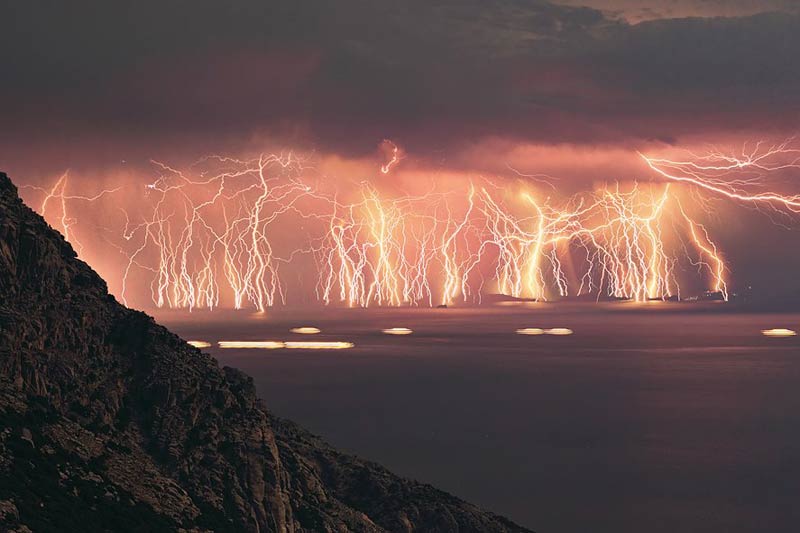
After sunset, repeated flashes can appear along the horizon, lighting up clouds above the lake and its marshy delta. Many discharges occur within clouds, creating bright flickers rather than clearly visible bolts striking the ground. Storm activity is often strongest at night, although it varies with the season and from year to year.
The Lighthouse of Maracaibo
The phenomenon is also known as the Lighthouse of Maracaibo because its persistent flashes historically served as a natural landmark for sailors navigating the region. Today, Catatumbo Lightning is an emblem of Zulia State and an important subject for meteorological research.
When to Observe It
The best opportunity is after dark, when storm clouds develop over the southwestern part of the lake. However, no particular night guarantees a display: activity depends on weather, humidity and seasonal patterns. Some research periods have shown activity peaks around May and October, but these patterns can vary.
Scientific Importance
Scientists study Catatumbo Lightning to understand how warm lake water, moisture, mountain terrain and local wind circulation influence thunderstorms. The remote wetlands require careful planning, and visitors should follow local guidance and avoid exposed water or unprotected areas during storms.
Gallery