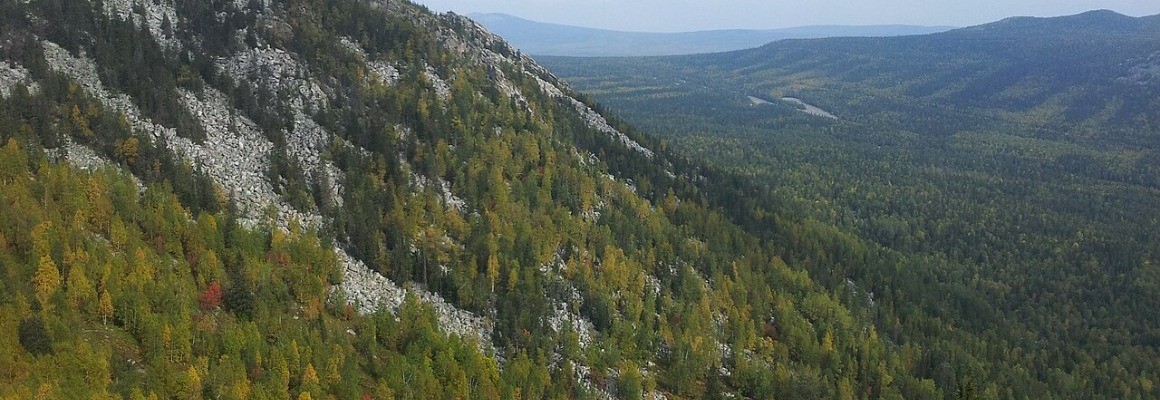
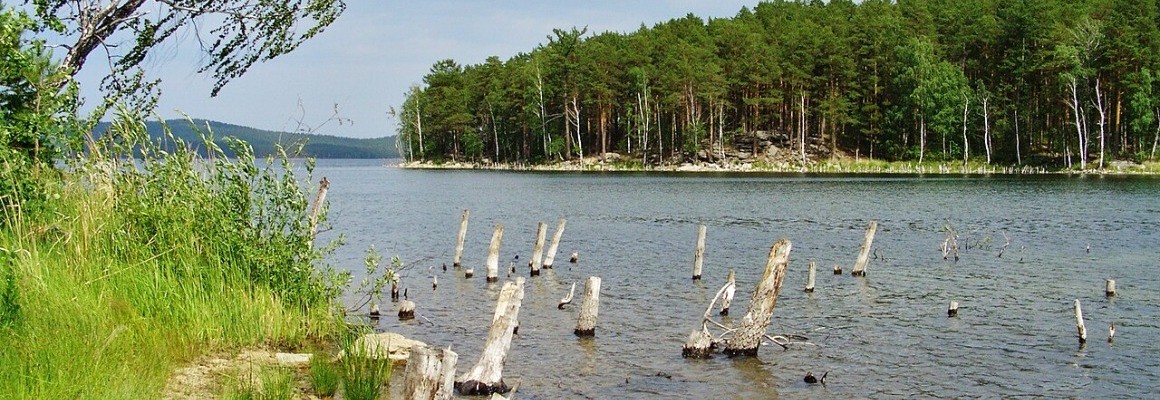
Zyuratkul National Park is a protected natural area in the Southern Urals, known for its mountain ridges, coniferous forests, high-altitude lake, and unusual rock formations. It lies in the western part of Chelyabinsk Oblast, near the town of Satka. Its landscapes include mountain peaks, wooded slopes, rivers, lakes, and open viewpoints overlooking the Southern Urals.
Area and location
The park covers 882.49 km², or 88,249 hectares. It extends approximately 49 km from north to south and 28 km from west to east. Established on 3 November 1993, the park protects the natural landscapes of the Southern Urals as well as natural, historical, and archaeological heritage.
Lake Zyuratkul
The park's main natural landmark is Lake Zyuratkul, situated at an elevation of about 724 metres above sea level. Forested mountain ridges surround the lake, while its shores combine rocky areas, wooded slopes, and small beaches. It is one of the highest large lakes in the Southern Urals.
The lake's modern form has been influenced by human activity: dams built in the past increased its level and surface area. Today, it remains a central feature of the park's landscape and aquatic ecosystem. On clear days, the surrounding mountains can be seen from the shore.
Mountain ridges and peaks
The park's terrain is shaped by several mountain ridges, including Zyuratkul, Moskal, Lukash, and Nurgush. Mount Bolshoy Nurgush, the highest point in Chelyabinsk Oblast, reaches approximately 1,406 metres above sea level. The higher ground features rocky areas, mountain meadows, and open viewpoints.
Zyuratkul Pillars
One of the park's distinctive landmarks is the Zyuratkul Pillars, large rock formations on the slopes of the Zyuratkul Ridge. The formations stand out against the forest and attract hikers, geology enthusiasts, and landscape photographers. Visitors should remain on marked trails and avoid leaving marks on the rocks.
Forests and wildlife
Coniferous and mixed forests cover much of the park. Spruce, fir, pine, birch, and other trees grow here, while open areas support mountain and meadow plants. The forests are home to moose, roe deer, foxes, hares, squirrels, and many bird species. The lake and rivers provide habitats for aquatic and waterside wildlife.
The Ice Fountain
Another well-known attraction is the Ice Fountain, which forms a tall bluish column of ice in winter. It develops as underground water emerges through a borehole and freezes in the cold. Its height changes with temperature and weather conditions. Visitors should keep away from unstable ice.
Trails and recreation
The park has ecological trails and hiking routes leading to the lake, mountain ridges, viewpoints, and other natural features. Some routes are suitable for short walks, while others require good fitness and more time. Check the official map and trail conditions before setting out.
When to visit
Summer is suitable for forest walks and hikes to the lake or mountain peaks. In autumn, the forests turn golden and red, while winter brings snowy landscapes and the Ice Fountain. In spring and during rainy periods, trails can become wet and slippery, and higher elevations are often colder than nearby settlements.
Visitor rules
Zyuratkul is a specially protected natural area. Entry is through designated information and control points, and a visitor fee may apply. Check current regulations and trail access before travelling. Campfires and tents are prohibited on mountain summits and ridges. Visitors must not damage trees, collect archaeological finds, leave litter, or disturb wildlife.
Zyuratkul combines a high-altitude lake, forests, striking rock formations, and wide views of the Southern Urals. Its varied landscapes make it an appealing destination throughout the year for travellers interested in hiking and nature.
Gallery