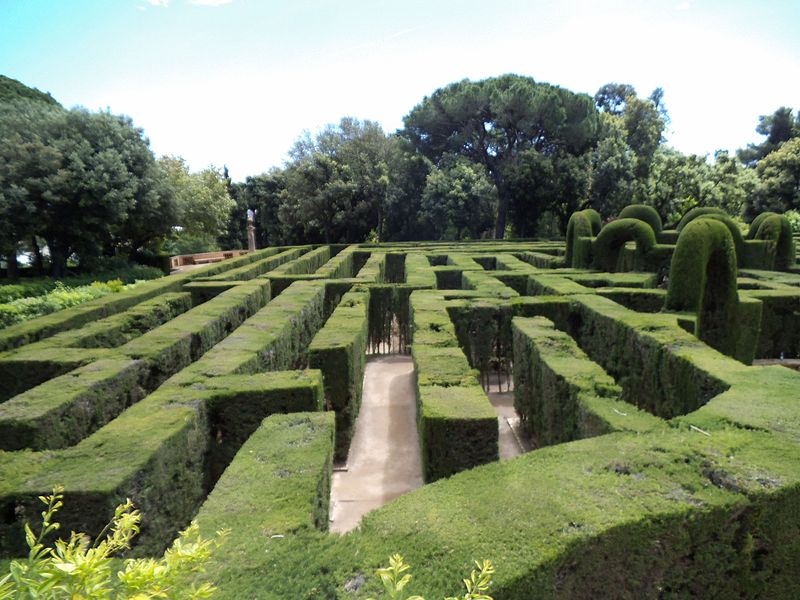
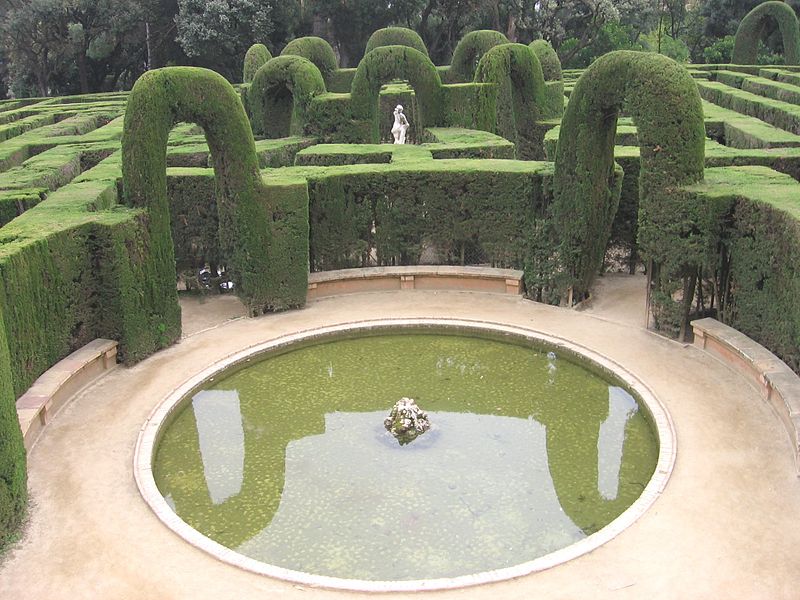
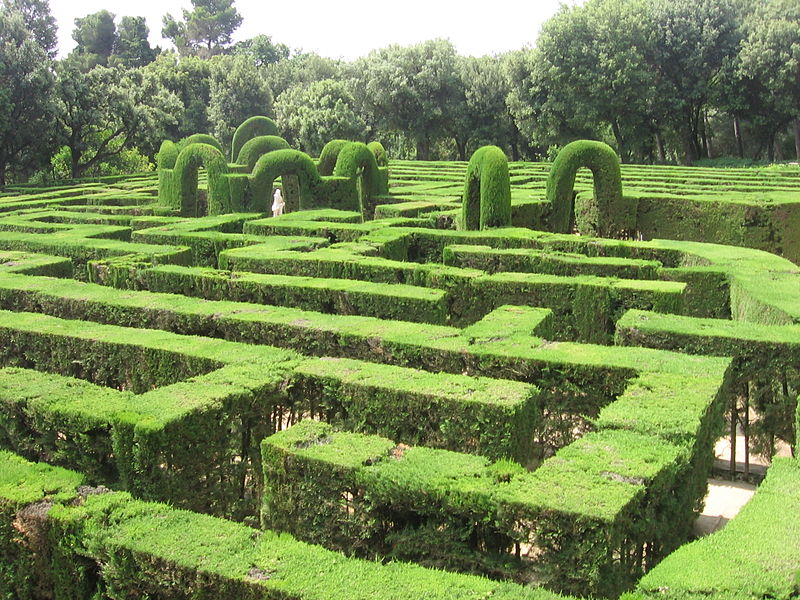
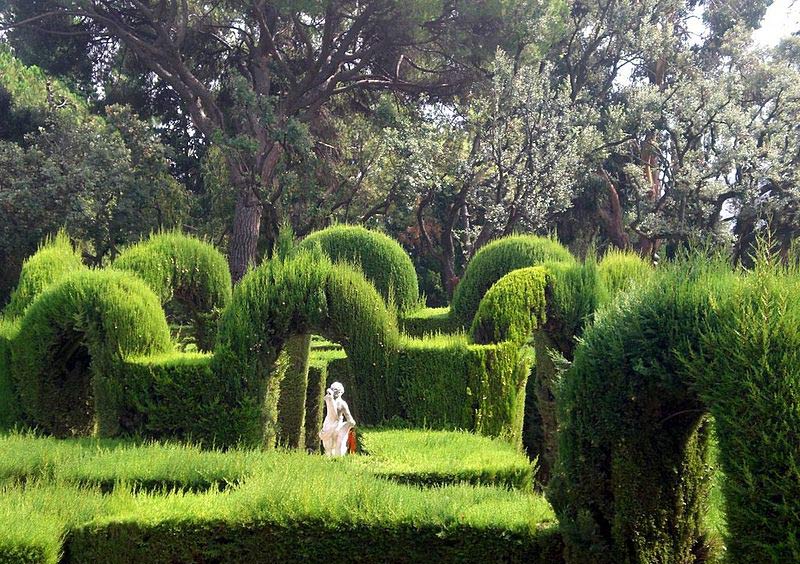
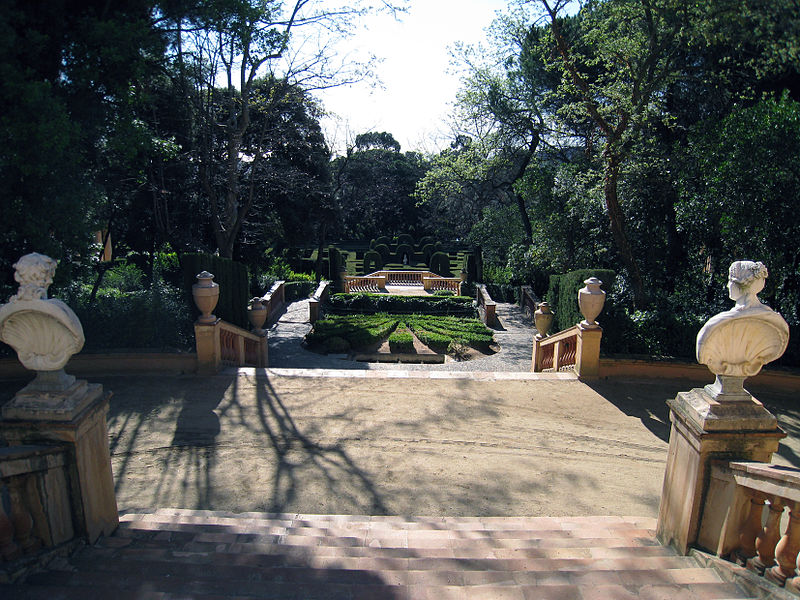
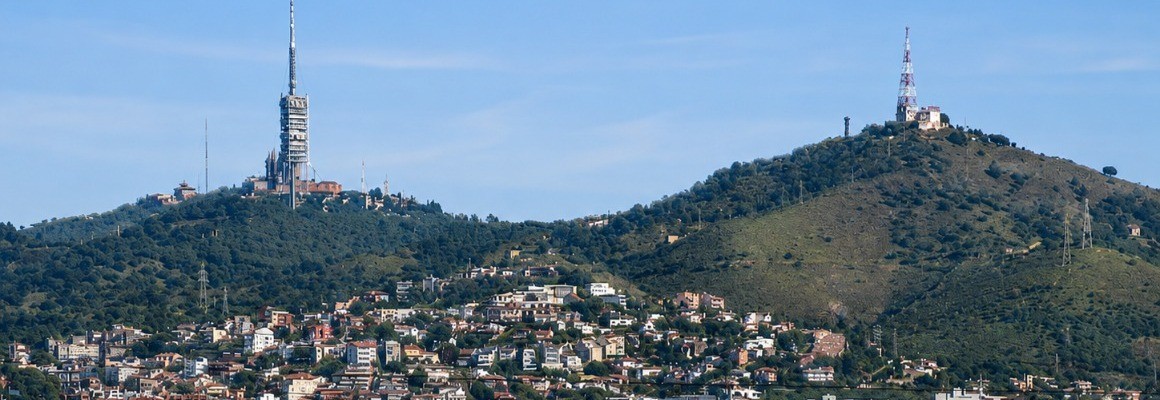
The Horta Labyrinth, or Parc del Laberint d’Horta, is a historic garden in Barcelona, at the foothills of the Collserola hills in the Horta-Guinardó district. It is one of the oldest surviving gardens in the city and is known for its geometric paths, sculptures, fountains, ornamental pavilions and maze formed by clipped cypress hedges. Covering approximately 9 hectares, the park brings together two styles: late-18th-century Neoclassicism and 19th-century Romantic garden design.
History of the park
The garden’s history began in 1791, when Catalan aristocrat Joan Antoni Desvalls i d’Ardena, Marquis of Llupià, Poal and Alfarràs, decided to create a Neoclassical garden on his family estate. Italian architect Domenico Bagutti contributed to the design, while French gardener Joseph Delvalet was responsible for the planting. Local master builders, including Jaume Valls, supervised the construction work.
The original garden followed European Neoclassical ideals inspired by ancient Greece and Rome. Symmetrical layouts, mythological sculptures, ornamental pools and architectural features were intended to express harmony between nature and human design. The cypress maze became the central feature of the composition.
In the mid-19th century, descendants of the Desvalls family expanded the grounds and introduced a Romantic style to part of the garden. More informal planting, shaded corners, water features and picturesque views created a different atmosphere. A domestic garden was added beside the palace in 1880. The estate remained associated with the family for generations.
In the 20th century, the property passed to Barcelona City Council and opened to the public in 1971. A major restoration followed in 1994, after which the site was managed as a historic garden museum. Today it is a valuable part of Catalonia’s cultural heritage, with visitor access controlled to help protect its plants and historic structures.
The famous cypress maze
The park’s best-known feature is its maze of tall, carefully trimmed cypress hedges. Winding paths create a network of passages in which it is easy to lose one’s sense of direction. The paths are estimated to extend for about 750 metres. The maze occupies the garden’s lowest terrace and is one of Barcelona’s most recognisable historic garden features.
A sculpture of Eros, the ancient god of love, stands at the centre. It reflects the symbolic meaning of the design: finding a way through the winding paths represents the search for love, knowledge and a goal. The maze also recalls the Greek myth of Theseus, who escaped the labyrinth of Crete with the help of Ariadne’s thread.
The maze is more than a playful attraction. It demonstrates how historic gardens used space to reveal views gradually and turn a walk into a series of discoveries. Its high green walls screen out surrounding buildings and create the feeling of a separate world within the city.
Neoclassical terraces and pavilions
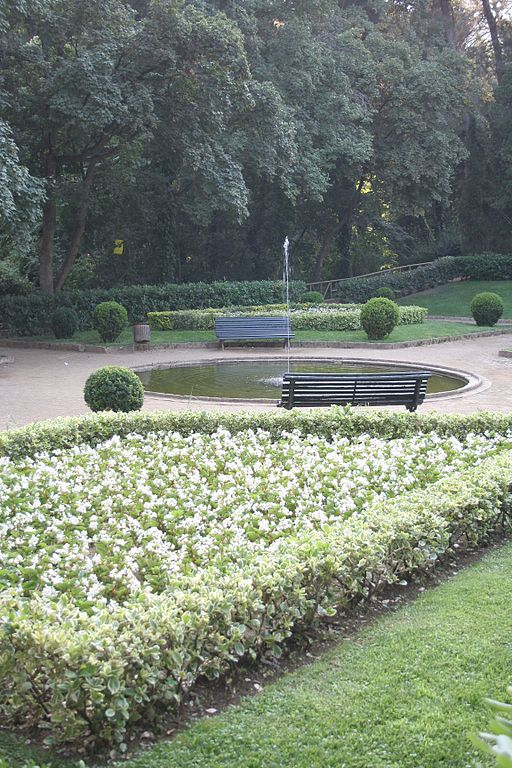
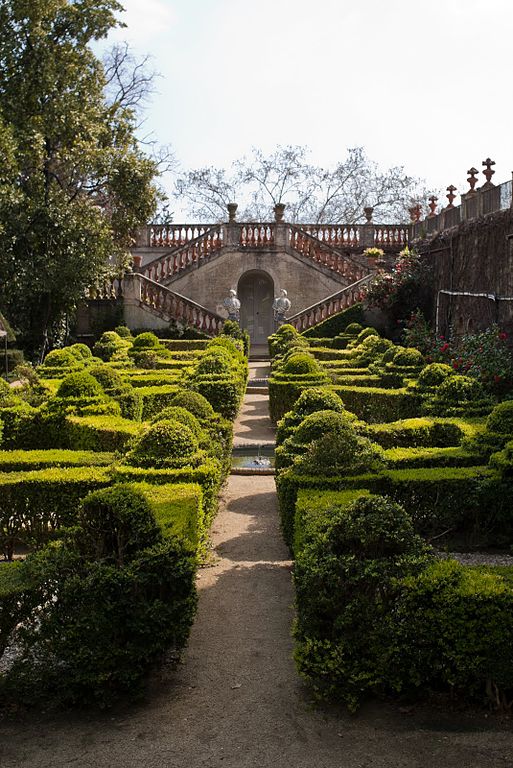
The Neoclassical section is defined by geometric order, symmetry and carefully positioned sculptures. Its terraces contain fountains, ornamental staircases, colonnades and small structures inspired by classical architecture. Their arrangement creates a sequence of views that unfold as visitors move through the garden.
Small temples and pavilions with Tuscan columns are among the notable architectural features. Sculptures of ancient gods and mythological figures complement the buildings and express the symbolic ideas behind the garden. A Neoclassical pavilion associated with the Muses and the arts stands on the upper levels.
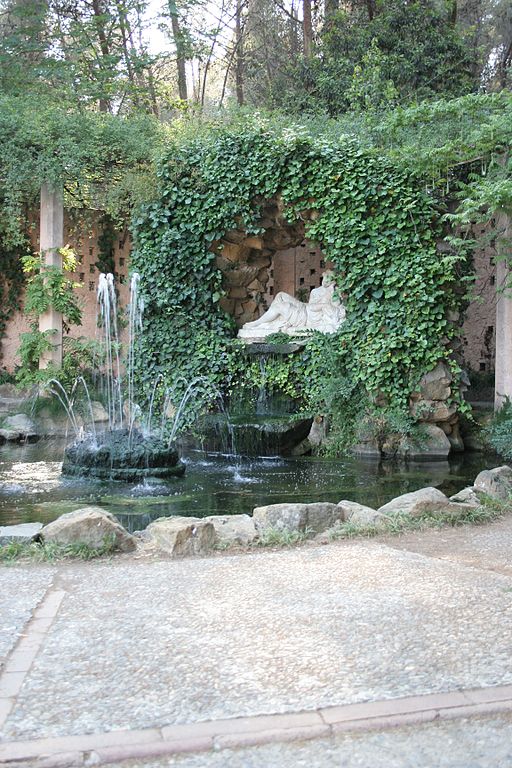
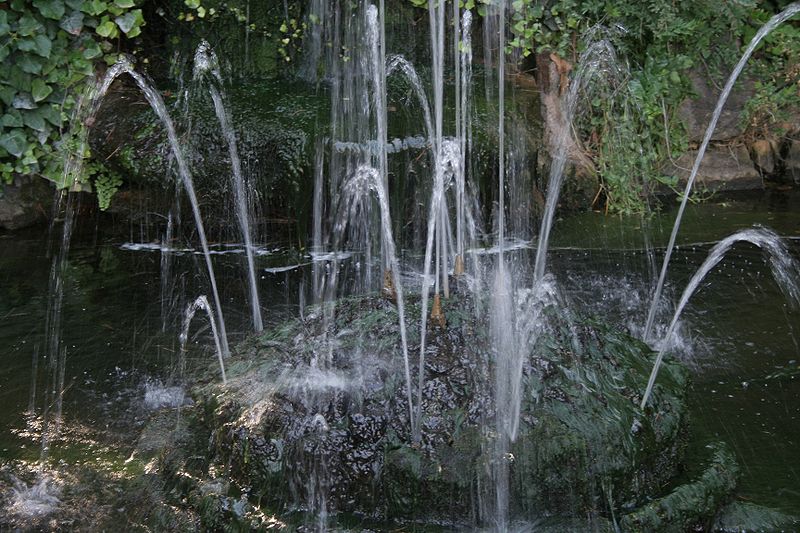
Fountains, channels and small pools soften the strict geometry and add the sound of moving water. Architecture, vegetation and water are designed to work together as one composition.
The Romantic garden
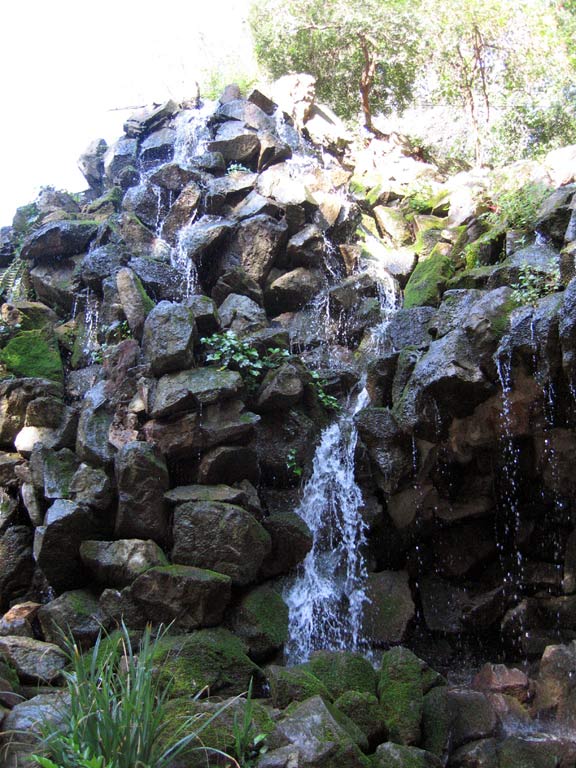
The Romantic section differs noticeably from the formal terraces. It features more shaded paths, mature trees, informal planting and picturesque corners. Streams, channels and cascades create the impression of a natural landscape.
This design reflects 19th-century Romantic ideals, when gardens were intended not only to demonstrate order but also to evoke emotion. Shade, damp stone, dense greenery and unexpected turns create a sense of privacy and mystery. Within one relatively compact site, visitors can see two contrasting approaches to garden design: rational geometry and picturesque landscaping.
The variety of plants reinforces the contrast. Cypress hedges form the maze’s precise green walls, while other trees and ornamental plants create softer compositions. The park is therefore of interest not only to tourists but also to people studying botany and landscape design.
The Desvalls palace and sculptures
The grounds include a palace associated with the Desvalls family. It recalls the estate’s original role as an aristocratic residence. Some rooms are used by municipal education and gardening institutions, so they may not be accessible during an ordinary visit.
Sculptures and reliefs draw on Greco-Roman mythology, with themes of love, beauty, art and human aspiration. They decorate the garden while also forming a symbolic route, particularly around the maze and the Neoclassical terraces.
The architecture, water features and sculptures form an open-air museum in which living plants remain the principal material. Their appearance depends on careful maintenance and respectful visitor behaviour.
Visiting the park
The Horta Labyrinth is located at Passeig dels Castanyers, 1, in Barcelona’s Horta-Guinardó district. It can be reached by public transport. Before visiting, check the official website for current opening hours, admission prices and access restrictions.
According to the city authorities, the plant maze itself is closed from early 2025 until early 2027 for cypress replacement, path improvements, irrigation upgrades and restoration of decorative features. The rest of the park remains open, although access to individual areas may change as work progresses.
Visitor numbers are limited to help protect the historic garden. Stay on permitted paths, avoid damaging plants or sculptures, and check the current rules on animals and food before arrival. The Horta Labyrinth offers a distinctive green escape in Barcelona, where history, art and nature come together in a carefully designed landscape.
Gallery