Buen Retiro Park, commonly known as El Retiro, is one of Madrid’s best-known landmarks and one of the Spanish capital’s most important green spaces. Covering around 118 hectares, it combines historic gardens, monumental fountains, sculptures, exhibition pavilions and tree-lined avenues. Visitors can escape the bustle of the city, row a boat on the large pond, admire historic architecture and discover an important part of Spain’s past.
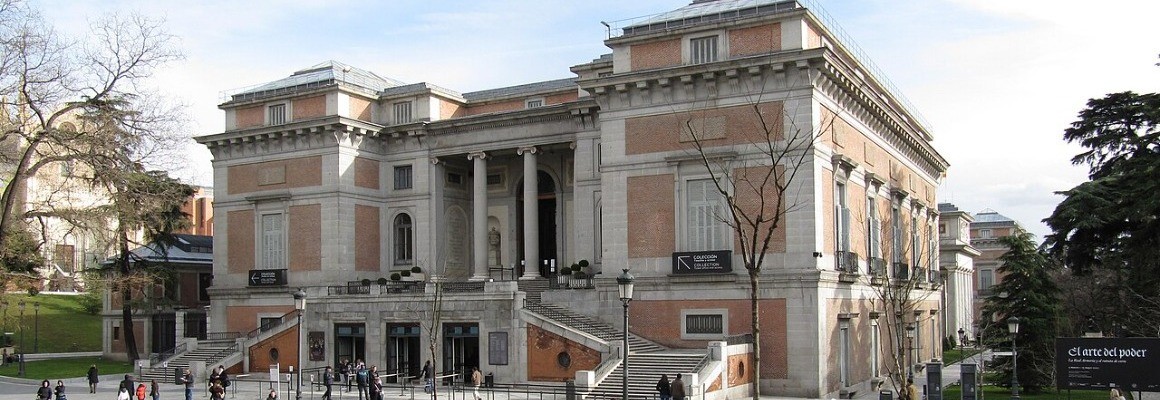
The park lies close to the Prado Museum and Plaza de la Independencia. Today it is a popular place for walking, exercise and cultural events. Together with the Paseo del Prado, it forms part of the UNESCO World Heritage property known as the Paseo del Prado and Buen Retiro, a Landscape of Arts and Sciences.
History of the royal gardens
The story of Buen Retiro is closely linked to the Spanish monarchy of the seventeenth century. In the 1630s, the Count-Duke of Olivares promoted the creation of a royal residence and gardens for King Philip IV. The palace complex was designed for royal leisure, court celebrations, theatrical performances and ceremonial events. Gardens, ponds and walking paths surrounded the residence.
At the time, the grounds formed part of a much larger royal estate. The complex included pavilions, chapels, theatres and spaces for court entertainment. The Great Pond was used for boating and water spectacles, including staged naval battles intended to entertain the royal court.
During the eighteenth century, the gardens changed with the tastes of Spain’s rulers. Under Philip V, the French-style Parterre garden was developed, while the reign of Charles III brought a stronger scientific and public dimension to the surrounding area. In 1767, members of the public were allowed to enter the royal gardens for recreation, although the estate retained its royal character for decades.
The Peninsular War of 1808–1814 caused extensive damage. French troops used the grounds as a military base, and many buildings and gardens were harmed. The park was later restored and redesigned. In 1868, the former royal estate passed to Madrid’s municipal authorities and became a public park.
By the late nineteenth century, Buen Retiro had become a venue for exhibitions and cultural events. Exhibition buildings included the Crystal Palace and Velázquez Palace, both now among the park’s most recognisable landmarks. The gardens were declared a Historic-Artistic Garden in 1935. In 2021, the park became part of a UNESCO World Heritage property together with the Paseo del Prado and the surrounding historic district.
The Great Pond and the Monument to Alfonso XII
The Great Pond is one of Buen Retiro’s defining features. Created in the 1630s as part of the royal estate, it once hosted boating and water performances for the court. Today, visitors can rent a rowing boat and enjoy views of the surrounding trees and architecture from the water.
The monumental memorial to King Alfonso XII stands on the shore. Unveiled in the early twentieth century, it features an equestrian statue, a colonnade and numerous sculptural details. It is one of Madrid’s most recognisable views and a favourite photography spot, particularly in the morning and late afternoon.
The Crystal Palace
The Crystal Palace, or Palacio de Cristal, is an elegant glass-and-metal pavilion built in 1887 for an exhibition devoted to the Philippines, then under Spanish administration. Inspired by the exhibition architecture of nineteenth-century Europe, the building uses transparent walls and a glass roof to fill its interior with natural light. Reflections of the surrounding trees and water give the site a distinctive atmosphere.
Surrounded by a small pond and lush vegetation, the pavilion is one of the park’s most photogenic corners. It has hosted exhibitions and has been associated with the Reina Sofía Museum’s exhibition programme. Access to the interior and the availability of exhibitions depend on the building’s condition and the current cultural schedule.
Velázquez Palace
Velázquez Palace was built in the 1880s for a national exhibition devoted to mining, metallurgy and decorative arts. Its architecture combines brick, ceramic decoration and metal structures characteristic of exhibition buildings of the period. Today, it remains an important architectural landmark and a venue for cultural activities.
Gardens, fountains and unusual features
Buen Retiro is made up of distinct garden areas, each with its own character. The French-style Parterre features geometric planting, symmetrical flower beds and an old Mexican cypress believed to be among Madrid’s oldest trees. La Rosaleda rose garden is especially attractive during the flowering season, while the Cecilio Rodríguez Gardens offer carefully maintained flower beds, fountains, pergolas and peacocks.
One of the park’s most unusual monuments is the Fountain of the Fallen Angel, inspired by the figure of Lucifer. The sculpture depicts the fallen angel at the moment of his descent. Other landmarks include the Artichoke Fountain, the Galápagos Fountain and the promenade of statues of Spanish monarchs. The artificial Cat Mountain, a landscaped mound with passages and decorative features, recalls the historic amusements created for the royal family.
Nature and recreation
The park is an important green refuge in central Madrid. Thousands of trees grow here, including chestnuts, pines, cypresses, plane trees and exotic species. Shaded paths provide relief during hot weather, while the changing seasons bring different colours, from fresh spring foliage to golden autumn leaves.
Residents and visitors come to walk, jog, skate, read on benches and relax on lawns where permitted. Playgrounds make the park appealing to families, and kiosks and cafés offer places to take a break. Buen Retiro also hosts cultural events and the annual Madrid Book Fair, which attracts publishers, writers and readers.
Visiting Buen Retiro Park
The park is in central Madrid, close to the Prado Museum and the Puerta de Alcalá. It is easy to reach by metro and public transport. Nearby stations include Retiro, Ibiza and Atocha, depending on the entrance and route chosen. Allow at least two hours for a relaxed walk, or half a day to explore the main sights.
Admission to the park is generally free. Opening times may vary by season, and access can be temporarily restricted during strong winds, thunderstorms or other hazardous weather. Check official city notices before visiting. Comfortable shoes are recommended for the long paths and garden trails.
Buen Retiro is more than an urban park: it is a historic landscape that preserves traces of royal life, nineteenth-century architecture and Madrid’s continuing cultural life.
Gallery