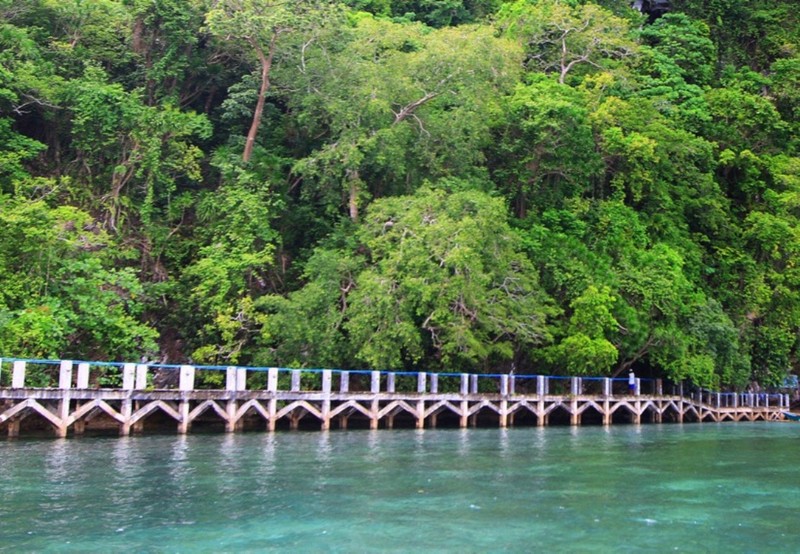
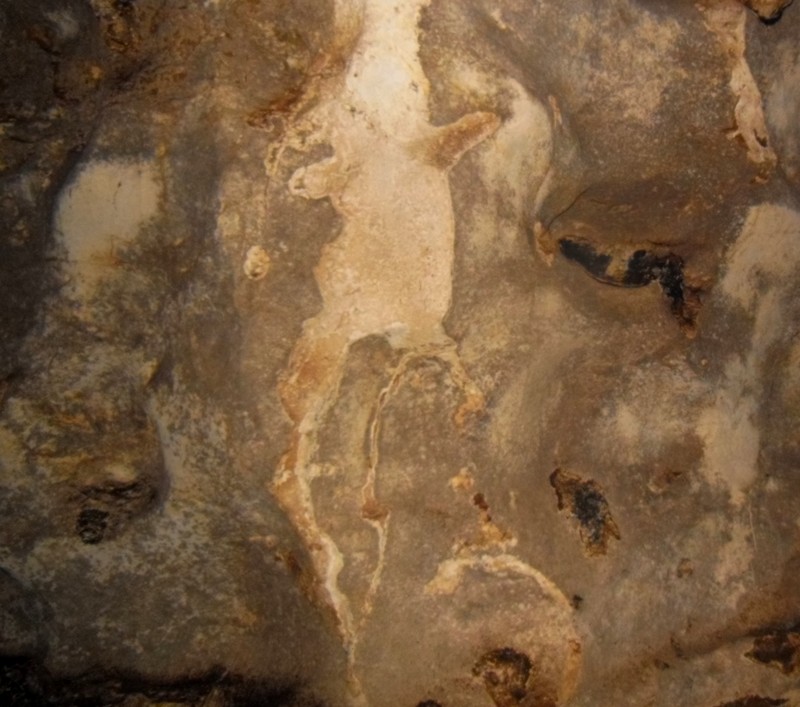
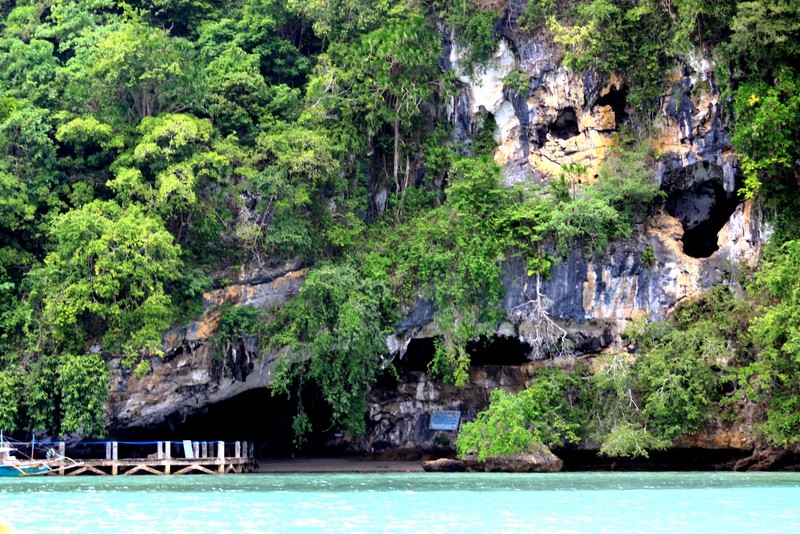
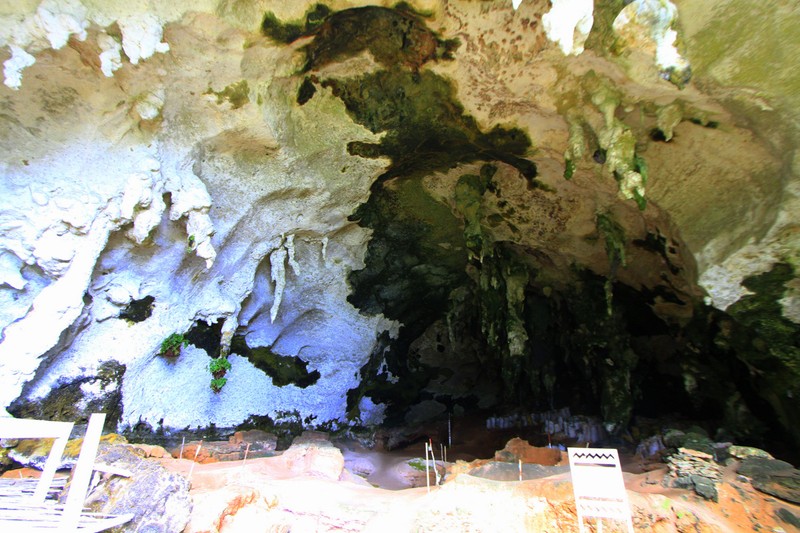
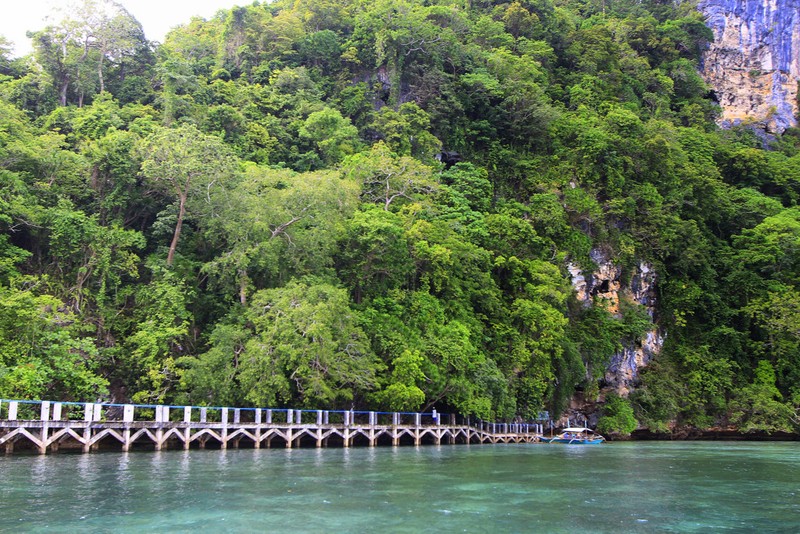
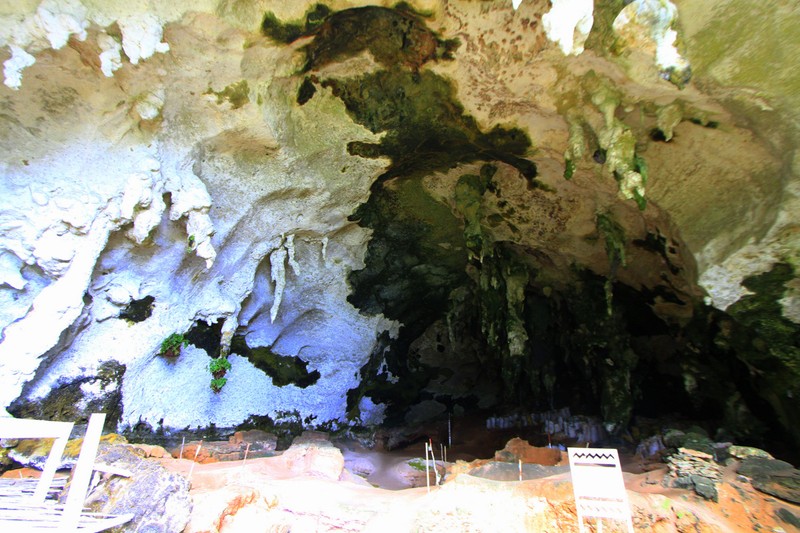
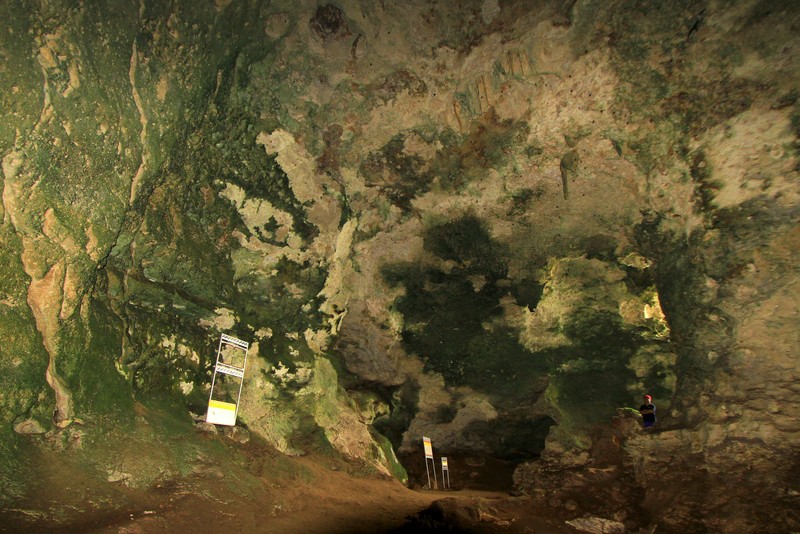
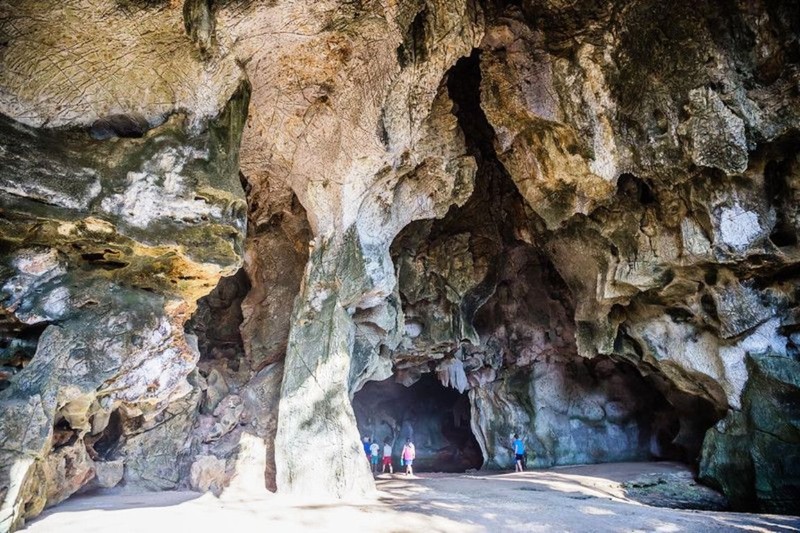
The Tabon Caves are one of the Philippines’ most important archaeological complexes, located at Lipuun Point in Palawan. The caves have yielded ancient human remains, stone tools, pottery and burial vessels. Research at the site has helped scholars understand early human settlement in Southeast Asia and the development of prehistoric cultures in the Philippines.
Location and discovery
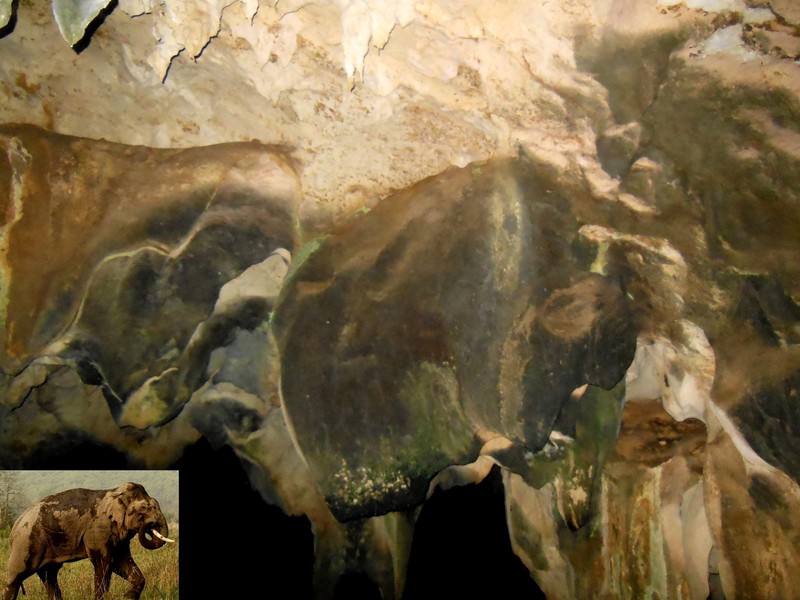
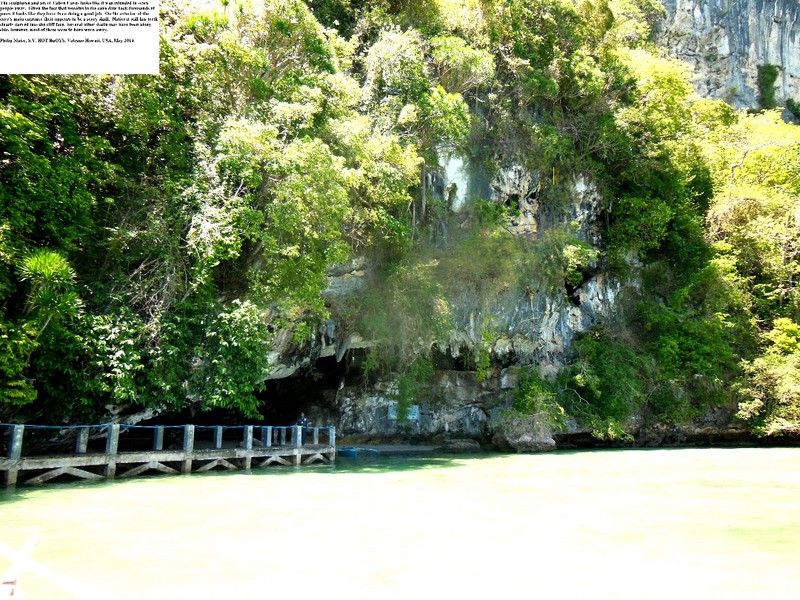
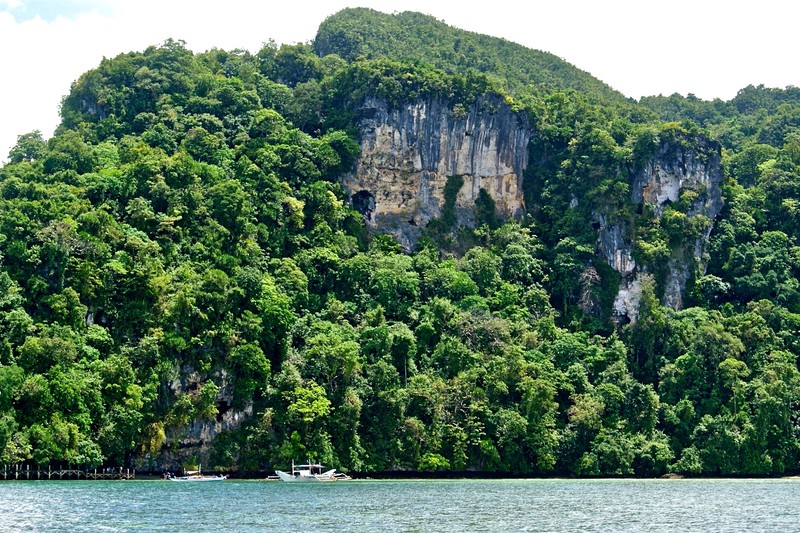
The complex lies on the western coast of Palawan in the municipality of Quezon. The limestone headland of Lipuun Point contains numerous caves and rock shelters. Systematic archaeological work began in 1962 under American archaeologist Robert Fox and a team from the National Museum of the Philippines.
Tabon Man
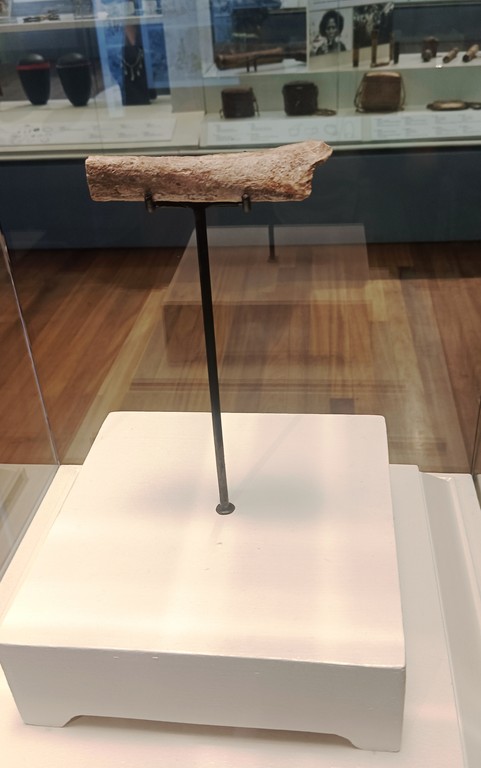
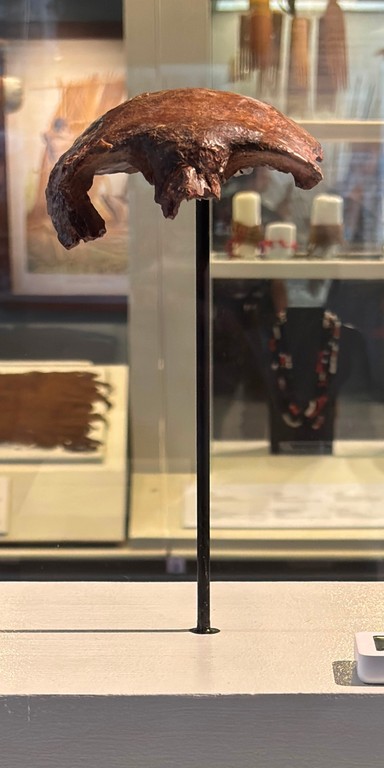
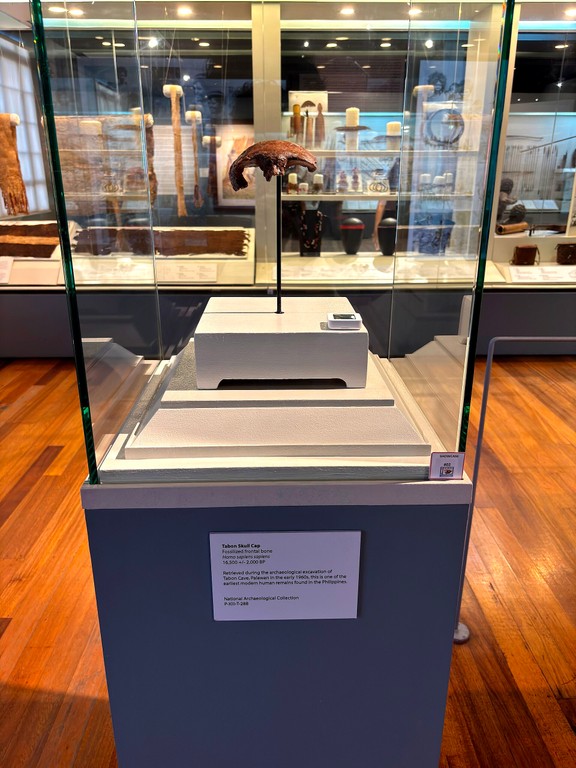
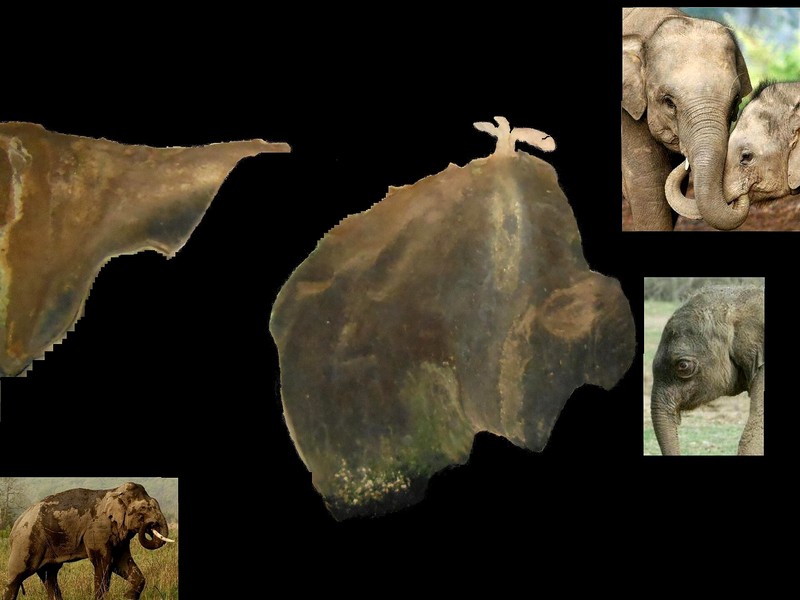
The best-known find is a human skullcap commonly called “Tabon Man.” Together with other skeletal remains, it provides evidence of ancient Homo sapiens in the Philippines. One human tibia fragment has been dated to about 47,000 years before present, although other remains belong to different periods.
Tools and cultural discoveries
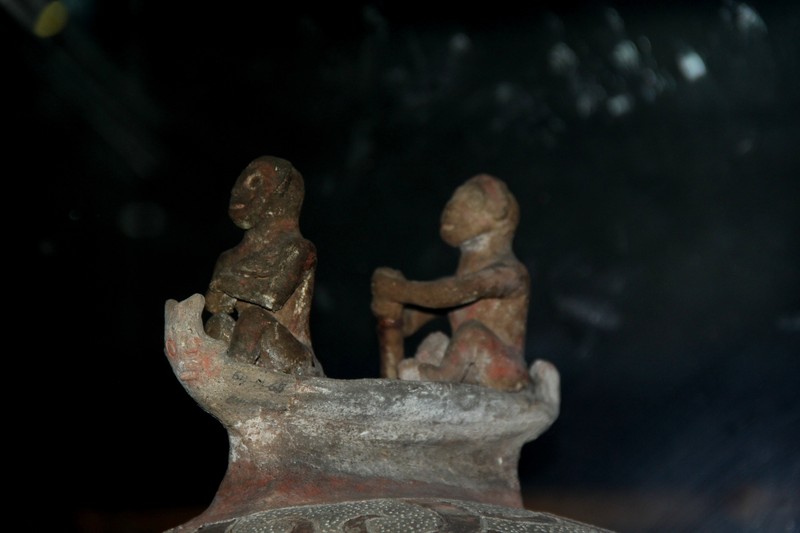
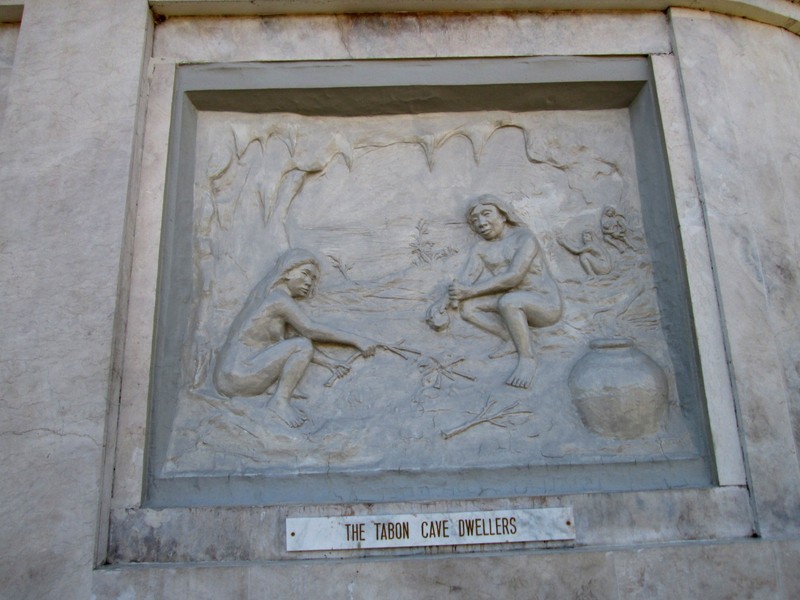
Excavations recovered thousands of stone tools and flakes, evidence of hearths and animal bones. Pottery, ornaments and burial objects were also found. One famous artifact from the wider Palawan archaeological record is the Manunggul Jar, whose lid depicts two figures in a boat and is often interpreted in connection with beliefs about the journey after death.
Protection and UNESCO status
Lipuun Point was declared a reservation in 1972. In 2012, the National Museum of the Philippines declared the Tabon Cave Complex a National Cultural Treasure. It is also on the country’s UNESCO World Heritage Tentative List, which means it is a potential candidate, not yet part of the main World Heritage List.
Visiting the Tabon Caves
In February 2024, the National Museum announced the opening of the Tabon Cave Complex and Lipuun Point component museum, with galleries about archaeology, culture and natural history as well as improved visitor facilities. Access to individual caves may depend on conservation rules, weather and tour arrangements. Check current conditions with the National Museum before travelling.
Why the Tabon Caves matter
The caves are more than a natural attraction: they preserve evidence of human activity over tens of thousands of years. Human remains, stone tools, pottery and burial objects help researchers study early migration, technology and cultural connections between the Philippines and other parts of Asia.
Gallery