Kabayan Mummy Caves – an ancient burial heritage of the Philippines
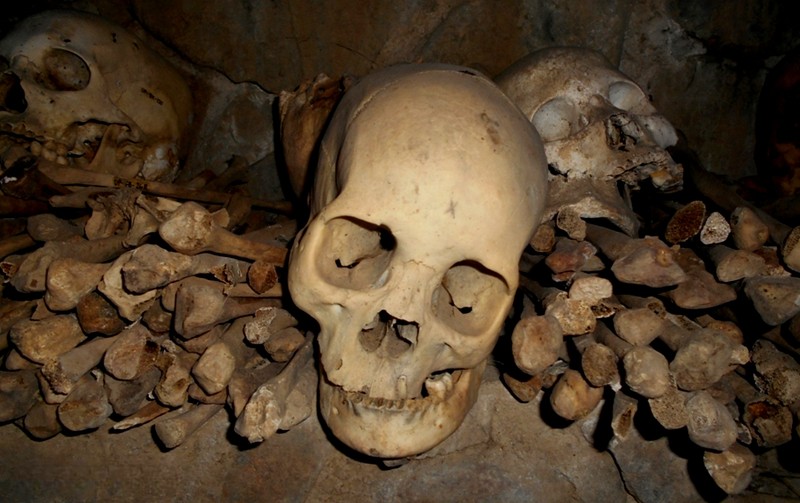
The Kabayan Mummy Caves are located in Benguet Province in the northern part of Luzon, Philippines. The burial complex is known for the preserved remains of the Ibaloi people, who developed distinctive practices for mummifying the dead. These traditions make Kabayan an important site of the country's cultural heritage.
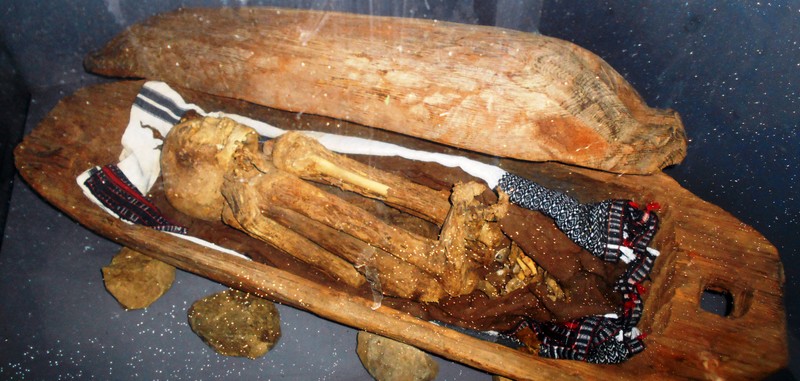
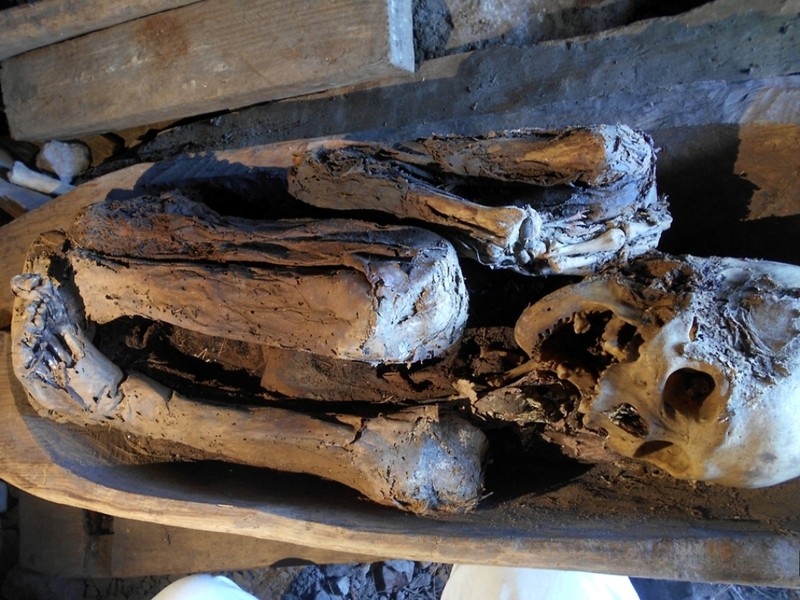
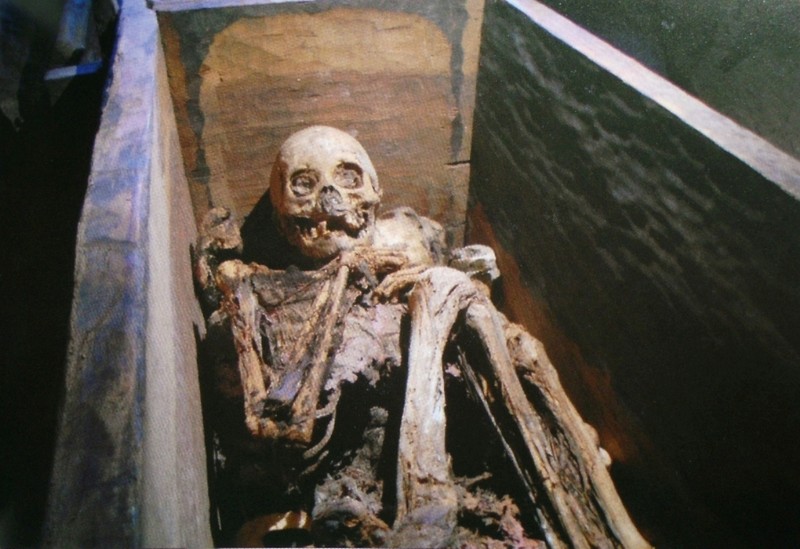
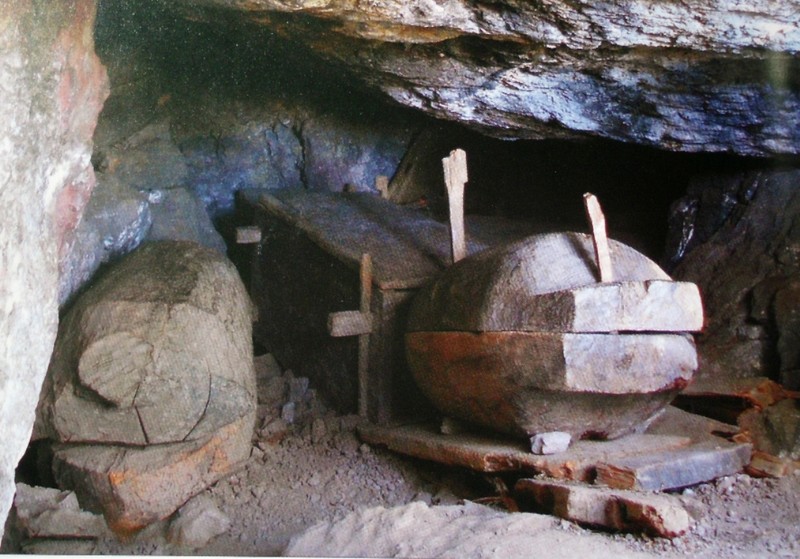
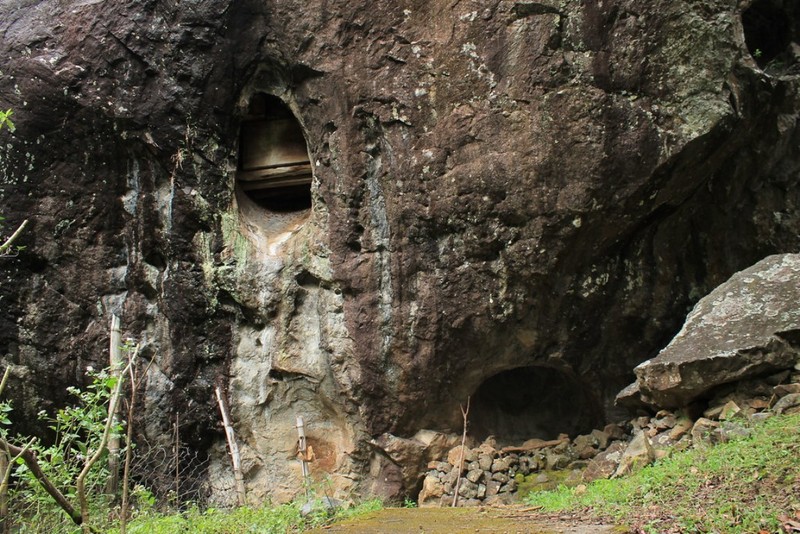
The mummies are often called “fire mummies.” Their preservation is associated with prolonged exposure to heat and smoke, along with traditional plant-based substances. After the ritual process, the remains were placed in wooden coffins and deposited in natural caves, rock shelters or niches cut into rock.
The Ibaloi people and mummification traditions
Kabayan is an important centre of Ibaloi culture, an Indigenous culture of the Cordillera region. Mummification was a complex ritual that could take an extended period. It reflected community beliefs about ancestors, remembrance and the afterlife, and was associated with particular social groups rather than every member of the population.
The practice gradually declined as Christianity spread and mountain communities changed. Today, the burial sites help researchers study Ibaloi history and traditional knowledge. The remains are also regarded as ancestors with continuing significance for local communities, not simply archaeological specimens.
Where the burial caves are located
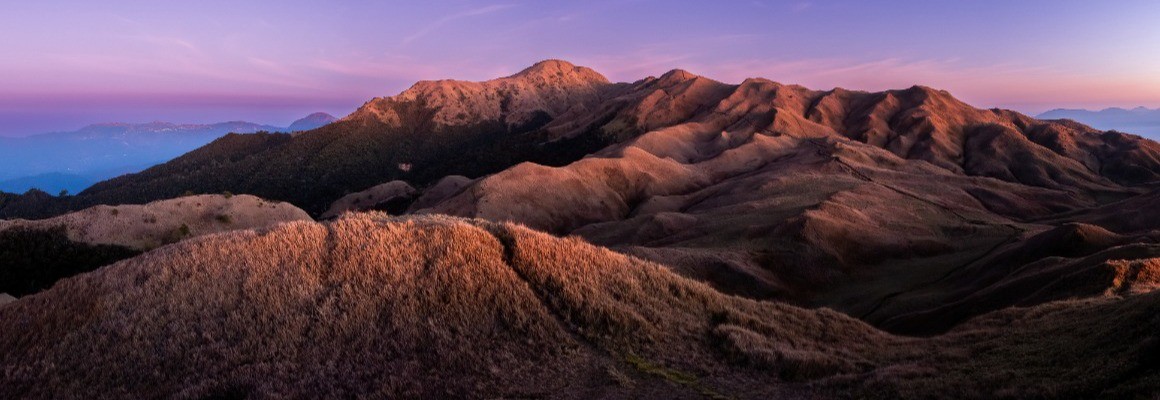
The burial sites are scattered across the mountain slopes of the municipality of Kabayan. Known locations include the rock shelters and caves of Timbac, Tenongchol, Opdas, Bangao and Ambacdet. Published sources identify more than two hundred burial caves, although preserved mummies occur in only some of them.
Humidity, temperature changes and other environmental conditions create challenges for conserving both the remains and the burial places. For protection, access to some sites may be restricted and the precise locations of certain objects may not be publicly shared.
National Cultural Treasure and conservation
The Kabayan mummy burial caves were declared National Cultural Treasures of the Philippines in 1973. Protection became especially important after reports of theft and looting in the 1970s. The National Museum of the Philippines worked with local authorities to document the sites and safeguard recovered objects.
The National Museum of the Philippines operates a museum in Kabayan dedicated to local culture and heritage. Its displays include ethnographic objects and material explaining Ibaloi traditions and the history of the mummies. The caves are on the UNESCO World Heritage Tentative List, which is different from inscription on the main World Heritage List.
Visiting the Kabayan Mummy Caves
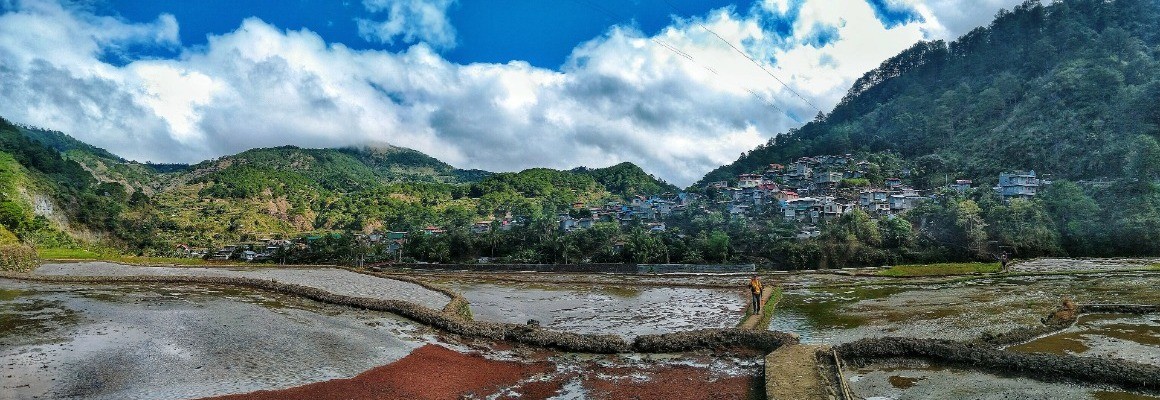
A visit usually begins in the municipality of Kabayan in Benguet Province. Roads pass through mountainous terrain, and travel times depend on weather and road conditions. Reaching individual rock shelters may require walking on uneven trails; some locations may be closed or accessible only with a local guide.
Check current access rules with the local museum or tourism information centre before travelling. Do not touch the mummies, coffins or burial objects, leave litter, or disregard photography restrictions. Respect for the sites protects both the heritage and the beliefs of local communities.
Why the site matters
The Kabayan Mummy Caves offer insight into the cultural diversity of the Philippines and the traditions of Indigenous Cordillera communities. They are places of remembrance where archaeology intersects with living culture. Their preservation depends on responsible visitors and respect for ancestral remains and local heritage.
Gallery