
The Uffizi Gallery belongs to the world famous museums, it is located in Florence, an unforgettable city with a rich history. The country's art center is on the list of recommended attractions to visit when traveling to Italy. It is visited by about 2 million people annually.
From offices to the gallery
The museum was opened at the end of the 16th century by the great ruler of Tuscany, Cosimo I, in a palace erected by his order by the painter and architect D. Vasari. The building was originally designed for administrative and judicial institutions. Hence the name "Uffizi", which means "offices" in Italian. The Medici family appreciated art and supported talented artists as much as possible. In this regard, a few years later the palace turned into the Uffizi Gallery. The first exhibition was organized by the son of Duke Francesco I in 1581, consisting of paintings, frescoes, antique sculptures, which were constantly replenished over the years.
Architecture of the Uffizi Gallery
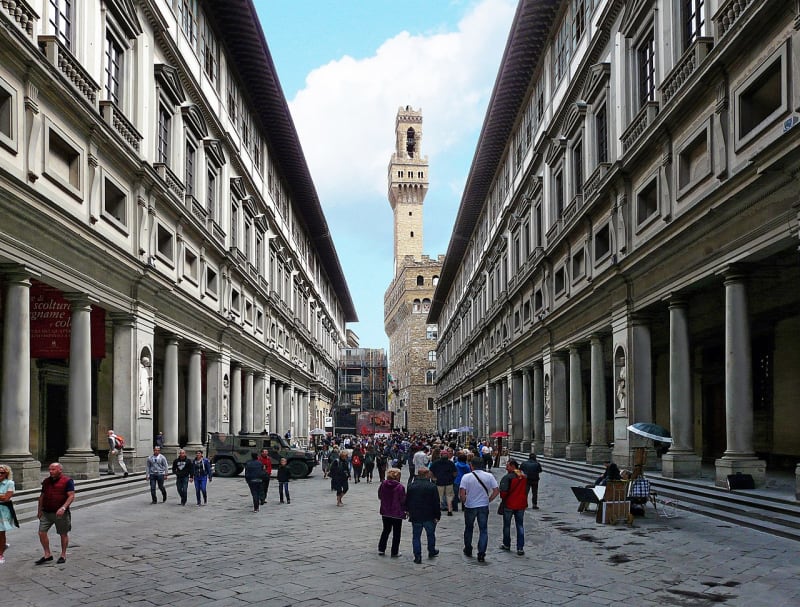
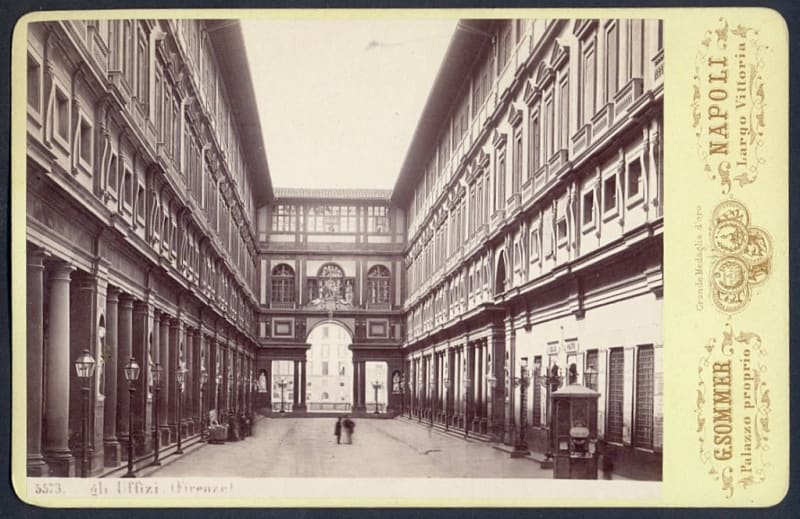
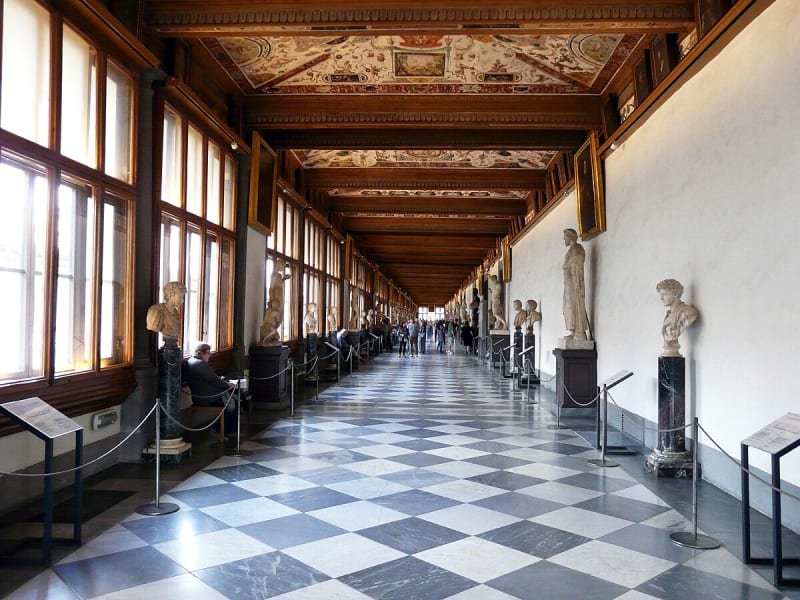
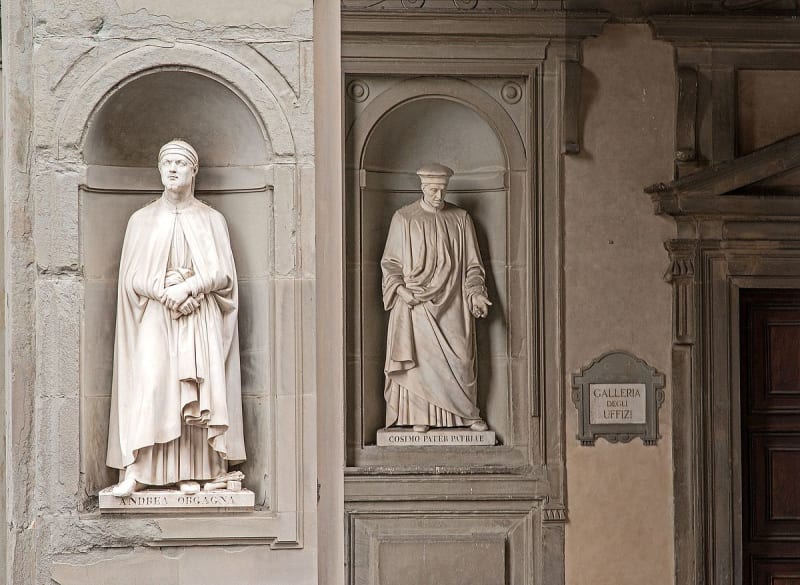
It has a U-shaped shape, due to two rectangular buildings interconnected by a through corridor with loggias. The facade is finished with white plaster and rare high-strength gray-blue stone. This type of cladding is not found anywhere else. In general, the Uffizi Gallery does not create the impression of a bulky structure, on the contrary, it radiates lightness and grace.
Priceless masterpieces
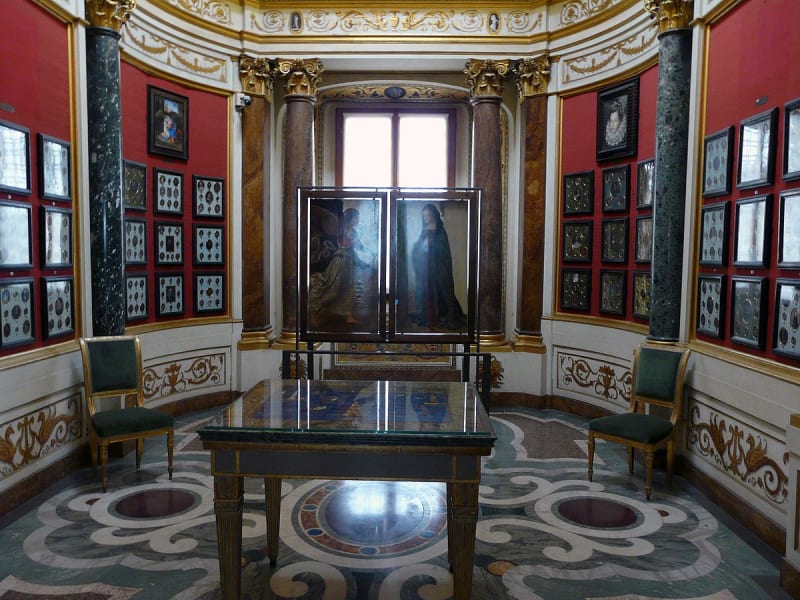
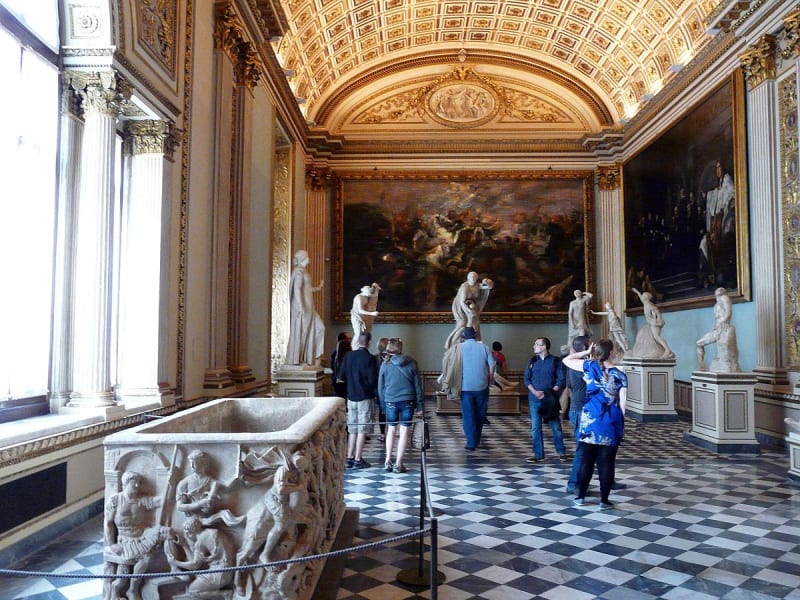
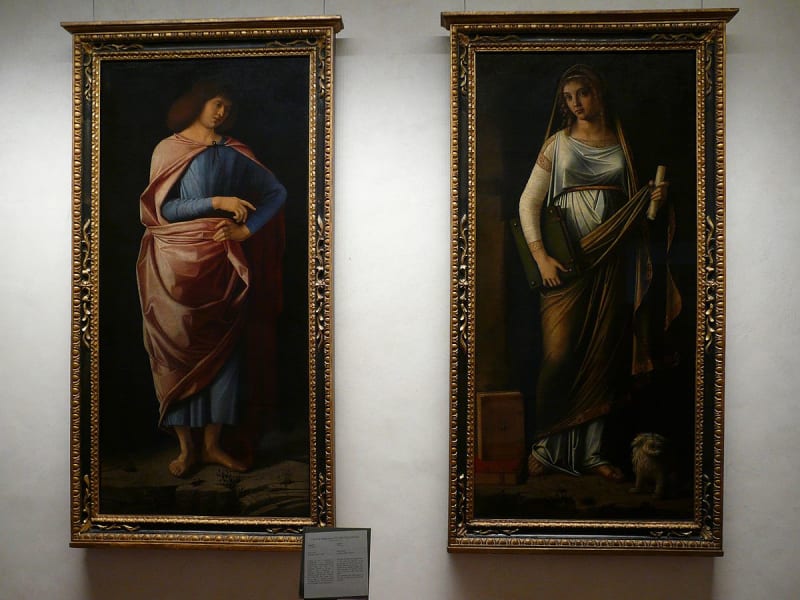
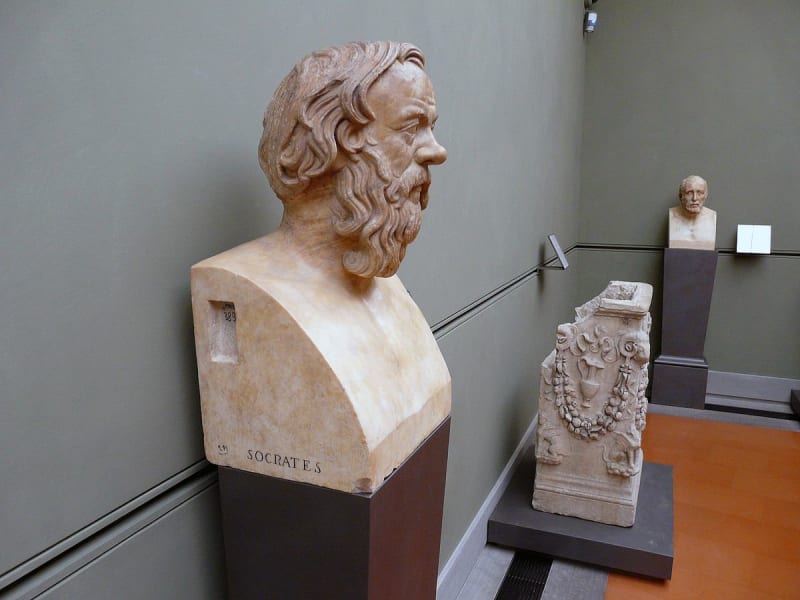
The Uffizi Gallery includes more than 50 chronologically exhibited halls with a total area of 13,000 square meters, where the changes of traditions in Italian art culture from the 13th to the 18th centuries are easily traced. Historical documents, samples of icon painting, collections of miniatures and tapestries, marble and porphyry busts, as well as ancient Roman sarcophagi and statues are displayed within its walls.
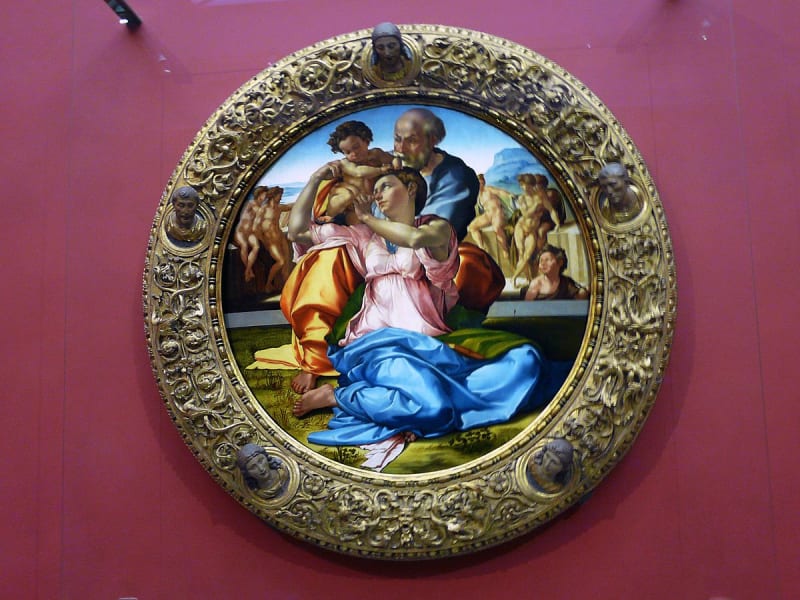
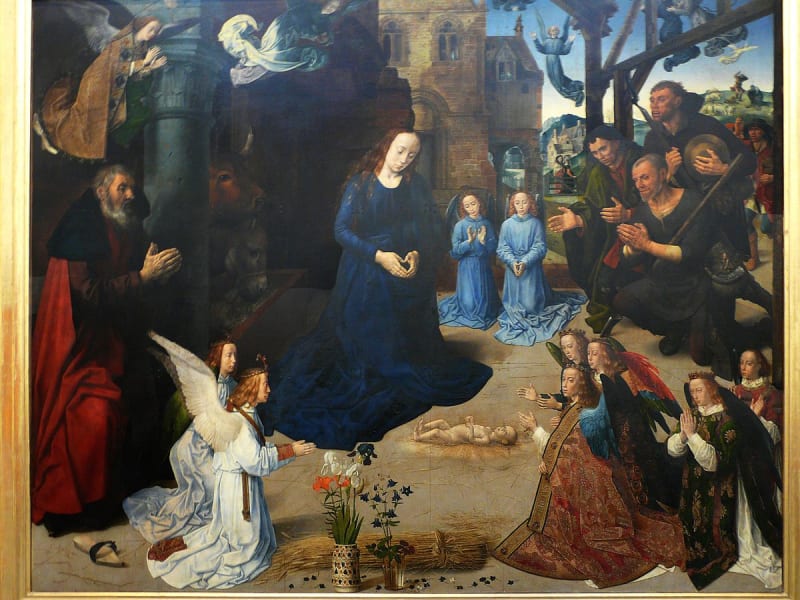
The art gallery features thousands of paintings from the Middle Ages and modern times, both by Italian and foreign artists, but there are not many works by the latter. A separate exhibition is the world's only collection of 1,500 self-portraits, which also depict Russian painters such as Kustodiev, Aivazovsky, and others.
The Ufizzi Gallery is a real treasure not only for connoisseurs of art, but also for ordinary tourists who want to touch the work of great European masters who have left a vivid mark in history. The museum was closed during the pandemic, but reopened after a renovation that included the addition of 14 new halls and an additional 129 works of art.
Gallery