Giethoorn is a picturesque village in the northeastern Netherlands, in the province of Overijssel. It is famous for narrow canals, wooden bridges, traditional thatched-roof cottages and gardens beside the water. Its central area is so distinctive that Giethoorn is often called the Dutch Venice or the Venice of the North.
The settlement dates back to around the 13th century. Its present-day landscape was largely shaped by peat extraction. Digging peat from marshy ground created ponds and lakes, while canals were built to transport the material. Houses and farms developed on small patches of land, connected by wooden footbridges.
Canals and Wooden Bridges
The defining feature of Giethoorn is its network of narrow canals passing cottages, gardens and small jetties. Arched wooden bridges, greenery along the banks and reflections in the water create the village's familiar appearance. Many homes are surrounded by water and can be reached by crossing a bridge.
Many houses, gardens, bridges and jetties are private property. Visitors should remain on public paths and avoid entering private areas for photographs.
Thatched-Roof Cottages
Traditional cottages are one of the reasons Giethoorn is so popular. Many older buildings have thatched roofs, light-coloured walls and carefully maintained gardens leading to the water. Spring and summer bring lush greenery and flowers, autumn adds warm foliage colours, and winter gives the village a quieter atmosphere.
Boat Trips
The best way to discover Giethoorn is from the water. Visitors can join a guided cruise with a skipper, rent a small electric boat or try a traditional flat-bottomed punter. Electric boats allow people to travel along the canals without the loud engine noise of conventional motorboats.
Hiring a boat independently offers flexibility, but it is worth learning the route and navigation rules before setting off. Other boats share the narrow canals, so steer carefully and avoid obstructing traffic. Guided cruises are a good alternative for visitors who prefer not to drive a boat themselves.
Walking and Cycling
Footpaths follow the canals, offering views of bridges, gardens and traditional houses. The surrounding countryside is popular for cycling along rural roads past meadows, farms and waterways. On shared paths, be considerate of pedestrians and cyclists and respect private property.
Nature Around Giethoorn
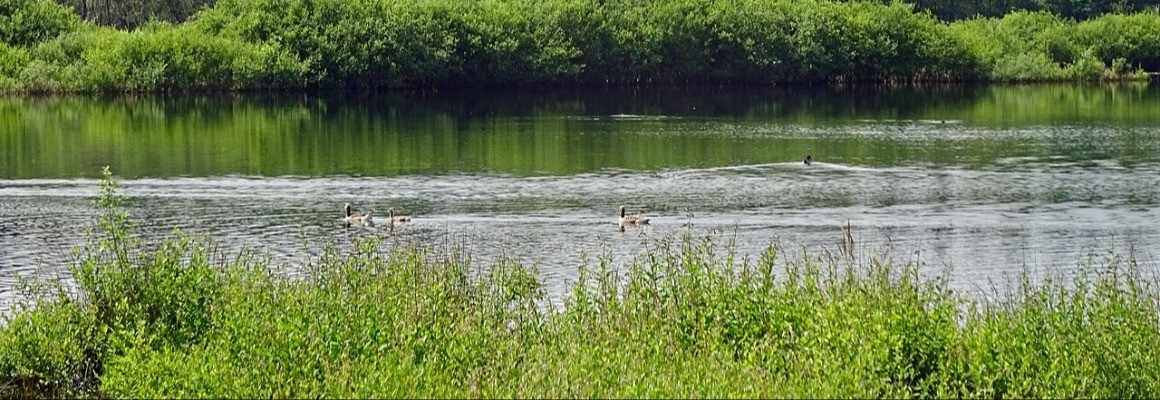
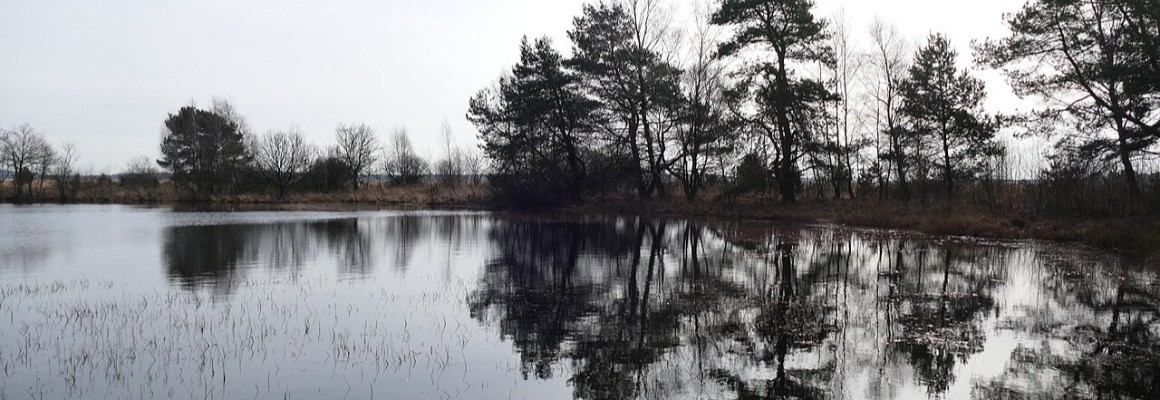
The nearby Weerribben-Wieden area is known for wetlands, lakes, reed beds and a wide variety of birds. Visitors may spot waterbirds, herons and other local wildlife. To protect these habitats, avoid excessive noise, do not leave rubbish and keep away from nesting areas.
Local History Museum
The museum 't Olde Maat Uus introduces visitors to traditional village life, local crafts and the influence of water on everyday activities. Residents once worked in peat extraction, fishing, reed cutting and boatbuilding. These occupations remain part of Giethoorn's cultural heritage.
Best Time to Visit
Spring and summer are the most popular seasons. Gardens are green, days are longer and boat trips are especially enjoyable. However, the central area can become crowded on weekends and during the height of summer. For a quieter experience, visit on a weekday and arrive early in the morning.
Autumn is generally calmer, while winter brings more subdued colours and fewer boats. Canals sometimes freeze, but walking or skating on the ice is safe only when local authorities confirm that conditions permit it.
How to Get to Giethoorn
Giethoorn has no railway station. Public transport usually involves taking a train to Steenwijk or Zwolle and then transferring to a bus. Timetables and routes may change, so check current information before travelling.
Drivers can use designated car parks on the outskirts and continue on foot. Day trips from Amsterdam are also available, sometimes including transport and a boat excursion. Check the departure point and the amount of free time included before booking.
How Long to Stay
Half a day to a full day is usually enough for a first visit. You can take a boat trip, walk along the canals and enjoy a meal at a waterside café. Allow more time if you want to visit the museum, explore the surrounding wetlands or go cycling.
An overnight stay offers the chance to see the village during quieter hours after most day visitors have left. When choosing accommodation, remember that some properties are located on small islands and are accessed by narrow bridges or paths.
Visitor Etiquette
Giethoorn is a living village, not just a tourist attraction. Respect residents' privacy: do not look through windows, enter private gardens or use private bridges as viewing platforms without permission. Choose public paths and permitted locations for photographs.
When boating, follow navigation rules, watch for other vessels and keep a safe distance from private jetties. During busy periods, boat rentals may need to be booked in advance. Giethoorn's combination of traditional architecture, canals and rural scenery offers a distinctive view of the Netherlands beyond its major cities.
Gallery