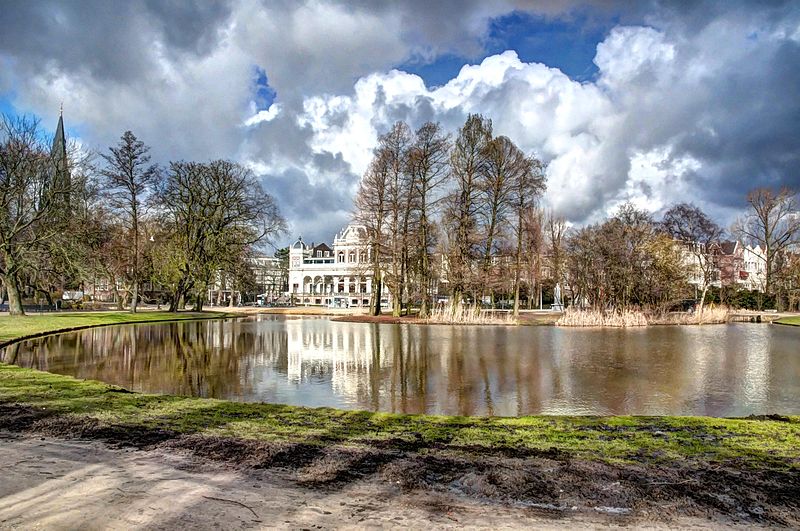
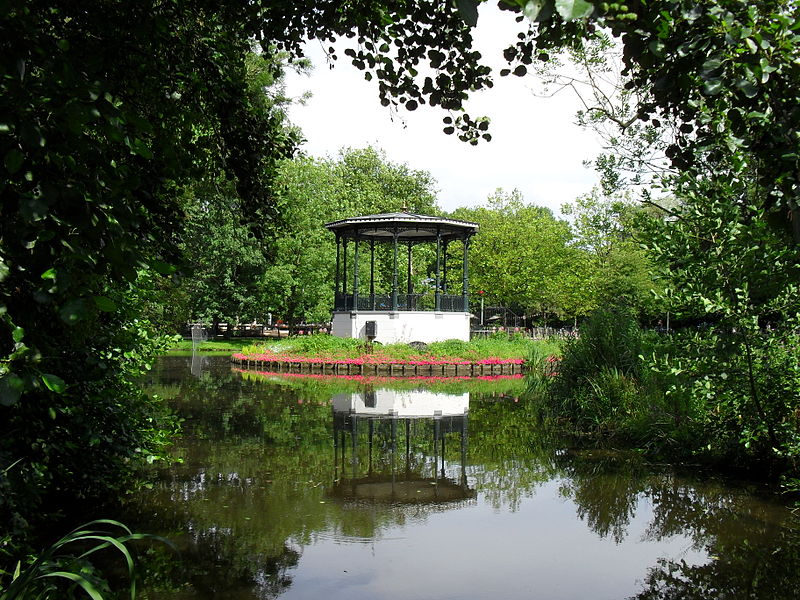
Vondelpark is Amsterdam’s best-known urban park and one of the favourite places for residents and visitors to relax in the Dutch capital. Its broad green grounds feature winding paths, lawns, ponds, small bridges, flower beds and shady avenues. People come here to walk, cycle, exercise, enjoy picnics and experience everyday Amsterdam away from busy streets.
The park lies southwest of the historic city centre, close to Museumplein and the Leidseplein area. It covers approximately 47–48 hectares. Vondelpark combines a landscaped setting, historic features and cultural activities. Highlights include the statue of poet Joost van den Vondel, a rose garden, an open-air theatre, cafés and pavilions.
The history of the park
The story of Vondelpark began in 1864, when a group of Amsterdam businesspeople and civic leaders led by Christiaan Pieter van Eeghen decided to create a place for walking and horseback riding near the city. At the time, open fields and marshy land still lay beyond the old city fortifications. The organisers wanted to give residents access to nature without requiring a long journey from the centre.
Landscape architect Jan David Zocher was commissioned to design the grounds. He followed the English landscape garden tradition, which sought to create the impression of natural scenery. Instead of strict geometric patterns, the park featured curving paths, open lawns, groups of trees, ponds and picturesque views. The first section opened to the public on 15 June 1865 under the name New Park.
In 1867, a bronze statue of the Dutch poet and playwright Joost van den Vondel was installed. His name gradually became associated with the park. The grounds were expanded and improved in the following years, with work also carried out by Louis Paul Zocher, the original designer’s son. By around 1878, the park had reached a size close to its present extent.
During its early decades, the park was especially popular with wealthy Amsterdam residents who came to stroll and ride horses. As the city grew, it became an increasingly accessible public space. Management passed to the municipality of Amsterdam in 1953, and in 1996 Vondelpark was designated a national monument of the Netherlands.
English landscape garden design
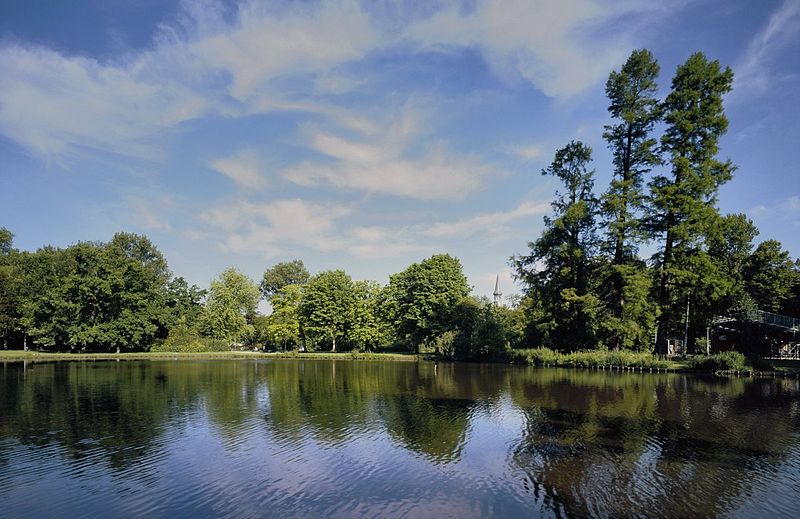
Vondelpark’s defining feature is its landscape design. Winding paths pass between trees and lawns, curve around ponds and lead to small bridges, open spaces and architectural features. The park does not reveal itself all at once; each turn can offer a new view.
Unlike formal French gardens with straight avenues and symmetrical flower beds, the English landscape style aims to imitate nature. This apparent naturalness is carefully planned: the placement of trees, curved paths and water features creates a balanced composition. Vondelpark retains many elements of the Zochers’ original design and changes with the seasons, from fresh spring growth to summer shade and golden autumn colours.
The statue of Joost van den Vondel
One of the park’s most important historic features is the monument to Joost van den Vondel, a Dutch poet and playwright who lived from 1587 to 1679. He is considered one of the leading literary figures of the Dutch Golden Age. His works explored religious, political, historical and moral themes, and his plays influenced the development of Dutch theatre.
The bronze statue was erected in 1867. It honours the writer and explains the origin of the park’s modern name. Set among the greenery, the monument is a popular landmark for visitors and a reminder of Amsterdam’s literary heritage.
The rose garden and plant life
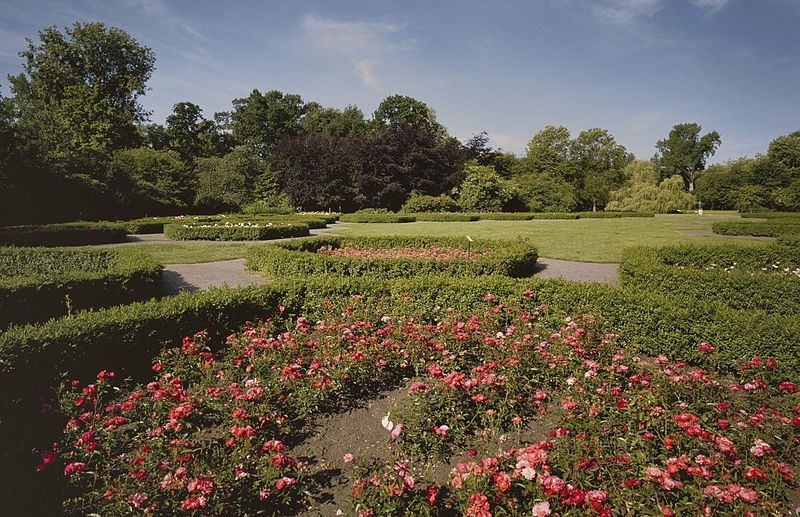
One of the park’s appealing corners is its rose garden, which contains a variety of rose cultivars. During the flowering season, the beds fill with shades of red, pink, white and yellow. Paths allow visitors to view the flowers from different angles, making the garden a favourite spot for photographers and plant lovers.
Vondelpark contains numerous trees, shrubs and ornamental plants. Mature trees provide shade along walking routes, while open lawns offer space to relax. Ponds and green areas also create habitats for birds and other urban wildlife. Ducks and water birds are commonly seen, but visitors should avoid feeding them unsuitable food or leaving litter behind.
The open-air theatre
The Vondelpark Openluchttheater is one of the park’s main cultural venues. During the warmer months, it hosts music performances, theatre productions, dance shows and other events. The programme may range from classical music to contemporary performances.
The open-air theatre makes the park more than a place for recreation: it is also an important part of Amsterdam’s public cultural life. Some events are free, but admission arrangements and schedules depend on the programme and season. Visitors should check the current calendar before planning their trip.
Cafés and historic pavilions
Cafés and restaurants can be found in several parts of the park. One of the best-known is Blauwe Theehuis, a circular pavilion with a terrace that has become a distinctive feature of Vondelpark. Another popular stop is Groot Melkhuis, a café with outdoor seating often visited by families.
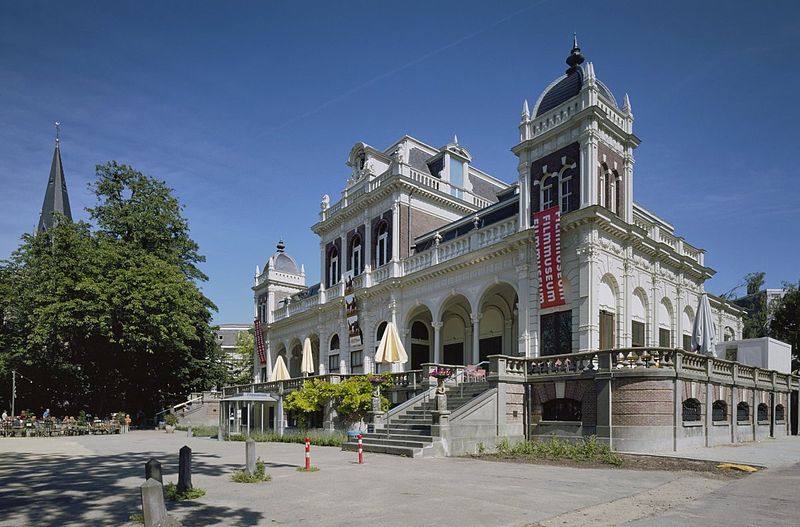
Pavilions, bridges and small architectural structures complement the landscape and reflect the original idea of creating a carefully designed place for strolling and public recreation.
Sports and family activities
Vondelpark supports many types of recreation. Visitors jog, walk with friends, cycle, skate, exercise and relax on benches. Playgrounds and active recreation areas make the park suitable for families. In warmer months, some areas may offer seasonal water play for children.
Cyclists should remain aware of pedestrians and follow the park’s rules, particularly at busy crossings. Barbecuing is prohibited, and dogs may run off the leash only in designated areas.
Nature in the heart of the city
Vondelpark is important to Amsterdam because it provides a large green space amid dense urban development. It supports urban biodiversity, offers room for recreation and makes surrounding neighbourhoods more pleasant for walking. Trees and ponds can provide a cooler environment on hot days.
The park changes character throughout the day. Runners and dog walkers are common in the morning, families and tourists arrive during the day, and friends gather around the cafés in the evening. This everyday atmosphere makes Vondelpark both a tourist attraction and a living part of the city.
Visiting Vondelpark
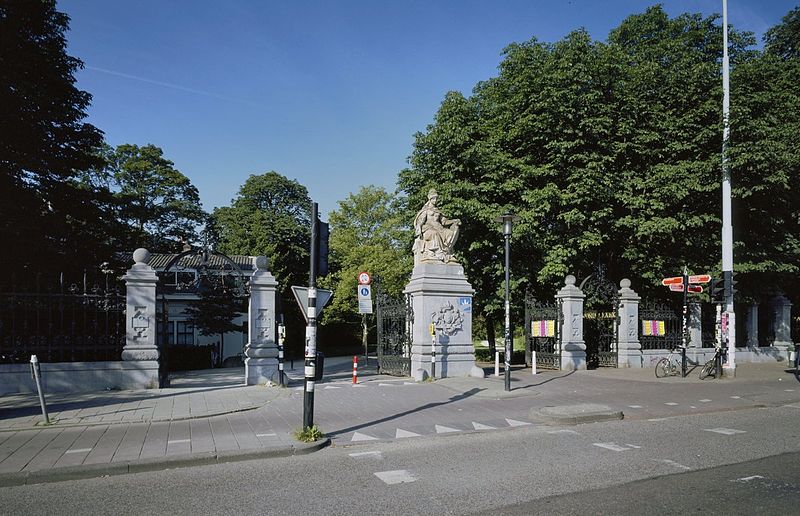
The park is located southwest of central Amsterdam, near Museumplein and Leidseplein. It is easy to reach on foot, by bicycle or by public transport. Several entrances surround the grounds, so visitors can start from whichever side is most convenient for their route.
Admission is free. A short visit may take 30–60 minutes, but two hours or more is recommended for a relaxed walk among the paths, ponds, rose garden and cafés. If you plan to attend a concert or theatre performance, check the starting time in advance.
Vondelpark is more than a green corner of Amsterdam. Its history reflects the development of urban culture in the nineteenth century, its landscape design preserves the English garden tradition, and its theatre, cafés and walking routes make it an integral part of contemporary city life.
Gallery