Ryoan-ji Garden is a celebrated Japanese rock garden located within the grounds of the Ryoan-ji Zen Buddhist temple in northwestern Kyoto. Its design appears remarkably simple: fifteen stones of different sizes rest on a bed of white gravel enclosed by a low earthen wall. Yet this restrained composition creates a space for contemplation and an introduction to the aesthetics of Zen Buddhism.
Where Ryoan-ji Garden is located
The garden is in Ukyo Ward, Kyoto, Kyoto Prefecture, Japan. It forms part of the Ryoan-ji temple complex, which also includes traditional buildings, walking paths, planted areas and Kyoyochi Pond. It is one of Japan's best-known cultural landmarks and a popular stop on visits to Kyoto's historic temples.
The famous rock garden
The main attraction is a rectangular dry landscape garden known as karesansui. There are no conventional flower beds, trees or streams in its central composition. Instead, pale gravel, fifteen stones and small patches of moss form the entire design. The gravel is carefully raked into lines that emphasise the placement of the rocks and create a distinctive visual rhythm.
The stones are arranged in several groups so that all fifteen cannot be seen at once from the usual viewing positions. This has become one of the garden's most discussed features. It encourages visitors to consider the composition from different angles, although the original designer's precise intention remains unknown.
Philosophy and symbolism
Ryoan-ji Garden is often associated with Zen contemplation. The absence of elaborate decoration encourages attention to the shapes of the stones, the distances between them, the empty spaces and the patterns in the gravel. The spaces between objects are as important as the objects themselves, contributing to a sense of balance and stillness.
Many interpretations of the layout have been proposed. The stones have been compared to islands in a sea, mountain peaks among clouds or animals crossing a stream. None of these readings has been conclusively established as the creator's intended meaning. The openness to personal interpretation is an essential part of the garden's appeal.
History of Ryoan-ji Temple
The temple's history is closely linked to Japanese aristocracy and the development of Zen Buddhism. In 1450, the military leader Hosokawa Katsumoto transformed a former aristocratic estate into a Zen Buddhist temple. The buildings were destroyed by fire during the Onin War in the second half of the fifteenth century, and the complex was later rebuilt. Katsumoto's son, Hosokawa Masamoto, played an important role in its restoration.
The exact date when the famous rock garden was created and the identity of its designer remain subjects of debate. It is traditionally associated with the Muromachi period, but the documentary record of its origins is uncertain. It is therefore important to distinguish established historical facts from theories.
Kyoyochi Pond and other features
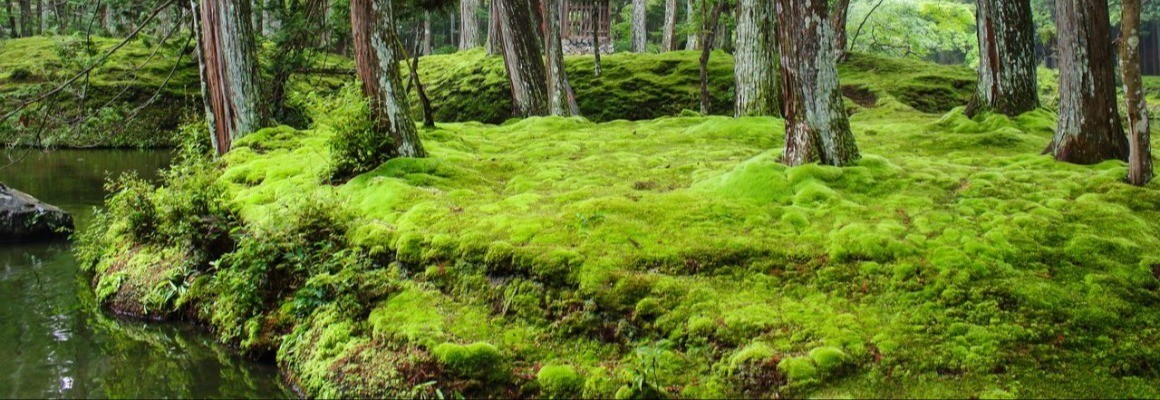
Although most visitors come for the rock garden, the wider grounds of Ryoan-ji contain other points of interest. Kyoyochi Pond is surrounded by vegetation and provides a contrast to the austere dry garden. In autumn, colourful leaves and reflections on the water make this part of the grounds especially attractive.
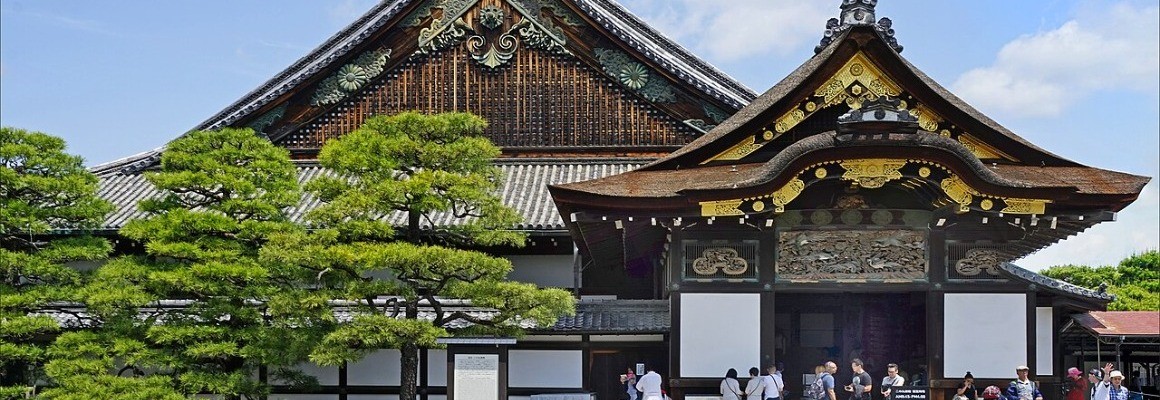
The complex also includes traditional temple buildings, maintained paths, moss-covered areas and old trees. Walking around the grounds introduces visitors to another form of Japanese garden design, one that emphasises natural scenery and seasonal change.
The tsukubai stone basin
Another notable feature is a stone water basin known as a tsukubai, located near the abbot's quarters. Its inscription is commonly interpreted as a reminder that a person already has enough. The characters form a play on meaning around the central opening used for water. This modest object adds another layer to the contemplative atmosphere of the temple.
Ryoan-ji and UNESCO World Heritage
Ryoan-ji Temple is part of the UNESCO World Heritage property Historic Monuments of Ancient Kyoto, inscribed in 1994. The complex is valued as an example of Japanese religious architecture, garden design and cultural history. Its rock garden has become one of the world's most recognised examples of karesansui and has influenced the way Japanese gardens are understood internationally.
When to visit the garden
The garden welcomes visitors throughout the year, and each season changes the surrounding scenery. Spring brings flowering plants, summer offers lush greenery, autumn adds colourful foliage around the pond, and winter highlights the spare geometry of the stones and gravel. Rain can alter the appearance of the garden, making visits rewarding in different conditions.
For a quieter experience, consider arriving shortly after opening or closer to closing time. Kyoto can be busy during popular travel periods, so allow enough time to view the garden and walk around the grounds. Check the temple's official website for current opening hours and admission fees before visiting.
How to reach Ryoan-ji
The temple can be reached by city bus from central Kyoto or by the Randen Kitano railway line. Ryoan-ji Station is about a ten-minute walk from the temple. Journey times depend on the starting point and traffic. The visit can be combined with other temples in northwestern Kyoto as part of a planned sightseeing route.
What makes Ryoan-ji Garden special
Ryoan-ji stands out not for its size or lavish decoration but for the expressive power of simple elements. Fifteen stones, white gravel and an enclosing wall create a composition that can feel different depending on the viewer's perspective and mood. It is an ideal place to explore Japanese garden art, Kyoto's history and the contemplative traditions of Zen.
Gallery