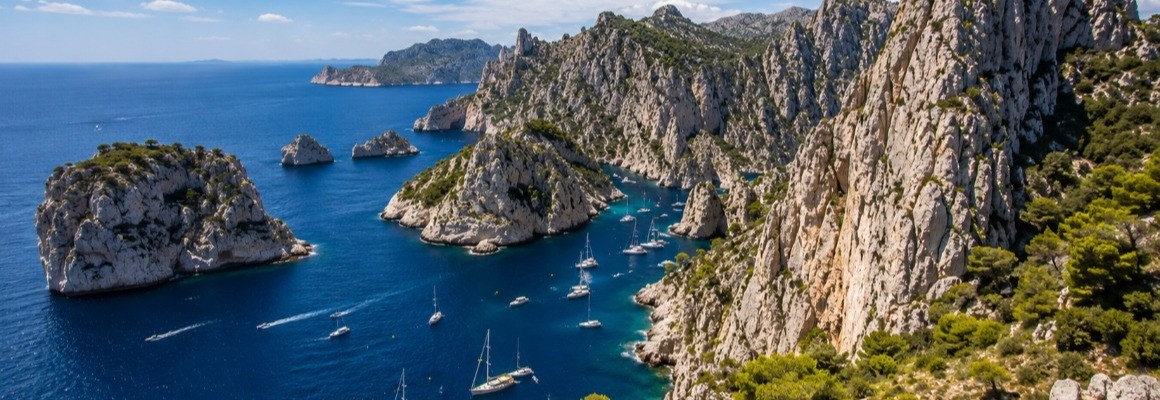
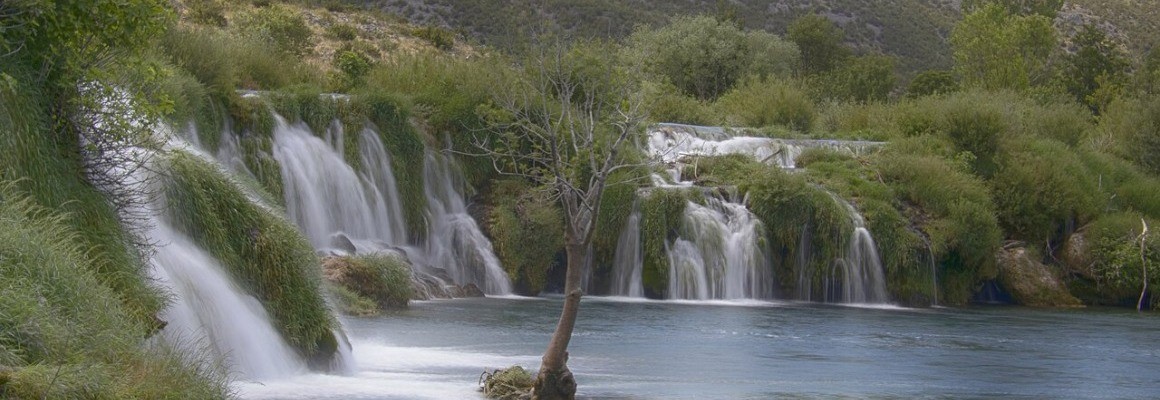
Krka National Park is one of Croatia's best-known natural attractions. Located along the Krka River in Dalmatia, it is famous for cascading waterfalls, limestone barriers, green riverbanks and historical landmarks. Visitors can follow walking trails, take boat excursions, see traditional watermills and visit an island with a Franciscan monastery.
Location of the park
The park lies in Šibenik-Knin County, not far from the Adriatic coast and the city of Šibenik. It protects a substantial stretch of the Krka River, which cuts through limestone terrain and forms rapids, cascades and small lakes. The park covers approximately 109 square kilometres.
Krka was established as a national park in 1985 to protect the river and its surrounding landscapes. In addition to waterfalls, the area includes forests, canyons, caves, archaeological sites and examples of traditional architecture.
Skradinski Buk Waterfall
Skradinski Buk is the park's best-known attraction and one of Croatia's most impressive waterfall systems. It consists of travertine barriers over which the waters of the Krka and Čikola rivers flow in cascades. The waterfall has 17 steps spread over approximately 800 metres, with a total height difference of about 45.7 metres.
A circular educational trail of around 1.9 kilometres runs around the waterfall. Along the way, visitors can see streams, small vegetated islands, old watermills and historic structures. Swimming directly at Skradinski Buk is prohibited.
Roški Slap Waterfall
Roški Slap is another notable waterfall complex on the Krka River. Its main waterfall is about 22.5 metres high and is surrounded by smaller cascades, river channels and travertine islets. The first series of small cascades is known locally as the Necklaces.
Traditional watermills remain in the area, and some have been restored to demonstrate old crafts. A circular educational trail about 1.36 kilometres long offers a pleasant walk. From the Necklaces, 517 wooden steps lead towards Oziđana Pećina cave.
Visovac Island and monastery
Visovac Island lies in the lake of the same name and is one of the park's most picturesque places. It is home to a Franciscan monastery, the Church of Our Lady of Mercy and a museum. Franciscans settled on the island in the 15th century, and it developed into an important religious and cultural centre.
Visitors usually reach the island by excursion boat. The visit includes the monastery complex and museum. As this is an active religious site, visitors should respect local conduct and dress requirements.
Oziđana Pećina Cave
Oziđana Pećina is notable for both its natural features and archaeological importance. The cave lies near Roški Slap and forms part of an educational hiking route. Archaeological evidence indicates that people occupied the cave in prehistoric times. An exhibition presents findings connected with the area's early inhabitants.
Nature and wildlife
The park includes river canyons, forests, rocky terrain, travertine formations and aquatic ecosystems. Travertine barriers develop through the deposition of calcium carbonate. Over time, they alter the flow of water and create cascades, backwaters and small islands.
Many bird, fish, amphibian, reptile and mammal species live in the park. The river and its surrounding wetlands provide habitats for diverse flora and fauna. Protecting the natural processes that form travertine barriers is an important part of conservation.
Historical heritage
Near Burnum, visitors can see archaeological remains of a Roman military camp that played a role in Roman Dalmatia. Other cultural landmarks include traditional watermills and old riverside buildings that illustrate how local communities used water power in everyday life.
Things to do in the park
The most popular way to explore Krka is on the marked trails around its waterfalls. Information panels and viewpoints help visitors understand the landscape. Boat excursions to Visovac Island and Roški Slap offer another way to discover the park.
History enthusiasts can visit the monastery on Visovac, old watermills and the archaeological site at Burnum. The park also offers cycling routes and walking trails of different lengths. Check which sites and excursions are available before travelling.
Best time to visit
Spring, summer and early autumn are popular seasons. In spring, the landscape is especially green and the waterfalls may carry more water. Summer is convenient for combining walks with boat trips, although popular areas can be busy. Opening hours and access to individual sites vary by season.
How to get to Krka National Park
The city of Šibenik is a convenient base for visiting the park. The entrances can be reached by car or as part of an organised excursion. Popular entrances are located at Lozovac and Skradin. During the season, boats operate from Skradin towards Skradinski Buk.
Visitors planning to see several areas in one day should check transport connections and allow enough time for walking and boat trips.
Travel tips
Bring comfortable shoes, drinking water, a hat and sun protection. In hot weather, starting early can make walking more pleasant. Follow signs, stay behind barriers and take all rubbish with you.
Krka National Park combines impressive waterfalls, diverse nature and rich historical heritage. Its walking trails, boat excursions and cultural landmarks make it an excellent place to discover Dalmatia.
Gallery