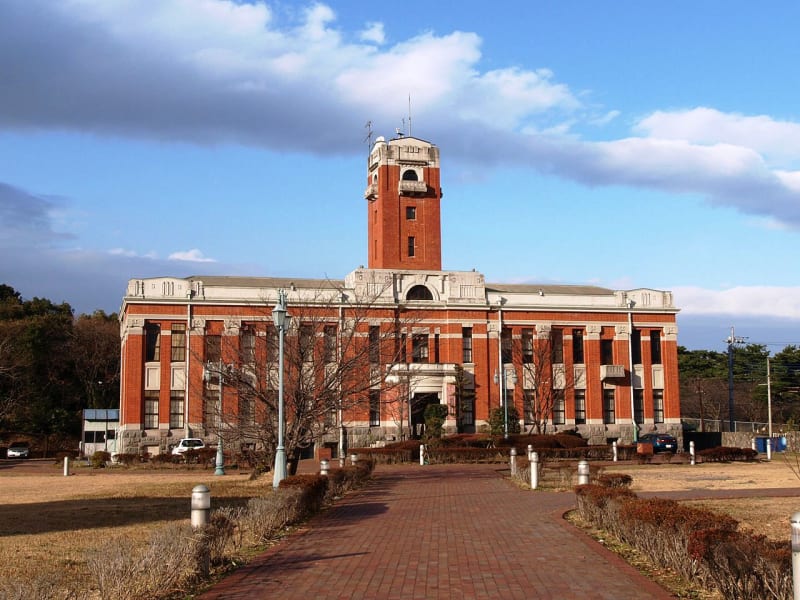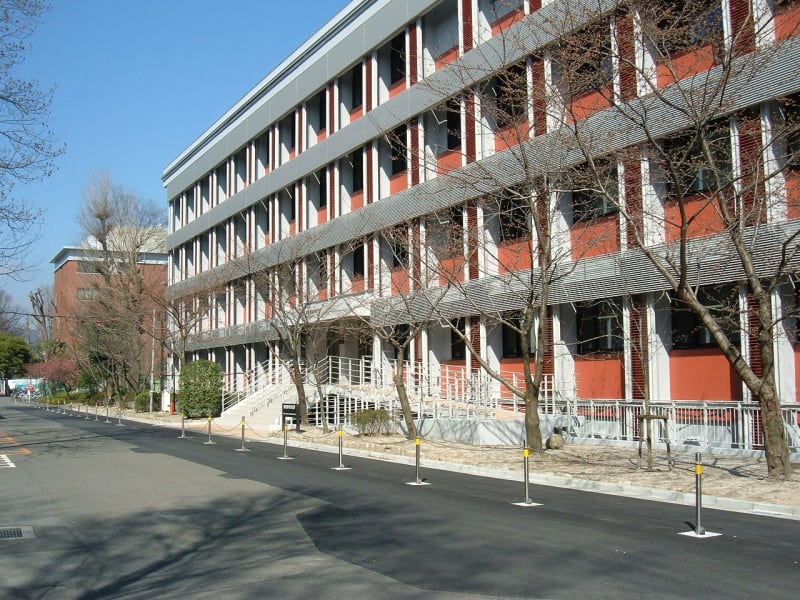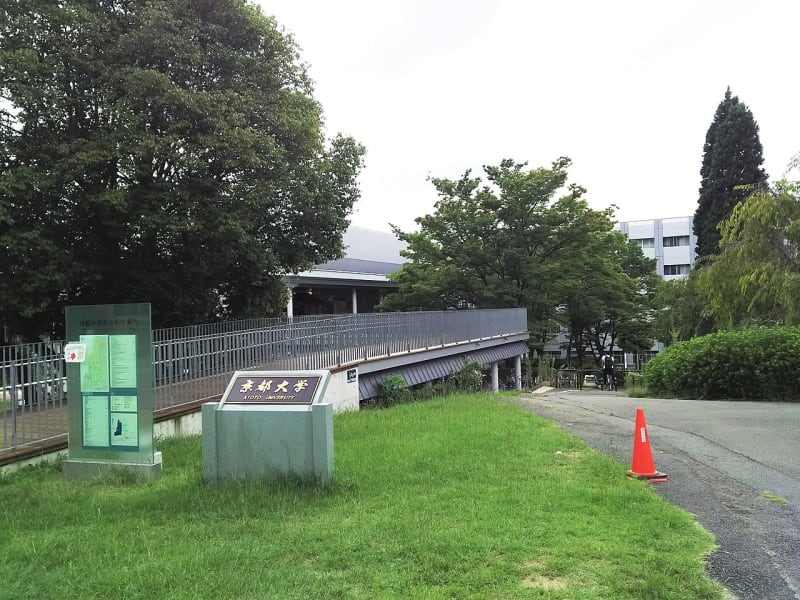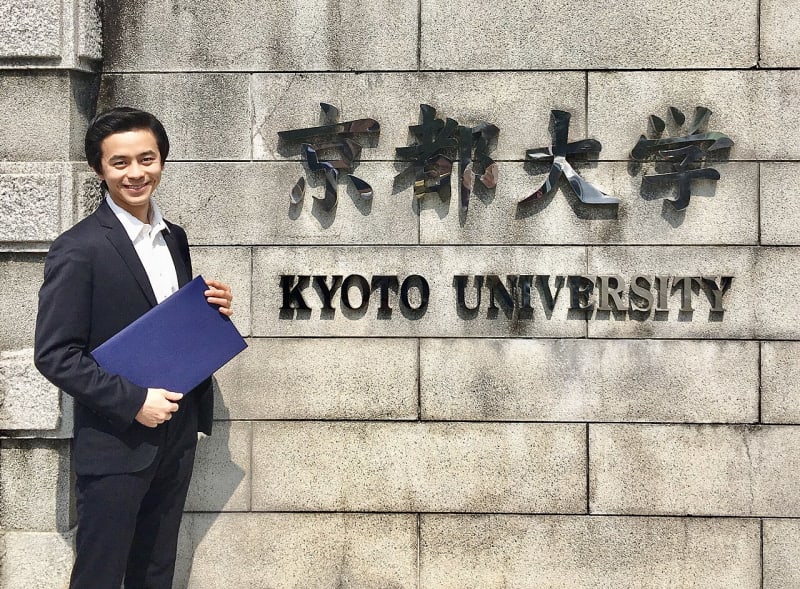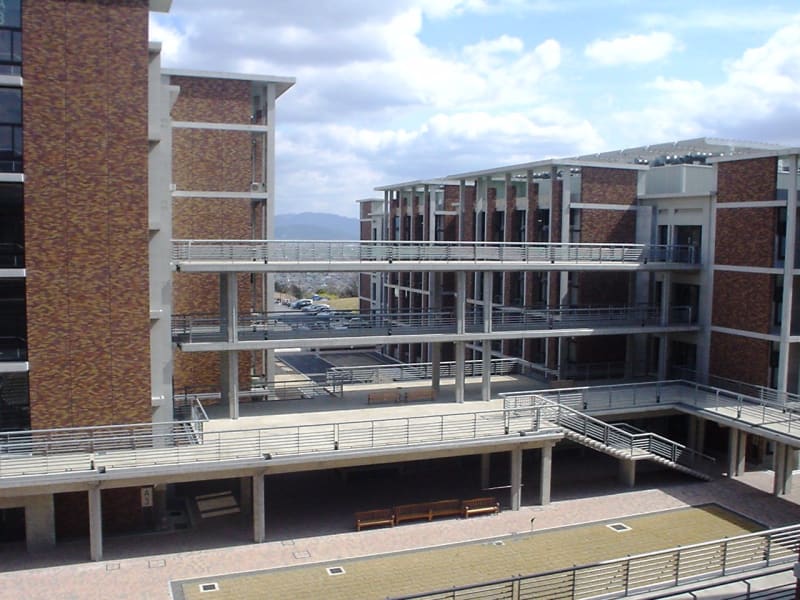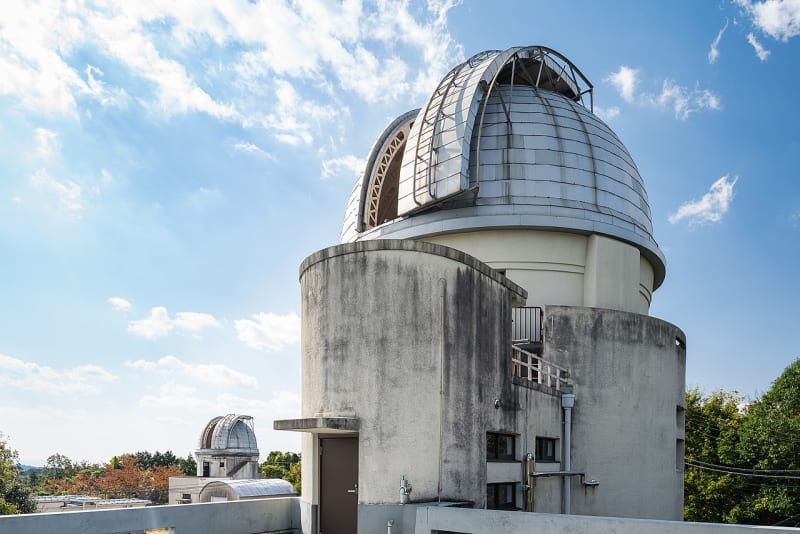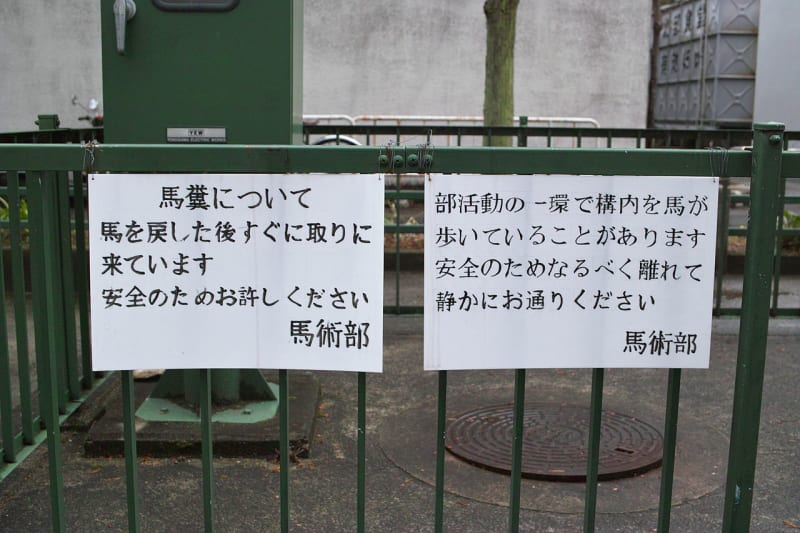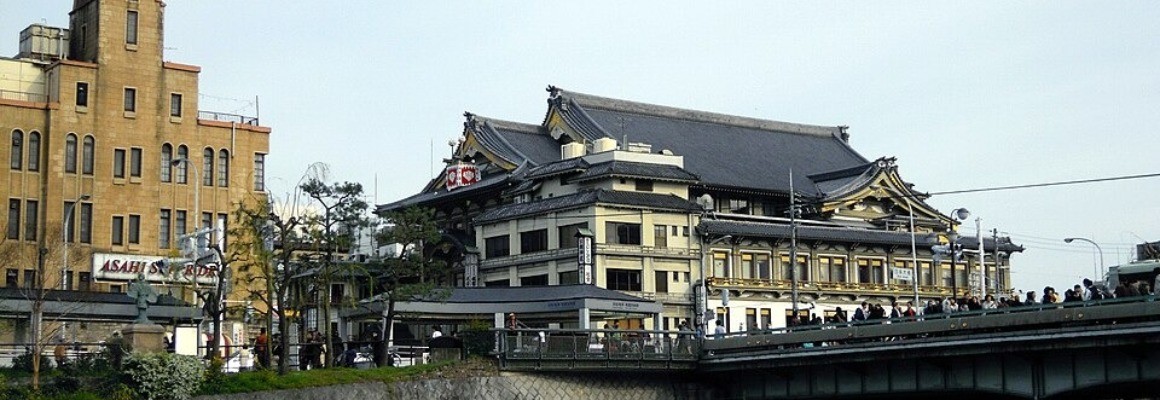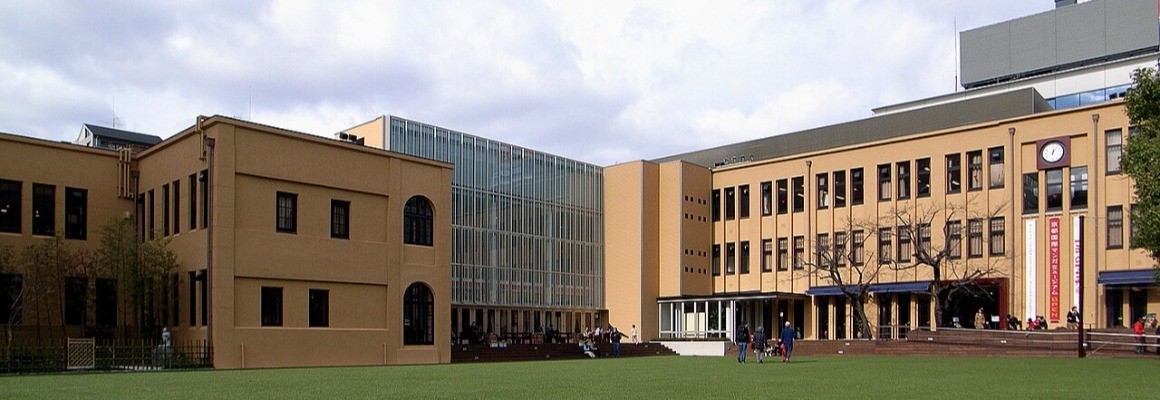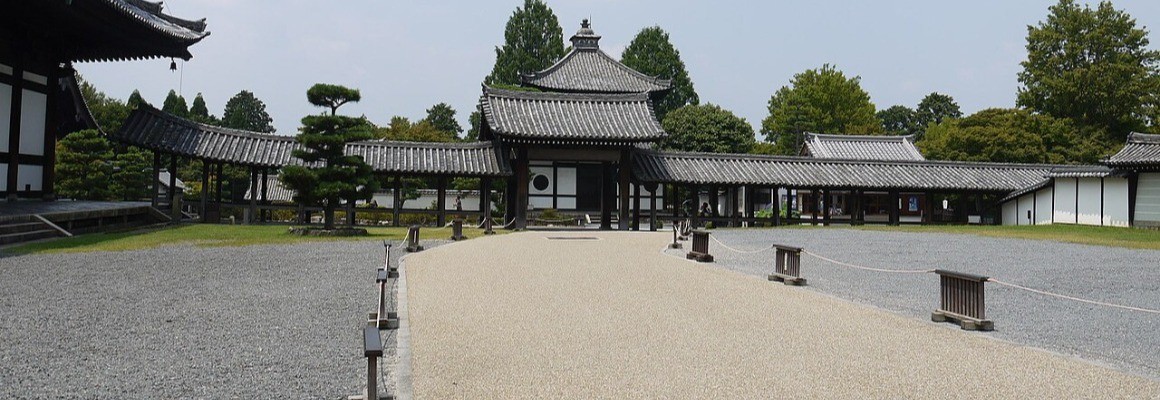

Kyoto University operates in the city of Kyoto, they are considered one of the best higher education institutions in Japan. It has 23,000 students. Education received at the university is recognized as honorable and prestigious. The university consists of three campuses, the main one being Yoshida. The educational institution has 10 faculties, and 15 research departments dealing with fundamental sciences and a number of applied areas have been established on its basis.
History of Kyoto University
In 1869, a School of Chemistry was established in Osaka, it served as the basis for the creation of the 3rd higher school in 1886, which was moved to the Yoshida campus of the current educational institution. In 1897, the school was transformed into the Imperial University and the College of Science and Technology was established, followed in 1899 by medicine and law, and in 1906 by literature.
In 2004, Japan passed a law on the basis of which Kyoto University became a national university. The transition to the new status allowed the institution to become financially independent and gain autonomy, although the Ministry of Education retained some control. The University's Department of Geophysics and a scientific institute dedicated to disaster research have joined the National Japanese Earthquake Forecasting Committee. The highest official of the university is its president. So far, there have been 25 of them. It is known that 11 graduates of Kyoto University have received the Nobel Prize and two Fields medals. In the ranking of world universities, Kyoto University ranks 2nd in Japan and Asia, and 23rd in the world.
Features of Kyoto University
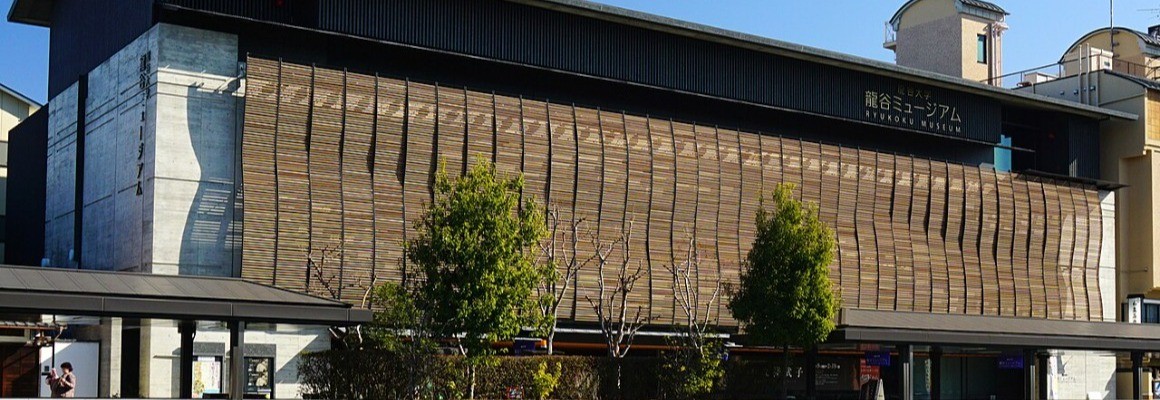
The strongest areas of study are medicine, technology, humanities and arts, natural sciences, mathematics, chemistry, physics, and sociology. The life of the students is well organized. In addition to comfortable dormitories, there is a high-quality medical clinic. The students have a library with a rich collection at their disposal. Kyoto University has a museum dedicated to the history of the institution.
The training takes place on a paid basis and costs about 5 thousand dollars per year. The competition among applicants for admission is quite high - almost 10 people per place. For students who demonstrate success, a number of benefits are provided in the form of scholarships and grants for scientific research. Graduates are awarded bachelor's and master's degrees, and they are in demand not only in Japan, but all over the world. Postgraduate studies are available for those who wish to continue their studies.
Gallery