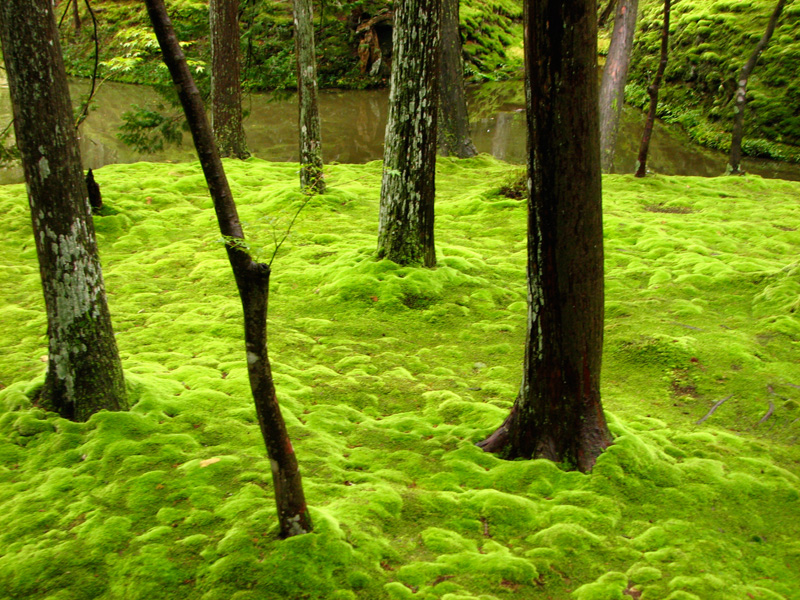
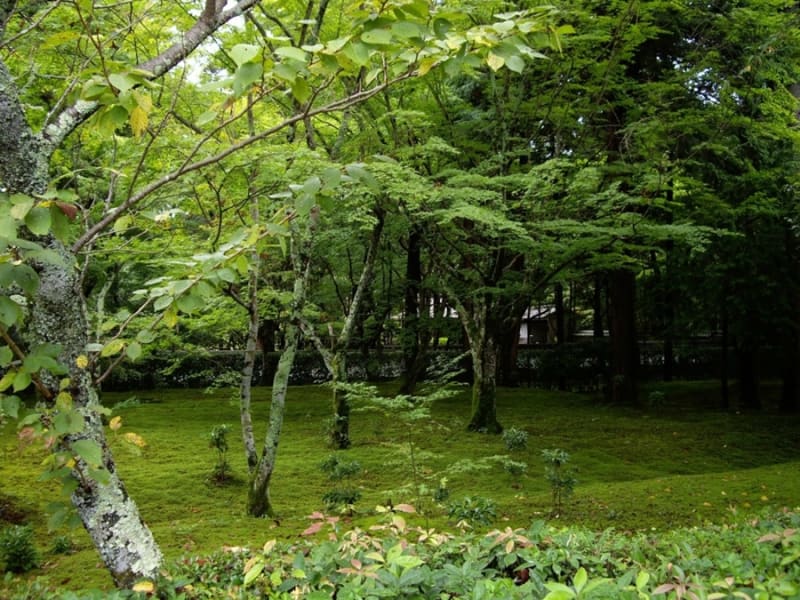
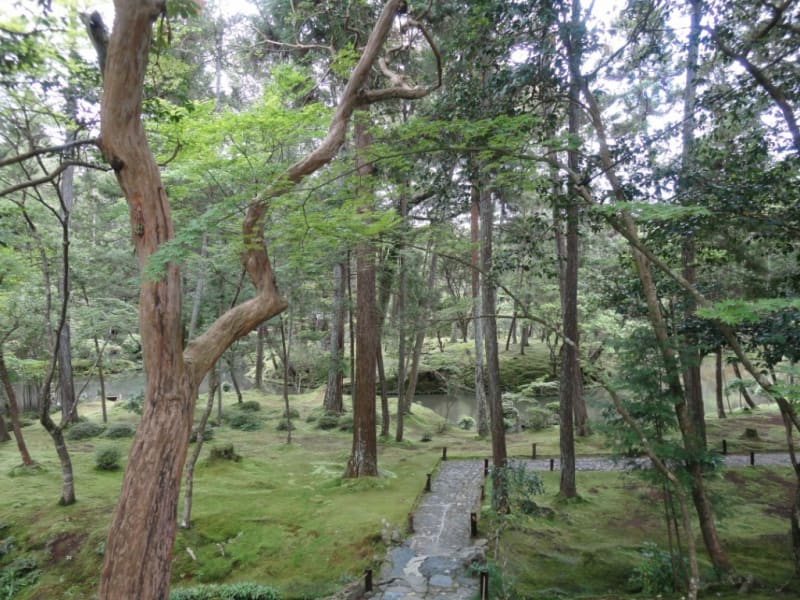
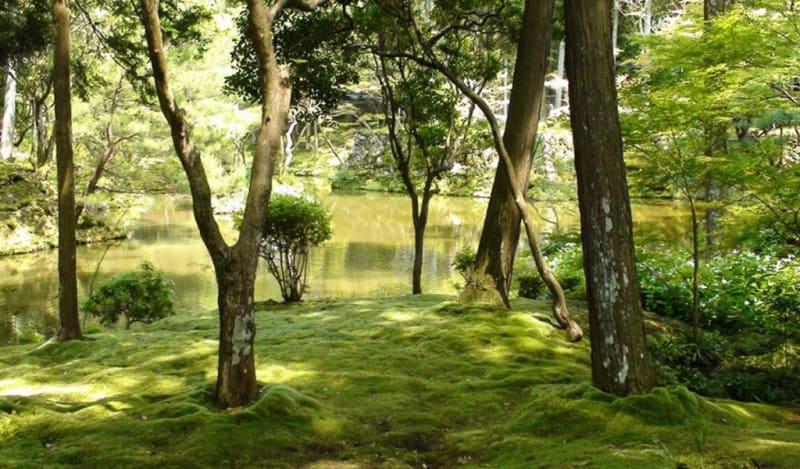
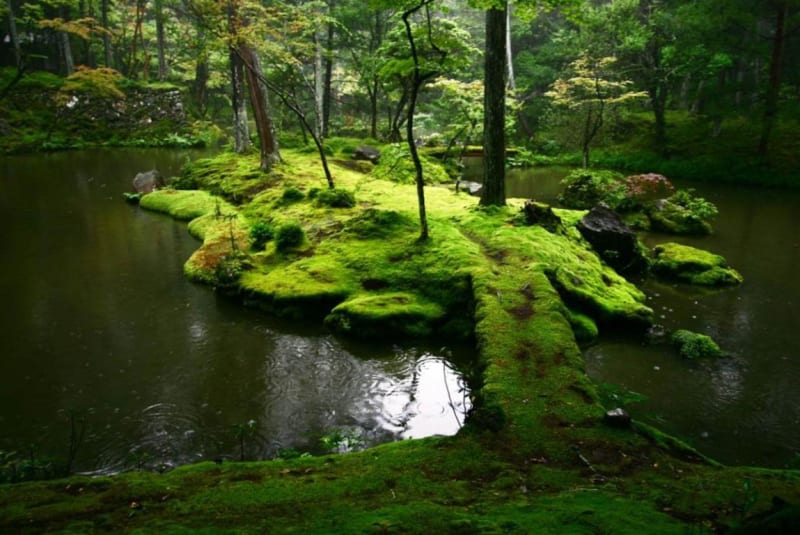
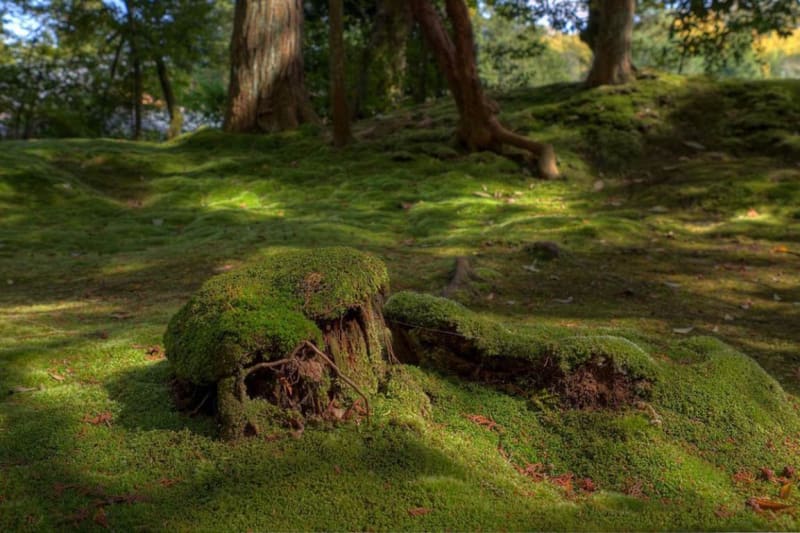
The Saihoji Moss Garden is one of Kyoto’s most distinctive attractions and an outstanding example of traditional Japanese garden design. Saihoji Temple is also known as Kokedera, or the Moss Temple. Its garden is covered with more than 120 varieties of moss, forming a soft green carpet among stones, trees and water. The landscape changes subtly with the light and the seasons.
Saihoji stands apart from many popular Japanese temples because of its quiet, secluded atmosphere. Visitor numbers are restricted, and access requires an advance reservation. This approach helps protect the fragile ecosystem and preserve the temple’s spiritual purpose. For travellers, it is an opportunity not only to admire a beautiful garden but also to experience the stillness of traditional Japanese culture.
History of Saihoji Temple
The history of Saihoji stretches back more than a thousand years. According to tradition, the Buddhist monk Gyoki established a religious site here in the eighth century. The temple later went through periods of decline and restoration. In 1339, the monk and garden designer Muso Soseki transformed it into a Zen temple and created the foundation of its celebrated garden.
The garden originally looked different from the landscape seen today. Its design featured stones, sand and pine trees, while moss spread across the grounds much later. Natural changes and flooding may have created the moist conditions in which moss could flourish. Over time, this green covering gave Saihoji its famous nickname, the Moss Temple.
During the twentieth century, the garden became popular with Japanese and international visitors. However, growing numbers placed pressure on the grounds and disrupted the peaceful atmosphere. In 1977, the temple introduced an advance-reservation system and limited the number of visitors. This policy helped protect the garden and maintain the temple’s religious life.
What Makes the Moss Garden Special
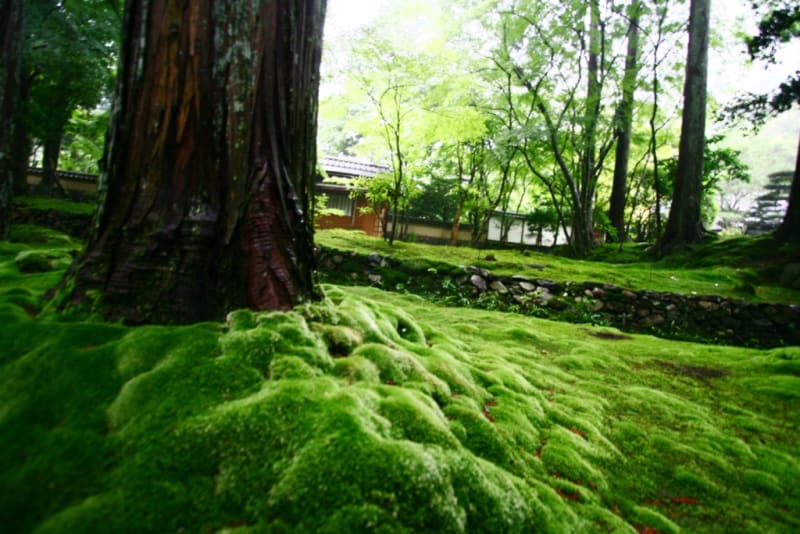
The main feature of Saihoji is the variety of mosses covering the ground, stones and bases of trees. More than 120 types grow here, with colours ranging from pale green to deep emerald. Their soft textures create a sense of depth, especially after rain, when the moss appears richer and the diffused light reveals subtle differences in its surface.
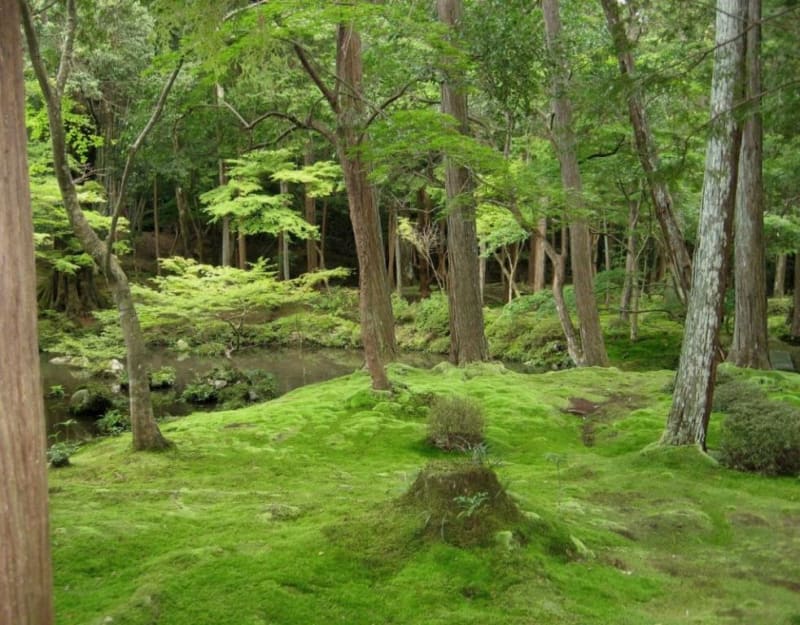
The garden does not look like an artificially arranged display. Stones, roots, small rises in the ground and vegetation appear natural, even though the space is carefully organised according to Japanese garden traditions. Saihoji demonstrates how garden design can work with natural processes rather than overpowering them.
The Lower Garden and Golden Pond
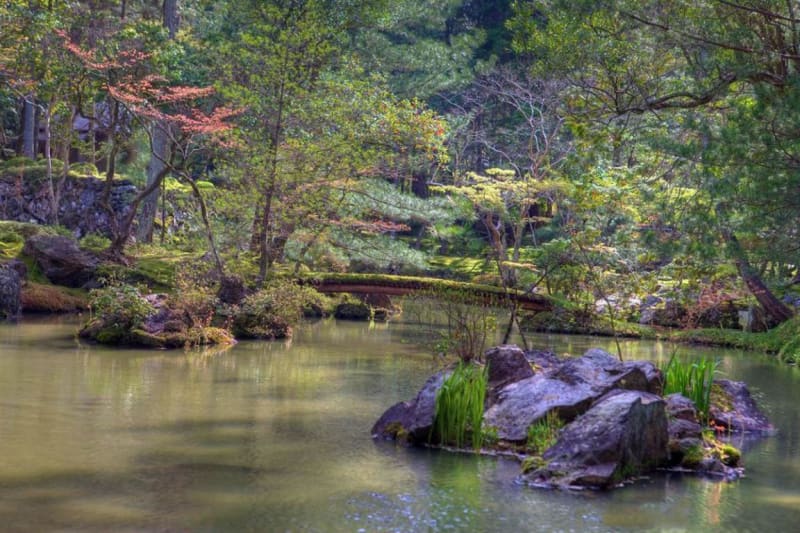
The lower garden is arranged around Golden Pond, its central feature. The pond’s outline resembles the Japanese character kokoro, associated with the heart, spirit and inner world. The water reflects trees and sky, while moss along the banks forms a soft green border. The view changes as visitors move around the pond.
The path follows the water and passes through areas of dense vegetation. The garden changes throughout the year: fresh green growth appears in spring, the moss becomes rich and saturated in summer, and red and golden maple leaves contrast with the green carpet in autumn. The peaceful setting encourages visitors to observe the natural details closely.
The Upper Garden and Stone Arrangements
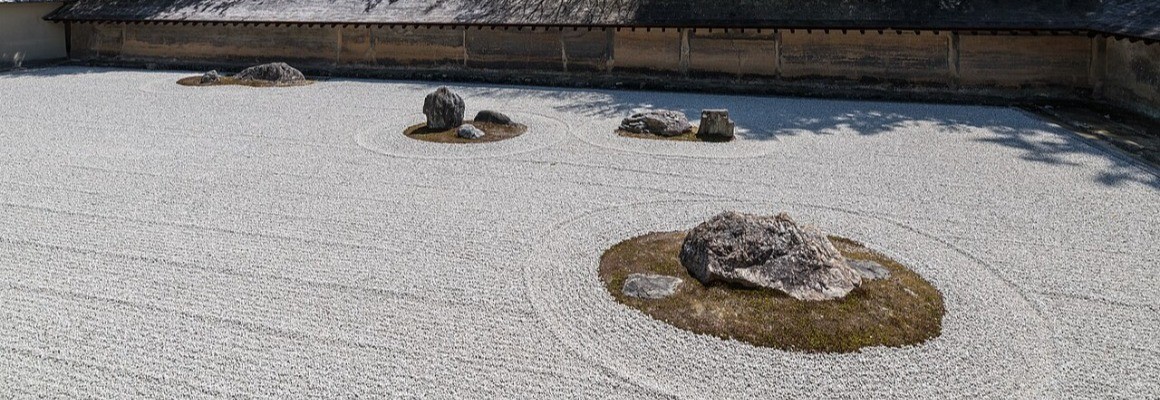
The upper garden has a more austere character. It contains a traditional dry rock garden, where the composition depends on the shapes, positions and textures of stones rather than abundant water or flowers. This style is closely associated with Zen aesthetics and encourages contemplation of simple elements.
The stone arrangements at Saihoji hold an important place in the history of Japanese garden design. The garden developed under Muso Soseki in the fourteenth century influenced later gardens, including those associated with Kinkakuji and Ginkakuji temples. The transition from the lush lower garden to the restrained upper space makes the visit especially rewarding.
Best Time to Visit
Saihoji is attractive throughout the year, but the garden is particularly vivid during the rainy season, usually in June. Moisture helps the moss retain its rich colours, while raindrops highlight the textures of stones and leaves. Summer brings dense greenery, although Kyoto can be hot and humid at this time.
In autumn, red and yellow maple leaves create a striking contrast with the green moss. In spring, the garden gradually comes back to life after winter. Visitor numbers may be lower in cooler months, depending on the admission schedule. The appearance of the plants depends on the weather, so colours and intensity vary from year to year.
How to Get to Saihoji
The temple is located in Kyoto’s Nishikyo Ward at 56 Matsuo Jingatanicho. Visitors can travel from central Kyoto by public transport and continue on foot. One option is to take the Hankyu Arashiyama Line to Matsuo-taisha Station, from which the temple is about a 20-minute walk. Buses and taxis are also available, although journey times depend on the route and traffic.
Advance booking through Saihoji’s official website is required. Check the current reservation procedure and visiting rules before travelling, as available programs and arrangements may change. Do not assume that entry without a confirmed reservation will be possible: visitor limits are intended to protect the garden and preserve its quiet atmosphere.
Visiting Etiquette
Saihoji is an active Buddhist temple, so visitors are expected to respect its religious traditions. Depending on the chosen program, guests may be invited to copy Buddhist sutras, learn about temple practices and walk through the garden. Follow staff instructions, remain on permitted paths and do not touch the moss.
Silence is valued in the garden, making it better suited to quiet contemplation than to a noisy group excursion. Before visiting, check the rules on photography, clothing requirements and the conditions of your chosen program.
Why Visit the Saihoji Moss Garden
Saihoji offers a rare opportunity to experience a Japanese garden whose main attraction is not colourful flowers or elaborate buildings, but the variety of green shades, textures and natural forms. The pond, stones, trees and moss form a harmonious landscape that invites close observation and a break from the noise of the city.
A visit can be combined with exploring western Kyoto and discovering other temples and traditional neighbourhoods. Its long history, distinctive vegetation and restricted access make Saihoji a memorable destination for anyone interested in Japanese gardens, Zen Buddhism and Japan’s cultural heritage.
Gallery