History of Chand Baori
Chand Baori is one of India's best-known stepwells, located in Abhaneri village in Rajasthan's Dausa district. Its construction is generally dated to the 8th-9th centuries. According to a widely repeated account, it is associated with a ruler named Chanda. The structure was designed to collect and store water in the region's dry climate.
Remarkable architecture
The defining feature of Chand Baori is its thousands of narrow steps arranged in precise, symmetrical rows on three sides of the well. They form a repeating zigzag pattern that resembles an inverted pyramid. Tourism sources often cite about 3,500 steps and 13 levels. The structure is approximately 19.5-20 metres deep.
The pavilion and decorative details
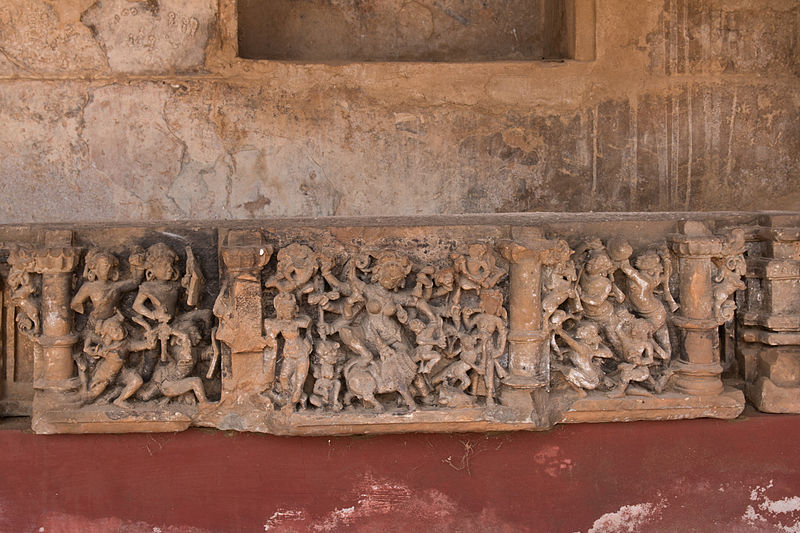
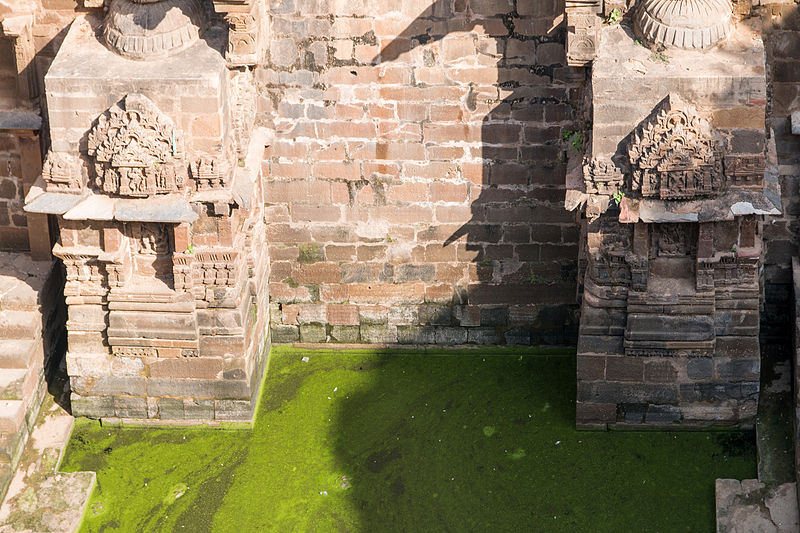
The fourth side is occupied by a multi-storey gallery with pillars, balconies, niches and carved windows. Here, practical engineering meets decorative architecture. Sculpted images of Hindu deities, including Ganesha and Mahishasuramardini, appear in niches around the structure.
How the stepwell worked
During the monsoon, water collected at the bottom of the well. The long stairways allowed people to reach it as the water level changed. Stone walls and shade helped keep the space cool. Stepwells supplied communities with water and also served as places to rest, meet and socialise.
Harshat Mata Temple
The Harshat Mata Temple stands next to Chand Baori and is dedicated to a goddess associated with joy and well-being. Its history dates approximately to the 9th-10th centuries. Together, the temple and stepwell form a heritage setting that illustrates the links between water, daily life and religious traditions in India.
Getting there and when to visit
Chand Baori is about 90 kilometres from Jaipur and can be reached by car, taxi or organised excursion. October to March is often a comfortable period for travelling around Rajasthan because temperatures are generally milder. Bring drinking water, wear comfortable shoes and follow access rules around the steps and temple.
Chand Baori combines engineering ingenuity, traditional water conservation and striking geometric design. Its symmetrical stairways have transformed an essential piece of infrastructure into one of Rajasthan's most recognisable historic landmarks.
Gallery