Buckingham Palace is one of London's most famous landmarks and the official London residence of the British monarch. The imposing building stands in Westminster, close to St James's Park and Green Park. It serves not only as a royal home but also as a venue for official ceremonies, state receptions and formal events.
For many visitors, the palace is associated with the British monarchy, guards in red tunics and the famous Changing the Guard ceremony. Behind its façade lies a large complex of rooms, art collections and gardens, many of which are used for official and ceremonial purposes.
History of Buckingham Palace
The history of the site dates back to the early 17th century. In 1703, a large townhouse known as Buckingham House was built here. In 1761, King George III purchased it for his wife, Queen Charlotte. The building became a family residence and was later known as the Queen's House.
Major changes began under George IV. In the early 19th century, he commissioned architect John Nash to transform the townhouse into a grand royal palace. Construction continued under later monarchs, and new rooms and wings were added over time.
In 1837, following Queen Victoria's accession, Buckingham Palace became the official London residence of the British monarch. Victoria was the first sovereign to live there permanently. During her reign, the palace became a major centre of court life and official events.
The building was altered several times during the 19th and early 20th centuries. The East Wing helped create the familiar modern façade. During the Second World War, the palace was bombed, but it continued to serve as a symbol of the British monarchy. Today, it retains historical, ceremonial and administrative functions.
Architecture and Exterior
Buckingham Palace is a large architectural complex shaped by several phases of construction and renovation. Its appearance combines classical features with later architectural designs. The symmetrical façade, pale stone, rows of windows and central balcony have become familiar symbols of London.
The East Front, facing the Victoria Memorial and the broad forecourt, is particularly well known. It is the most common viewpoint for photographs during official celebrations. The central balcony is used for selected public appearances by members of the royal family.
Inside are numerous halls, corridors, offices, service areas and private apartments. The palace contains around 775 rooms of various types, including state rooms, offices, bedrooms and working spaces. It is therefore not simply a historic monument but an active royal residence.
State Rooms and Art
The State Rooms are among the palace's most impressive interiors. They are used for receptions, ceremonies and meetings with official delegations. During the summer, some of these rooms open to visitors.
The interiors feature decorated ceilings, chandeliers, furniture, carpets and paintings. The Royal Collection includes works by prominent European artists, including Rembrandt, Rubens and Canaletto. It reflects the tastes and interests of generations of British monarchs.
Well-known rooms include the Throne Room, Blue Drawing Room, Green Drawing Room, Picture Gallery and Grand Staircase. Their decoration and functions differ: some host official ceremonies, while others display artworks or receive guests. Access to the interiors depends on the season and the palace's official schedule.
Changing the Guard
The Changing the Guard ceremony outside Buckingham Palace is one of London's best-known traditions. It marks the transfer of duties between units responsible for guarding the royal residence. Guards in traditional uniforms, including red tunics and tall bearskin hats, take part in a coordinated procession accompanied by music.
The duration and format of the ceremony may vary. It does not necessarily take place every day, and the schedule depends on the season, weather and official events. Check current arrangements before visiting.
Spectators usually gather along the railings in front of the palace and on nearby streets. The area can become crowded on ceremony days, so arriving early is advisable. The best viewing point depends on the guards' route and any traffic restrictions.
The Victoria Memorial
In front of the main façade stands the Victoria Memorial, dedicated to the queen who ruled Britain from 1837 to 1901. Unveiled in the early 20th century, it became an important part of the palace forecourt.
The monument includes sculptural figures and decorative elements representing different aspects of royal rule and public life. Its prominent position emphasizes the palace's connection with the Victorian era, when it became the monarch's principal London residence.
The Royal Garden
Behind the palace is a large private garden with lawns, trees, flower beds, paths and water features. It serves as a retreat for the royal family and is used for selected official outdoor events.
Unlike nearby public parks, the garden is generally not open for unrestricted visits. Visitors may see part of it during certain organized palace visits when the route passes through the garden.
The Palace and the British Monarchy
Buckingham Palace is one of the main venues for official events involving the monarch. Foreign heads of state are received here, and state banquets, investitures and meetings with representatives of public organizations are held in the palace.
The building has a visible role during national celebrations, anniversaries and commemorations. The central balcony often appears in broadcasts of major events. However, much of the palace remains in active use for work and residence, so public access is limited.
When to Visit
The exterior can be viewed whenever the surrounding streets and public spaces are accessible to pedestrians. Morning is often convenient for photography, as the light is softer and the area around the railings may be less crowded.
The State Rooms generally open to visitors during the summer, although exact dates change each year. It is best to plan an interior visit in advance. If the Changing the Guard ceremony is your main goal, check its current schedule because weather or official events may lead to changes or cancellations.
How to Get There
The palace is in central London, near several major parks. It can be reached by Underground, bus or on foot from other central districts. Nearby Underground stations include Green Park, Victoria and St James's Park.
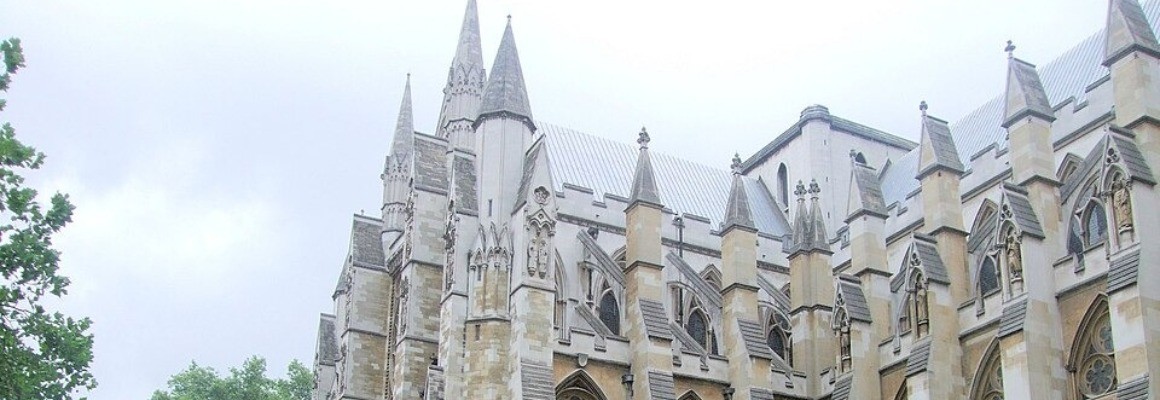
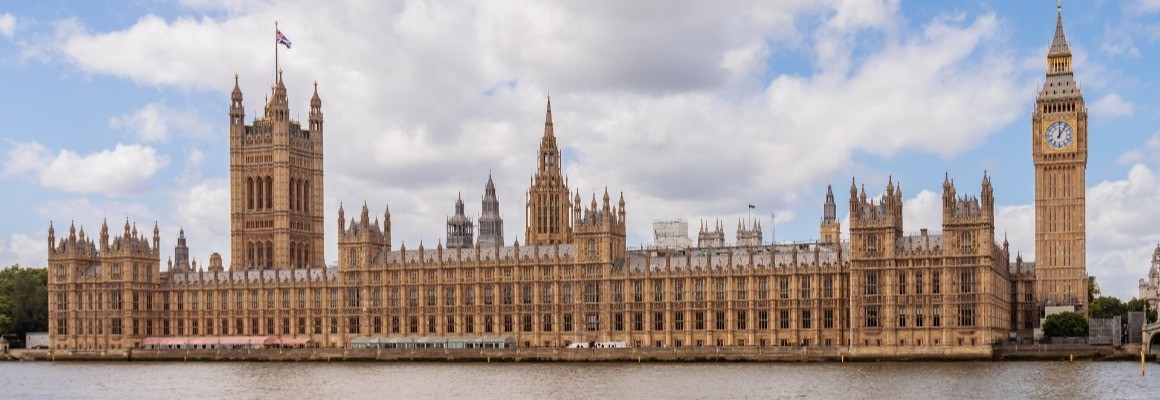
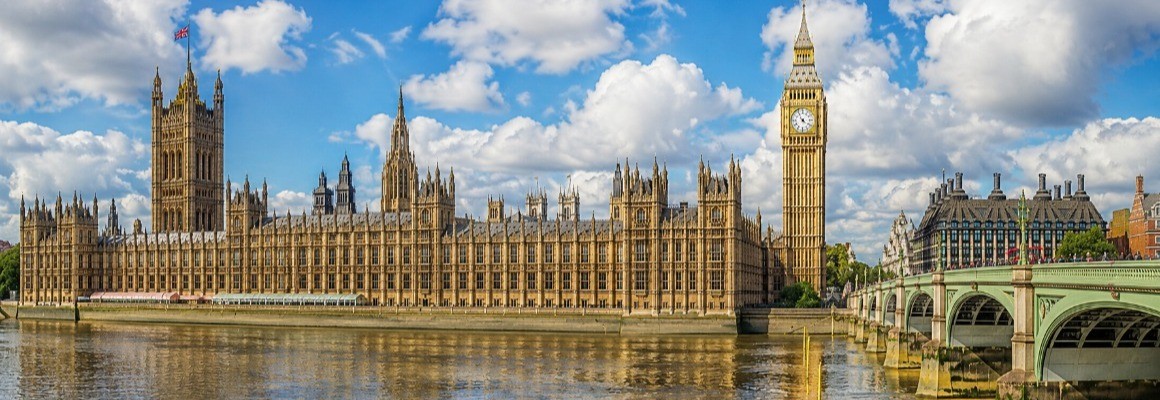
The palace fits easily into a walking route around Westminster, combined with St James's Park, Westminster Abbey, the Houses of Parliament and other well-known London landmarks.
Nearby Attractions
St James's Park is known for its lake, bridges, flower beds and views of royal buildings. St James's Palace, another historic royal residence, is also nearby.
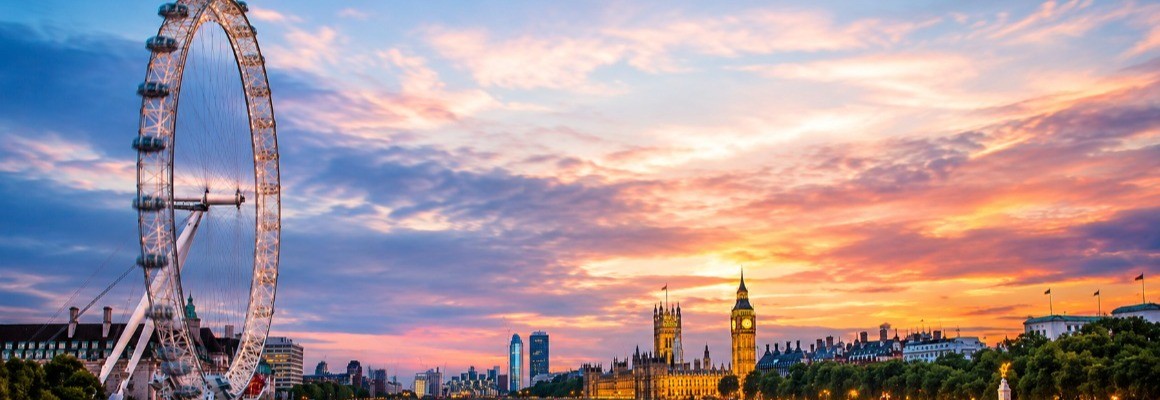
Visitors can walk to Westminster Abbey and the Houses of Parliament, including Elizabeth Tower, famous for the clock known as Big Ben. Those interested in royal history may also enjoy the Royal Mews and the King's Gallery near the palace.
Visitor Tips
If you plan to enter the palace, check opening dates, admission conditions and the length of the visitor route in advance. An exterior visit may take around 30 to 60 minutes, while an interior tour and a walk around the neighbourhood can take several hours.
Arrive early on Changing the Guard days. Do not cross barriers, obstruct the guards or ignore instructions from staff and police. Buckingham Palace remains one of Britain's most recognizable symbols, bringing together history, architecture, art and living royal traditions.
Gallery