Westminster Abbey is one of the United Kingdom's most famous historic churches, located in central London near the Houses of Parliament and the River Thames. For almost a thousand years, it has been connected with the British monarchy, the country's religious life and major state ceremonies. Monarchs have been crowned here, royal weddings have taken place, and kings, queens, writers, scientists, politicians and military figures have been buried or commemorated.
The Abbey is renowned for its Gothic architecture, soaring vaults, stained glass, stone carvings, chapels and historic tombs. Its interior forms a kind of chronicle of Britain: each space, monument and burial is connected with a particular period and the people who shaped the country's history.
Westminster Abbey forms part of the UNESCO World Heritage property that also includes the Palace of Westminster and St Margaret's Church. At the same time, it remains an active Christian place of worship, hosting regular services and national commemorations.
History of Westminster Abbey
The history of the religious community on this site reaches back to around the 10th century. Historical accounts indicate that Benedictine monks settled here around 960. Later, King Edward the Confessor decided to build a large church dedicated to St Peter beside his royal residence. The church was consecrated in 1065, shortly before the king's death.
After the Norman Conquest, Westminster became especially important to royal authority. William the Conqueror was crowned here in 1066, beginning the tradition of holding English and later British coronations at the Abbey. Westminster gradually became a major centre of royal ceremony.
In the 13th century, King Henry III ordered the church to be rebuilt in the Gothic style then developing in England. Work began in 1245. The king wanted a magnificent church worthy of the Crown and suitable for coronations and royal burials. Construction progressed over time, so different parts of the complex belong to different historical periods.
The Abbey continued to change over the following centuries. During the religious changes of the 16th century, the monastic community was dissolved, and under Elizabeth I the institution became a collegiate church. It retained its close connection with the monarchy and developed into one of the country's most important religious and commemorative centres.
Westminster Abbey has survived wars, political crises and changes in British society. Its architecture and monuments reflect different eras, from the medieval kingdom to the modern constitutional monarchy. Today, services continue to take place, while historic ceremonies maintain a link between Britain's past and present.
Architecture and Gothic Style
The Abbey's present appearance was shaped largely by the rebuilding begun in the 13th century. Its architecture belongs to the English Gothic tradition and features pointed arches, high vaults, elaborate supports and large windows. The vertical lines create a sense of height and draw the eye towards the vaults and altar.
Inside, visitors can see the long nave, side aisles, chapels, carved details and numerous monuments. Stonework is combined with stained glass, sculpture and decorative patterns. The building was developed and enlarged over many generations, so its interior is not the product of a single architectural plan.
The high ceilings and long perspective of the central space are especially impressive. The architecture served practical needs for worship while also creating a solemn atmosphere. Westminster Abbey is considered one of the outstanding monuments of English Gothic architecture and influenced later architectural work.
Coronations of British Monarchs
Westminster Abbey has been the traditional coronation church of English and British monarchs since 1066. With the exceptions of Edward V and Edward VIII, who were never crowned, monarchs after William the Conqueror held their coronations here. A coronation is not simply a grand public event but a religious ceremony that expresses the historic relationship between monarchy, church and state.
One of the Abbey's most important historic objects is the Coronation Chair. It is associated with royal coronation ceremonies and represents a tradition that remains significant in modern Britain. During the ceremony, the monarch receives the regalia and makes the promises required by the rite.
Coronations have reflected the political circumstances of their times. Despite changes in the country's institutions, the Abbey remains the place where the historical continuity of the British Crown is expressed in a visible way.
Royal Tombs and Chapels
Westminster Abbey contains the burials of around thirty kings and queens, as well as many memorials to members of royal families. One of its most important sites is the shrine of Edward the Confessor, located behind the High Altar. His veneration played a significant role in the Abbey's religious history, and his shrine remains one of its central monuments.
Nearby are the tombs of other medieval monarchs, including Henry III, Edward I, Edward III, Richard II and Henry V. Their tombs and effigies provide insight into changing ideas about royal authority, religion and burial customs.
The Henry VII Lady Chapel, built in the early 16th century, is particularly remarkable. It is considered a masterpiece of late medieval English architecture, with fan vaulting, elaborate stone carving and rich decoration. Several monarchs, including Elizabeth I and Mary I, are buried there.
The royal tombs show how artistic tastes and ways of commemorating rulers have changed over time. Some monuments are restrained, while others feature sculptures, coats of arms and carefully detailed architectural decoration.
Poets' Corner
Poets' Corner is one of the best-known parts of Westminster Abbey. Many distinguished British writers and poets are buried or commemorated here, including Geoffrey Chaucer, William Shakespeare, Jane Austen, Charles Dickens and members of the Brontë family. Their memorials demonstrate the importance of literature in Britain's cultural history.
The tradition of commemorating writers developed gradually. Not everyone honoured here is buried in the Abbey; some received memorials because of their contributions to literature and national culture. Poets' Corner is therefore both a place of remembrance and a kind of history of English writing.
Visitors can see memorial slabs, sculptures and inscriptions dedicated to authors from different centuries. For literature enthusiasts, the area offers a chance to encounter names familiar from books and school reading lists.
Scientists, Politicians and Other Notable Figures
The Abbey commemorates more than monarchs and writers. Scientists, statesmen, military figures and people from other professions are buried or remembered here. The memorials reflect Britain's recognition of individuals who made significant contributions to science, culture and public life.
Among the famous scientists associated with the Abbey are Isaac Newton and Charles Darwin. Their memorials recall how scientific discoveries transformed humanity's understanding of nature and the world. The church also contains memorials to political figures and others whose work influenced the country's history.
The variety of monuments turns the Abbey into a space of national memory, where the history of the monarchy sits alongside the histories of literature, science, war and social change.
The Tomb of the Unknown Warrior
Near the west entrance is the Tomb of the Unknown Warrior, one of Britain's most significant military memorials. It contains the remains of an unidentified British serviceman who died during the First World War. The tomb symbolises remembrance of all those killed in wars whose names and burial places remain unknown.
The memorial has a special place in national commemorations. Members of the royal family, public officials and visiting dignitaries pay their respects here. Its simplicity emphasises the human cost of war and gratitude to those who died in service to their country.
For many visitors, this is one of the Abbey's most moving places. It reminds us that historical memory is not only about famous names and great events, but also about the lives of ordinary people.
Royal Weddings and National Ceremonies
Westminster Abbey has hosted many royal celebrations. Sixteen royal weddings have taken place here, alongside important church services and national ceremonies. One widely known event was the wedding of Prince William and Catherine Middleton in April 2011.
The church is used for commemorative services, ceremonies marking important events in British history and occasions attended by representatives of the state and royal family. Unlike a museum, the Abbey remains an active religious institution, and its life extends beyond tourism.
The combination of historic traditions and contemporary ceremonies makes the Abbey one of the most recognisable symbols of British statehood. Its past is present not only in architecture and monuments but also in the country's public life.
UNESCO World Heritage
Westminster Abbey forms part of the UNESCO World Heritage property that includes the Palace of Westminster and St Margaret's Church. The ensemble has exceptional historical and architectural significance, reflecting the close relationship between monarchy, religion and government, as well as the development of Britain's parliamentary system.
The Abbey represents important stages in English Gothic architecture. Its artistic design influenced later architectural projects, including the Gothic Revival of the 19th century. The nearby Palace of Westminster completes the historic ensemble and is closely associated with the development of parliamentary government.
World Heritage status highlights the need to preserve not only individual buildings but also the historic setting in which they stand. Westminster remains a living centre of London's religious, political and public life.
Visiting Westminster Abbey
The Abbey is in the Westminster district of central London, close to the Palace of Westminster, the Houses of Parliament and Elizabeth Tower, known for Big Ben. It can be reached by Underground and other forms of public transport. Its central location makes it easy to combine a visit with a walk through London's historic districts.
Allow several hours to explore the interior, chapels, tombs and memorials. Those interested in architecture or the British monarchy may want longer. Check visiting hours before travelling, as tourist access can be restricted during services and official events.
Visitors should respect the rules of an active place of worship, including services, memorials and other visitors. Photography permissions depend on current rules and particular areas, so check before taking pictures.
What to See Nearby
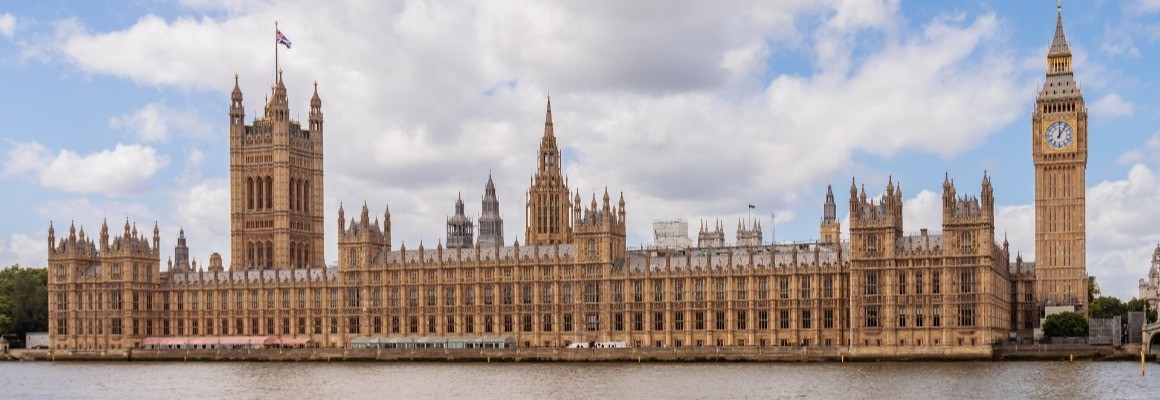
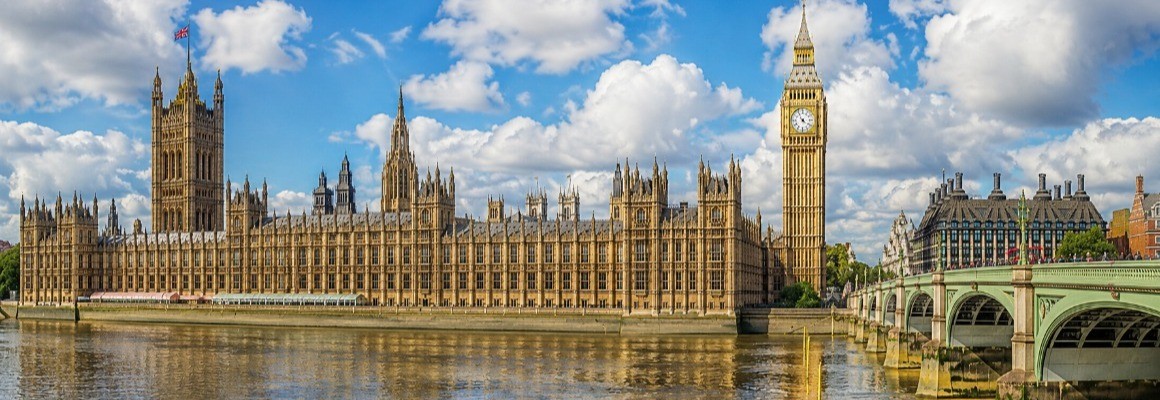
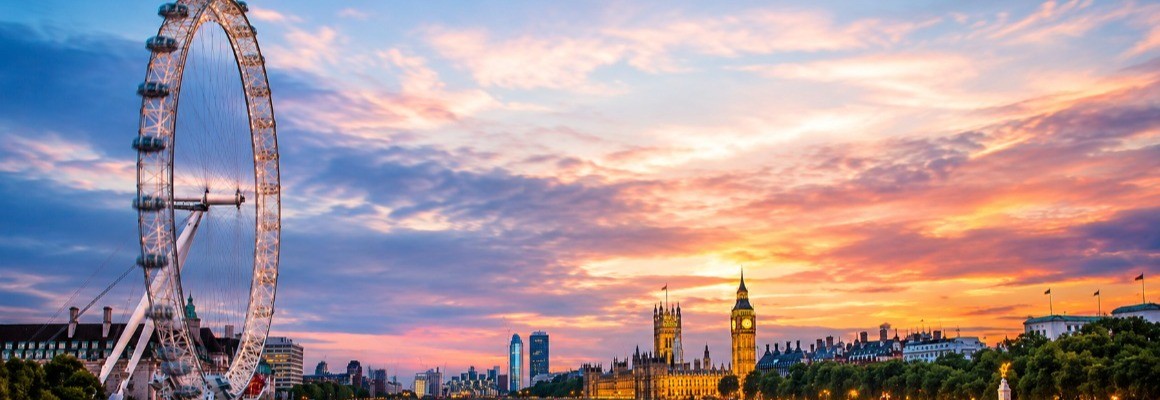
A visit to the Abbey can be combined with a look at the Palace of Westminster, where the UK Parliament meets. Nearby Elizabeth Tower, with its Big Ben bell, is one of London's most recognisable symbols. The palace's architecture and historical role add context to the Abbey.
St Margaret's Church, Parliament Square and the Thames embankment are also nearby. Within a short walk are government buildings and historic Westminster streets. This route introduces visitors to an area containing some of Britain's most important religious, political and historical landmarks.
Interesting Facts About Westminster Abbey
Westminster Abbey is not a cathedral, although it is sometimes described as one in everyday speech. Its formal name is the Collegiate Church of St Peter, Westminster. It has the special status of a Royal Peculiar, meaning that it is directly subject to the sovereign rather than to a bishop or archbishop.
The Abbey contains thousands of burials, memorials and commemorative inscriptions. It preserves the memory of kings and queens, writers, scientists, statesmen and servicemen. Visitors can therefore encounter many different chapters of British history in one place.
Despite its age, the Abbey remains an active church. Services take place, church music is performed and important dates in the national calendar are marked. The combination of religious function, architectural heritage and state symbolism makes it a unique British landmark.
Westminster Abbey is a place where the country's history can be experienced not only through books and museum displays but through the space itself. Its Gothic vaults, royal tombs, writers' memorials and the Tomb of the Unknown Warrior tell stories of power, faith, culture and remembrance that have shaped Britain over many centuries.
Gallery