Dartmoor National Park lies in Devon in southwest England. It is a broad landscape of open heather moorland, granite outcrops, river valleys, ancient stone structures and small historic settlements. Covering approximately 954 square kilometres, Dartmoor is known for its rugged scenery, free-roaming ponies and rich archaeological heritage.
Granite tors and open moorland
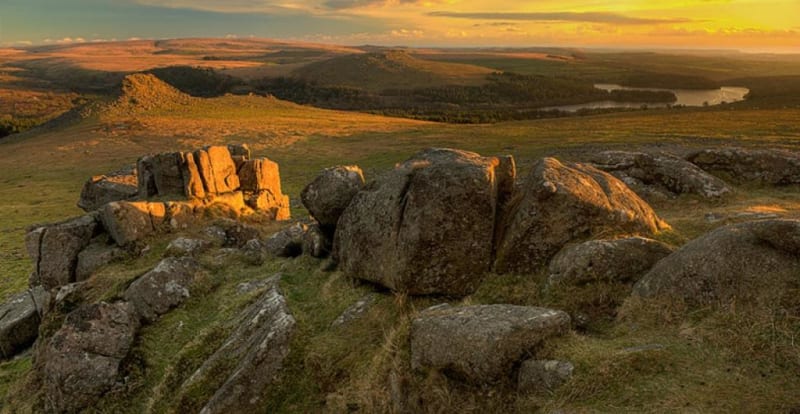
One of Dartmoor’s defining features is its open upland landscape, punctuated by distinctive granite outcrops known as tors. The granite formed around 280–295 million years ago, and weathering over time produced unusual boulder formations and rocky summits. More than 365 tors can be found across the park.
Among the best-known formations is Haytor, which offers wide views over the moors and surrounding countryside. Hound Tor and Belstone Tor are also popular places for walking and photography. On clear days, elevated viewpoints reveal river valleys, green fields and the distant hills of Devon.
Dartmoor’s ancient history
People have lived in Dartmoor for thousands of years. The landscape preserves traces of Bronze Age settlements, ancient field systems, stone circles, standing stones and building remains. These archaeological features offer insights into how earlier communities farmed the land, raised animals and used local resources.
Important sites include Grimspound, a Bronze Age settlement enclosed by a stone wall, and Merrivale, known for its stone rows, circles and other prehistoric remains. Ruins of a medieval village survive near Hound Tor. Tin mining and the extraction of other minerals later became important parts of the region’s history.
Dartmoor ponies
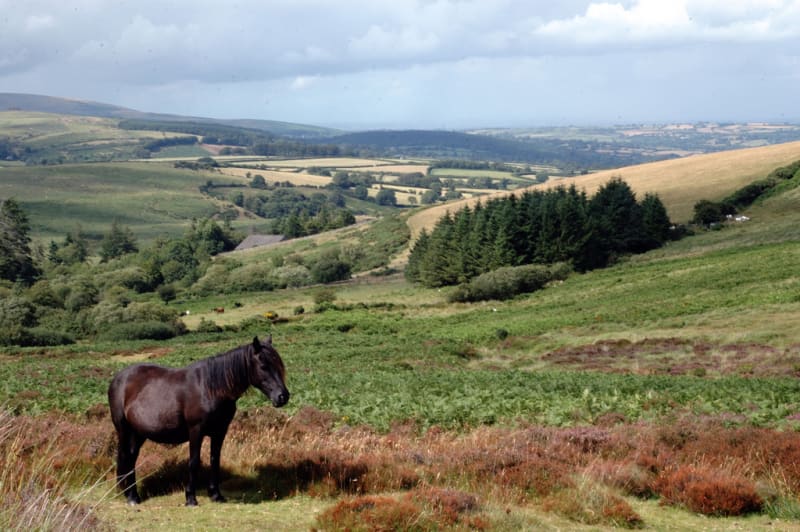
Ponies are among Dartmoor’s best-known symbols. Their ancestors have roamed the moors for millennia, and ponies were traditionally used to carry goods and support local farming. Today, they graze freely across common land and help maintain characteristic landscapes and a variety of wildlife habitats.
Although they may appear wild, most ponies on the moor belong to local farmers. They can behave unpredictably, so visitors should not approach, touch or feed them. Particular care is needed near roads.
Rivers, woodlands and wildlife
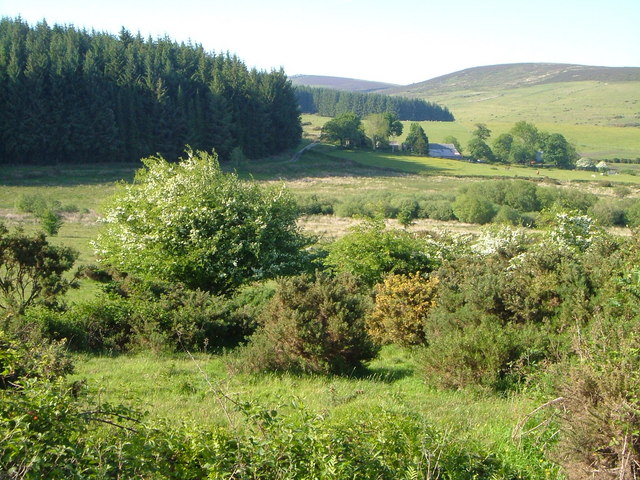
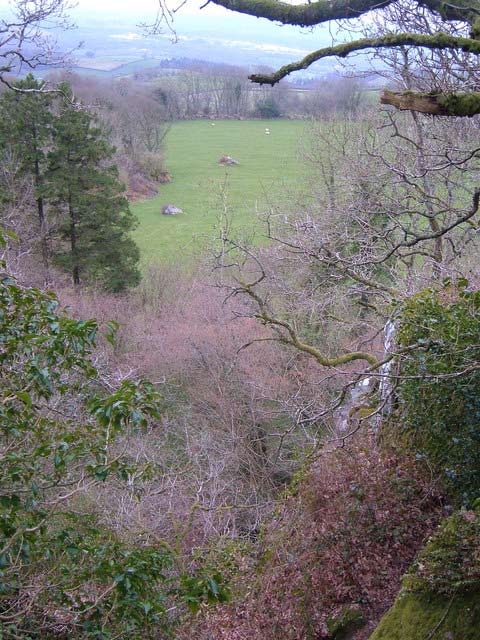
Dartmoor’s natural scenery extends beyond the open moors. Deep river valleys, ancient oak woods, wetlands, hay meadows and farmland create a varied landscape. Several rivers rise within the park, including the Dart and the Teign. In places, their courses pass through rocky channels and steep-sided valleys.
This range of habitats supports many species of birds, insects, plants and mammals. Rare lichens, heathland plants and birds of open country can be found here. Otters and salmon occur in the river systems, while the granite tors support mosses and lichens on their rocky surfaces.
Walking and places to explore
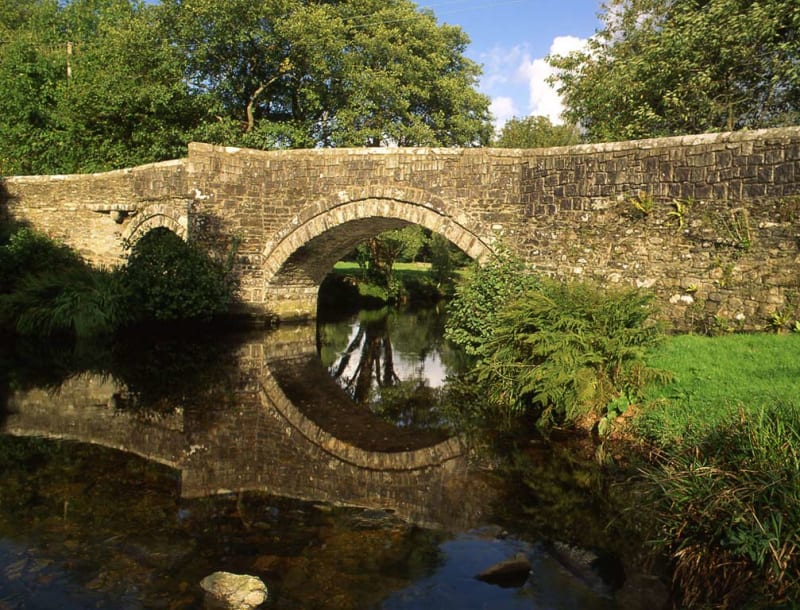
Dartmoor is suitable for hiking, cycling, horse riding and scenic drives. The area around Haytor is a popular starting point for exploring granite formations and open moorland. At Postbridge, visitors can see a historic granite clapper bridge associated with traditional routes across the moor.
Other places worth exploring include small towns and villages around the upland plateau, old stone bridges, historic churches and former mining settlements. Visitor centres and walking routes provided by the national park authority offer useful introductions to the area’s landscape and heritage.
Best time to visit
Dartmoor can be visited throughout the year, although conditions vary considerably by season. Spring brings renewed growth to meadows and woodlands, while long summer days are ideal for extended walks. In autumn, the moors and trees take on rich seasonal colours. Winter can be cold, windy and wet.
Fog, strong winds and sudden showers are possible on exposed ground even in summer. Before setting out, check the forecast and bring waterproof clothing, suitable footwear, a map or navigation device and enough water. Take care around boggy ground and follow safe routes.
How to get there
The national park is in Devon, between several towns in southwest England. A car is convenient for reaching more remote areas, although some settlements can be accessed by train and bus. Exeter, Plymouth and Newton Abbot are possible starting points. Public transport varies by season and route, so it is best to plan ahead.
Dartmoor appeals to visitors who want to experience a different side of England: spacious, rocky and, in places, remarkably remote. Its combination of ancient history, granite summits, rivers, woodlands and traditional rural life makes it one of the country’s most distinctive landscapes.
Gallery