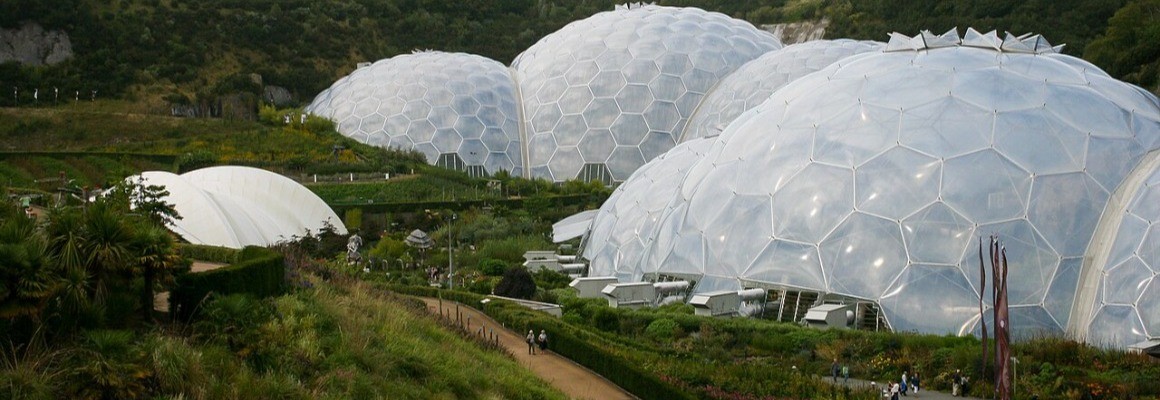
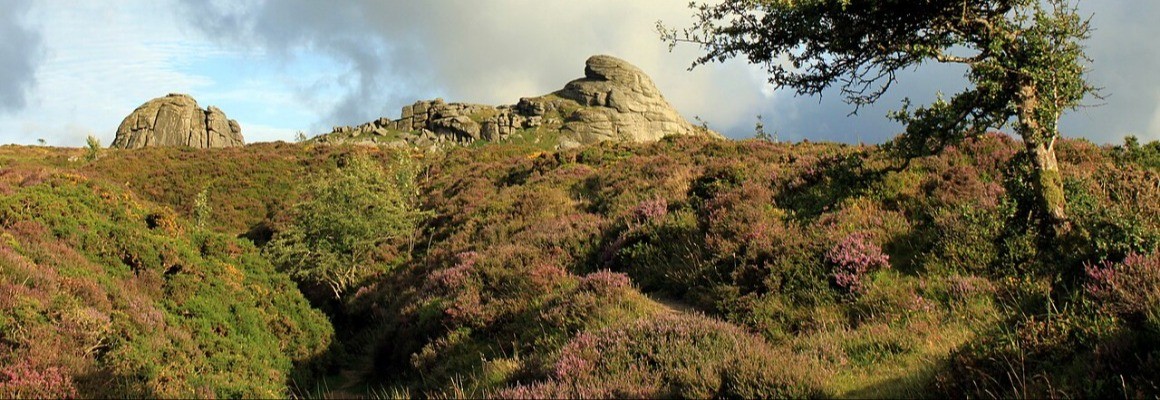
The Lost Gardens of Heligan are a historic garden and estate in Cornwall, south-west England. The grounds combine Victorian gardens, subtropical planting, traditional kitchen gardens, woodland paths and unusual naturalistic sculptures. More than 200 acres of the estate are open to exploration.
History of the estate
The estate passed to the Tremayne family in the late 16th century and was developed over several generations. During the 18th and 19th centuries, the grounds gained terraces, ponds, ornamental areas and enclosed kitchen gardens. By the late 19th century, Heligan had become an extensive estate with greenhouses, fruit trees and a carefully maintained network of paths.
The First World War changed everything. Many gardeners left to serve in the armed forces, and the gardens gradually became overgrown. In 1990, Tim Smit and John Willis began a major restoration project. Clearing paths and investigating old structures helped bring the historic landscape back to life.
Victorian productive gardens
The productive gardens once supplied the estate with vegetables, fruit and herbs. Their traditional layout includes beds, paths and enclosing hedges. A variety of crops and heritage plants are grown using a combination of historic gardening traditions and modern care.
The Jungle
The Jungle lies in a sheltered valley with a humid microclimate. Bamboo, tree ferns, bananas and giant rhubarb grow here. Paths wind through dense greenery, creating a subtropical atmosphere unusual in England.
Pleasure grounds and sculptures
The pleasure grounds feature winding paths, old trees, flower beds and lawns. Among the best-known sculptures are Mud Maid and Giant’s Head. Made with natural materials and vegetation, they change in appearance with the seasons and blend into the surrounding landscape.
Wildlife and the gardeners’ story
Beyond the cultivated gardens are woodland, meadows, ponds and natural trails. The estate supports biodiversity and provides habitats for birds, insects and local wildlife. The story of the gardeners who left for the First World War is an important part of Heligan’s history. An inscription left by workers in August 1914 was discovered in the Thunderbox Room. In 2013, the site was recognised as a living memorial to Heligan’s gardeners.
When to visit
Spring brings fresh growth and blossoms, summer reveals the lush subtropical garden, autumn adds warm foliage colours, and winter highlights the structure of the gardens and old trees. Cornwall’s weather can change quickly, so waterproof clothing and comfortable shoes are useful. Allow at least four hours to explore the main areas.
How to get there
The gardens are near Mevagissey and St Austell. Visitors can arrive by car or use local buses connecting the gardens with St Austell and Mevagissey. From other parts of the United Kingdom, it is convenient to travel by train to St Austell and continue by bus, taxi or car.
Nearby places
A visit can be combined with a trip to Mevagissey, a coastal village with a fishing harbour and narrow streets. St Austell and other historic gardens in Cornwall are also worth exploring.
The Lost Gardens of Heligan show how a neglected historic landscape can be brought back to life. Garden design, local history, plant diversity and care for nature come together in this distinctive Cornish attraction.
Gallery