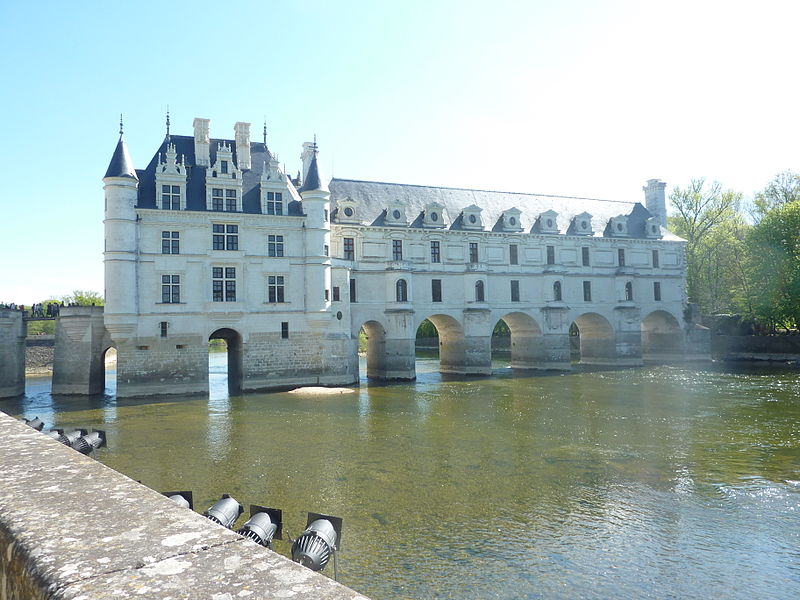
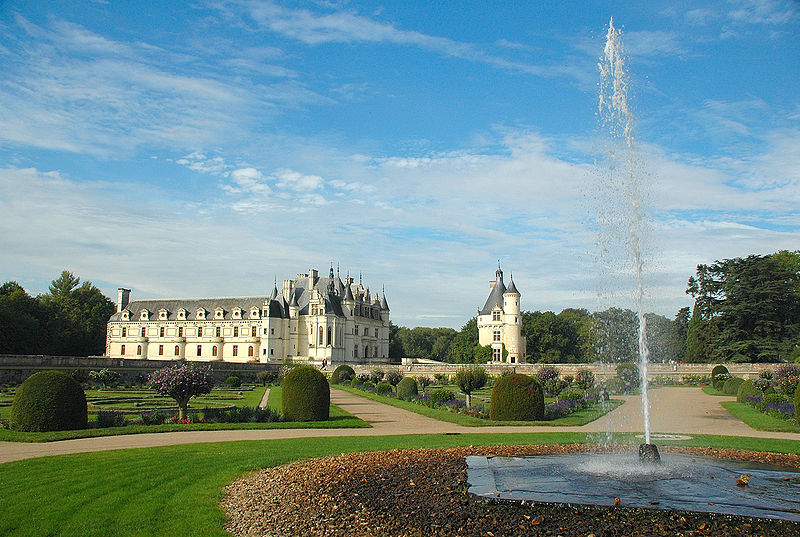
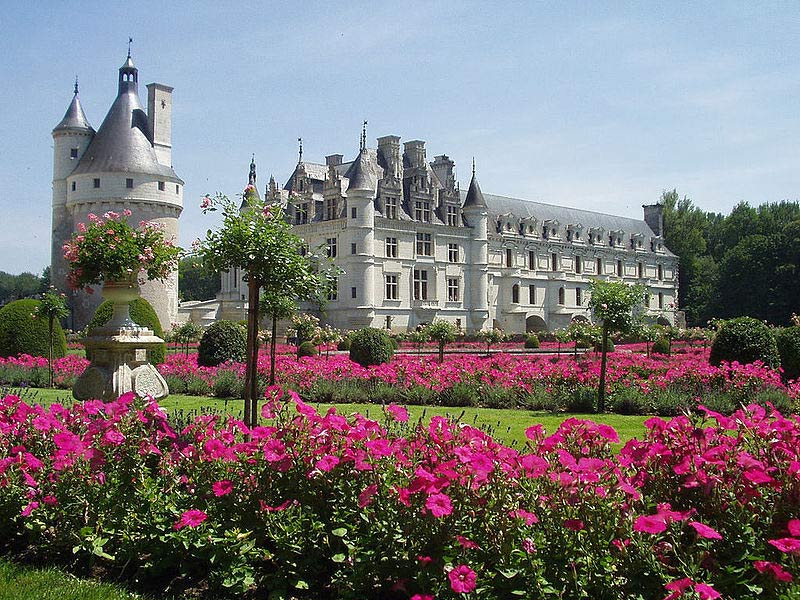
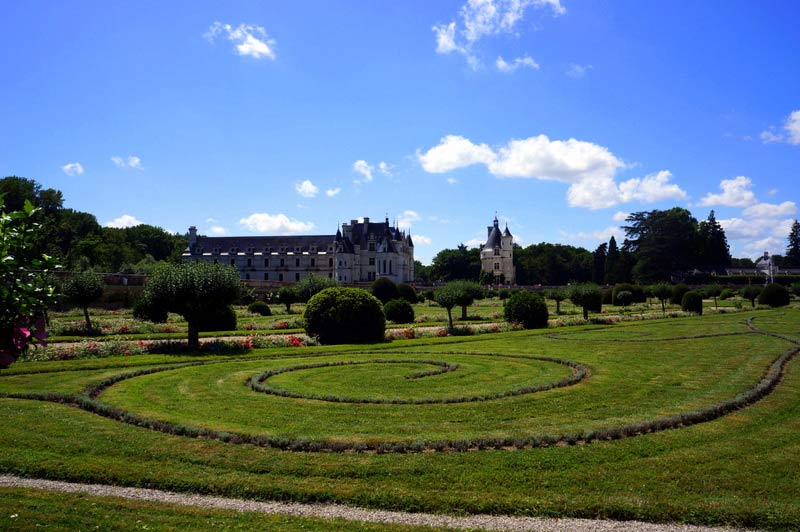
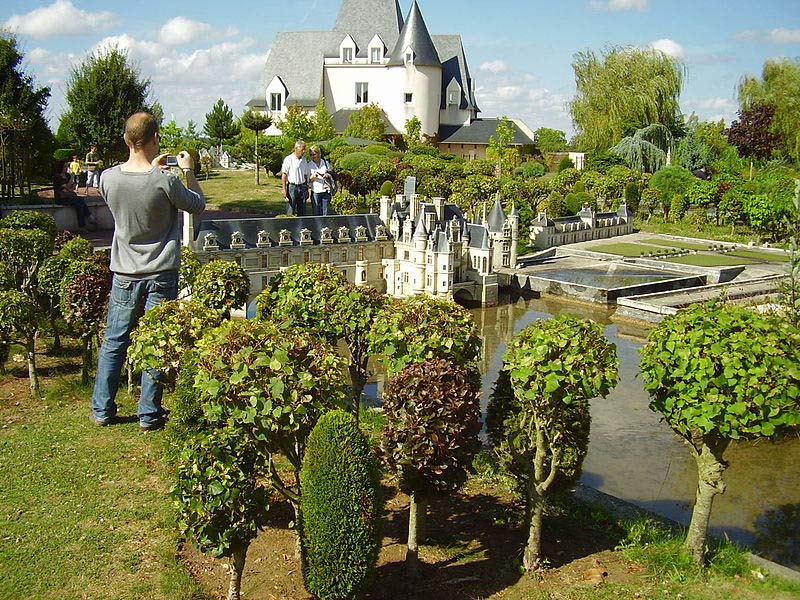
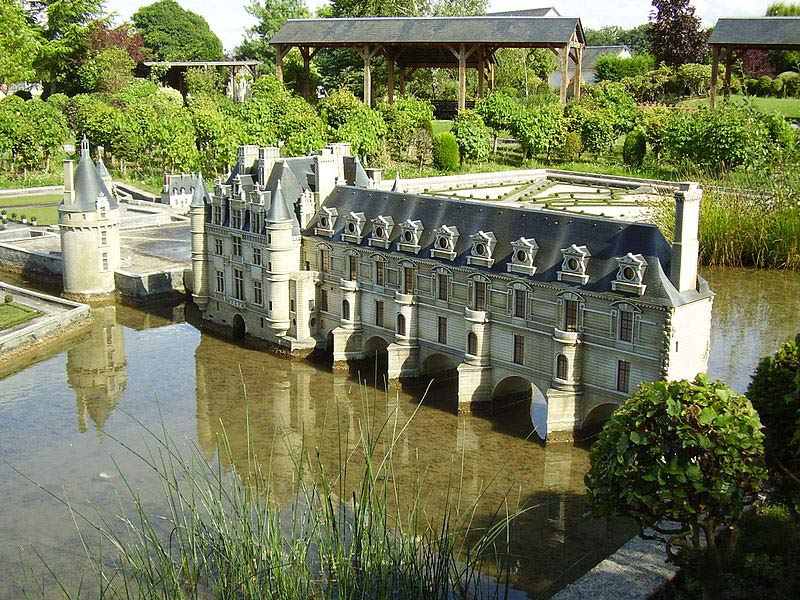
Château de Chenonceau is one of France's best-known Renaissance landmarks. It stands on the River Cher in the Centre-Val de Loire region. Its defining feature is a two-storey gallery built across the river on stone piers. The château is closely associated with several influential women of the French court and is often known as the Ladies' Château.
History of the château
In 1496, Thomas Bohier acquired an older fortified estate. Most of the medieval buildings were later demolished, and construction of the present château began in 1513. His wife, Catherine Briçonnet, played an important role in overseeing the work. The surviving Tour des Marques is a remnant of the earlier fortress.
In 1535, King Francis I incorporated the estate into the royal domain. Henry II later gave the château to his favourite, Diane de Poitiers. During the 1550s, she commissioned a bridge across the Cher and developed the gardens. After the king's death in 1559, his widow Catherine de' Medici took control of Chenonceau. She had a two-storey gallery built over the bridge, creating the château's distinctive silhouette.
The Ladies' Château
After Catherine de' Medici, Louise of Lorraine, widow of King Henry III, lived at Chenonceau in mourning. In the 18th century, Louise Dupin acquired the estate and hosted a literary salon attended by prominent thinkers. Her stewardship helped preserve the château during the French Revolution. In the 19th century, Marguerite Pelouze undertook major restoration work. Henri Menier purchased the property in 1913, and it has remained in the Menier family's ownership since then.
Architecture and interiors
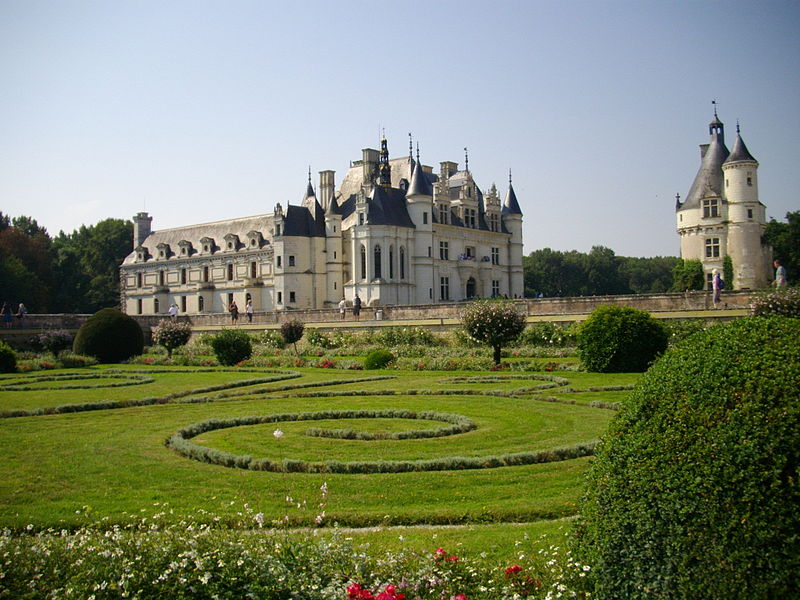
Chenonceau combines late Gothic details with French Renaissance architecture. The main residence stands beside the river, while the celebrated gallery extends over the water. Its long hall and rows of windows create a sense of lightness and offer views of the Cher and its banks. Inside, visitors can see historic furniture, tapestries, paintings, a chapel, ceremonial rooms and bedrooms. The collections illustrate aristocratic life from the 16th to the 18th centuries.
Gardens and grounds
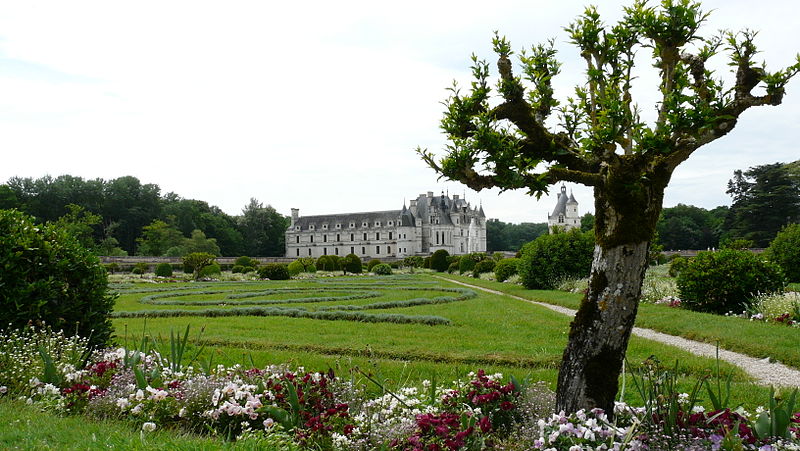
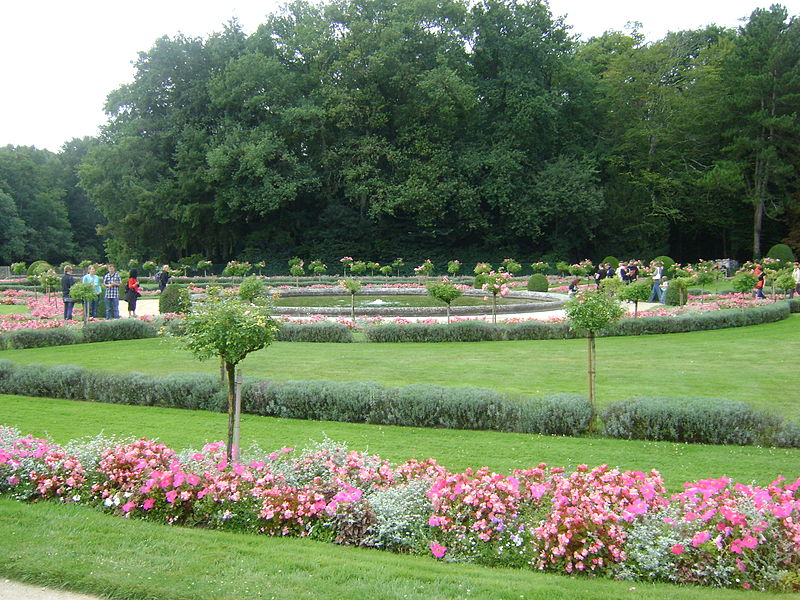
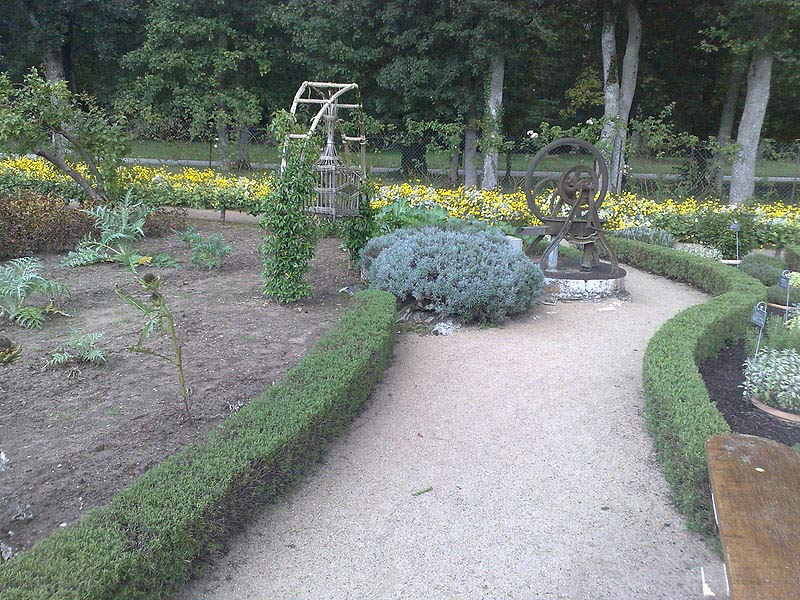
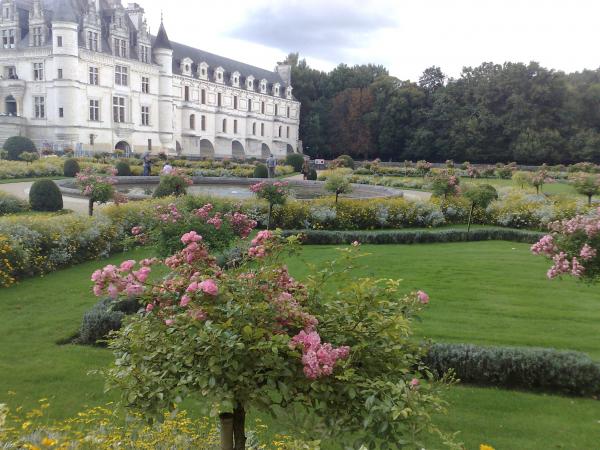
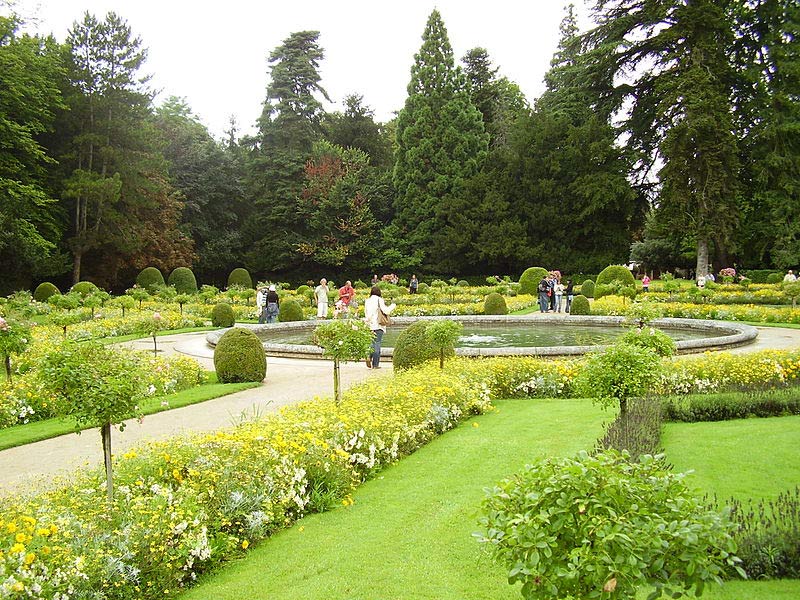
The two best-known gardens are associated with Diane de Poitiers and Catherine de' Medici. Diane's garden features a formal geometric layout and a central fountain, while Catherine's garden lies closer to the château. The grounds also include a flower garden, a floral workshop, a greenhouse and a maze. Seasonal flowers give the estate a different appearance throughout the year.
Historical significance and visiting
During the First World War, parts of the château's galleries were converted into a military hospital. During the Second World War, the Cher marked part of the boundary between occupied and unoccupied France, and the gallery provided an important crossing. Chenonceau was classified as a historic monument in 1840. In 2017, the estate was included in the UNESCO World Heritage property known as the Loire Valley.
The château is located at Château de Chenonceau, 37150 Chenonceaux, France, about 34 kilometres from Tours. The nearby Chenonceaux railway station is approximately 400 metres from the ticket office. Allow several hours to explore the château and gardens. Opening hours and ticket prices vary by season, so check the official website before travelling.
Gallery