A sea fortress off Helsinki
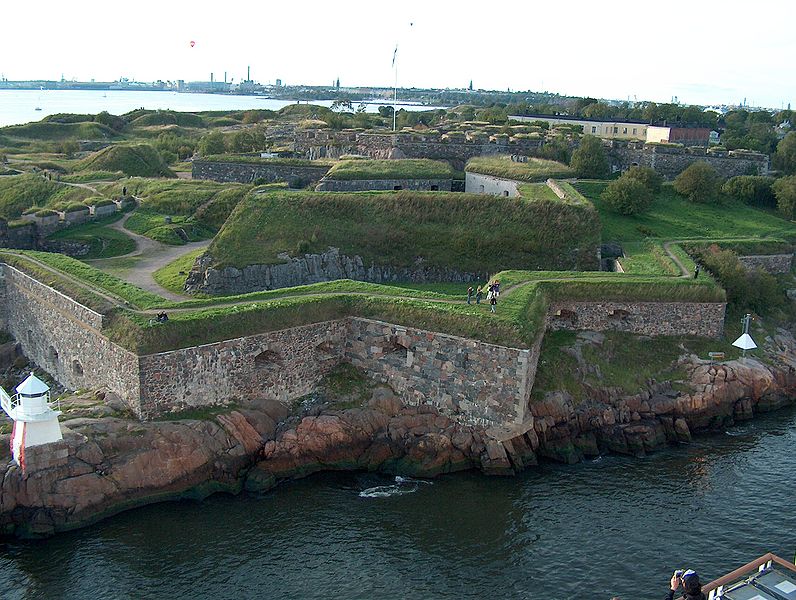
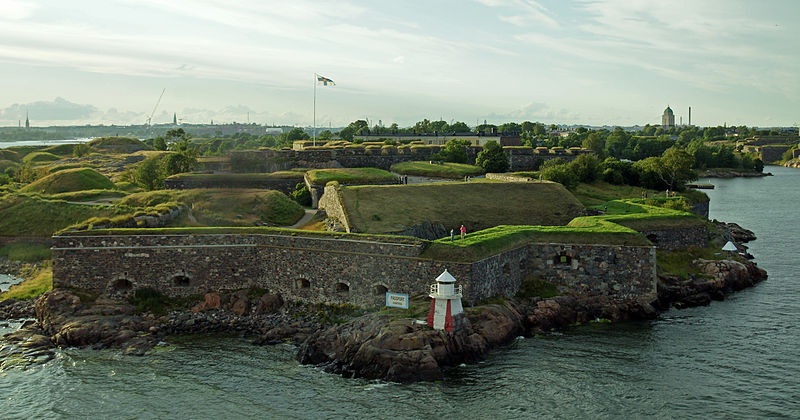
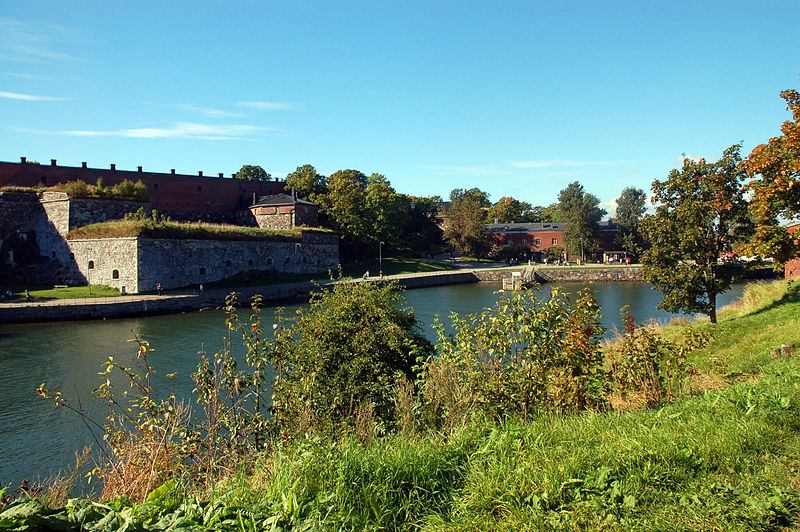
Suomenlinna is a historic sea fortress built across islands at the entrance to the harbour of Helsinki, Finland's capital. It is one of the country's best-known landmarks, where military architecture, rocky Baltic shores, green parks and residential streets form a distinctive historic landscape. The fortress occupies several islands connected by bridges and causeways. Its walls, bastions, artillery positions and old buildings reflect the strategic importance of this stretch of coast.
Construction began in 1748, when Finland was part of the Kingdom of Sweden. The fortress was intended to defend against the Russian Empire and serve as a base for the Swedish fleet. Over time, Suomenlinna came under Swedish, Russian and Finnish rule. In 1991, UNESCO added it to the World Heritage List as an outstanding example of military architecture from its period.
History and fortifications
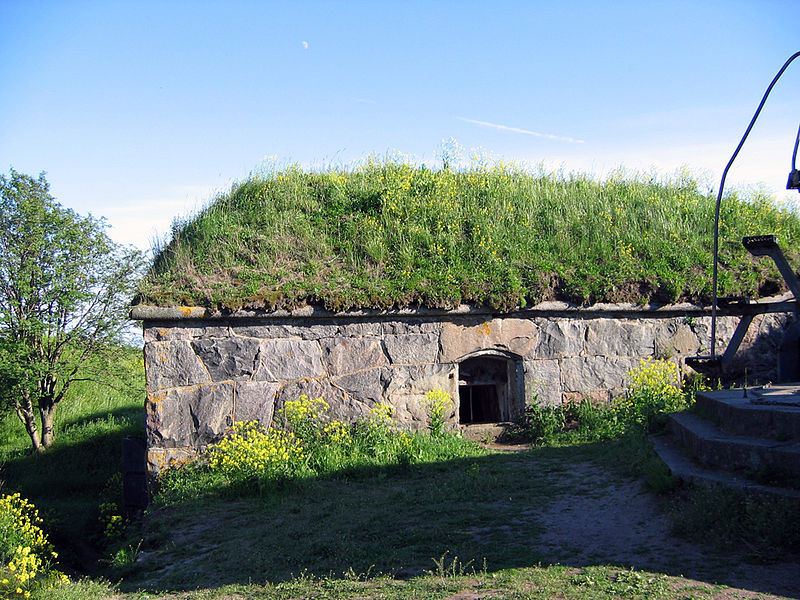
The construction was supervised by Swedish admiral Augustin Ehrensvärd. European bastion-fortification principles were adapted to the rocky islands and the demanding conditions of the Baltic Sea. Local stone was used to build walls and bastions designed to protect the sea approaches to Helsinki and accommodate troops and ships.
During the Russo-Swedish War, the fortress surrendered to Russian forces in 1808. Its defences were expanded during the nineteenth century, and in 1855 it suffered heavy bombardment by an Anglo-French fleet during the Crimean War. After Finland declared independence in 1917, the fortress took the Finnish name Suomenlinna, meaning roughly “Castle of Finland.” In 1973, it was transferred to civilian use, and former military buildings were adapted for homes, museums and cultural activities.
The King's Gate and the Great Courtyard
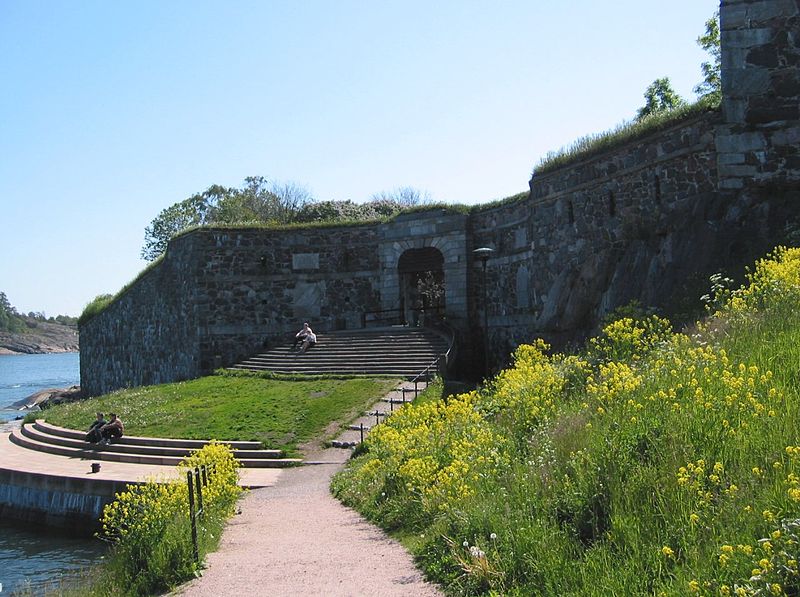
The King's Gate is one of Suomenlinna's most recognisable landmarks. It was built in 1753-1754 near the spot where, according to tradition, the ship of Swedish King Adolf Frederick anchored during an inspection of the construction works. Set beside the sea, the monumental gate is surrounded by fortifications and views across the archipelago.
The Great Courtyard was completed in the 1760s as the fortress's central square. Today it remains one of the area's key historic spaces. It contains the tomb of Augustin Ehrensvärd, who led the fortress project. The courtyard was badly damaged during the bombardment of 1855.
Museums and the dry dock
The Suomenlinna Museum introduces visitors to the construction of the fortress, garrison life, changes in sovereignty and everyday life on the islands. Other museum spaces explore military history and local heritage. Construction of the dry dock began in the 1750s to support Sweden's archipelago fleet. It is among the oldest facilities of its kind and is still used to repair traditional wooden vessels.
Walking routes and island scenery
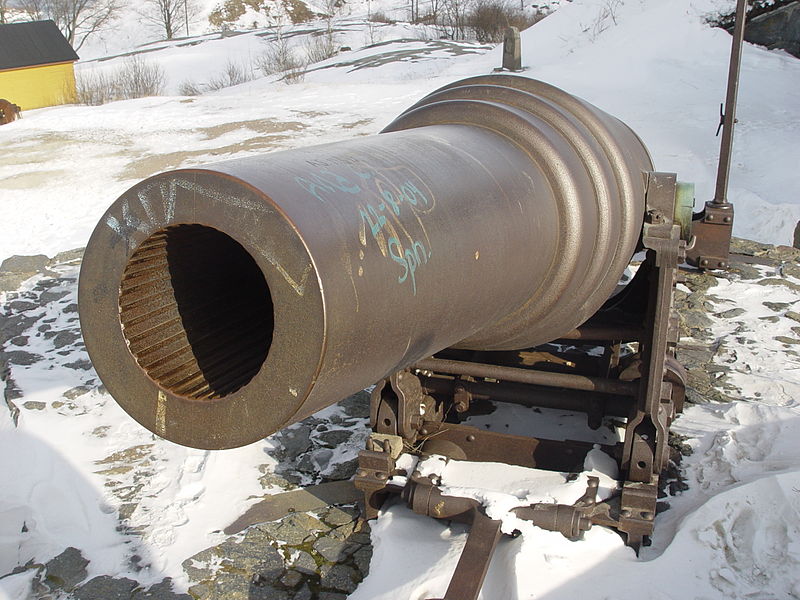
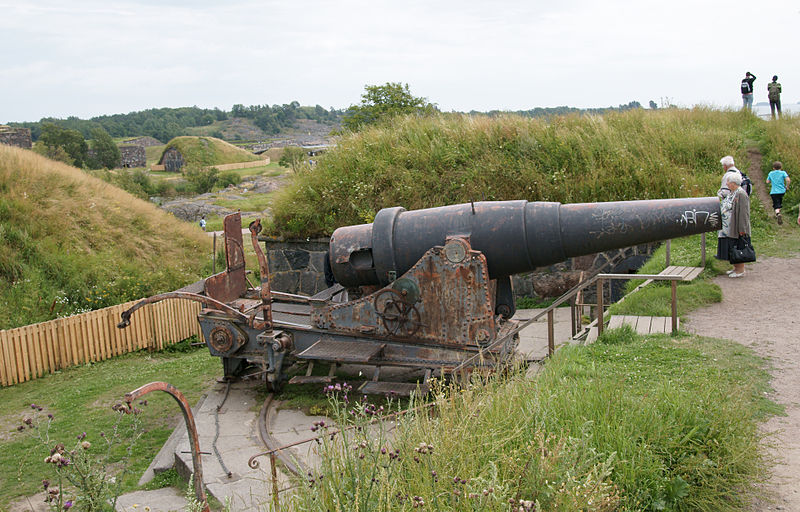
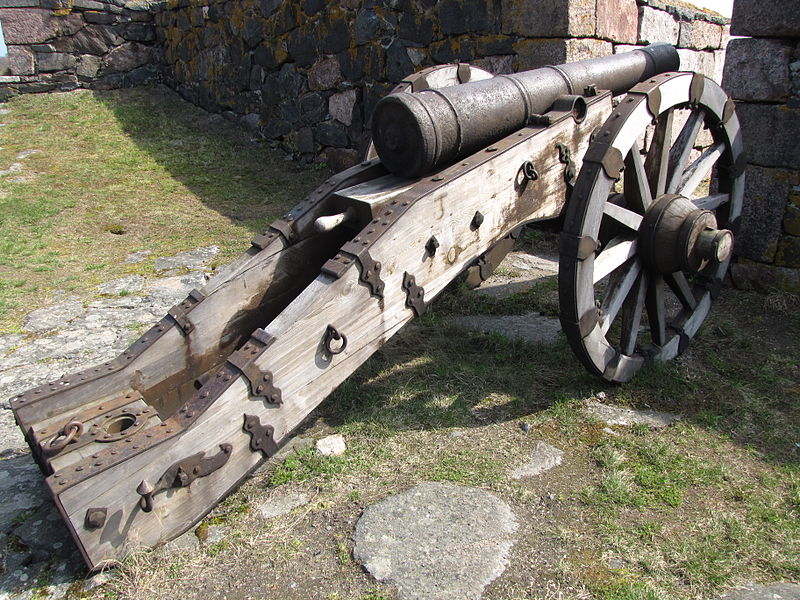
The Blue Route is marked with blue signs and leads from the main pier to the King's Gate, passing many of the fortress's main sights. It is about 1.5 kilometres one way. Along the way, visitors can see bastions, cannons, sea views and some defensive tunnels open to the public. The tunnels can be dark and uneven, so sturdy shoes and a flashlight are useful. Stay on permitted routes and follow warning signs.
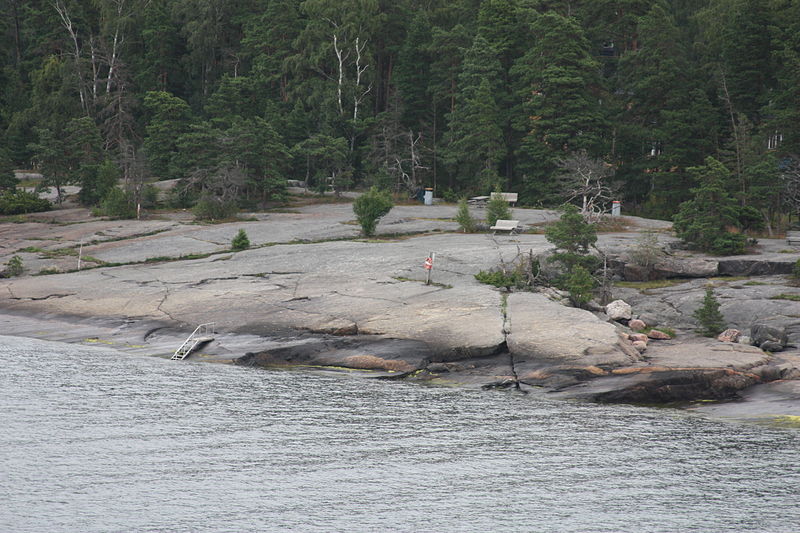
Beyond the fortifications, the islands offer rocky shores, small beaches, grassy areas and views of the Baltic Sea. Suomenlinna is also a residential district, so visitors should respect residents' privacy, take rubbish away and avoid fenced-off areas.
Getting there and the best time to visit
The HSL ferry departs from Helsinki's Market Square and takes about 15 minutes. It operates throughout the year, and a regular public transport ticket valid for the relevant zones can be used. Seasonal water buses may also operate during warmer months. Entry to the fortress grounds is free, while museums charge separate admission.
Summer brings more open cafés and seasonal services, and the long days are ideal for exploring. Spring and autumn are often quieter. In winter, be prepared for cold winds and slippery paths. Before travelling, check ferry timetables and museum opening hours on the official website.
Gallery