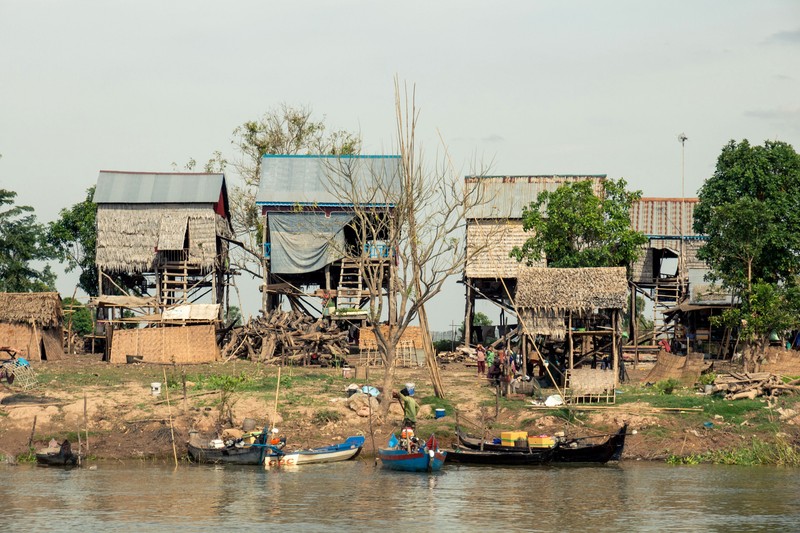
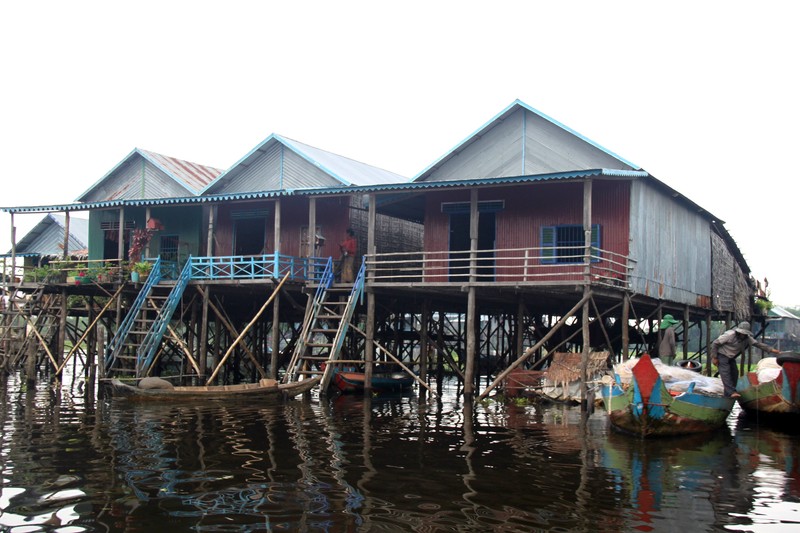
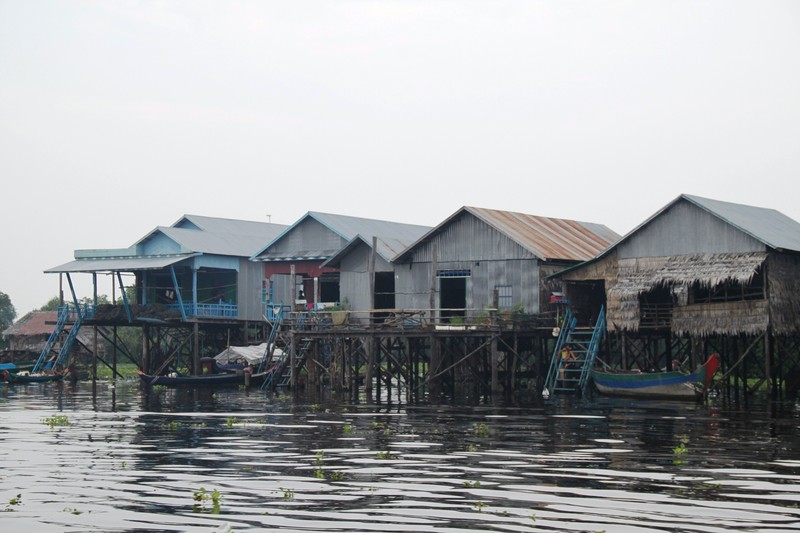
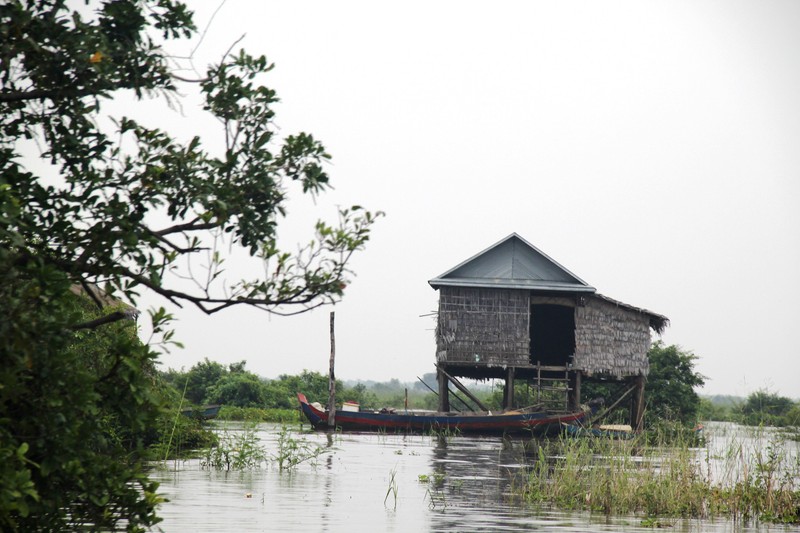
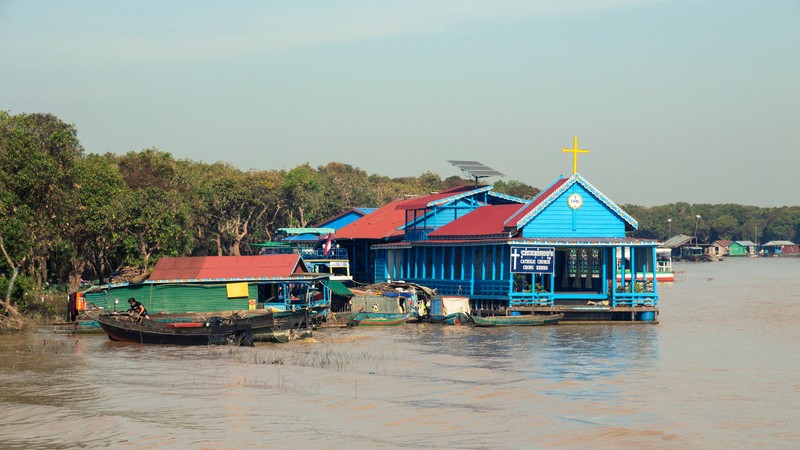
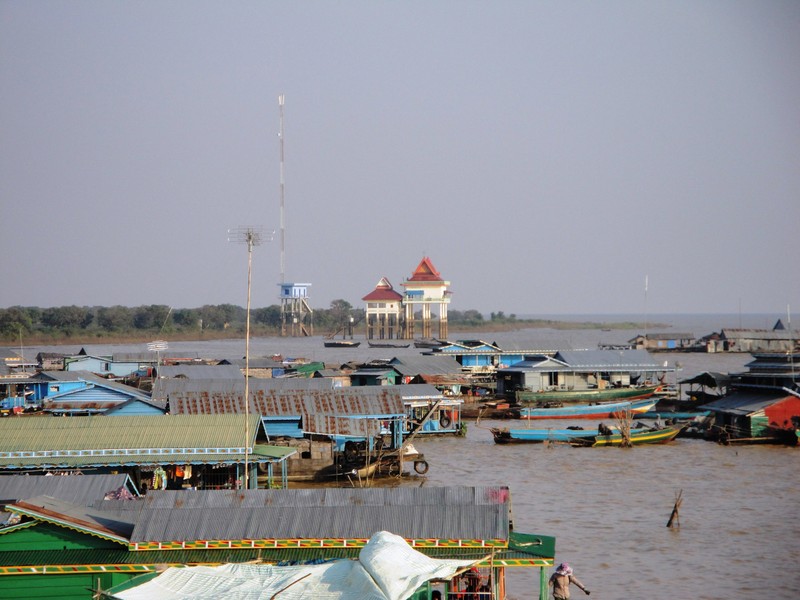
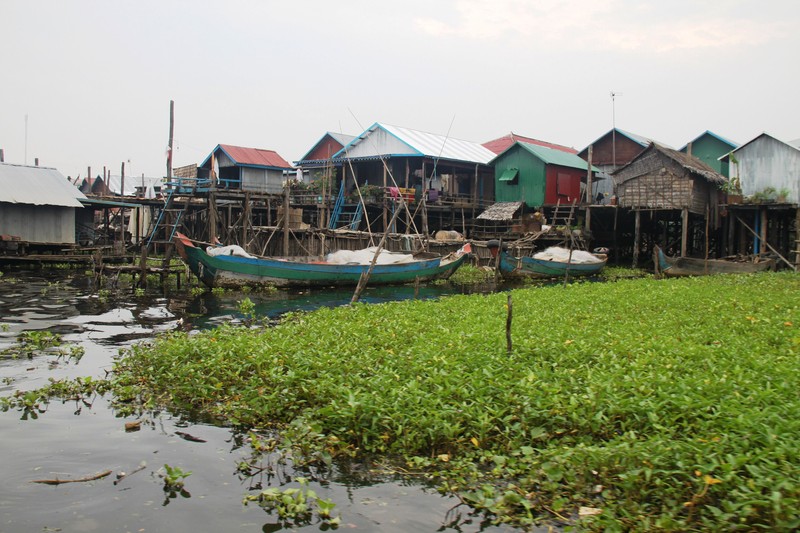
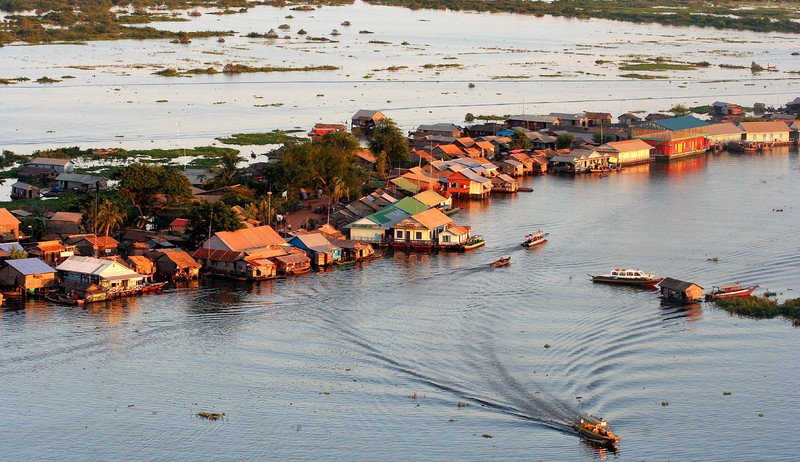
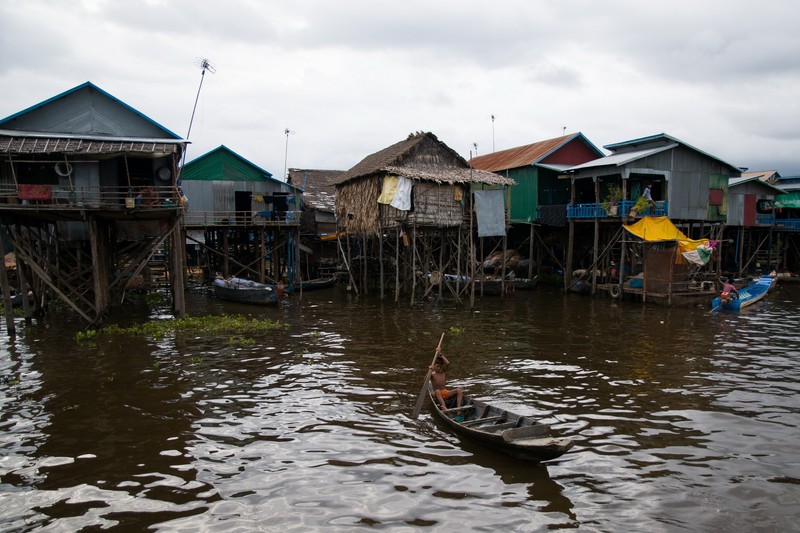
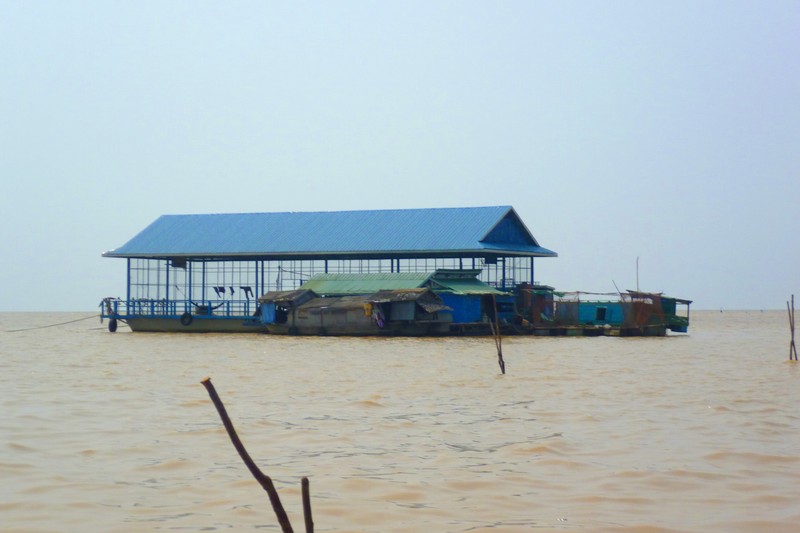
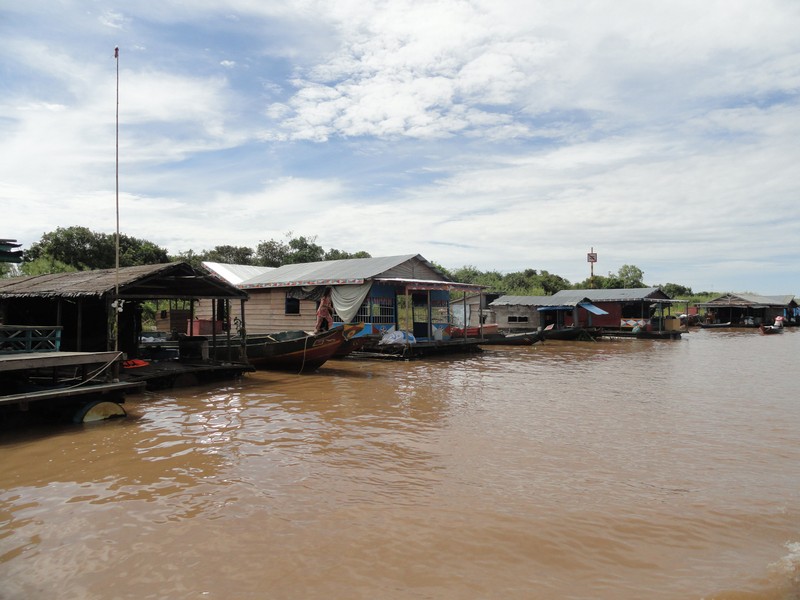
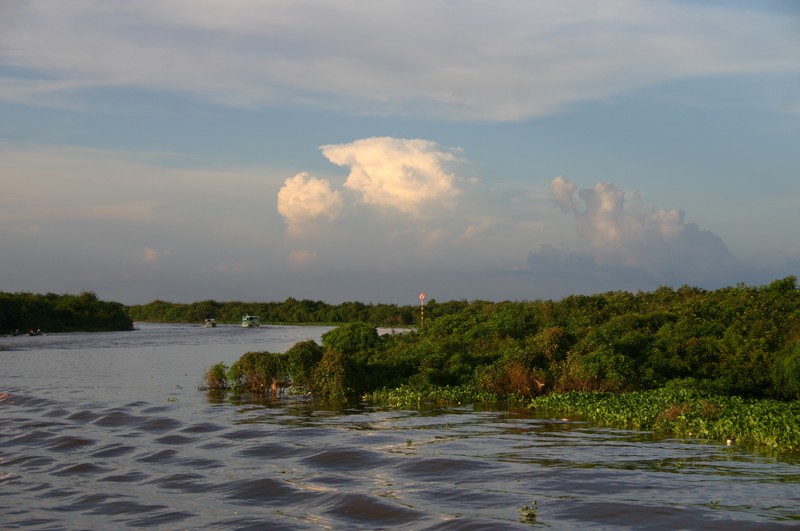
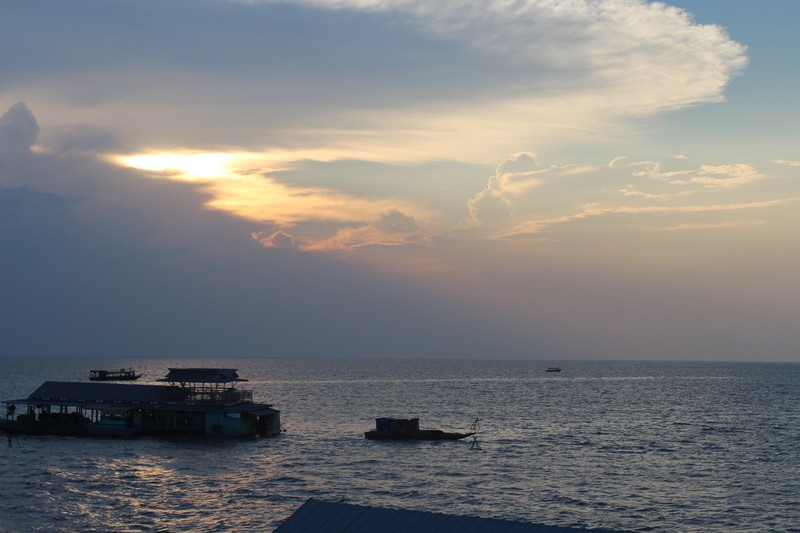
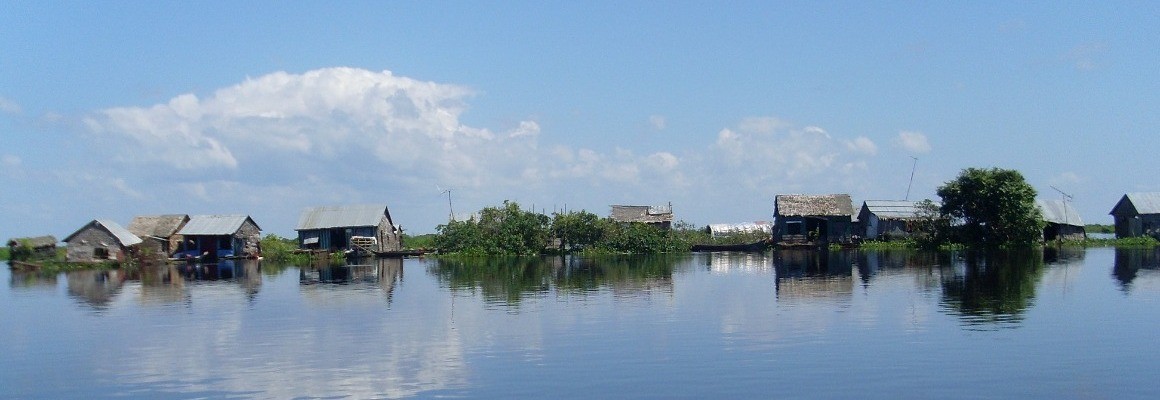
The floating villages of Tonle Sap are distinctive communities on Cambodia’s largest lake, where daily life is shaped by fishing and seasonal changes in water levels. Some homes stand on tall stilts, while others rest on floating platforms or boats. Well-known settlements include Chong Kneas, Kampong Phluk and Kampong Khleang.
Life on the water
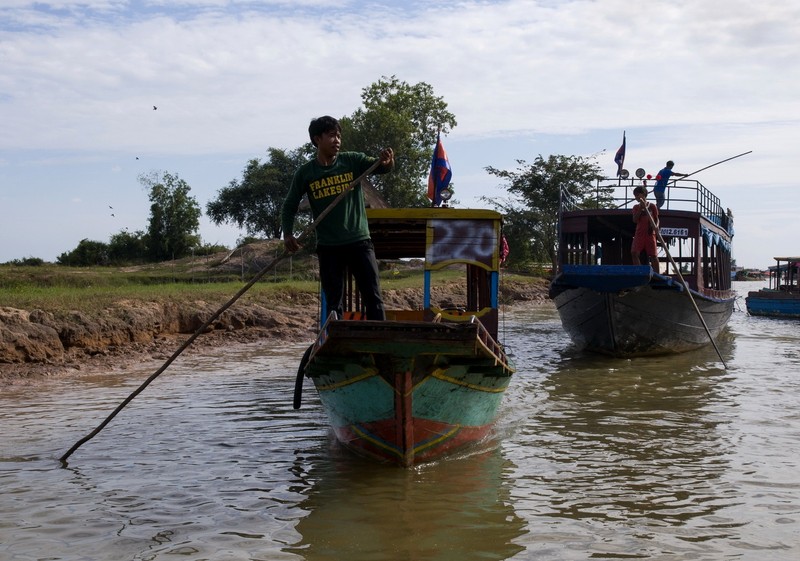
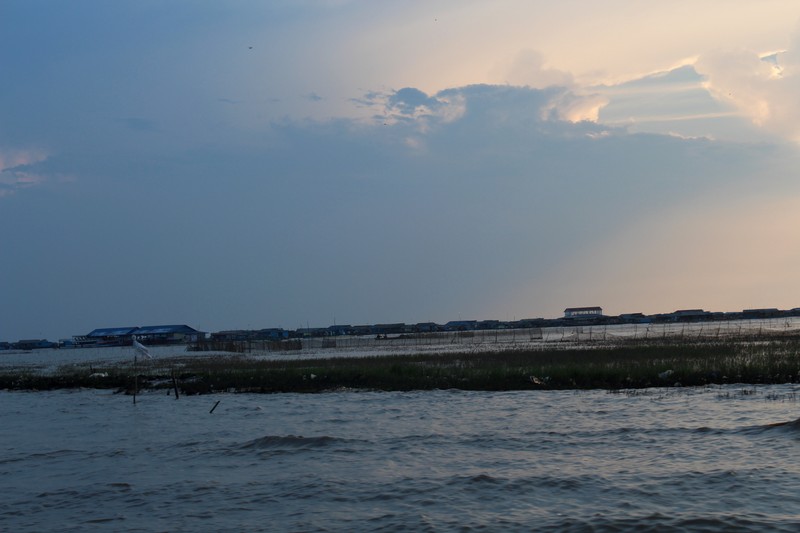
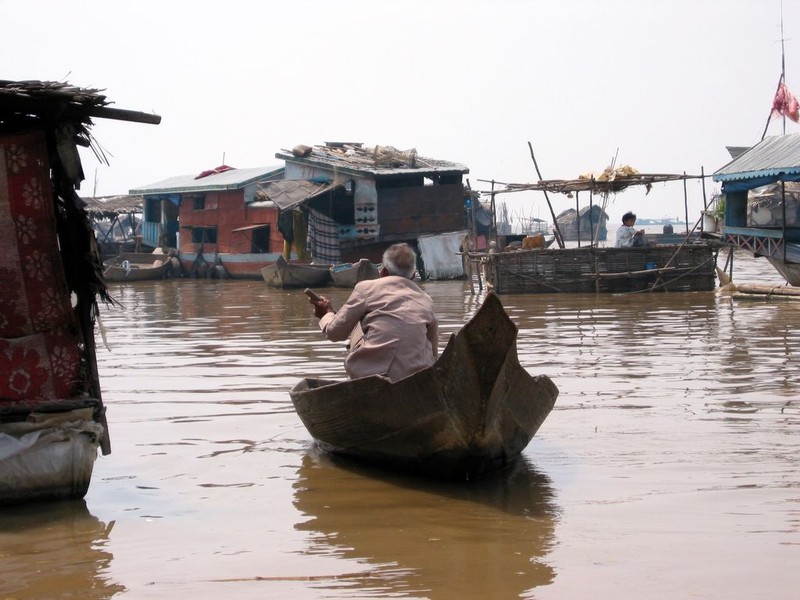
The villages adapt to the lake’s annual rise and fall. During the monsoon, water spreads across the floodplain and flooded forests; in the dry season it recedes, exposing the tall stilts beneath houses. Boats are essential for transport, and fishing remains central to local livelihoods.
Notable villages
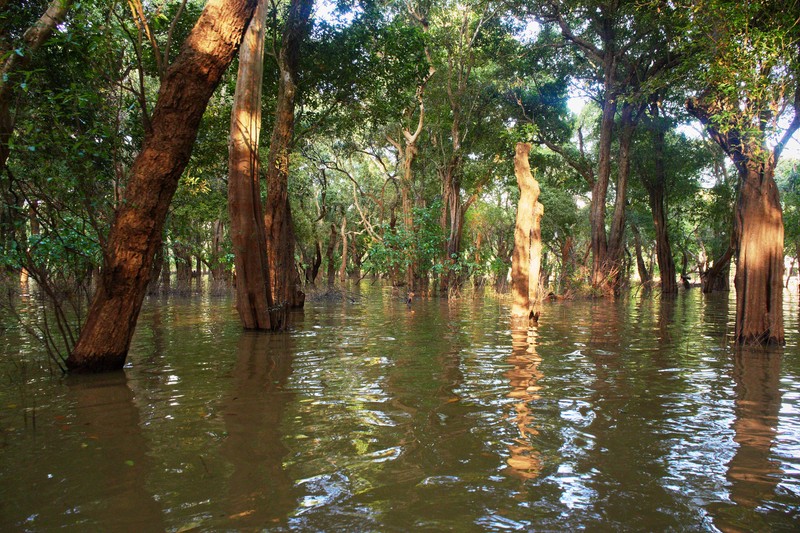
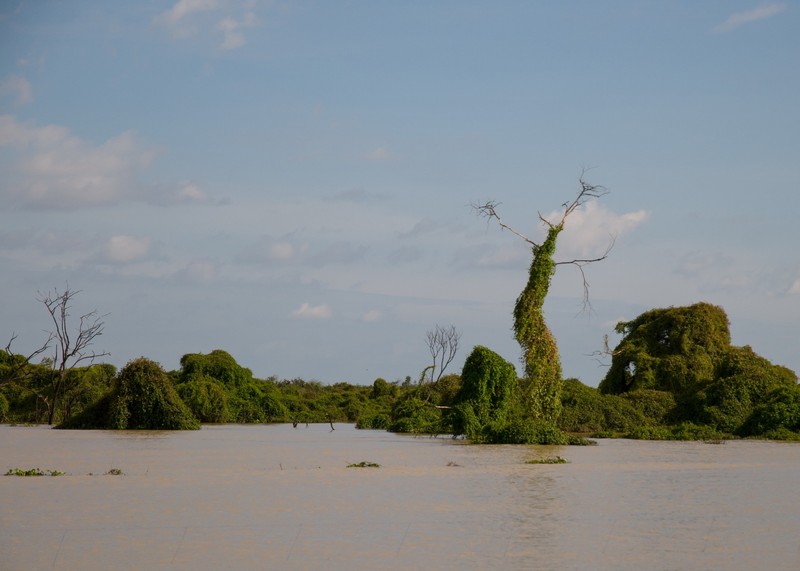
Kampong Phluk is known for its stilt houses and flooded forest, which can be explored by small boat when water levels are high. Kampong Khleang is a large settlement with long rows of houses and floating structures. Chong Kneas is closer to Siem Reap and is convenient for a shorter excursion.
Lake ecology
Tonle Sap is a vital ecosystem for Cambodia. Seasonal wetlands and flooded forests provide habitats for fish and waterbirds. The Prek Toal area is especially important for birdwatching and wetland conservation.
When to visit
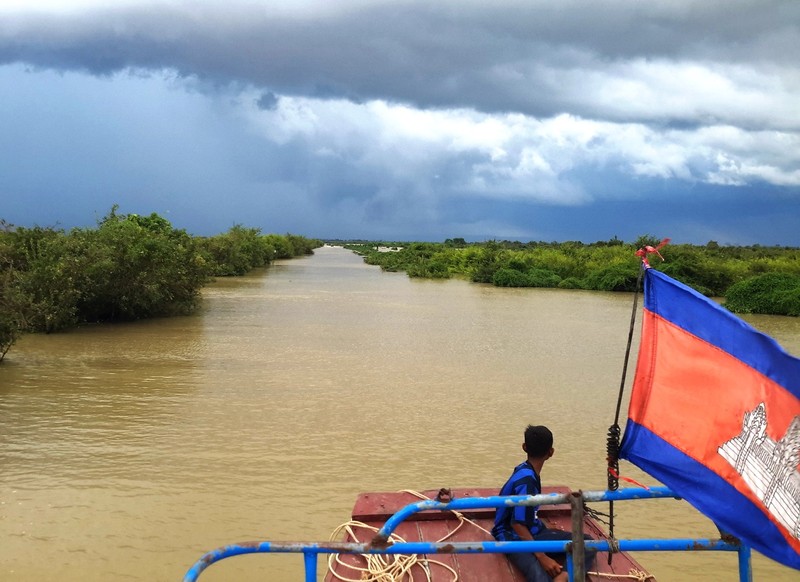
The rainy season usually runs from May to October, when the lake expands. Around the end of the rainy season and the beginning of the falling-water period, often from September to November, boat trips may pass through flooded forest. In the dry season, water recedes and the houses’ tall stilts become more visible.
Getting there and travel tips
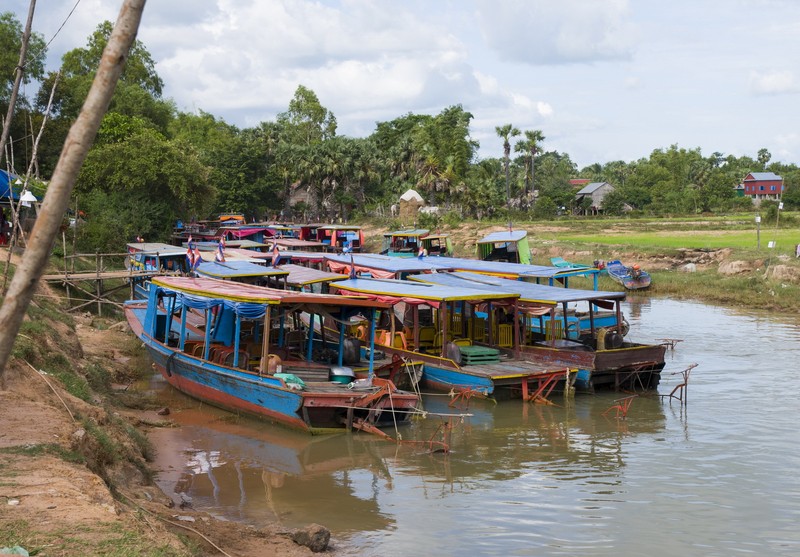
Most visitors travel from Siem Reap by road to a boat landing, then continue by boat. Travel time depends on the village and current water levels. Confirm the route and price in advance, bring water and sun protection, avoid littering, and ask permission before photographing residents.
The Tonle Sap floating villages reveal how communities have adapted to a changing aquatic environment. These are real homes and working communities, so respectful behaviour and responsible tours are essential.
Gallery