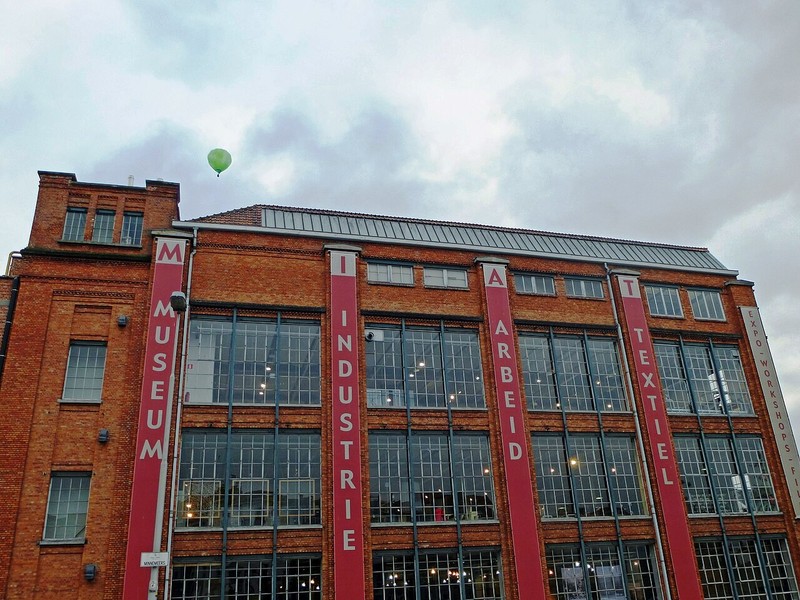
The Museum of Industry, Labour and Textiles in Ghent explores Belgium’s industrial past through machinery, tools, photographs and the stories of working people. Its collections introduce visitors to the development of textile manufacturing, changing working conditions and technological innovations that shaped the city and the wider country.
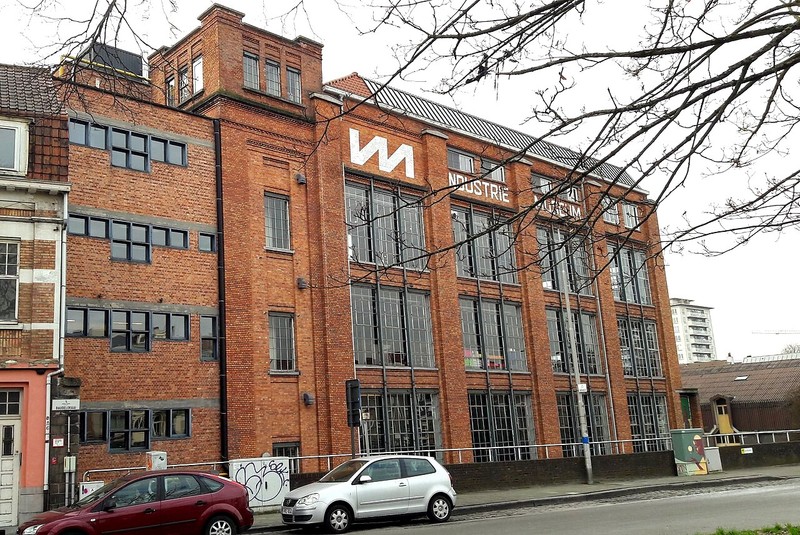
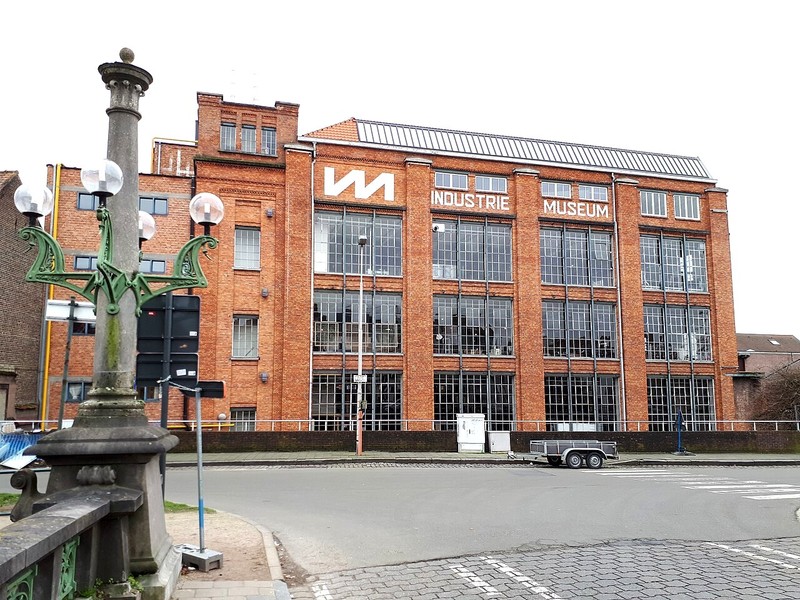
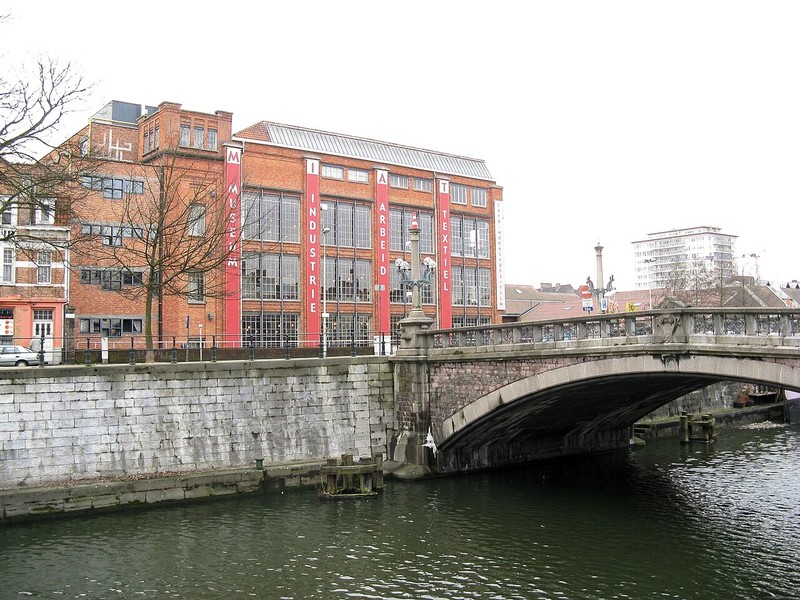
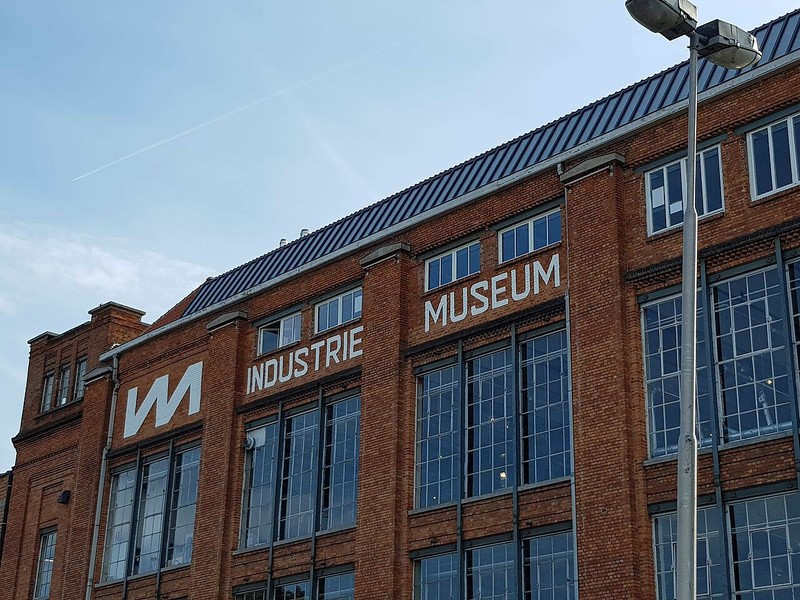
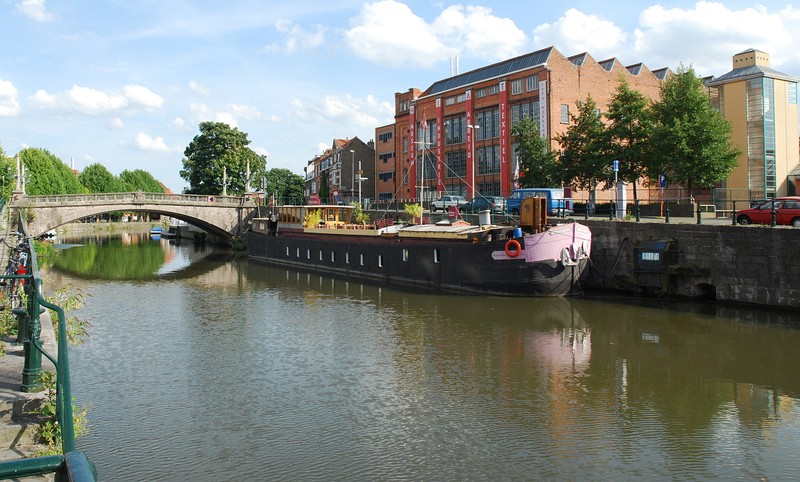
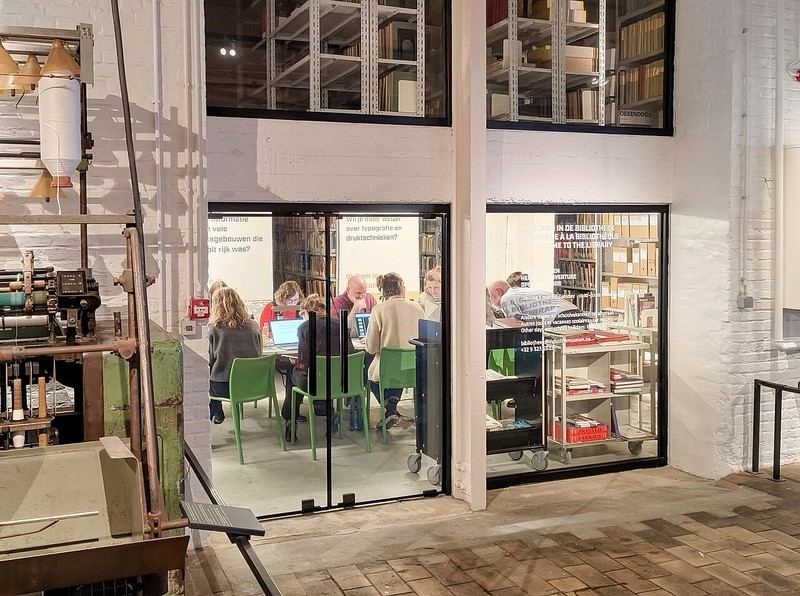
The museum occupies a former textile factory. The building’s industrial history adds context to the exhibits, which explain not only what was produced but also how materials were processed and goods were made. The displays trace the gradual shift from handcraft to mechanised production and modern technology.
The history of textiles in Ghent
For centuries, Ghent was an important textile centre in Flanders. Cloth production provided employment for many residents and influenced the local economy, urban neighbourhoods and everyday life. The growth of factories transformed traditional crafts: machinery increased output while also changing working conditions and the skills required of workers.
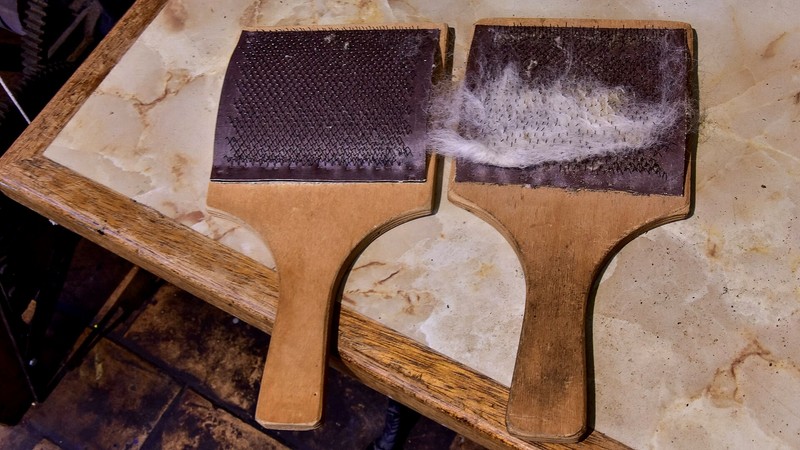
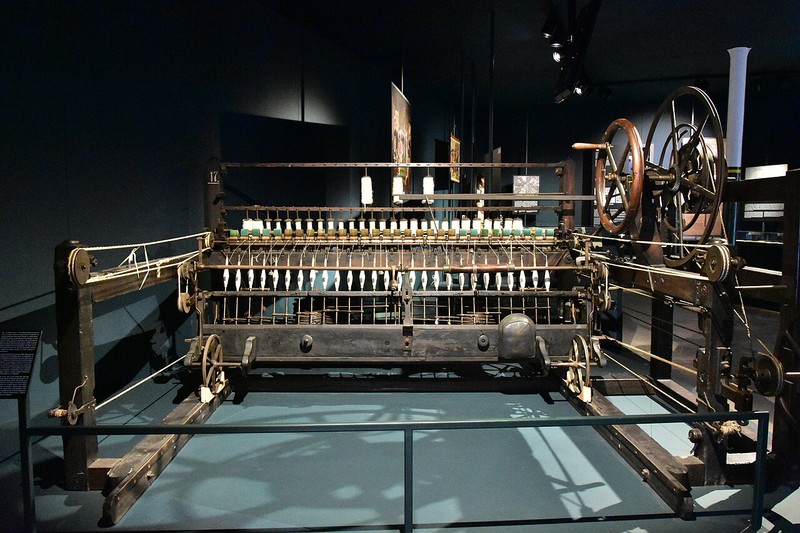
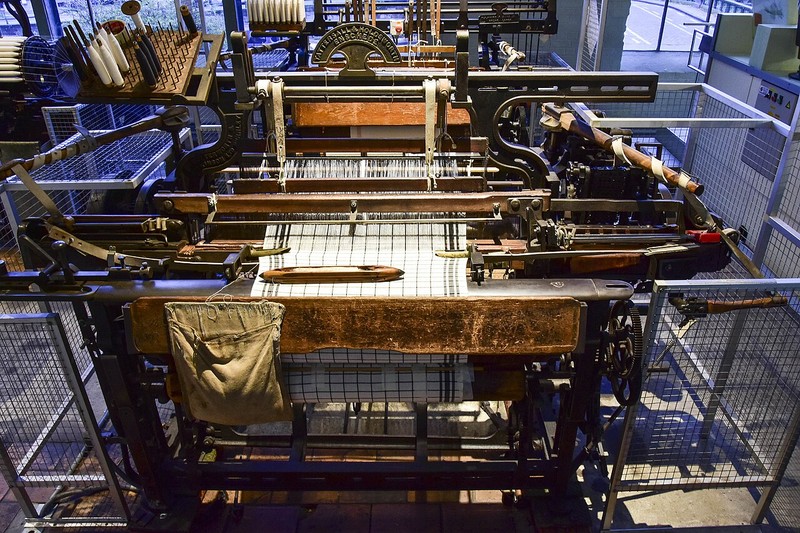
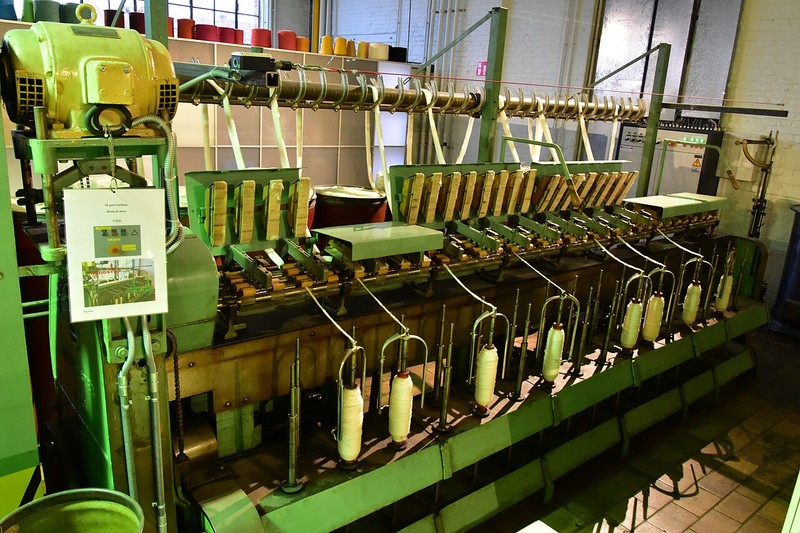
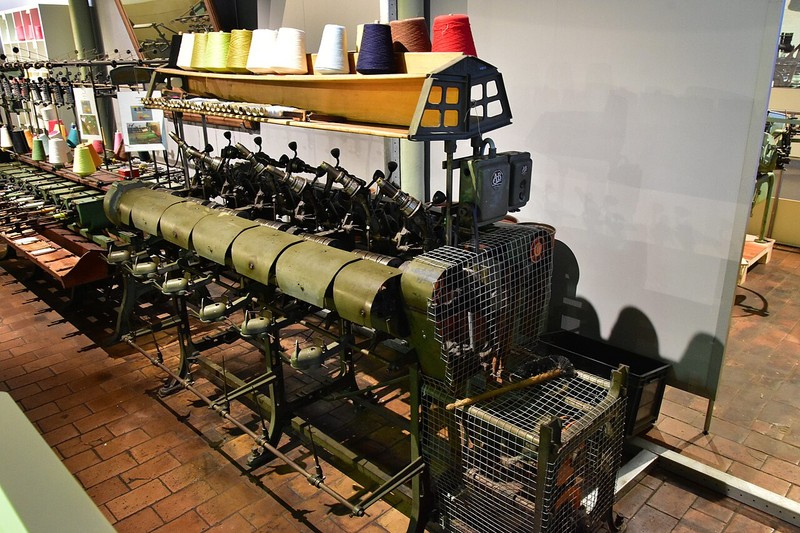
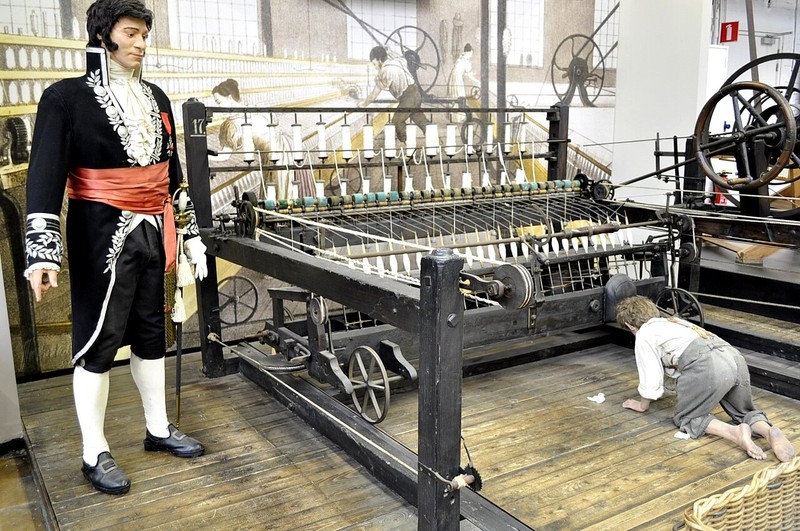
Visitors can follow different stages of this history, from traditional fibre processing to industrial spinning and weaving. Historic machines and production equipment illustrate the demanding work involved before automated production lines became common. The displays also show how successive technical developments reshaped manufacturing.
Machinery, tools and collections
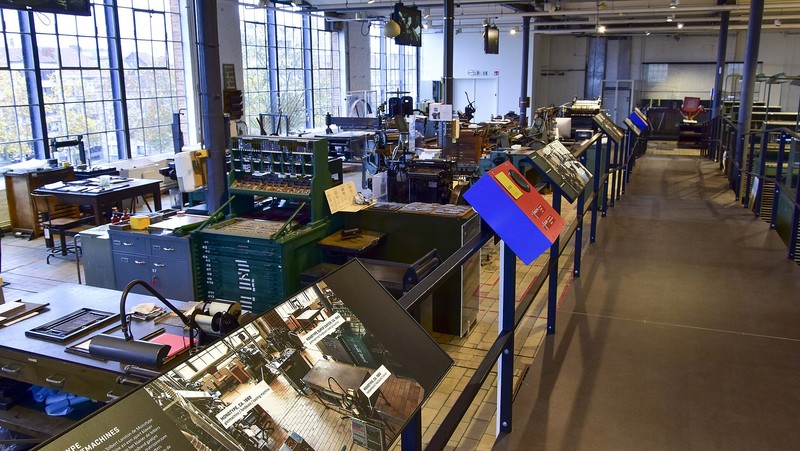
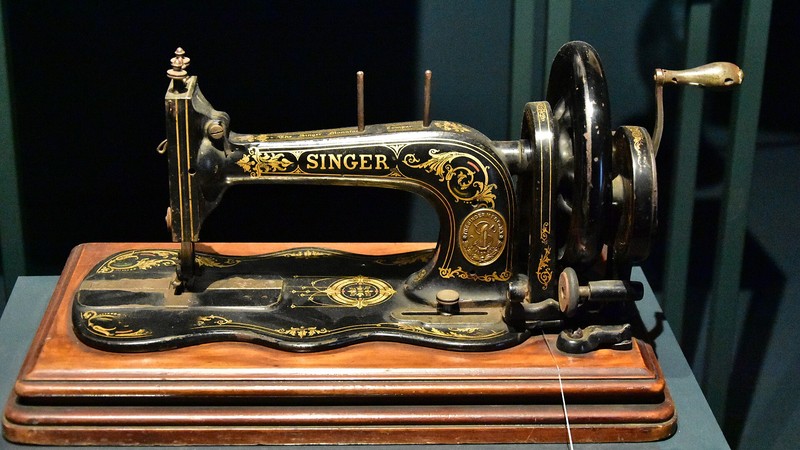
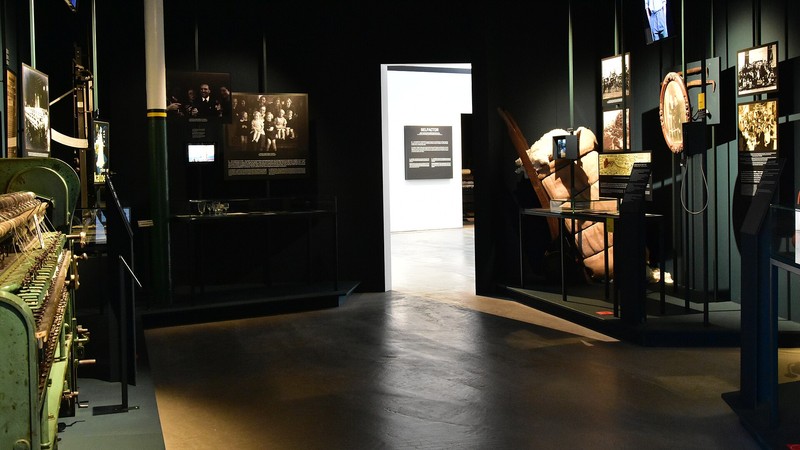
Particular attention is given to equipment used to process fibres, make yarn and produce textiles. Historic machines and tools help explain how earlier manufacturing processes worked. Archival documents, photographs and material about industrial workers add a human perspective to the technical exhibits.
The museum is concerned with more than machinery. It also explores working life, professional skills, factory environments and the social changes associated with industrialisation. Textile history becomes part of a broader account of how Belgian society developed.
What to see during a visit
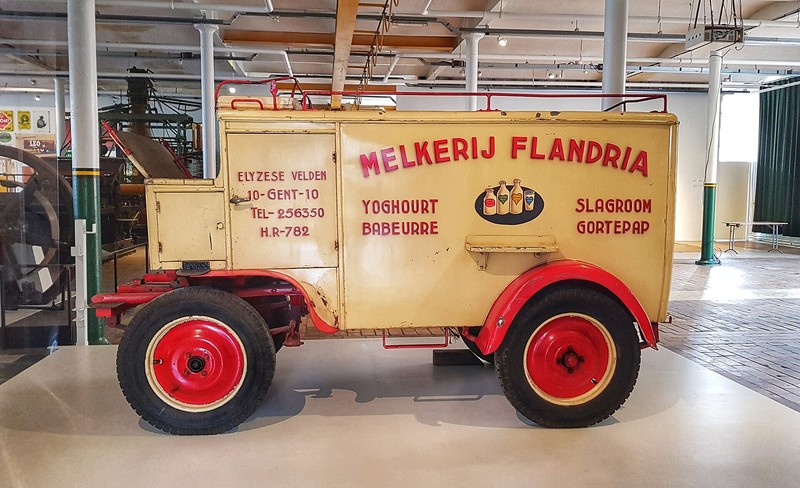
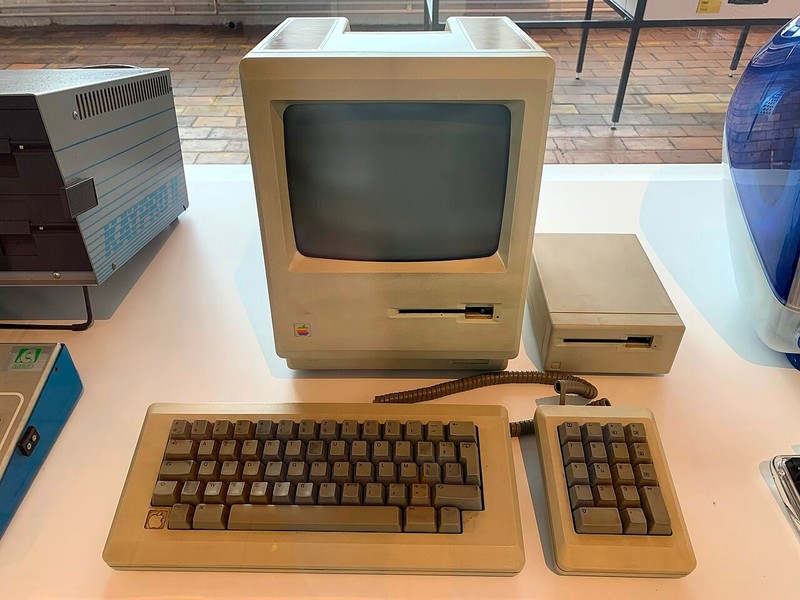
Look out for historic machines, spinning and yarn-making equipment, and documentary displays about factory work. Comparing older machinery with modern technology offers a clear sense of how much industrial production has changed over several generations.
The Museum of Industry, Labour and Textiles is worth visiting for anyone interested in Ghent’s industrial heritage, the history of crafts and the everyday experiences of workers. It complements the city’s medieval architecture with another perspective on its past, shaped by factories, inventions and human labour. Check the museum’s official website before visiting for current opening hours, exhibitions and visitor information.
Gallery