Shenandoah National Park lies in Virginia in the eastern United States, about 75 miles west of Washington, D.C. It protects part of the Blue Ridge Mountains, one of the most scenic sections of the Appalachians. Forested peaks, deep hollows, rocky outcrops, mountain streams, and waterfalls make the park a popular destination for scenic drives and hiking.
Area and history
The park covers approximately 806 square kilometers, or 80,600 hectares. Congress authorized its creation in 1926, and it was officially established on December 26, 1935. The park was formally dedicated in 1936. Its creation formed part of a broader effort to preserve natural landscapes in the eastern United States as cities and populations expanded. Before the park was established, farmers, loggers, and other residents lived in these mountains. Remnants of their settlements, including stone walls, old roads, and historic buildings, can still be found among the forests.
Skyline Drive: a road along the mountain ridge
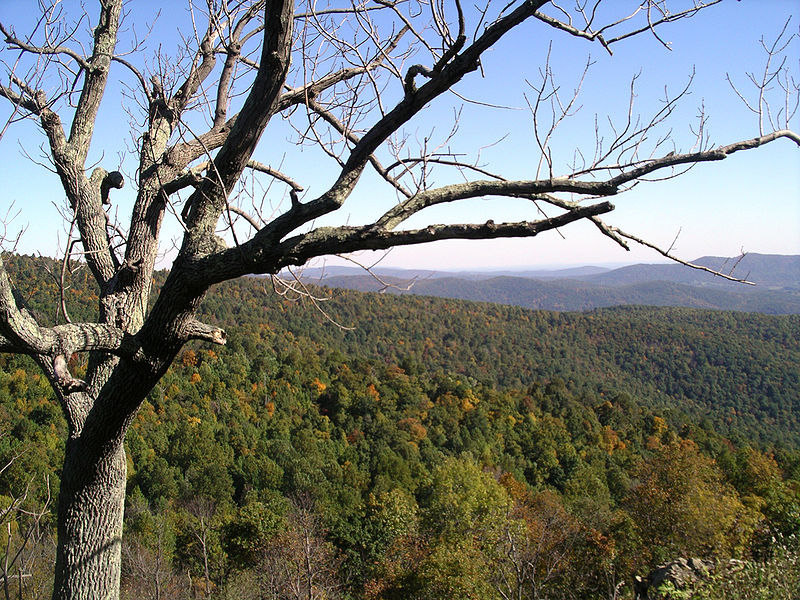
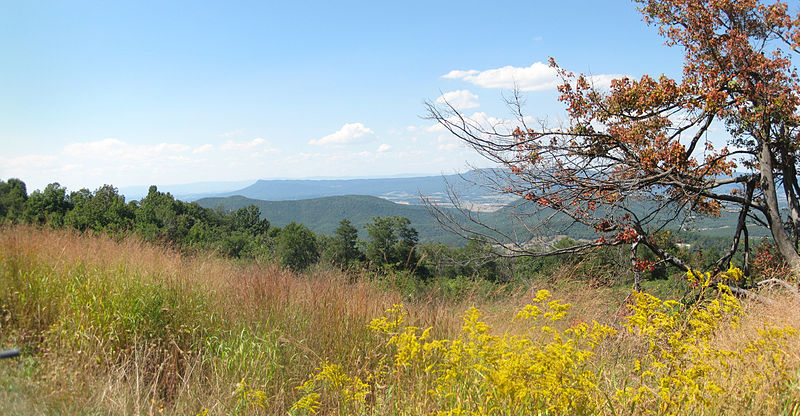
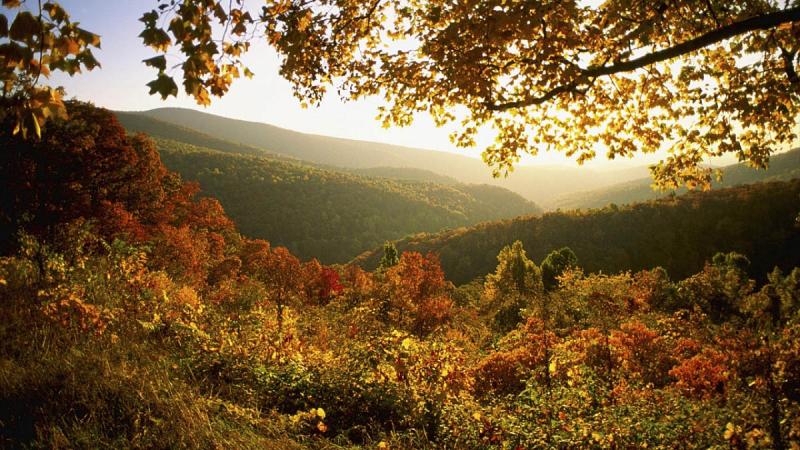
The park's signature attraction is Skyline Drive, a scenic road stretching about 105 miles, or 169 kilometers, from north to south along the Blue Ridge. Numerous overlooks offer views of the Shenandoah Valley to the west and the rolling Piedmont landscape to the east. Driving the entire route takes about three hours in clear conditions without lengthy stops. Along the way, visitors see wooded mountains, valleys, rocky formations, and seasonal changes in foliage. The speed limit is generally 35 mph, and the road may close temporarily during fog, heavy rain, snow, or ice.
Mountains, forests, and waterfalls
Shenandoah's landscape developed over a long geological history. The Blue Ridge forms part of the ancient Appalachian mountain system, and its rounded summits and deep valleys have been shaped by weathering and erosion. More than 60 peaks in the park rise above 3,000 feet. Forests cover most of the area, with oaks, maples, hickories, birches, and other trees typical of eastern deciduous woodlands. Ferns and mountain plants thrive in shaded hollows, while numerous streams feed the park's waterfalls. Many falls are not visible from the road and require a hike to reach.
Places to explore
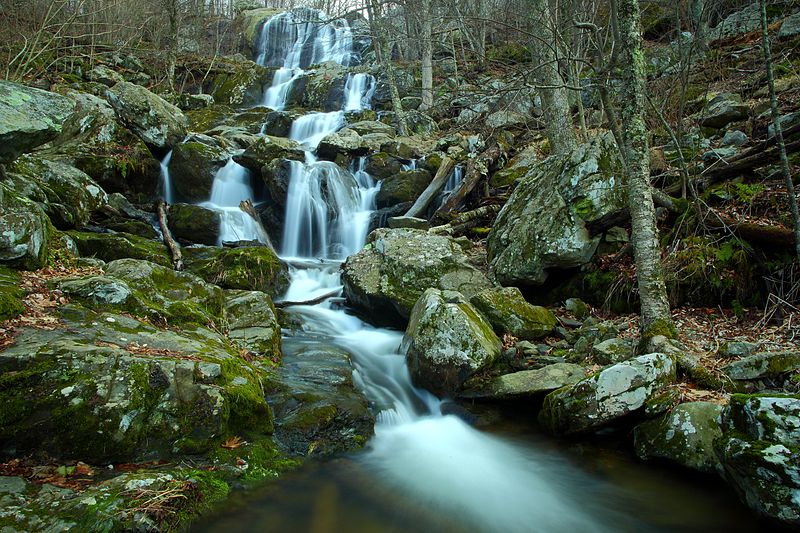
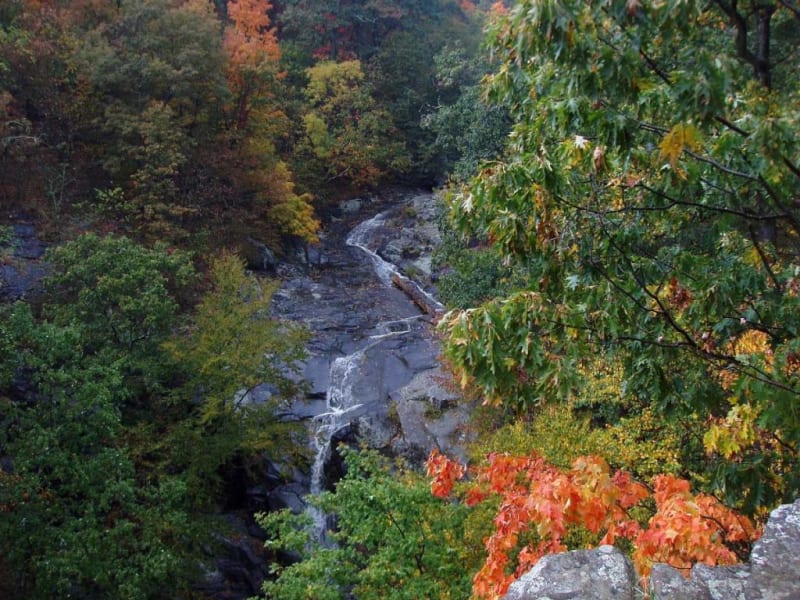
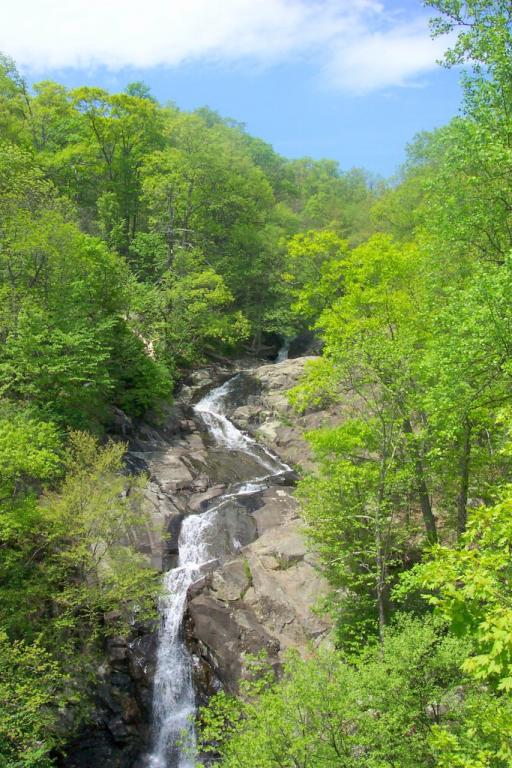
Dark Hollow Falls is one of the best-known natural attractions and can be reached by a short but relatively steep trail. Whiteoak Canyon contains several waterfalls and routes of varying difficulty. Old Rag Mountain is another popular destination, known for its rocky scramble, which requires good fitness and careful footing. Big Meadows is an open mountain meadow where visitors may see deer and birds and observe seasonal changes. Scenic overlooks near Marys Rock and Turtle Rock also offer expansive views. Trail conditions should be checked before setting out, as heavy rain, storms, and winter weather can lead to closures.
Wildlife
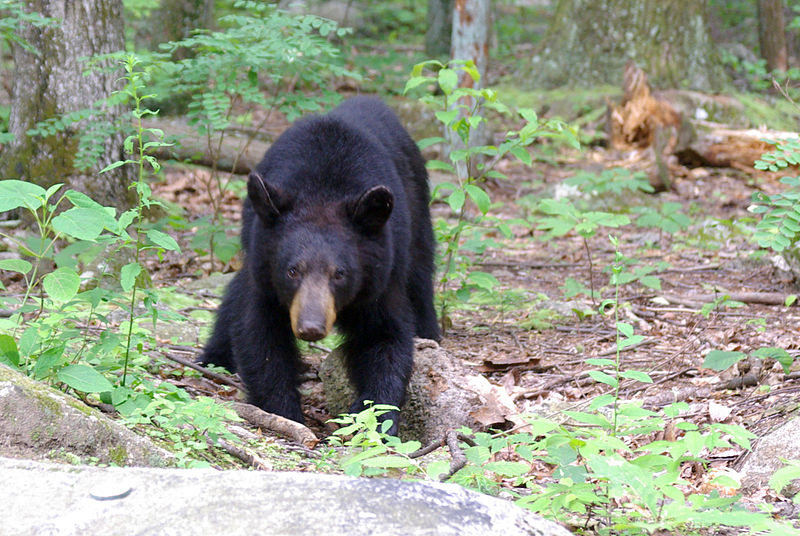
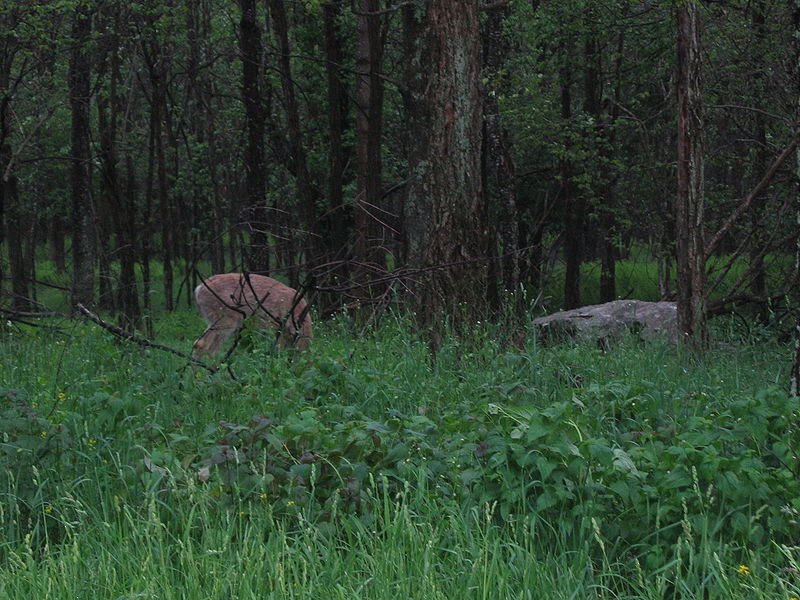
Shenandoah provides habitat for a wide range of animals. American black bears, white-tailed deer, raccoons, foxes, opossums, and several bat species live in the forests. Birds include wild turkeys, woodpeckers, hawks, and many songbirds. A particularly notable species is the Shenandoah salamander, a rare amphibian found naturally only in a small part of the Blue Ridge. Cold mountain streams support aquatic ecosystems and provide habitat for fish and invertebrates. To avoid attracting bears, visitors should store food in designated containers and never leave food unattended or easily accessible.
Hiking trails and the Appalachian Trail
The park has more than 500 miles, or over 800 kilometers, of hiking trails, ranging from short walks to multi-day backpacking trips. A section of the famous Appalachian Trail passes through Shenandoah as it runs along the eastern United States. Trails lead through shaded forests, up rocky summits, and to scenic overlooks. Some routes involve substantial elevation changes and require sturdy footwear, sufficient water, and careful preparation. Mountain weather can change quickly even in summer. Before a longer hike, check the forecast, trail conditions, and regulations for remote areas.
History and cultural heritage
People visited these mountains long before the national park was created. Indigenous peoples used local natural resources for hunting, gathering plants, and making tools. European settlers later established farms and logging operations in the region. The park's creation involved the relocation of some families who had lived on the land, and their experiences remain an important part of Shenandoah's cultural history. Another historic site is Rapidan Camp, the former retreat of President Herbert Hoover, where he relaxed and held working meetings in the late 1920s and early 1930s.
When to visit
The park is open year-round, although road conditions and access to individual sites depend on the weather. In spring, forests fill with fresh foliage and wildflowers; summer is often cooler than the surrounding valleys; and autumn brings red, orange, and golden leaves to the mountain slopes. Fall is especially popular, so overlooks and roads can become busy. Winter may bring snow, ice, and temporary closures of Skyline Drive. A vehicle entrance fee applies; current prices, alerts, and restrictions should be checked on the official National Park Service website. Shenandoah is suitable for a short scenic drive as well as a longer trip combining hiking and overnight stays in nature.
Gallery