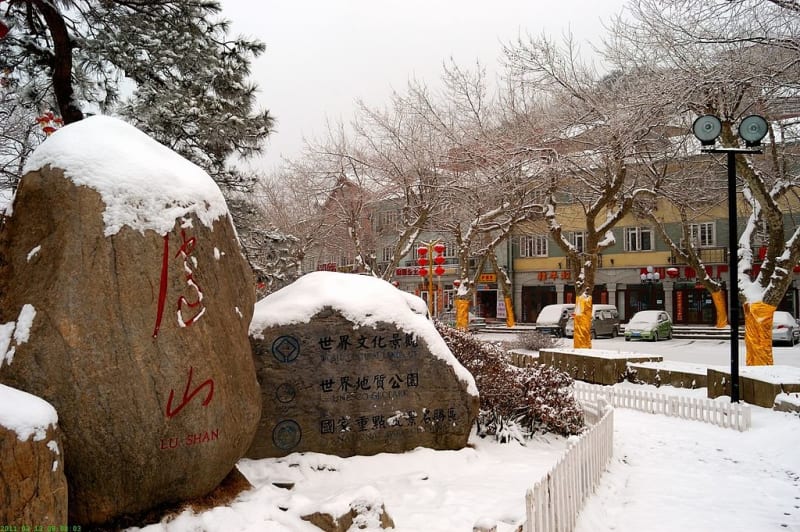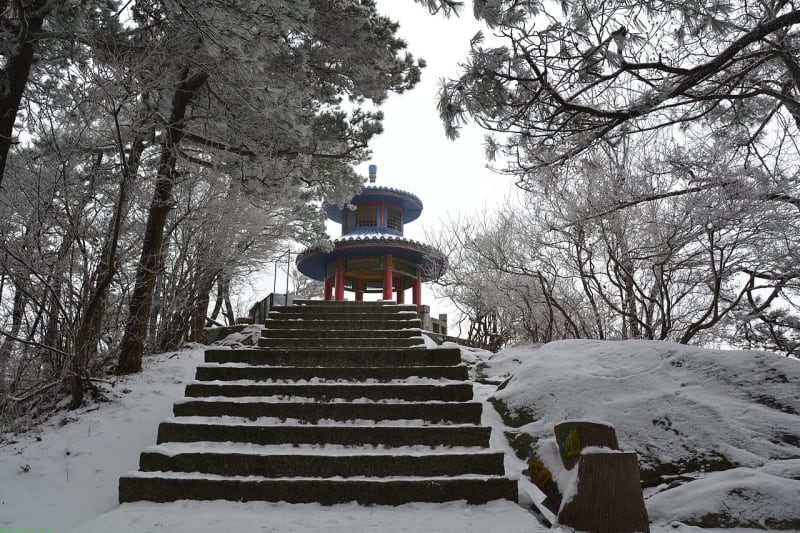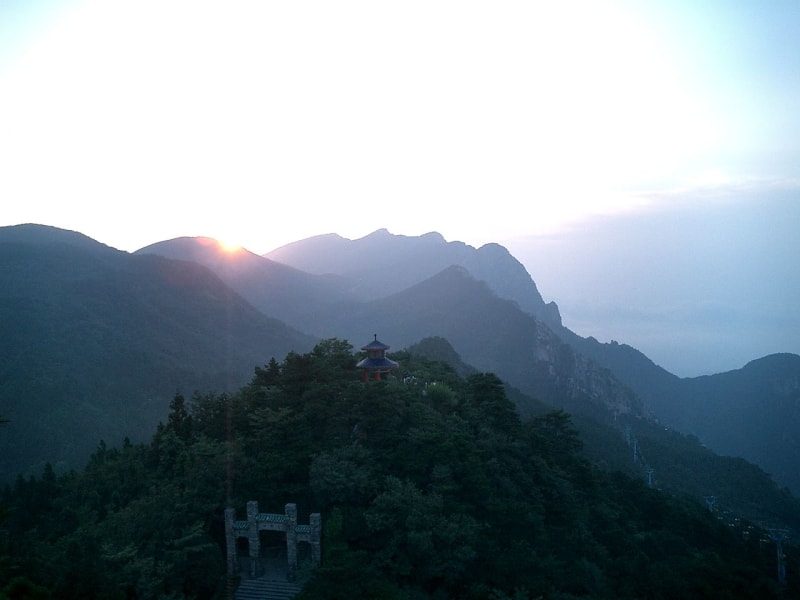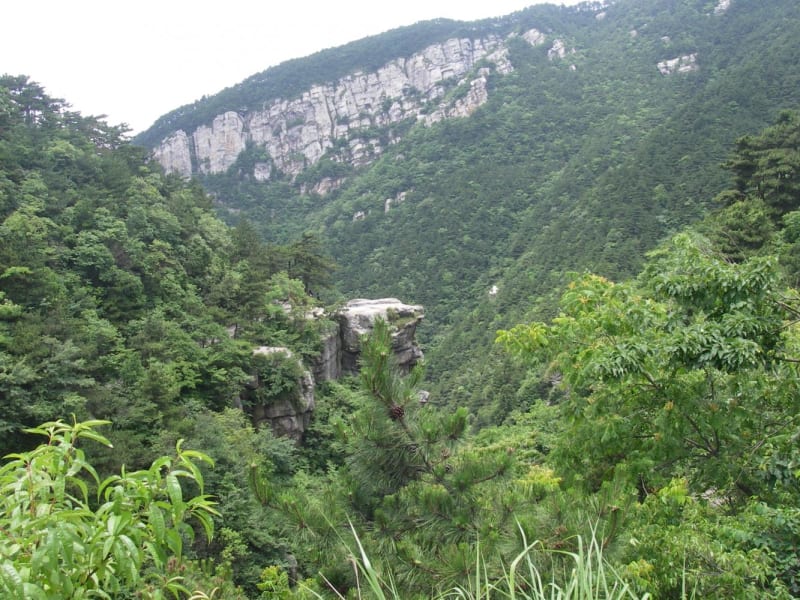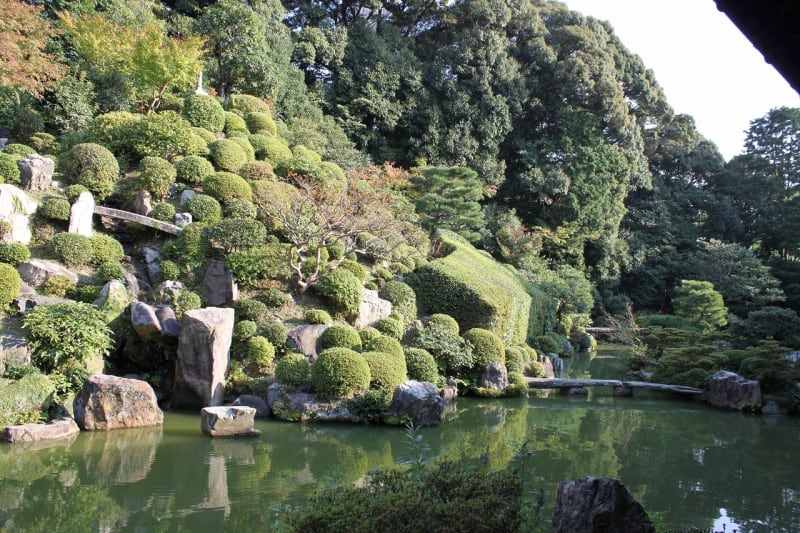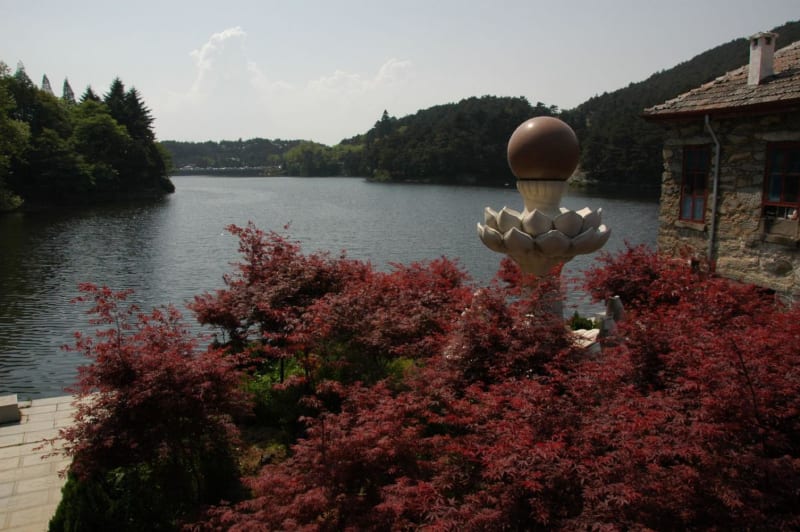

Mount Lu is a national park of China, located in Jiangxi Province on an area of 300 km2. Picturesque examples of Chinese culture have been built on Mount Lu, such as Taoist and Buddhist temples, the Zhu Xi school of Neo-Confucianism (the "White Deer Grotto"). All the buildings blend wonderfully with the amazing beauty of the local nature, showing the unity of the Chinese national spirit and cultural life with the natural landscape of the mountains. In 1996, the area was listed as a UNESCO World Heritage Site.
History of the park
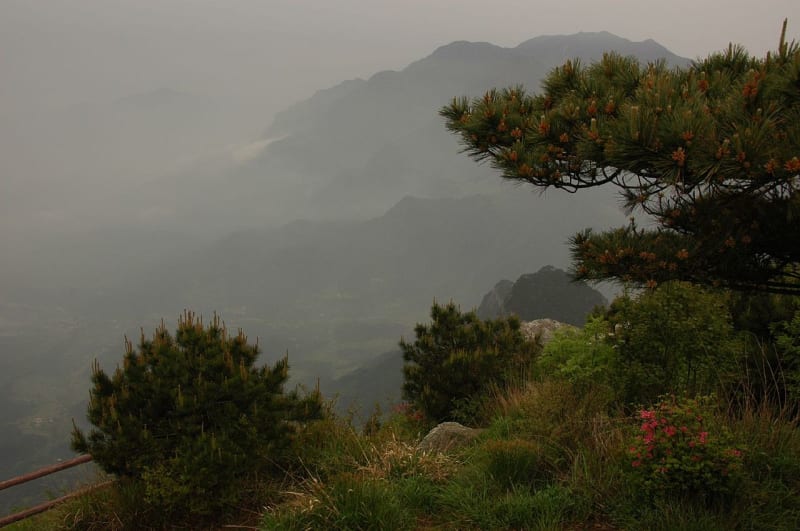
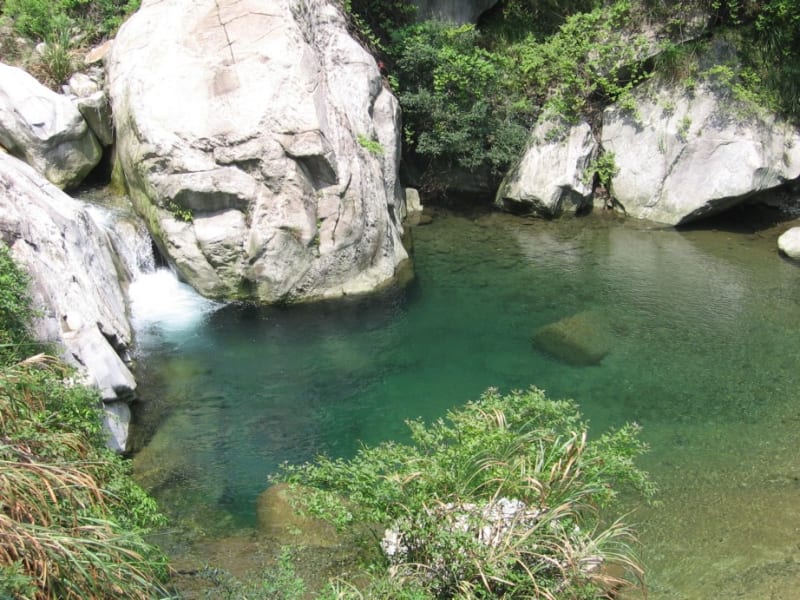
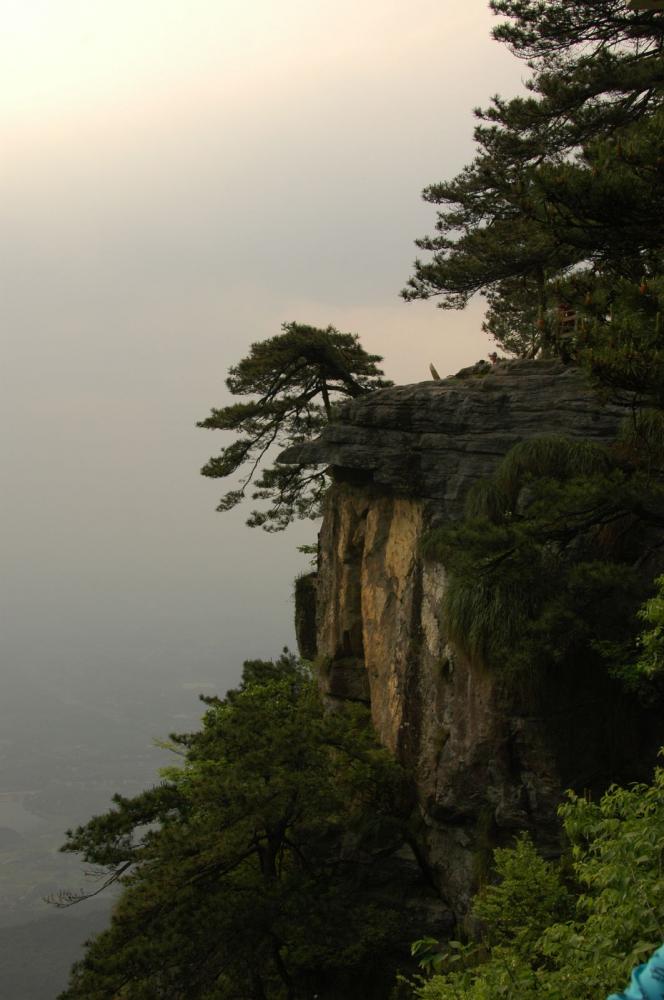
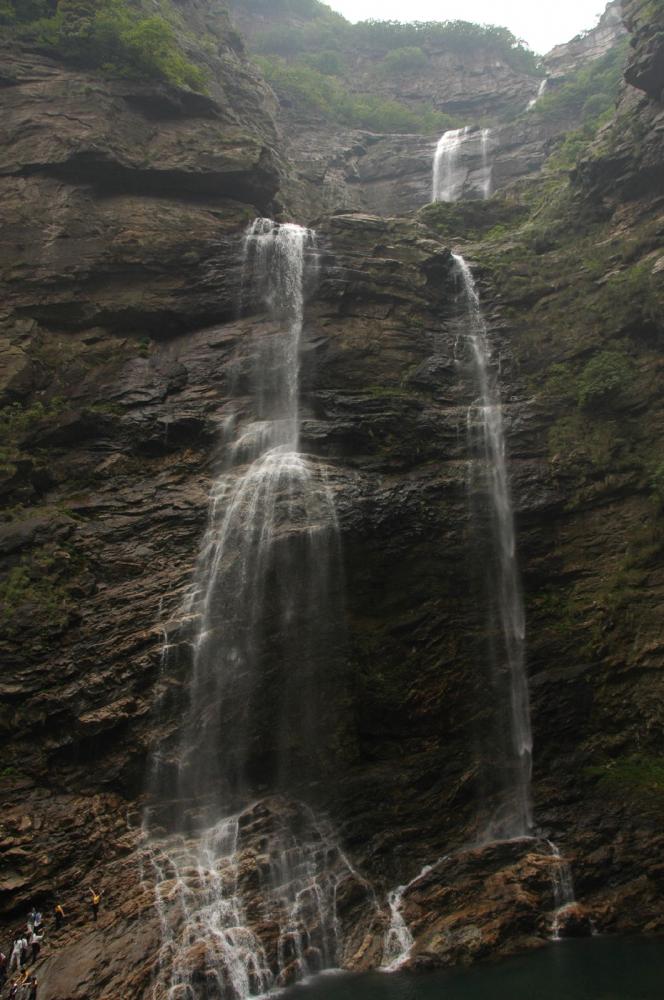
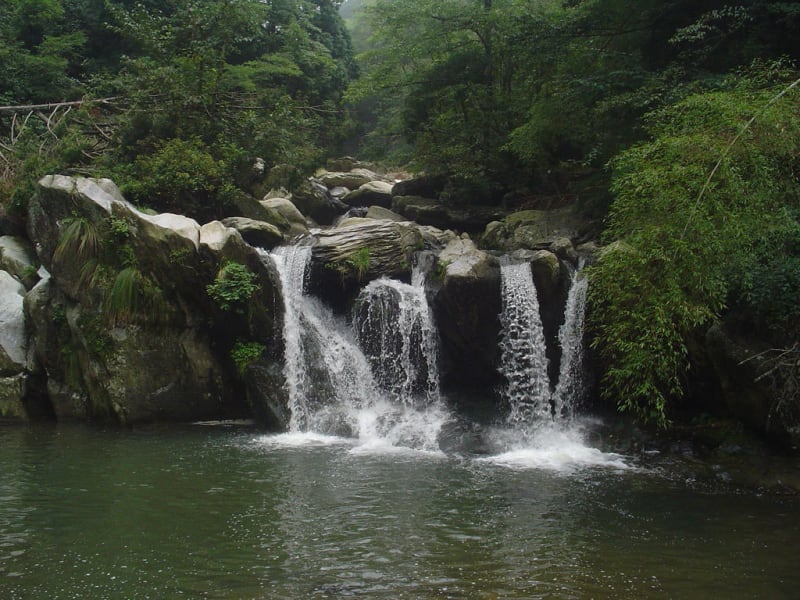
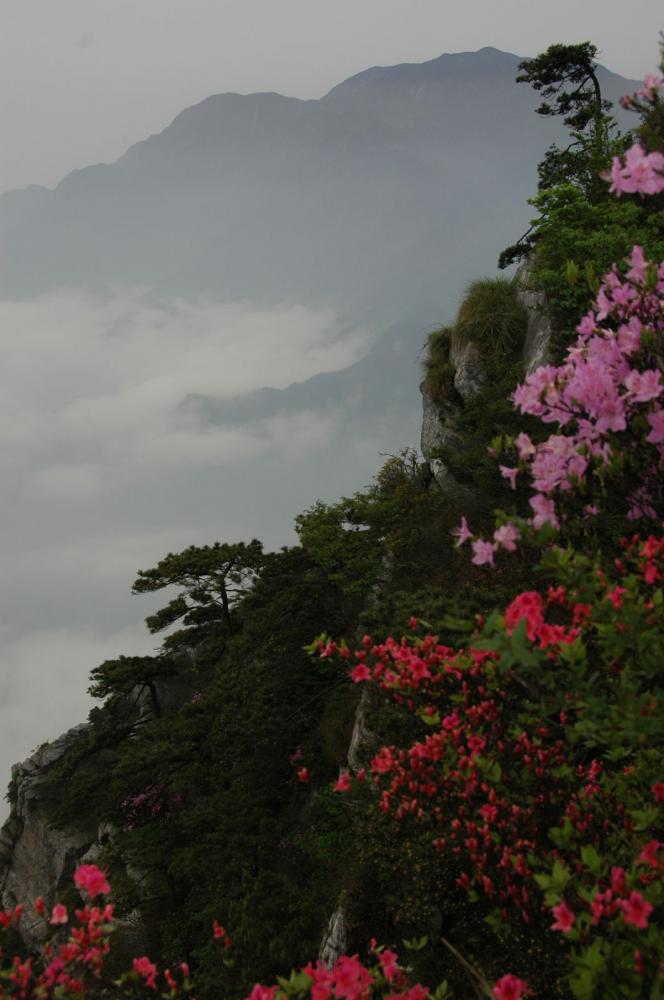
The mountains were first mentioned in the Shiji chronicle 2,000 years ago. There are over 100 mountains in the Lu mountain range, the most famous of which are Shansofeng, Shuangjianfeng, Hanpoling and the highest mountain here is Dahanyanfeng (1,474 m). In addition to the mountains, Lu Park is known for its waterfalls: Shimenjian, Kaixian, Sandequan. On the South side, the mountains are washed by Poyanghu Lake. It is quite cool in Mount Lu National Park, which is why the mountains are shrouded in fog for almost 200 days a year, leaving only the most elevated peaks above them.
Since ancient times, the Lu Mountains have been called the mountains of the celestials. Once they studied witchcraft here, and with the advent of Taoism and the spread of Buddhism, monks began to flock here to preach their faith and in search of disciples. For more than eight hundred years, from the Eastern Jin Dynasty (317-420) to the Northern Song Dynasty (960-1127), dozens of temples and monasteries were erected in the Lu Mountains. It was during this period that Chinese Buddhism was actively developing.
The Lu Mountains constantly attract creative people looking for inspiration here, among whom were famous scientists and poets who wrote more than 4,000 poems under the influence of the mountains. Many cultural figures have chosen the Lu Mountains as a refuge. The Bailudong school has survived to this day, which was created by the Tang scholar Li Bo (773-831), whose teachings greatly influenced the development of philosophy, literature, ethics, and art in Ancient China. The neo-Confucian of the Song Dynasty, Zhu Xi (1130-1200), taught here. Over time, the school became one of the most important centers of feudal education in China.
Since the 1880s, these places have been filled with important people, merchants and saints from around the world. They built their own resorts and cottages in the mountains. Less than half a century has passed since hundreds of beautiful architectural structures were erected on the slopes of the mountains. And the pilgrimage of Chinese and foreign tourists has raised the holiday village in the mountains of Lu to a new level.
Diversity of cultures
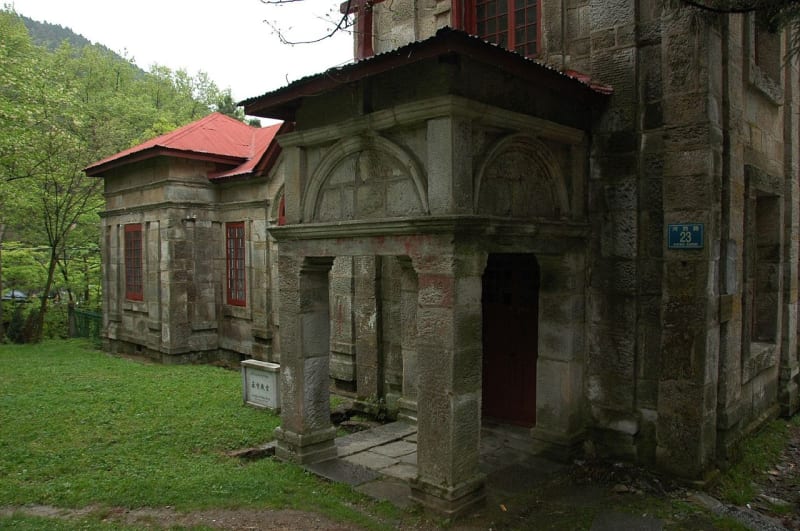
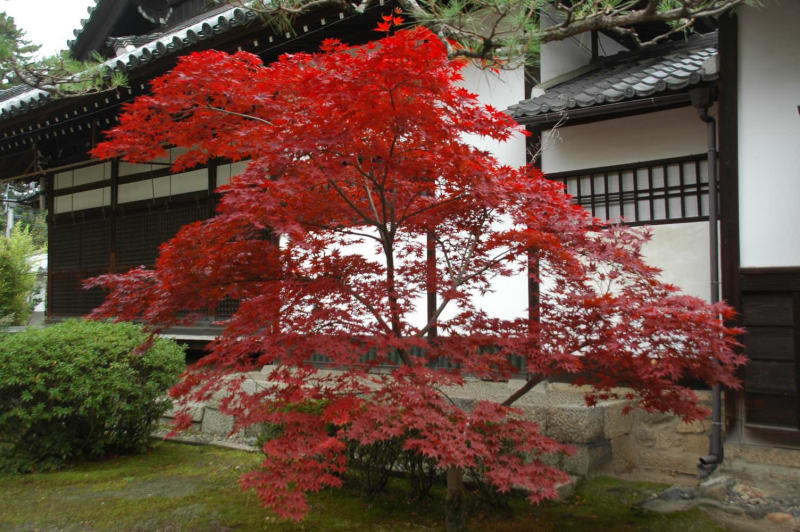
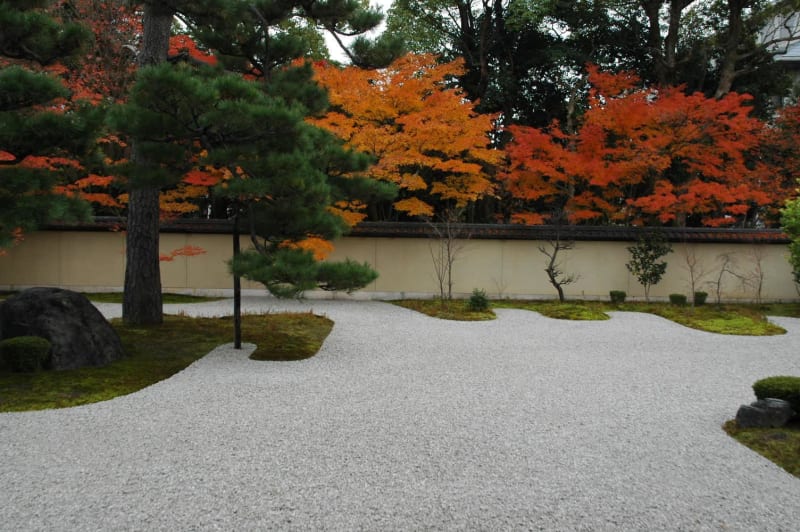
The buildings of Lu Park have mixed several cultures that would not look so harmonious in other places. Roman and Gothic temples, Byzantine-style buildings, Japanese houses, and even Muslim mosques are among the hundreds of buildings. The mountainous nature highlights the rich cultural heritage of these mountains. Winding paths, mountains, dense virgin forests, impenetrable mists add mystique to the local landscapes.
The Cave of Immortality is one of the main attractions of Lushan. This is a room with a spring inside on the top of a mountain, in which Taoist monks built a small temple, placing altars inside and writing sacred writings on the walls. As the legend says, this is when the fire-breathing dragon gave Lu Dongbin a sacred sword. With this sword, the brave monk defeated many demons and later became one of the 8 immortals.
During the Song Dynasty, the Bailu Dong Neo-Confucian Academy was built. The metaphysical aspects of the concept of Neo-Confucianism were taught here.
At the foot of Mount Lu is an interesting gift of nature-Poyang Lake, which is the largest natural freshwater reservoir in China. Hundreds of fishermen's and tourists' boats can be seen on it, as well as large flocks of birds.
Gallery