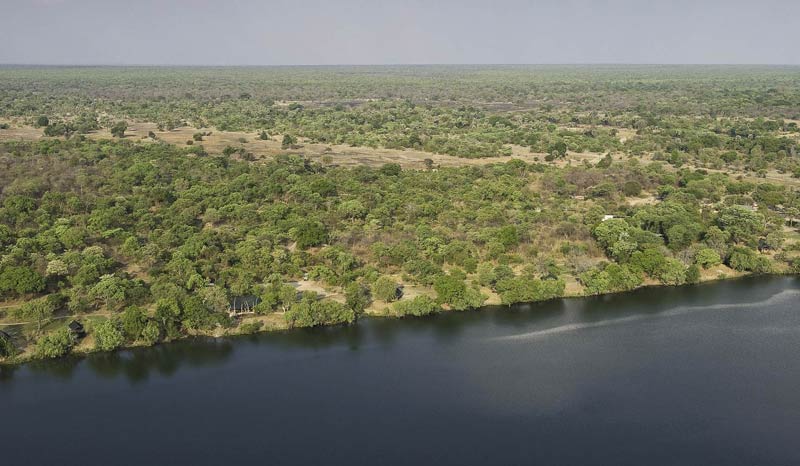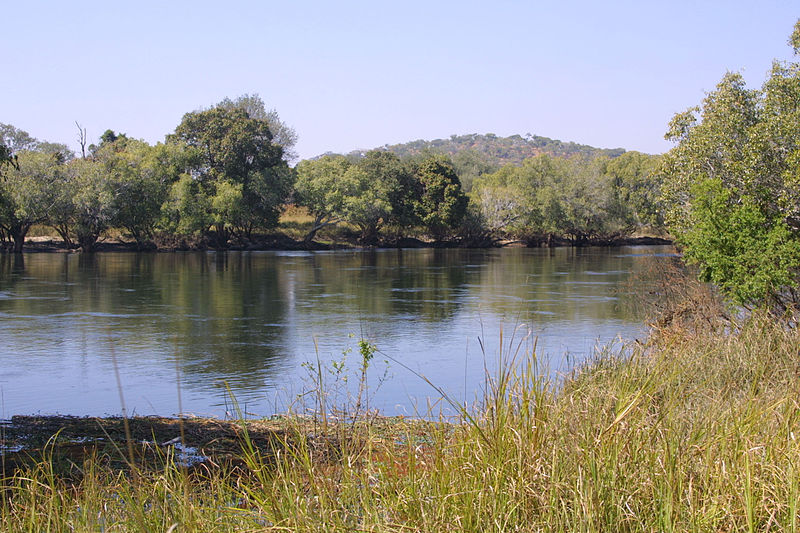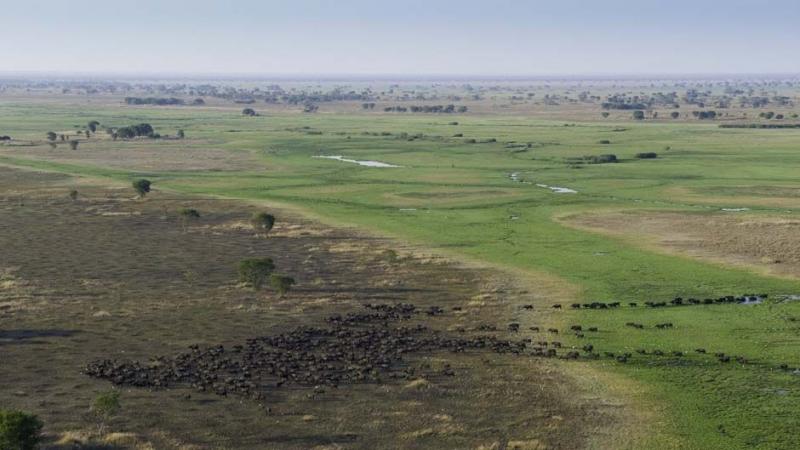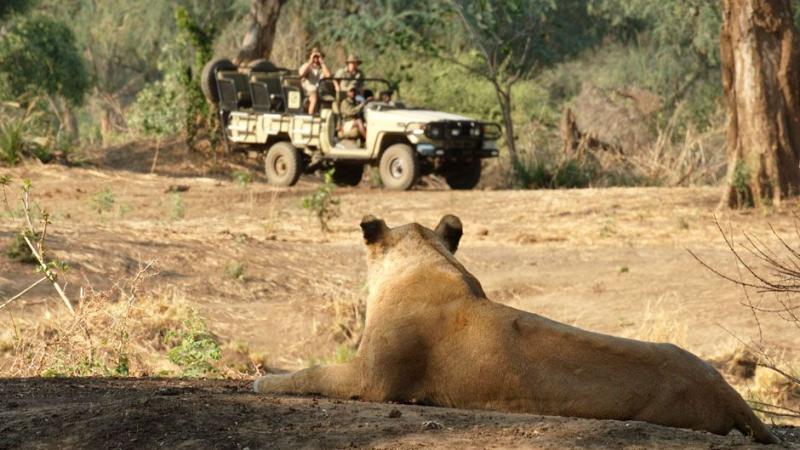

Kafue is Zambia's largest national park, covering an area of 22,400 km2. The park is named after the river of the same name that runs through the park. The park was founded in 1950, and since then the management of parks has been getting better. At its core, the park is a huge forest savanna.
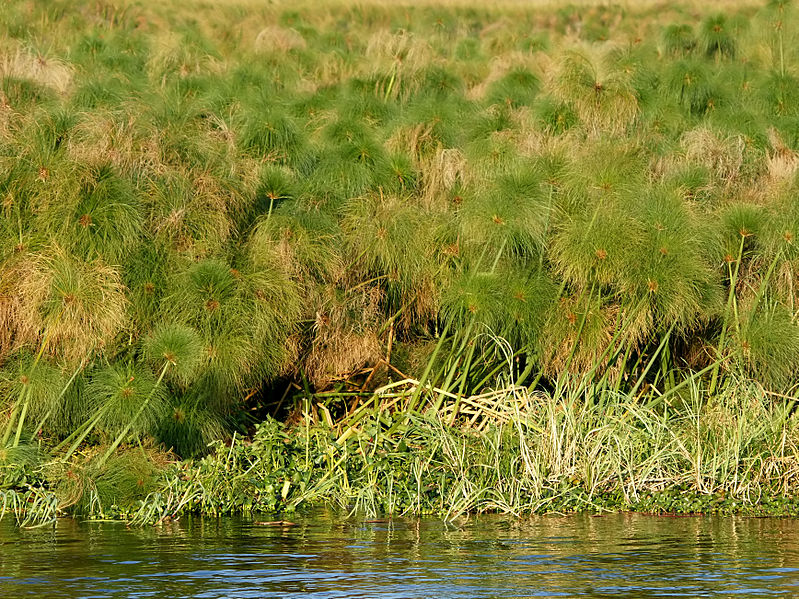
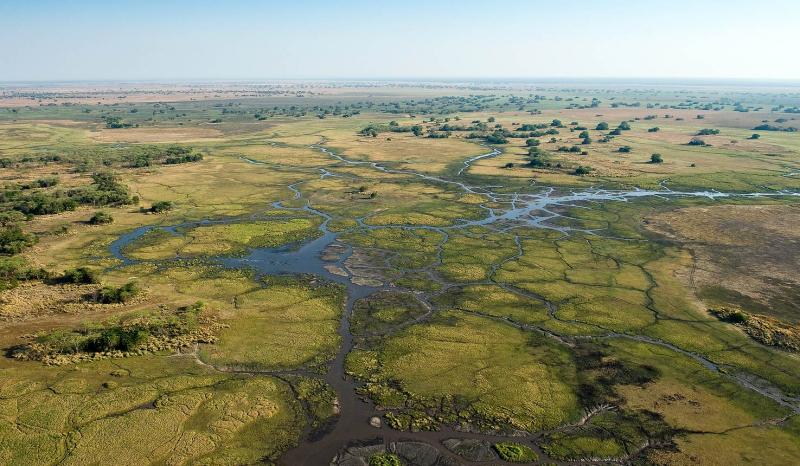
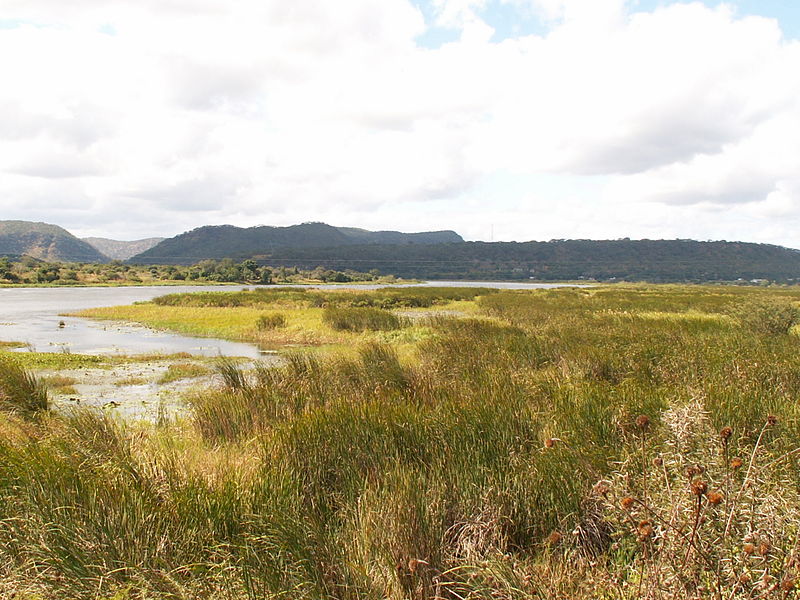
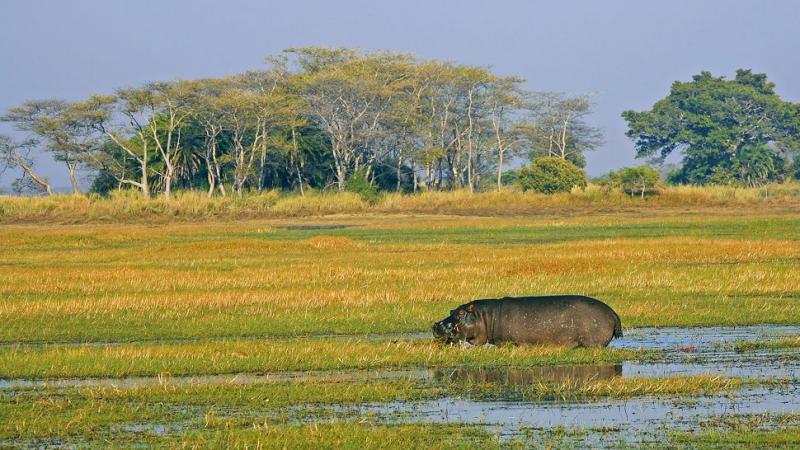
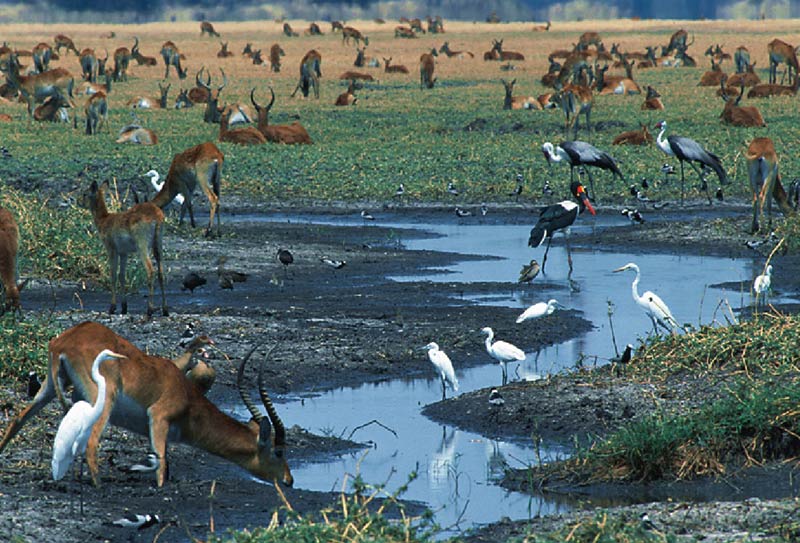
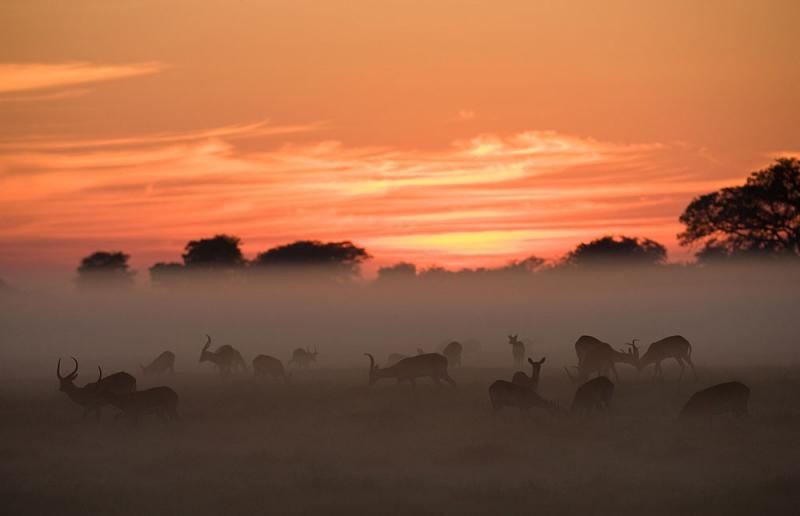
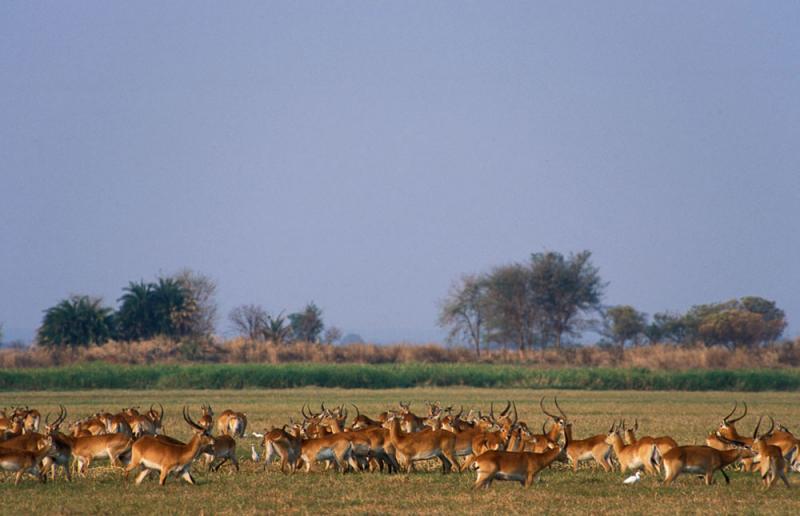
The topography of Kafue Park is mostly flat, except for a few granite hills between Chonga and Ngoma, which have a height of about 120 meters. The northern part of the park has clay soil, but otherwise the soils are low-fertile, sandy-loamy. This was due to heavy torrential rains that washed out all the nutrients. Due to the low fertility, the grass in the park is of little use for animal food. But rains also bring life-giving moisture to plants. Exhausted by the prolonged heat, the trees transform for a couple of days and become covered with young leaves, the water meadows bloom with colorful colors, from which birds can now be heard trilling, herds of antelopes and elephants begin to move. The swamps around the rivers of Kafue Park attract water goats, hippos, and black rhinos. Rare red liches can also be found in the swamps. A lich is a type of antelope adapted to moving through swampy areas. Previously, over two hundred thousand liches lived in these places, but due to uncontrolled hunting, their current population is several hundred. Only the creation of the national park allowed to save these animals from extermination.
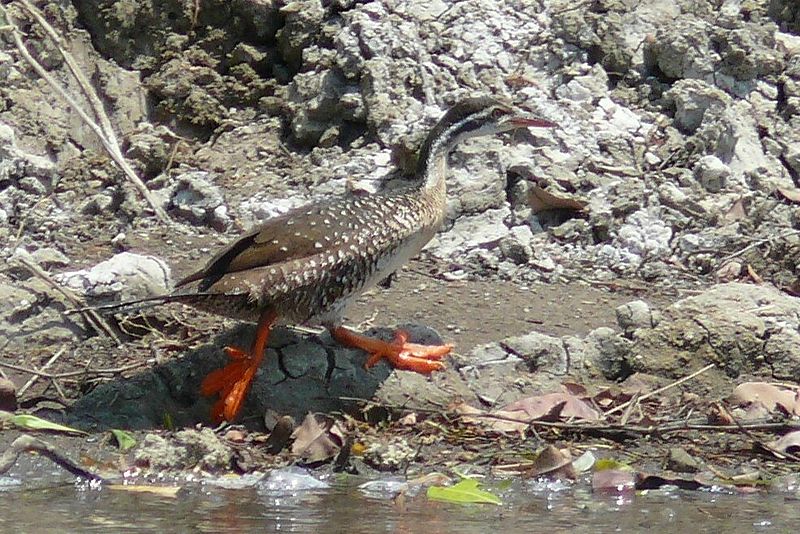
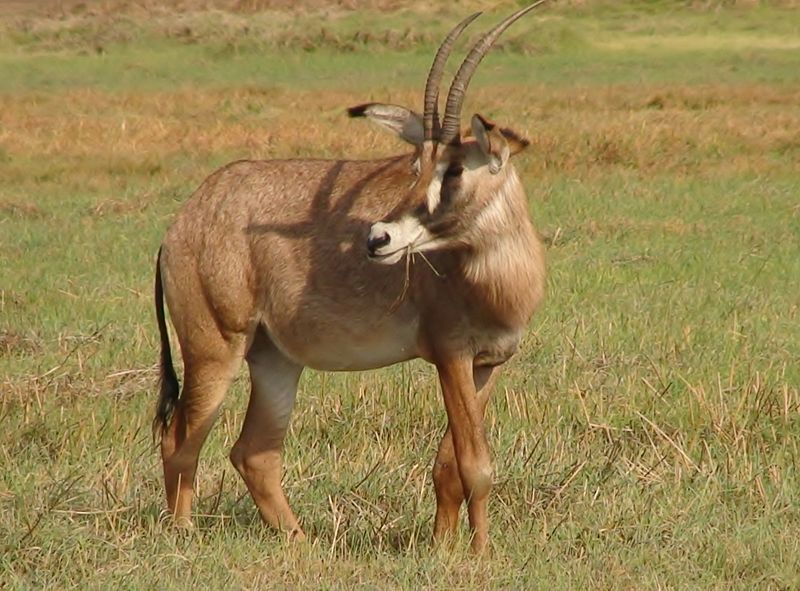
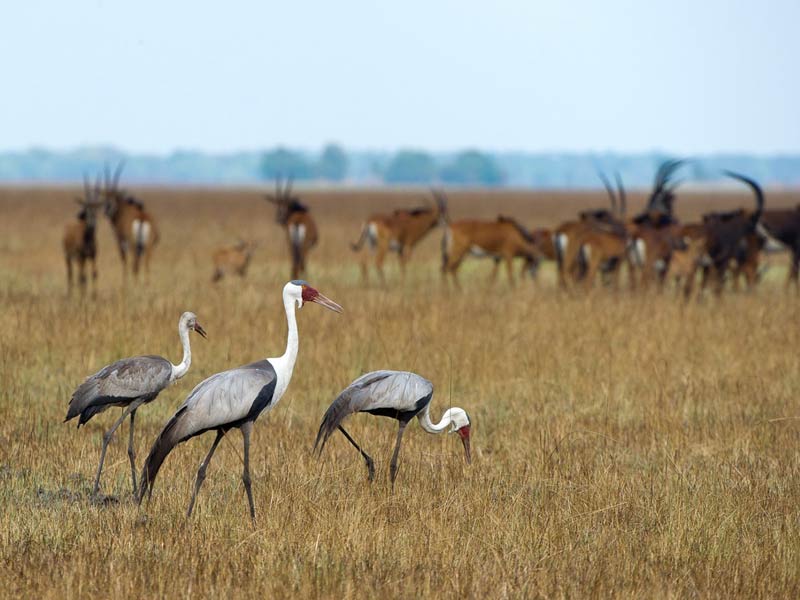
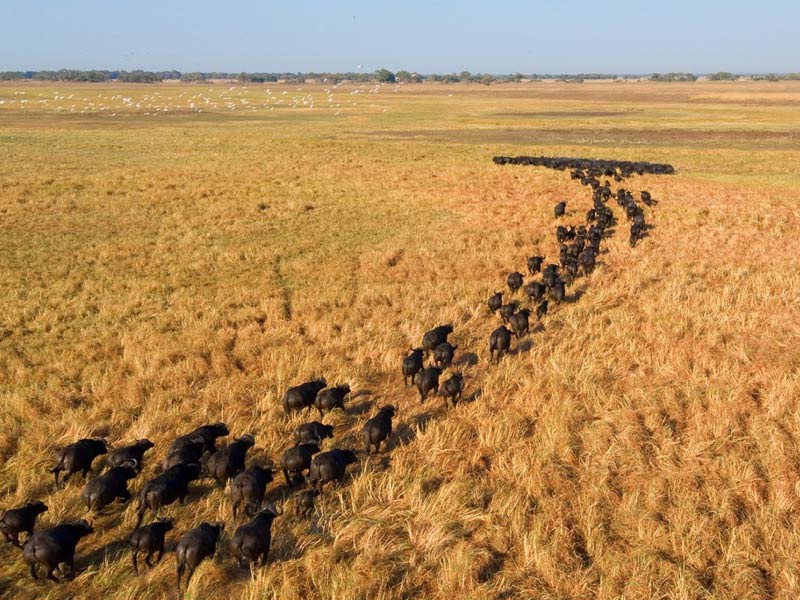
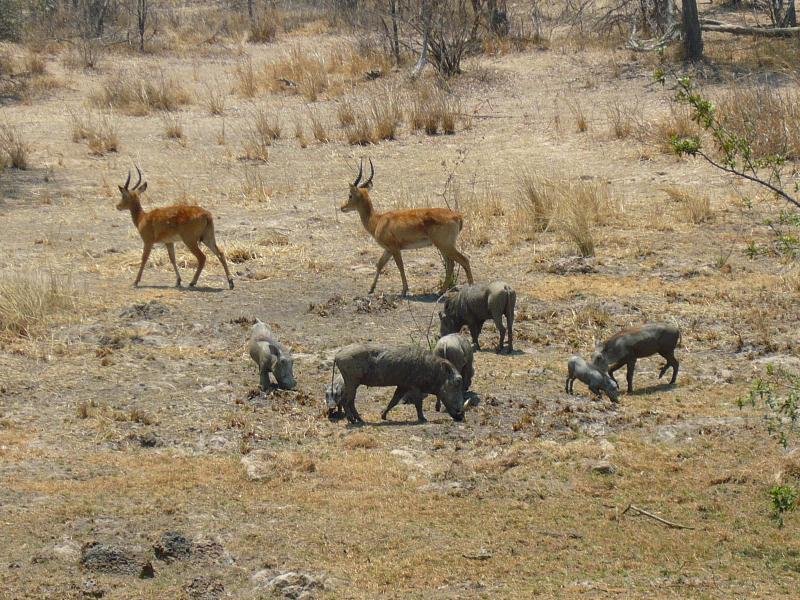
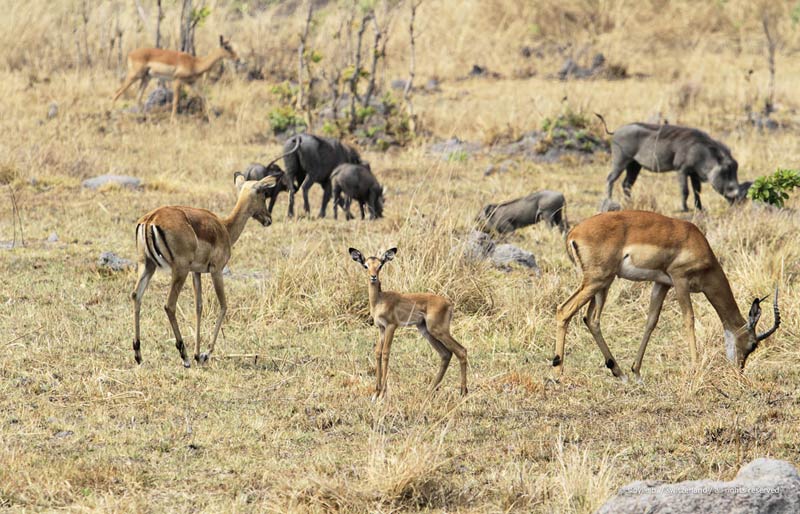
In the savannah forests and flood meadows of Kafue, almost 160 species of animals, 481 species of birds hide from the withering Sun, 70 reptiles and 35 species of amphibians live in the rivers. A huge number of insects attract dozens of bird species from Asia and Europe, which come here for the winter. Among the animals, it is worth noting baboons, kongoni antelopes, Boehme zebras. Besides them, wildebeest, kudu, warthogs, and impala live in large numbers in Kafue National Park. Among the predators in the park are: lions, hyenas, mongooses, jackals, leopards.
Gallery