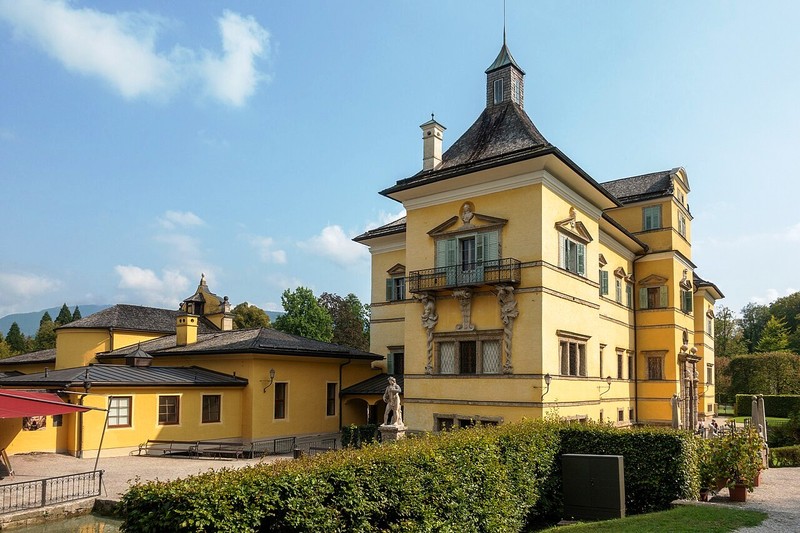
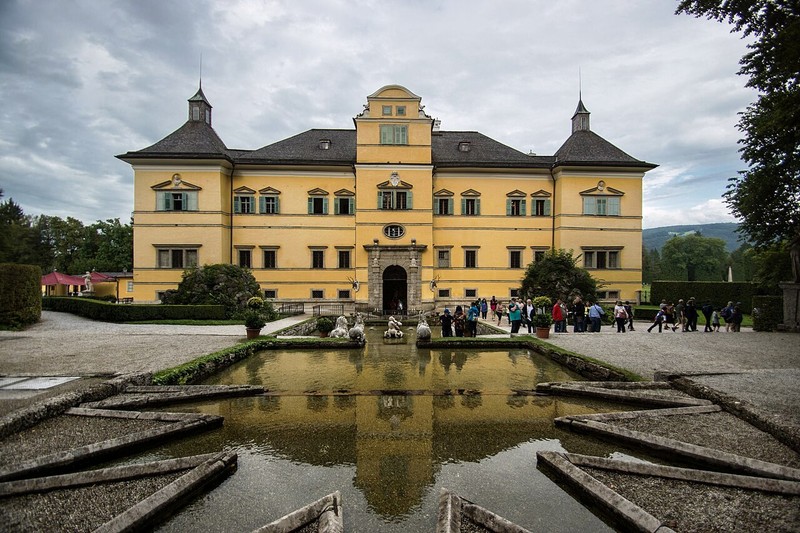
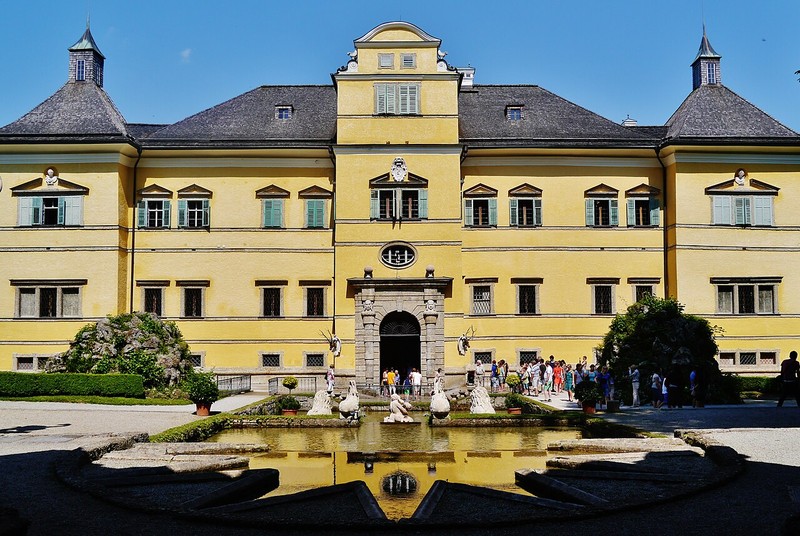
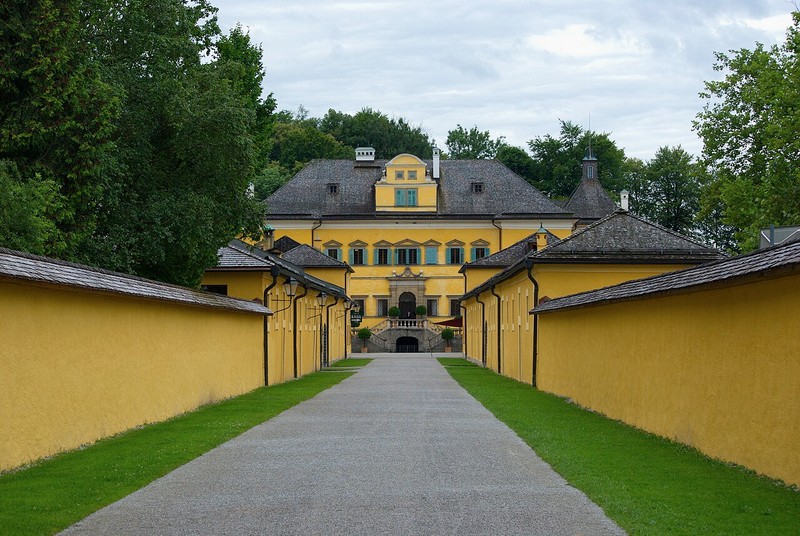
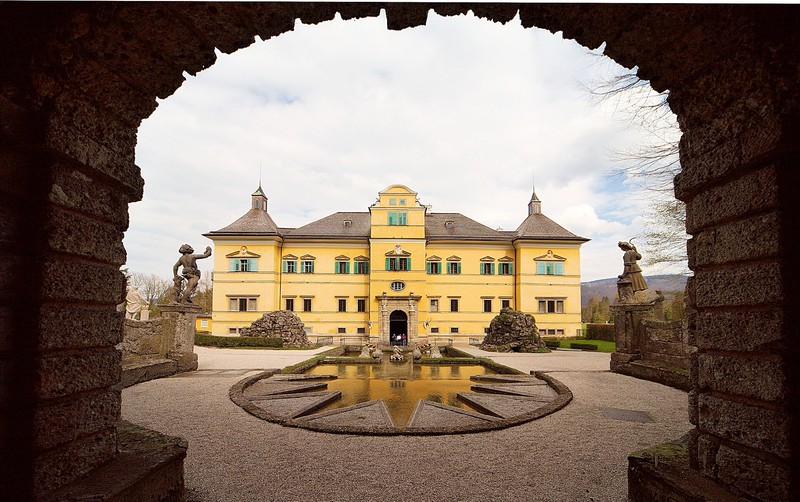
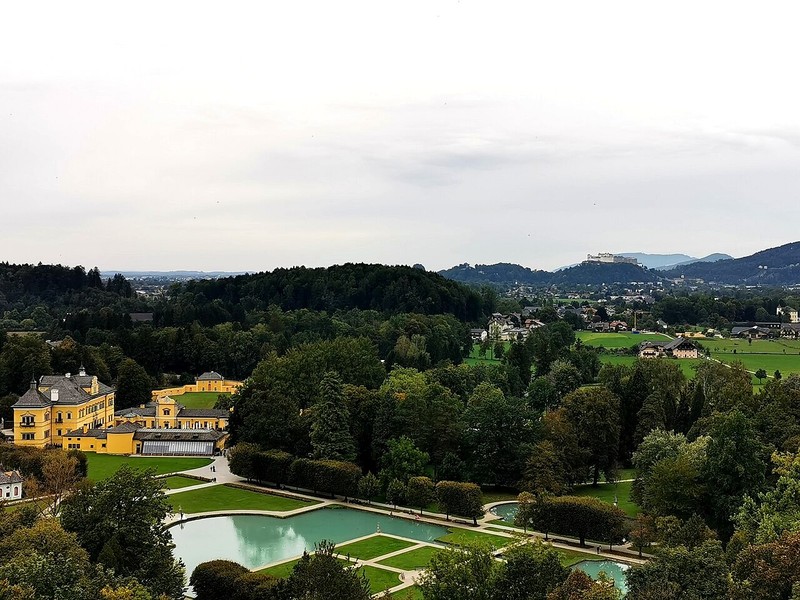
Hellbrunn Palace and Park is one of Salzburg’s most unusual attractions, known for its Baroque palace, picturesque grounds, and famous trick fountains. It lies about 6 kilometres south of the city’s historic centre, at the foot of Hellbrunn Hill. Unlike traditional royal residences, the complex was created primarily for leisure, entertainment, and hosting guests.
Hellbrunn appeals to visitors interested in architecture, history, and nature. You can explore the palace interiors, stroll among sculptures and pavilions, see water-powered mechanisms dating back to the 17th century, and visit an unusual theatre where figures move using the force of water.
History of Hellbrunn Palace
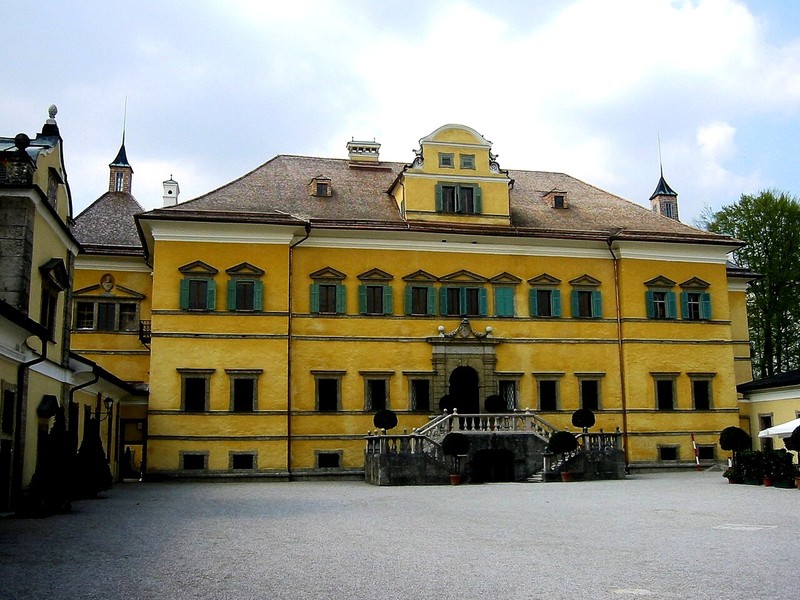
The history of the complex began in the early 17th century, when Markus Sittikus von Hohenems, Prince-Archbishop of Salzburg, decided to create a country retreat for relaxation and festive gatherings. The palace was built between 1612 and 1615 to a design by architect Santino Solari, who also worked on Salzburg Cathedral. Hellbrunn’s architecture reflects the transition from the late Renaissance to the early Baroque.
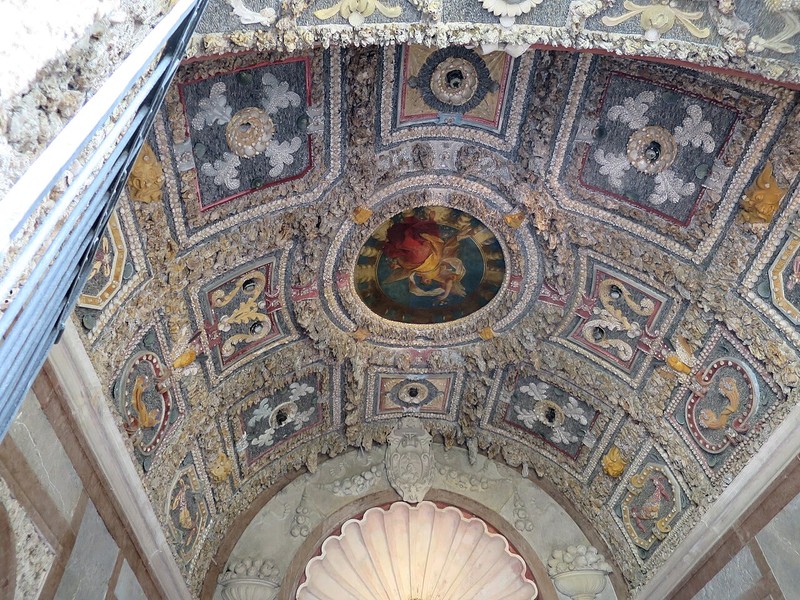
The residence was intended for daytime recreation and entertainment, so it had no bedroom for the archbishop; in the evening, he returned to Salzburg. Water attractions, grottoes, and fountains formed an essential part of the design and were intended to surprise guests. As a result, Hellbrunn became more than a country palace: it was a stage for courtly amusement.
Over the following centuries, the park and some of its structures were altered. The Mechanical Theatre was added in the 18th century, and decorative elements characteristic of Rococo appeared in the grounds during the 1730s. Many historic water features have survived and still operate, offering a glimpse of engineering ingenuity from four centuries ago.
The Palace and Its Interiors
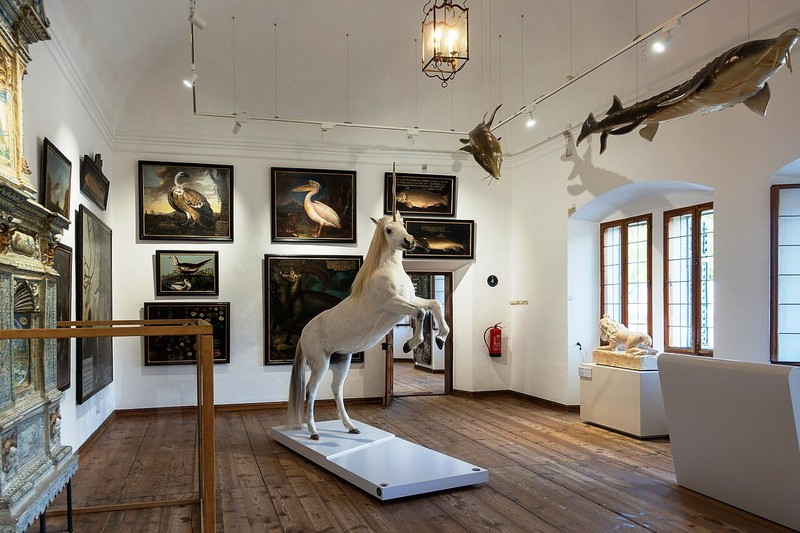
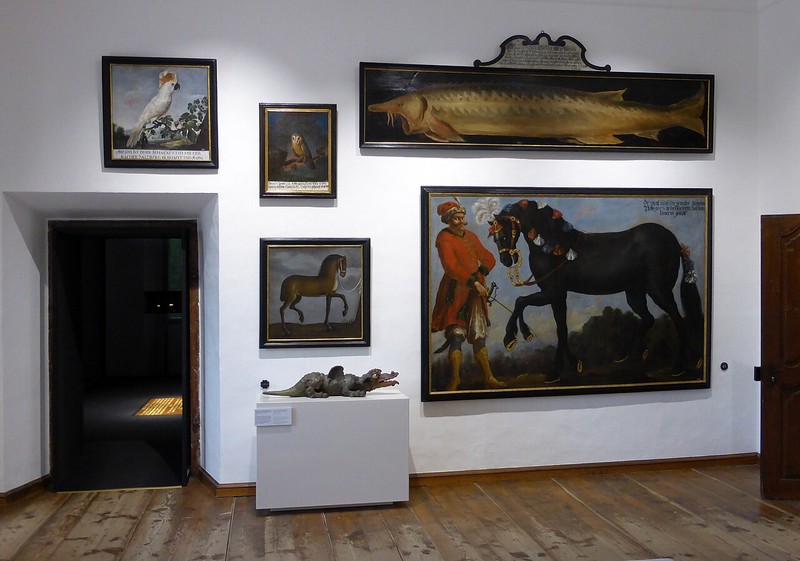
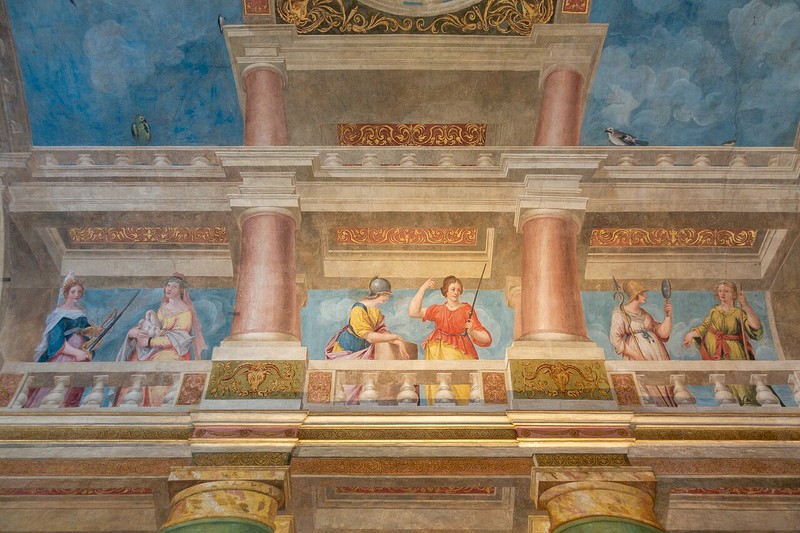
The main palace has restrained yet distinctive decoration. Historic rooms and artistic details survive inside, including frescoes in the large reception hall created by the artist Donato Arsenio Mascagni. Today, the exhibition introduces visitors to the residence’s history and the lifestyle of its founder, Markus Sittikus.
Hellbrunn was designed as a place for pleasure rather than as a permanent centre of government. This explains its unusual layout and the absence of an archbishop’s bedroom. Exploring the interiors helps visitors understand why country villas of this kind became popular among European rulers in the early 17th century.
Hellbrunn’s Trick Fountains
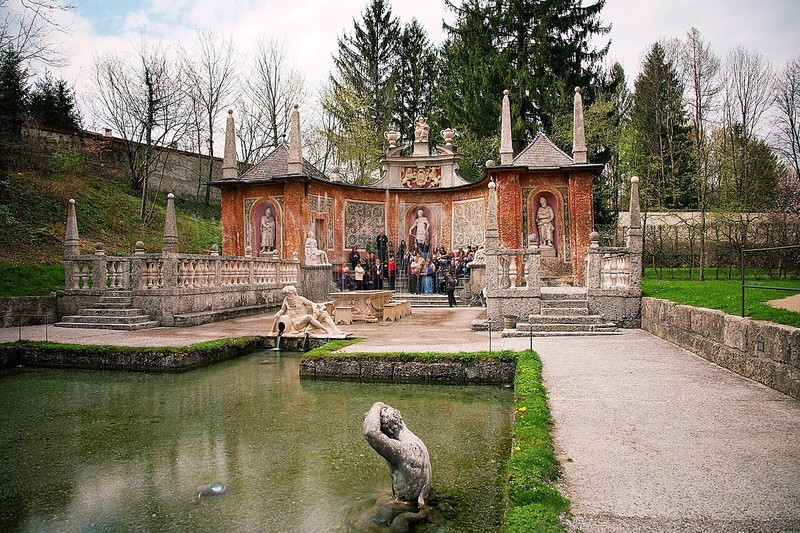
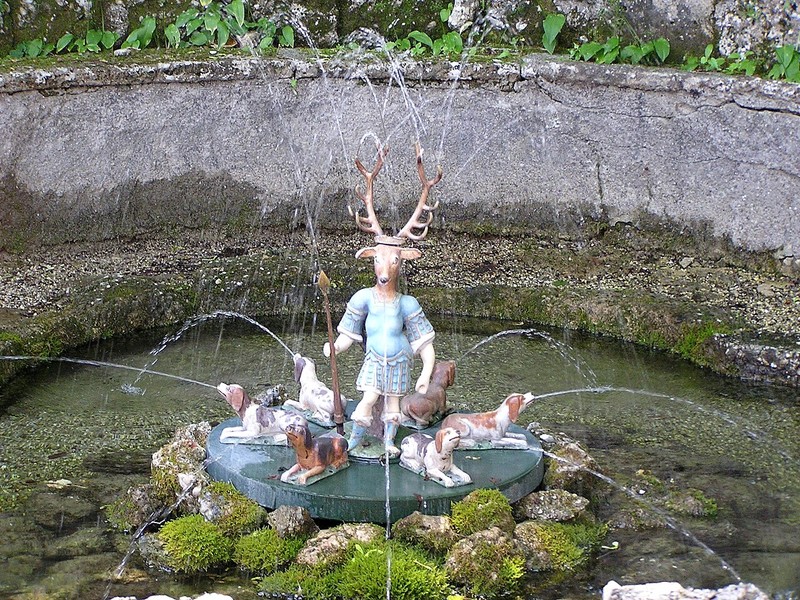
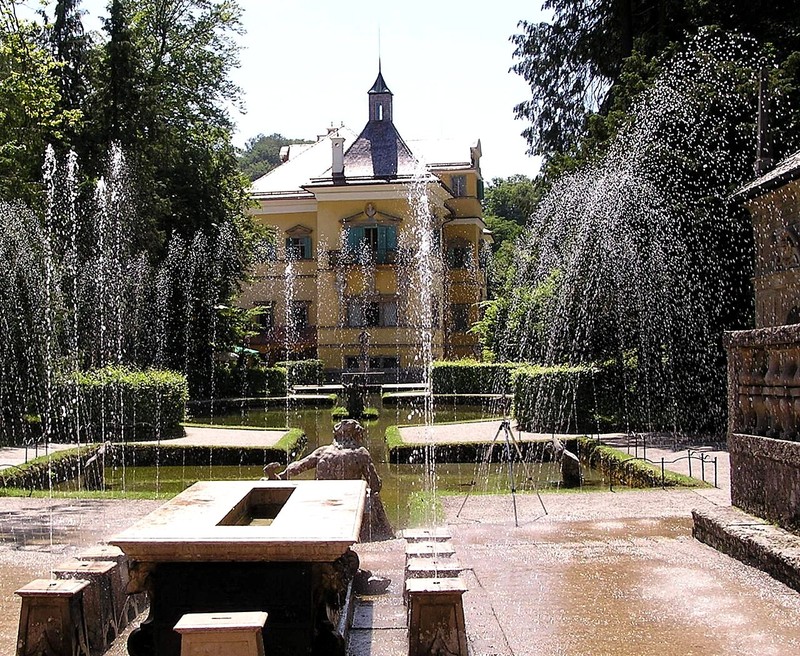
The complex’s main attraction is its trick fountains, known in German as Wasserspiele. They form a system of water features, grottoes, figures, and concealed nozzles that unexpectedly release jets of water. These mechanisms once entertained the archbishop’s guests and have become one of Austria’s best-known attractions.
Water sets figures and mechanisms in motion, while some fountains are concealed in stone tables, pathways, and decorative features. Visitors follow a route that reveals historic water machines and artistic compositions inspired by classical mythology. Some jets activate unexpectedly near paths and benches, so be prepared for a few splashes during the tour.
The water attractions were designed both as entertainment and as a demonstration of technical ingenuity. The mechanisms use the natural movement of water rather than modern electric pumps. This combination of engineering, sculpture, and playful surprise makes Hellbrunn’s fountains distinctive.
The Mechanical Theatre
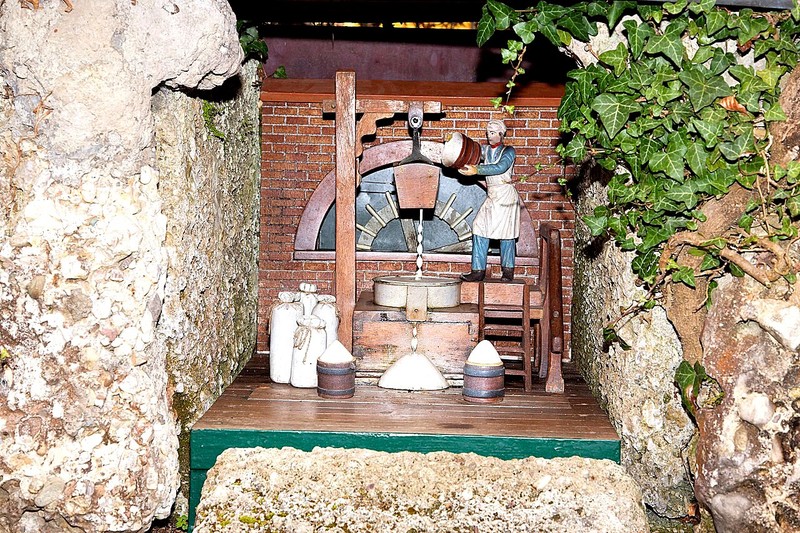
The Mechanical Theatre is one of the most fascinating parts of the water attractions. It was created between 1748 and 1752, after Markus Sittikus’s death. The miniature scene depicts life in a small town, with numerous figures carrying out everyday tasks, moving, and interacting with one another.
The mechanism is powered by water. Hidden wheels, gears, and other components make the figures move without a modern electric drive. The theatre demonstrates the complexity of 18th-century mechanical entertainment and remains one of the complex’s most memorable sights.
The Stone Theatre
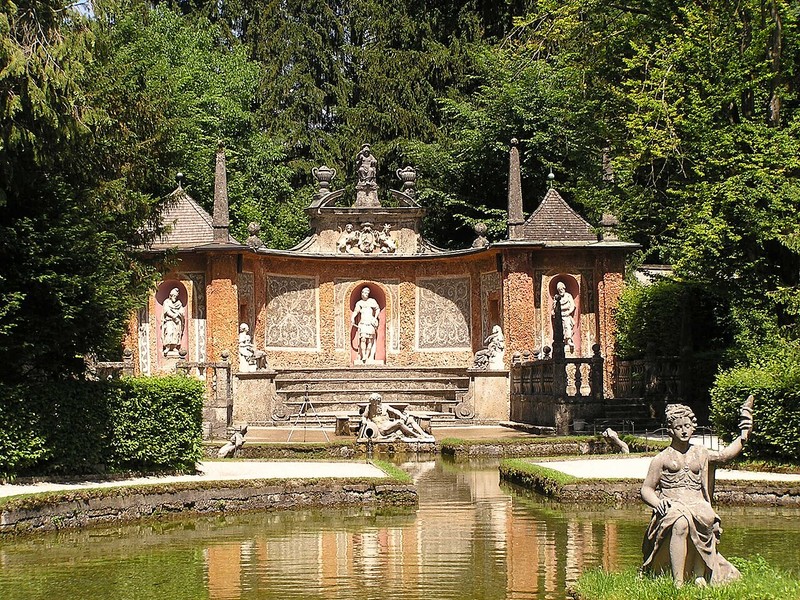
The Stone Theatre is set in a natural rocky cleft on Hellbrunn Hill. It was already being used for performances in the 17th century. The rock walls form a natural backdrop, while the stage blends into the surrounding landscape.
The theatre is connected with the history of European court entertainment and Salzburg’s early theatrical tradition. Cultural events and performances may take place here during the warmer months. Visiting this part of the park shows how the natural terrain was used to create an unusual open-air performance space.
The Park and Its Pavilions
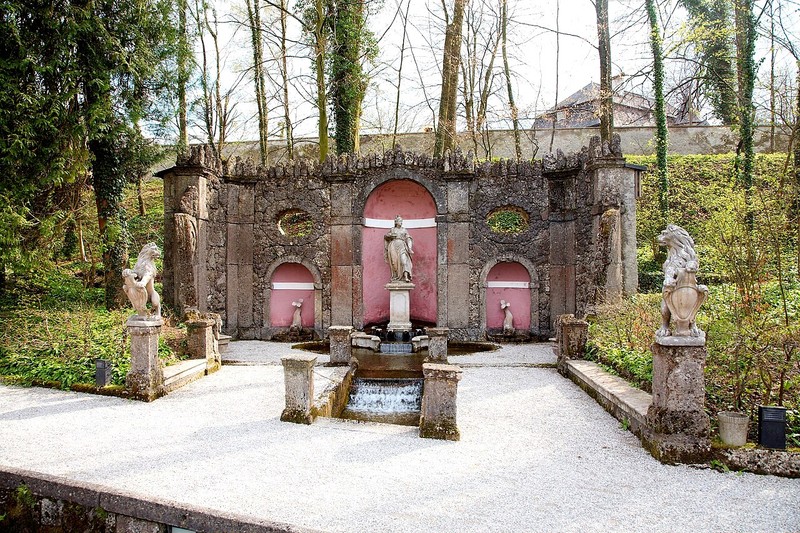
Hellbrunn’s grounds combine landscaped paths, lawns, sculptures, fountains, and architectural pavilions. Visitors can take a leisurely walk, escape the bustle of the city, and admire the details of the historic landscape design. The park combines formal garden elements with natural areas, preserving the atmosphere of a country retreat.
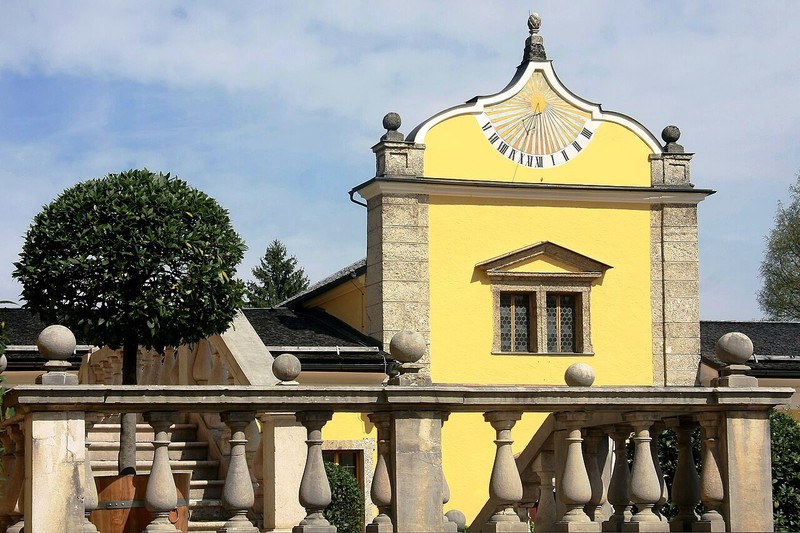
One notable building is the Monatsschlössl, a small pavilion on higher ground that houses Salzburg’s folklore museum. The grounds also contain a pavilion made famous by the film The Sound of Music. Thanks to the film, it has become a popular place for photographs.
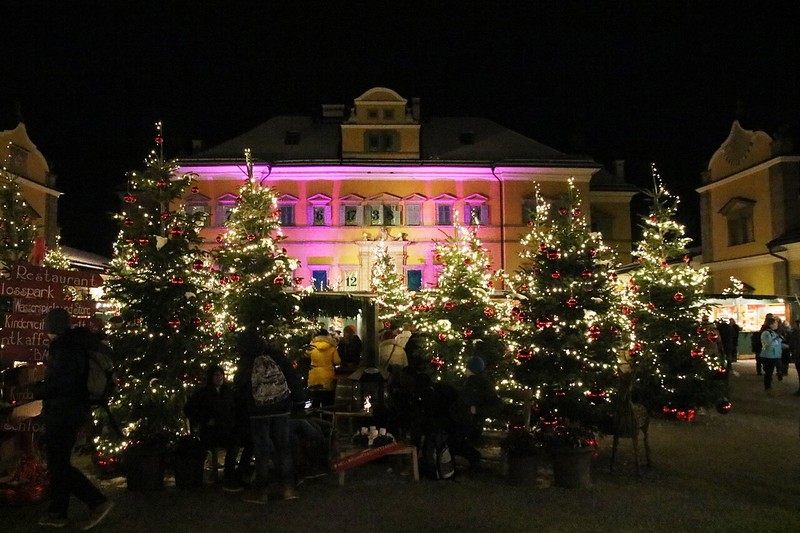
Hellbrunn is worth visiting throughout the year. In warmer months, the water attractions and garden walks are especially appealing, while the park remains a pleasant place for quiet walks in winter. During Advent, the palace grounds host a festive Christmas market.
How to Get to Hellbrunn
Bus 25 provides a convenient connection from central Salzburg to the southern part of the city and the palace complex. Visitors can also travel by car or taxi; parking is available near the grounds. A cycling route from central Salzburg is another option for active travellers.
During the warmer season, Hellbrunn can be combined with an excursion around Salzburg or a boat trip on the Salzach River, if a suitable service operates on the chosen date. Before visiting the palace and trick fountains, check the current opening hours and admission arrangements on the complex’s official website.
Nearby Attractions
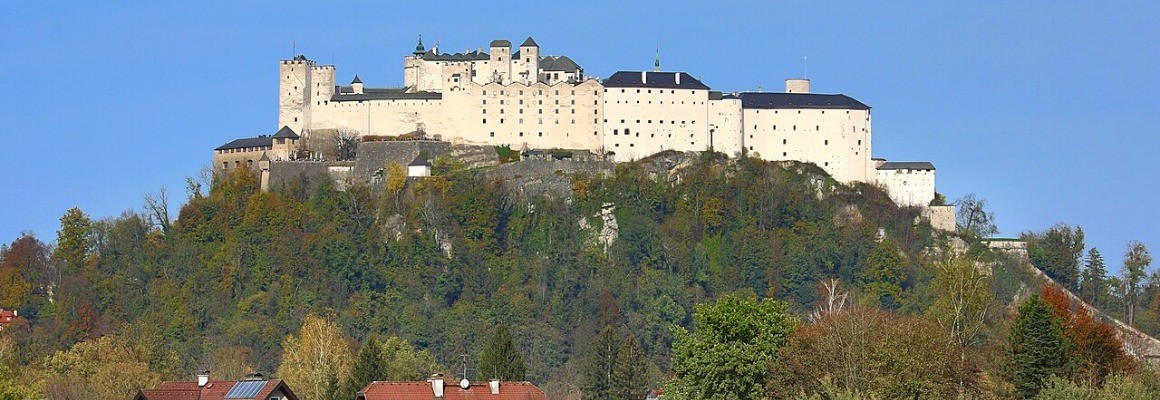
A visit to Hellbrunn can be combined with a tour of Salzburg’s historic centre, a UNESCO World Heritage Site, Salzburg Cathedral, and Hohensalzburg Fortress. Nature lovers may also enjoy walking in the surrounding green spaces. With its combination of architecture, history, and unusual water mechanisms, Hellbrunn remains one of the most memorable places to visit in Austria.
Gallery