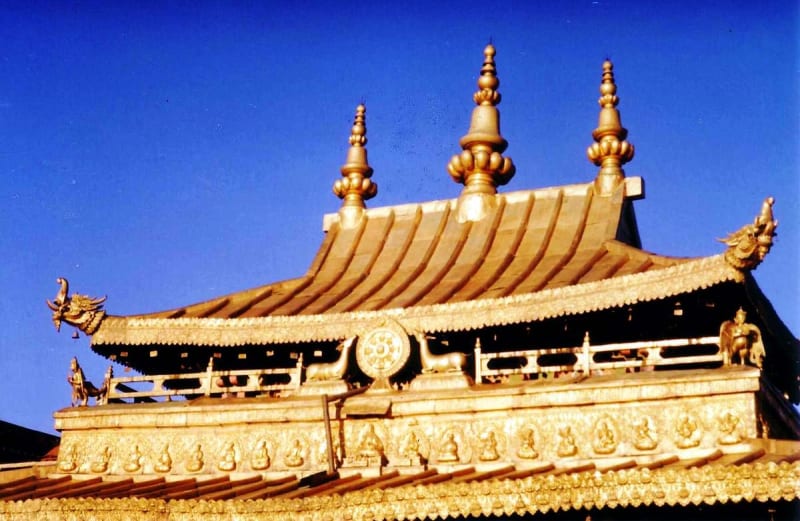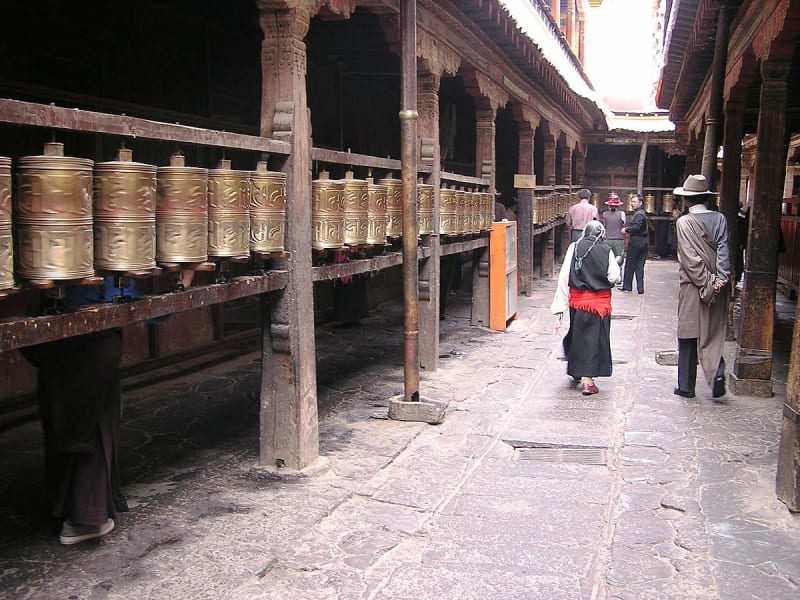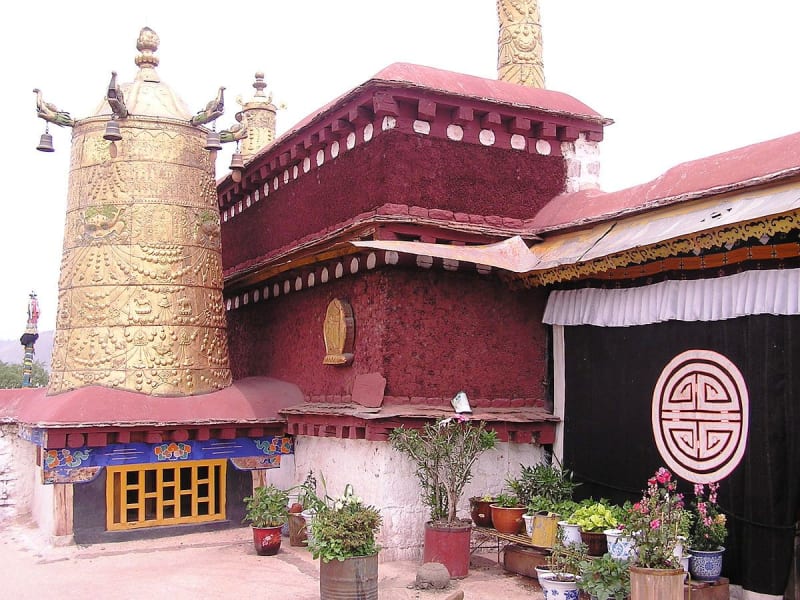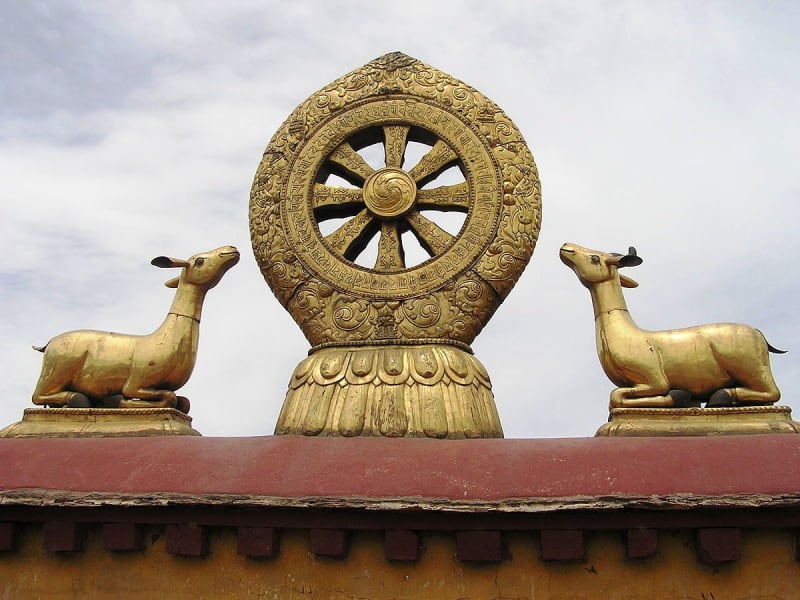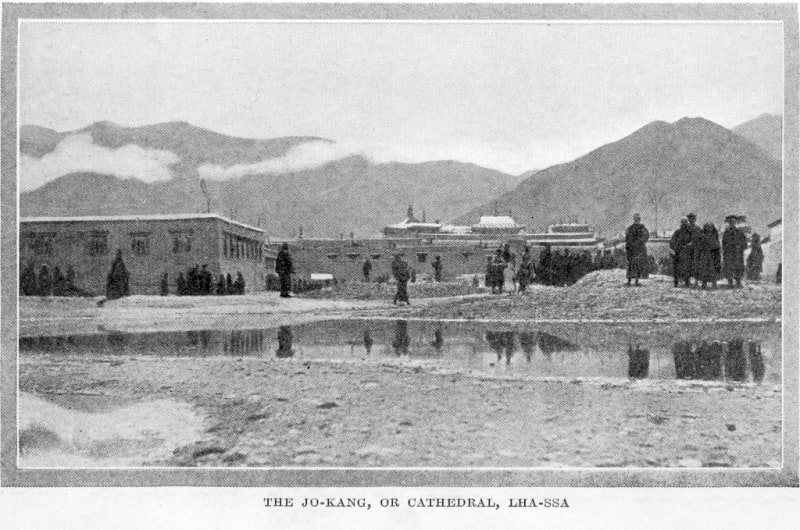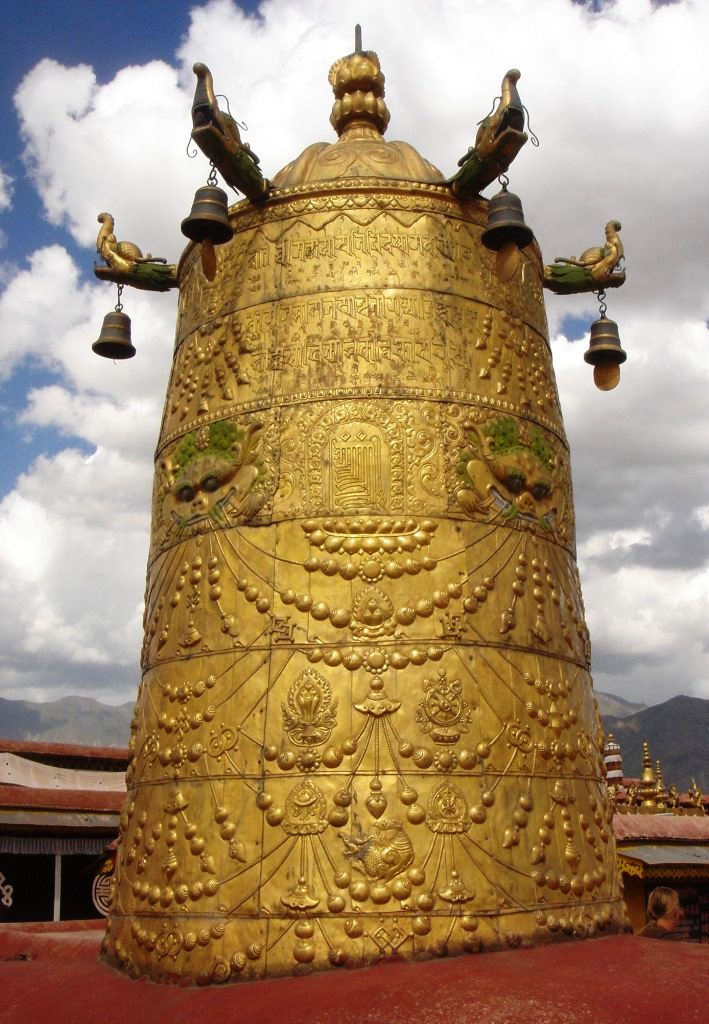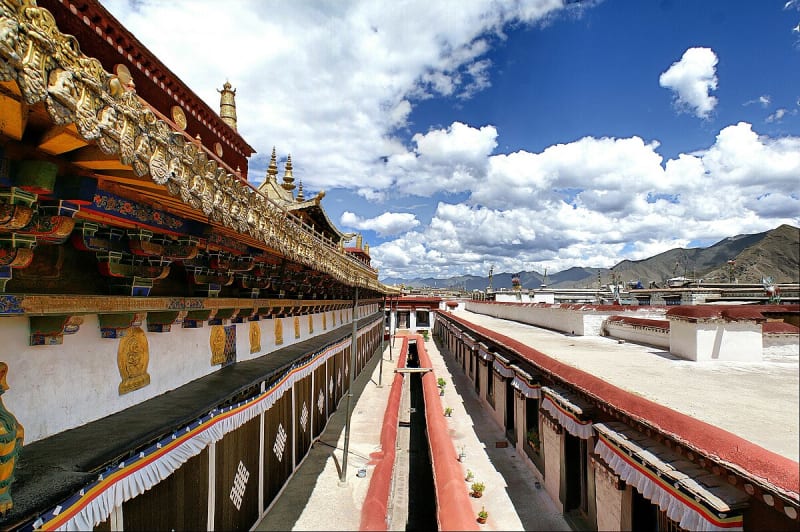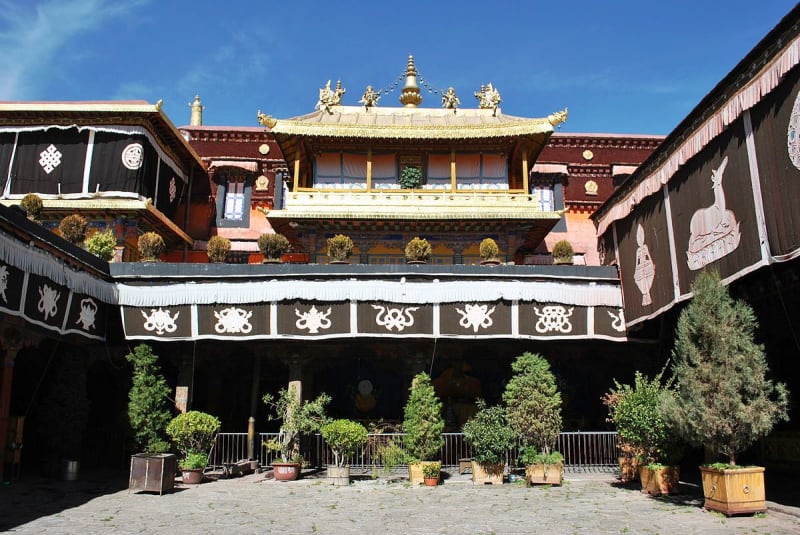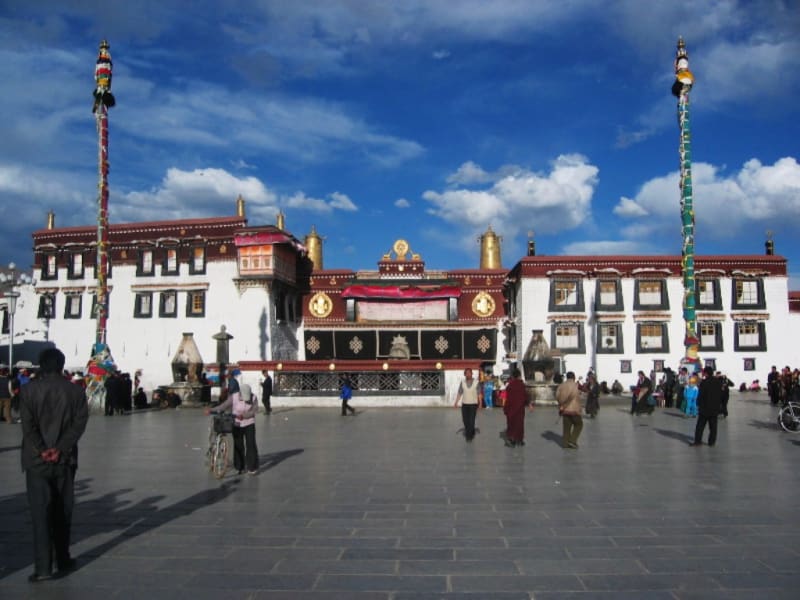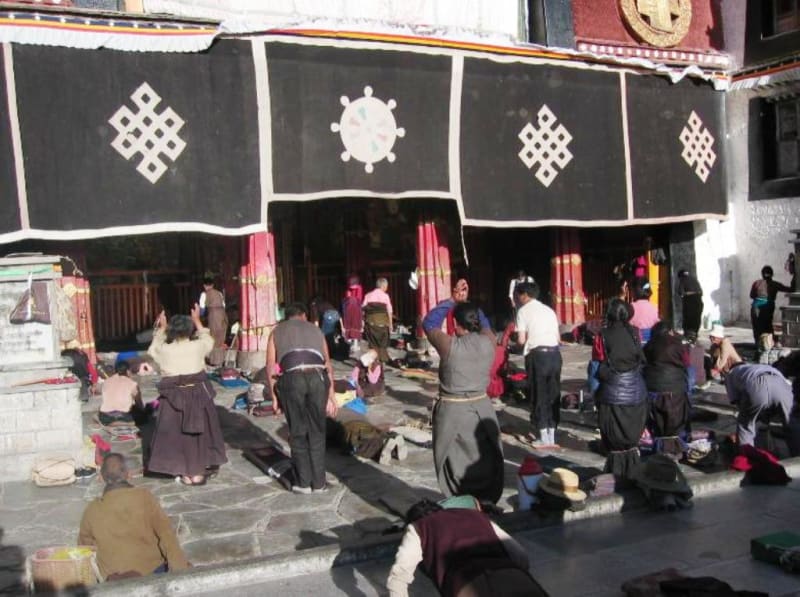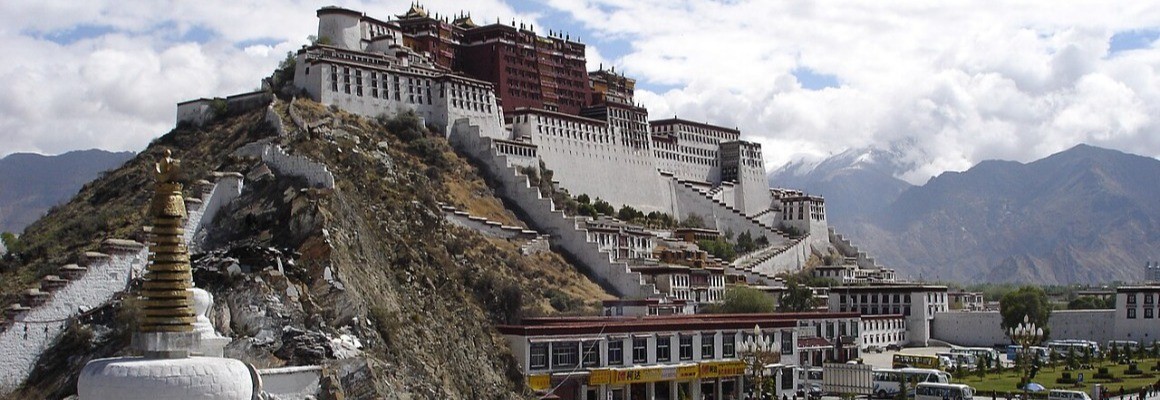

Jokhang Temple is a sacred place in Tibet, and thousands of Buddhist pilgrims seek to visit the holy place every year. Ordinary tourists, according to reviews, also feel the protection of the extraordinary places of Tibet. In China, they say New Year's Eve at the monastery is a colorful holiday that will always be remembered and will become a vivid memory of a trip abroad.
The history of Jokang Temple
Ruler Songtsen Gambo, while meditating, ascended above the earth and saw the outlines of the Tibetan Mountains. They resembled the body of a demon lord lying on her back. To contain the dark forces, Gumbo decided to build the Jokang Buddhist Temple. One of Emperor Wenchong's wives determined that the devil lady's heart was located right in Lake Okhtang. Construction began in 639 AD.
The lake was filled in, and at the end of 647, the Jokang Temple was built. A Small Jokang (Ramose) was built nearby. Wencheng's Chinese wife lived here permanently and the statue of Jovo Buddha was kept there. A total of 12 temples were built. The buildings formed 3 circles, with four objects on each side of the world (north, south, west, east). It was believed that the first circle was holding back the devil corps on Lhasa land. The second circle held the knees and elbows, and the third held the legs and arms.
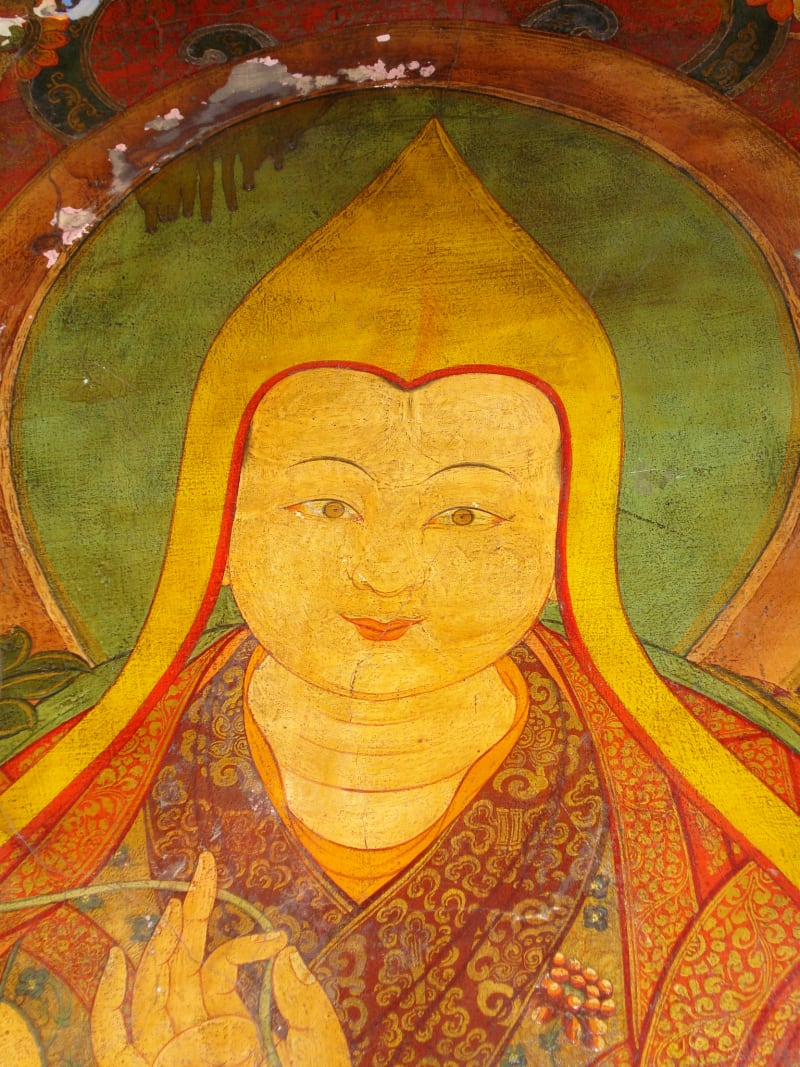
When the Dalai Lama V came to power in the 17th century, some buildings were restored. The walls of the temple were supplemented with bas-reliefs and paintings. During the Cultural Revolution, the holy place fell into disrepair. The monastery was restored, and I had to spend a lot of time studying historical material.
Temple attractions
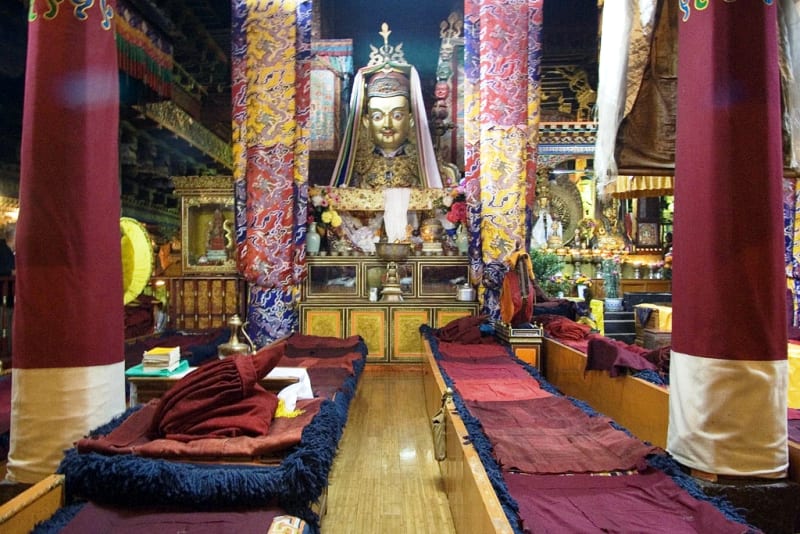
The main value of the Jokang Temple is the Jovo Buddha, a 150-centimeter-high statue of a 12-year-old son from the Shakya dynasty. Many people believe in fulfilling their cherished desires. The petitioner should bow before the Buddha with good intentions and make sure to touch his feet with his head. Currently, the image of the statue looks more complete than before. This happened because the sculpture was covered many times with gold plating.
Throughout the entire territory of the Jokang temple, you can find many sacred statues. The approximate number is about 800 sculptures. Tourists enjoy:
- wall painting;
- ancient masterpieces of wooden objects;
- tapestries.
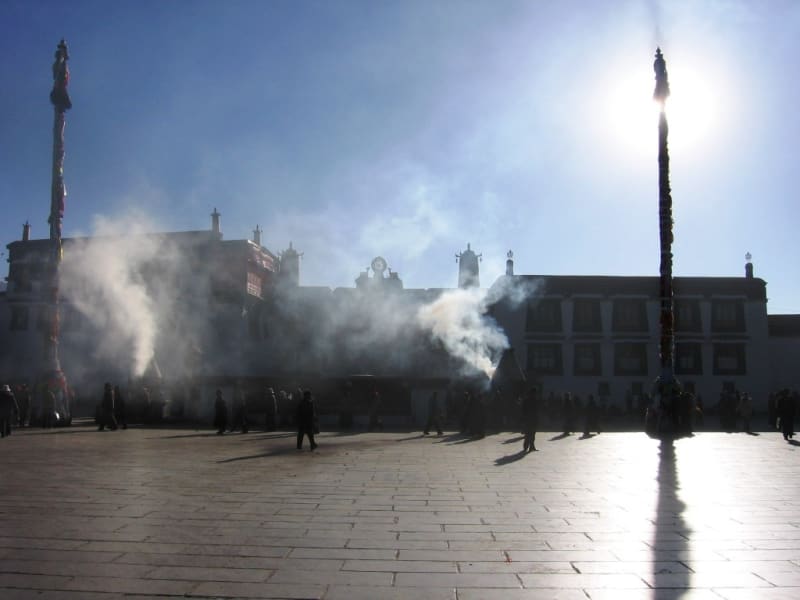
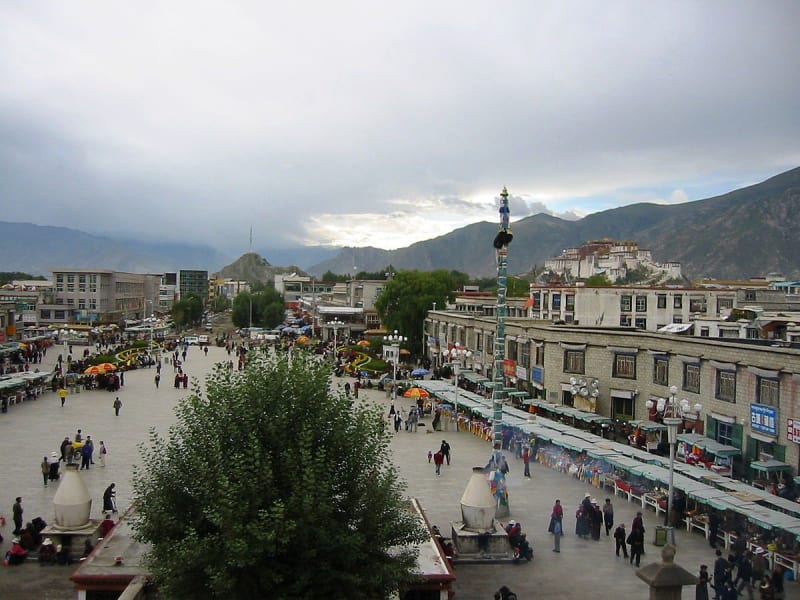
In China, they say monks often see images that manifest themselves. A sacred path, the Barkhor, stretches in a large circle around the monastery. There is a market in front of the temple every day. Travelers can purchase felt hats, pillows, prayer flags, jewelry, food, and other goods.
The Jokang Temple is located in the center of Lhasa city. You can walk to the monastery. You can visit the monastery during the hours when there is no prayer service. A service is held from 8 to 11:30, and only Buddhists can attend during these hours.
Gallery