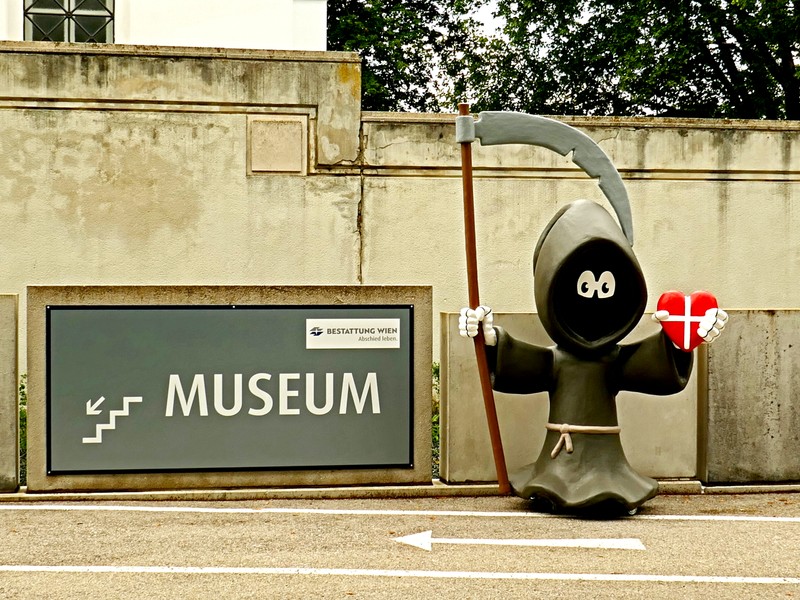
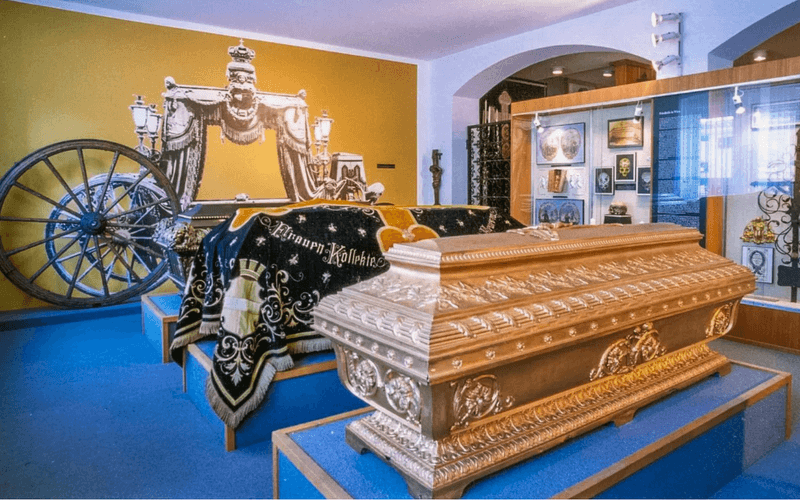
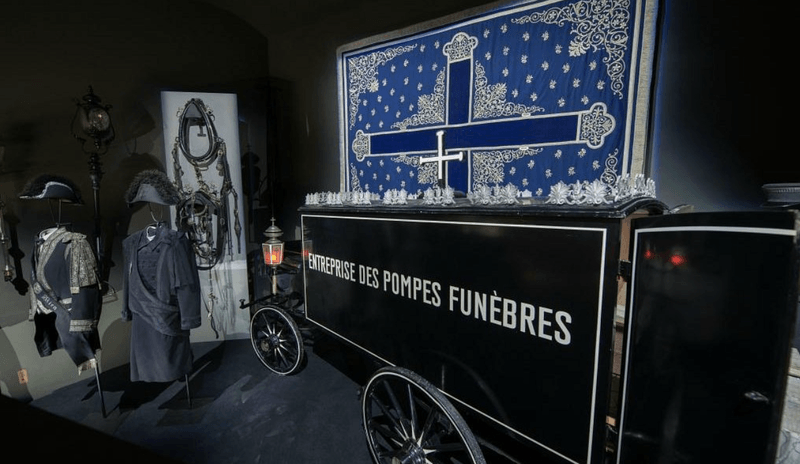
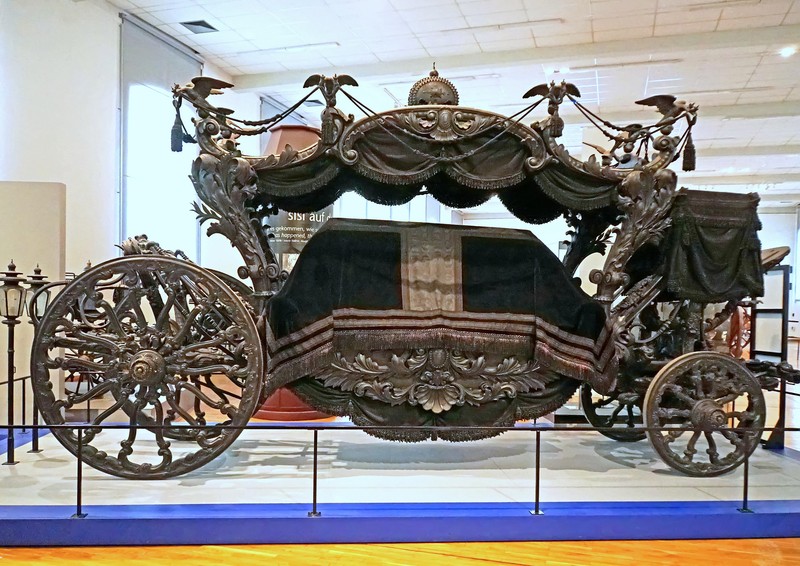
The Funeral Museum in Vienna, also known as the Museum of Funeral Services, explores the history of funerals, cemetery culture and Viennese mourning traditions. Located at Vienna Central Cemetery, it shows how burial customs, funeral services and social attitudes towards death have changed from the late 18th century to the present day.
The museum combines historical objects, photographs, multimedia material and interactive stations. Its displays reveal not only the tools and accessories used in funerals, but also aspects of urban history, social customs and Vienna’s distinctive sense of humour.
History of the museum
The museum opened on 14 June 1967 at the headquarters of Vienna’s municipal funeral service. Its establishment marked the organisation’s 60th anniversary. The collection originally introduced visitors to the profession and history of funeral services, later developing into an independent cultural and historical exhibition.
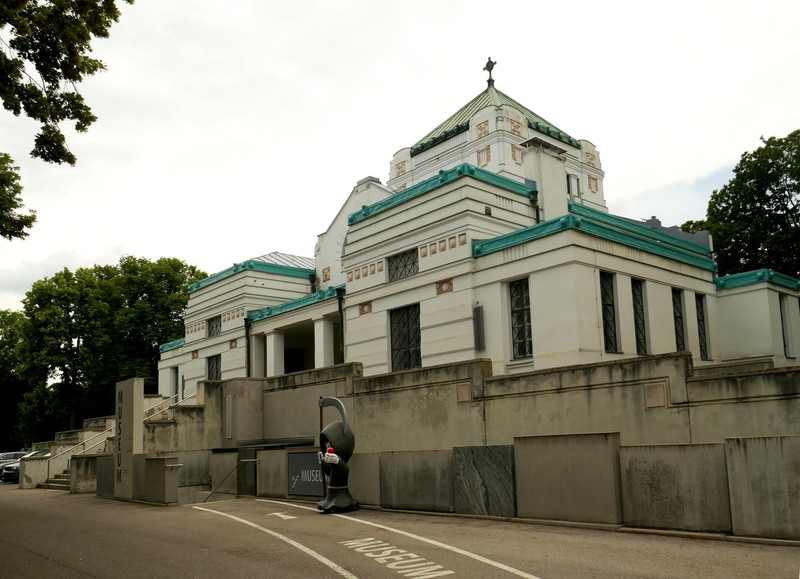
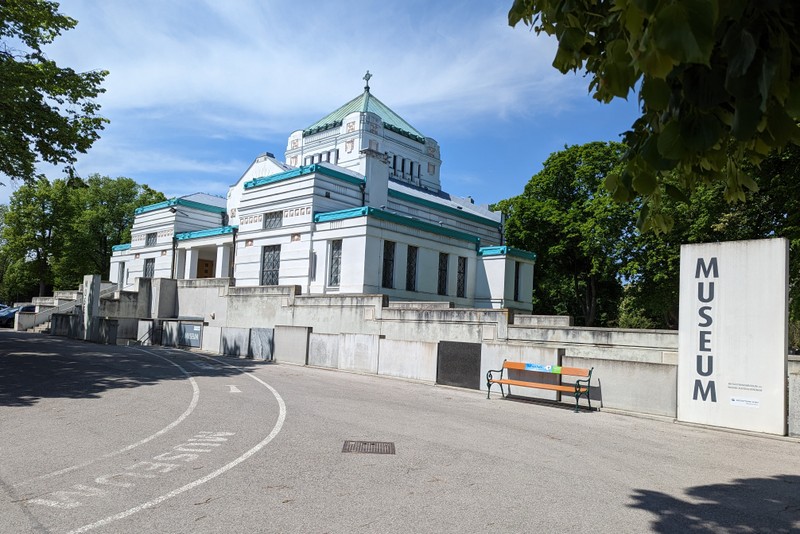
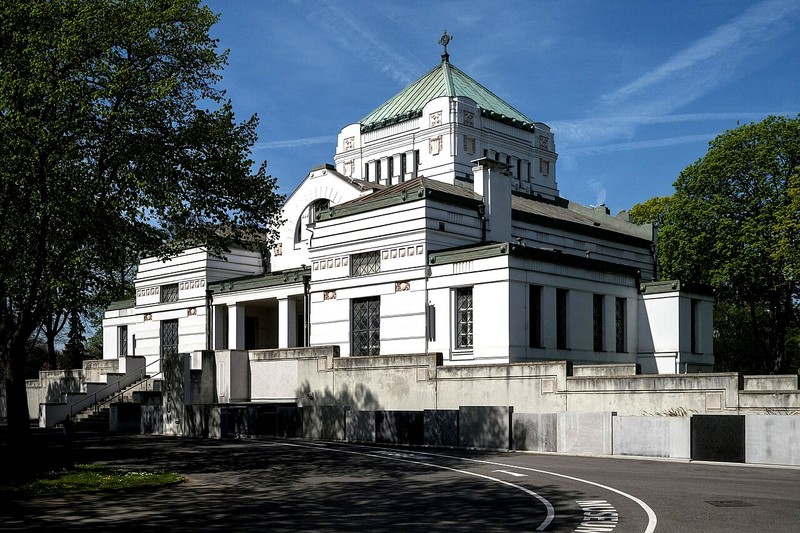
In 2014, the museum moved to Vienna Central Cemetery. It was installed on the lower level of historic Funeral Hall 2, an area previously used for storage. The new space made it possible to combine original objects with modern ways of presenting information.
Viennese funeral culture
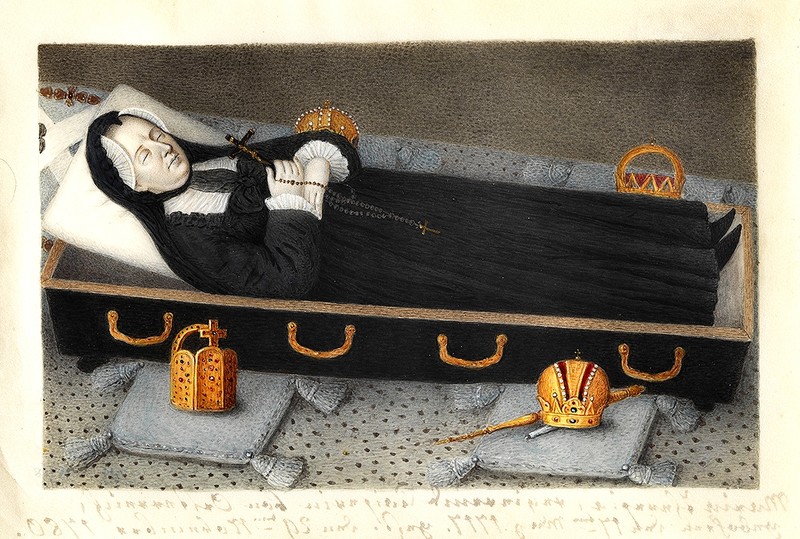
A central concept in the exhibition is “schöne Leich,” literally “beautiful funeral.” In Vienna, the expression refers to an elaborate and carefully organised funeral ceremony. In the past, lavish funerals could reflect a family’s social standing, and considerable attention was devoted to the final farewell.
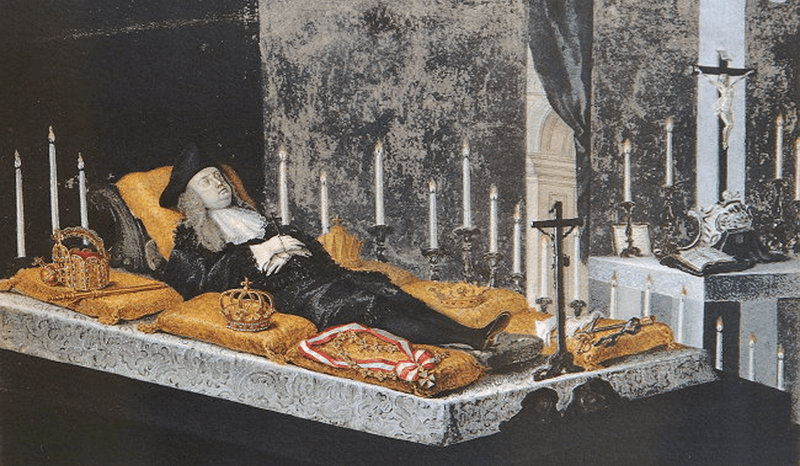
Viennese funeral culture developed under the influence of religious customs, imperial ceremonies, urban traditions and the growth of professional funeral services. The museum traces changing ideas about a dignified burial, the appearance of funeral processions and the organisation of cemeteries.
What to see in the museum
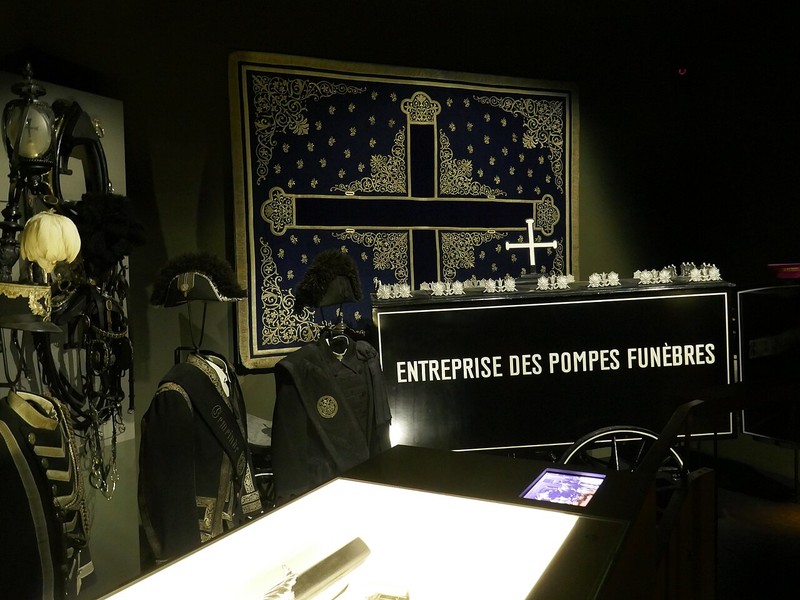
The collection features more than 250 original objects and archival images related to funeral services. Exhibits include a historic hearse for transporting the deceased, mourning clothes and staff uniforms, funeral equipment and objects used during farewell ceremonies.
Particularly intriguing are devices associated with the fear of being mistakenly declared dead and buried alive. These include a rescue alarm designed to signal from inside a coffin, as well as special instruments that reflect medical beliefs of the past. They illustrate how people tried to address fears surrounding death before the development of modern medical methods.
The story of the reusable coffin
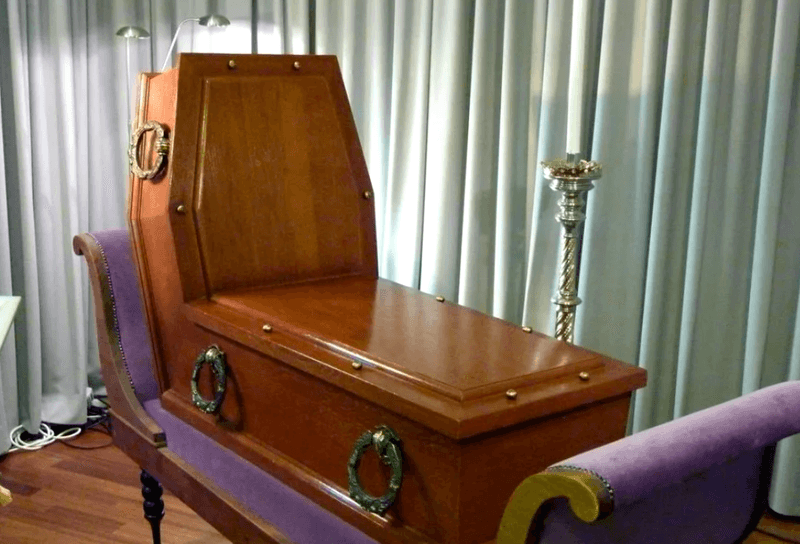
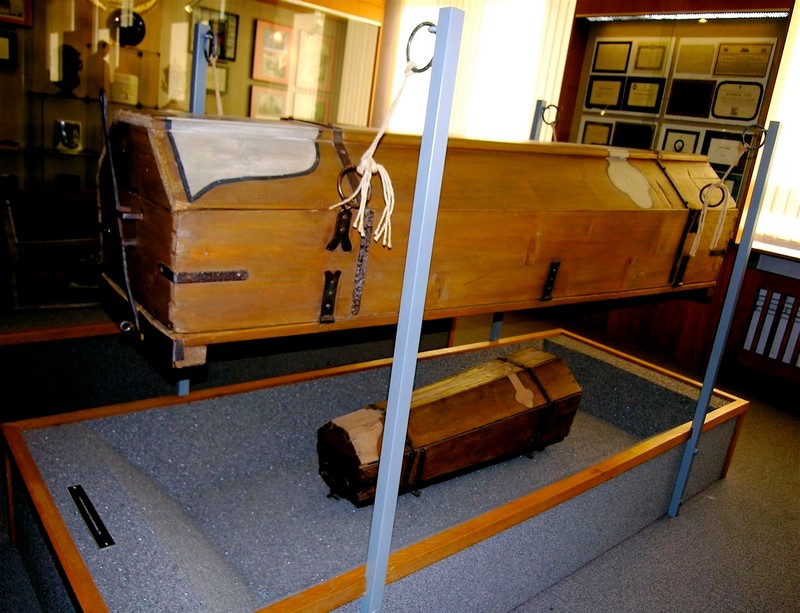
One unusual episode concerns the reforms of Emperor Joseph II in the 18th century. In 1784, an innovative folding coffin was introduced and discussed. It allowed the body to be lowered into the grave without burying the coffin itself. The idea was intended to save wood and change burial practices, but it faced opposition and did not become a widespread standard.
This example shows how funeral customs could be shaped by administrative reforms, economic concerns and public beliefs. The museum helps visitors understand how closely rituals are connected with the history of everyday life.
Location and how to get there
The museum is located beneath Funeral Hall 2 at Vienna Central Cemetery, Simmeringer Hauptstraße 234, 1110 Vienna. From the cemetery’s main entrance at Gate 2, walk approximately 100 metres; the museum is on the right, on the lower level of the building.
The Zentralfriedhof 2. Tor stop is served by tram lines 11 and 71, as well as buses operating in the area. Check current public transport routes before travelling.
Opening hours and visits
According to the museum’s official information, it is open for individual visits on Wednesdays, Thursdays and Fridays from 10:00 to 16:00. Guided tours are not held during these opening hours. Group tours must be booked in advance and are available for groups of at least 15 people. Special opening hours may apply on certain dates, so check the museum’s official website before visiting.
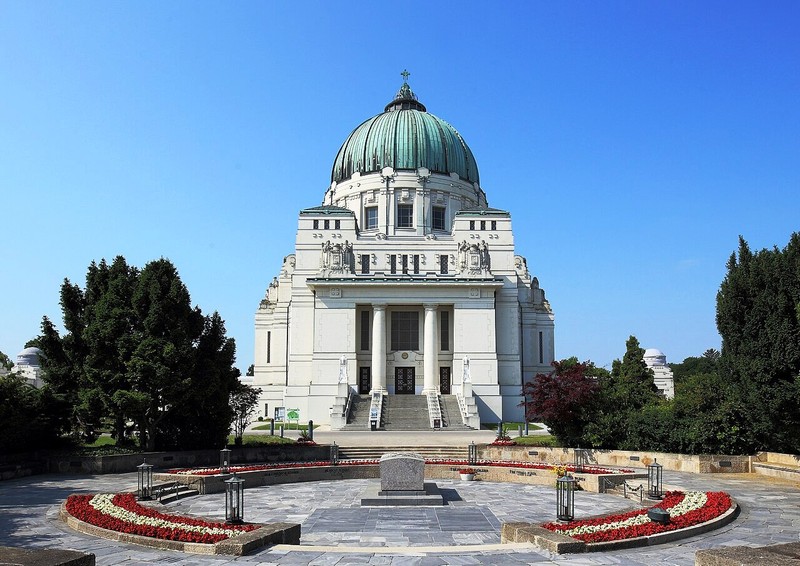
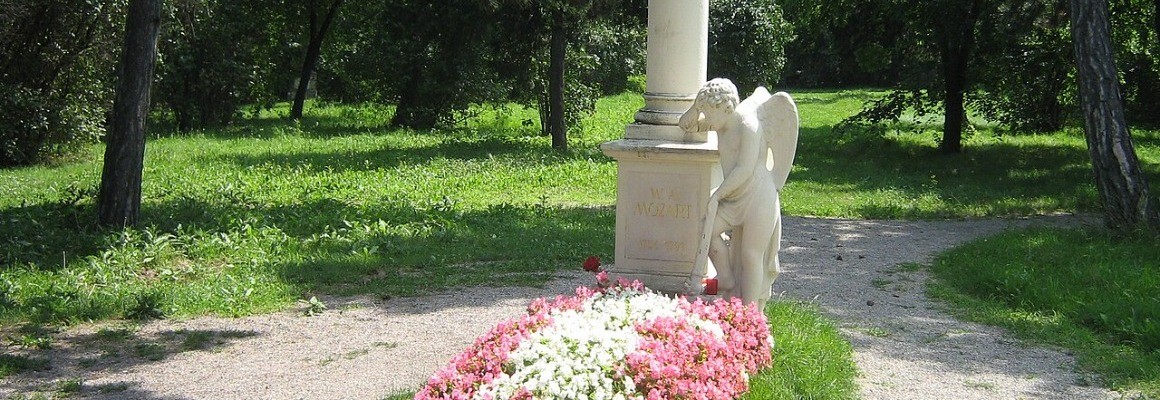
The Funeral Museum is worth considering for visitors interested in Vienna’s history, local customs, museum collections and unusual aspects of European culture. A visit can be combined with a walk around Central Cemetery, which contains historic graves, monuments and the burial places of prominent Austrian figures.
Gallery