Traveler Stories — page 17

Gilyana Guide
Italy · October 1, 2026
Day 4. Last morning in Rome and the road to Florence

Day 4. Last morning in Rome and the road to Florence

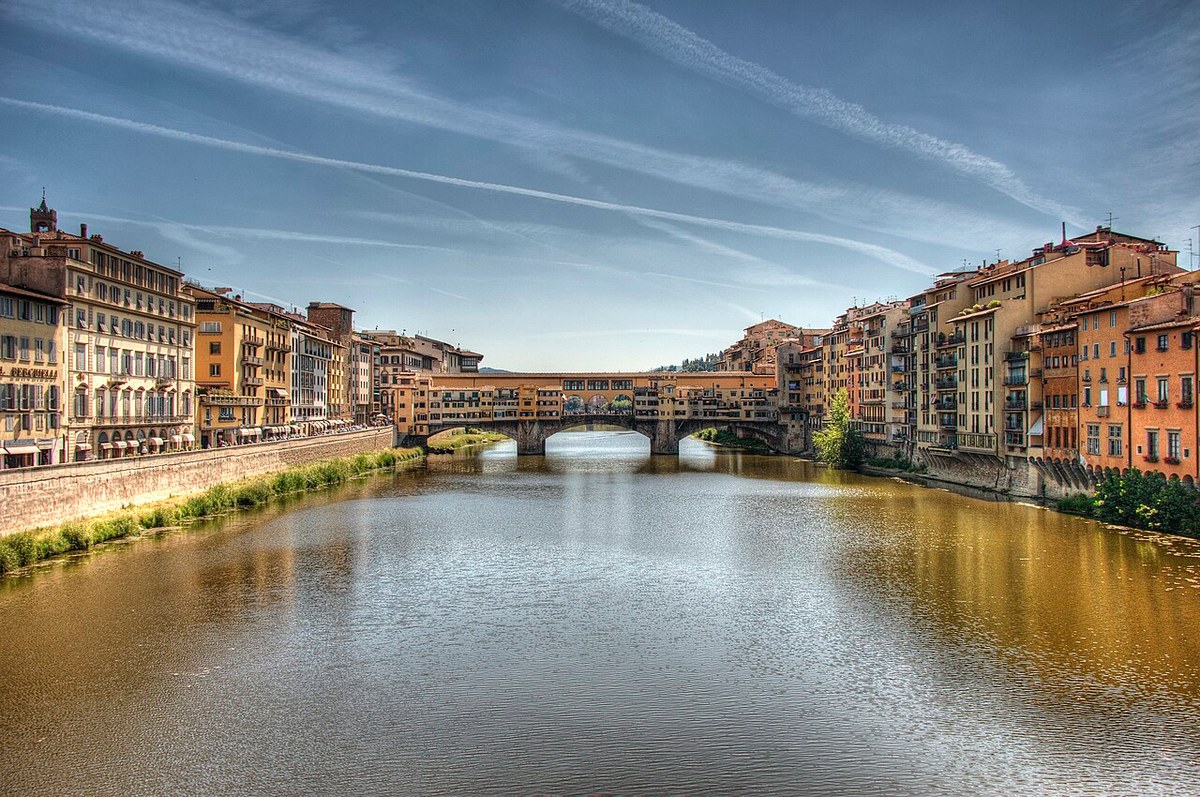
I decided to start the fourth day calmly, because after three days of active walks, I already wanted to just walk along familiar streets without the obligatory to-do list. I took another look at the center, reached Venice Square, had a coffee, and gradually began to return to the hotel to get my things. At times like this, I always regret a little that I can't just leave my suitcase in Rome and come here for another week, because that's when you get the feeling that you've just begun to understand the city. Venice Square in Rome My traditional struggle with a suitcase was waiting for me at the train station. It would seem that there are few things, everything is neatly assembled, but once you start looking for the right platform, this small bag suddenly turns into an impossible object. Fortunately, the train to Florence turned out to be convenient, the journey passed quickly, and after a while I was driving to a new city and looking out the window, realizing that the first part of the journey was over. The Ponte Vecchio Bridge I checked in in Florence and didn't plan a long route on purpose in the evening. I just went out for a walk, looked at the city at a calm pace and realized what it would be like for me. So far, the Ponte Vecchio Bridge has impressed me the most. I read that it was built in 1345. It is clear that repairs were carried out, reconstruction was carried out, but it is still amazing that such high-quality structures were built earlier. In general, after Rome, Florence immediately seemed more intimate and cozy to me, although even then I suspected that my feet would be discovered very soon: a small city does not mean a small number of steps, but that's another story.

Read more →
0 0
Gilyana Guide
Italy · September 30, 2026
Day 3. Vatican City and Evening Rome

Day 3. Vatican City and Evening Rome

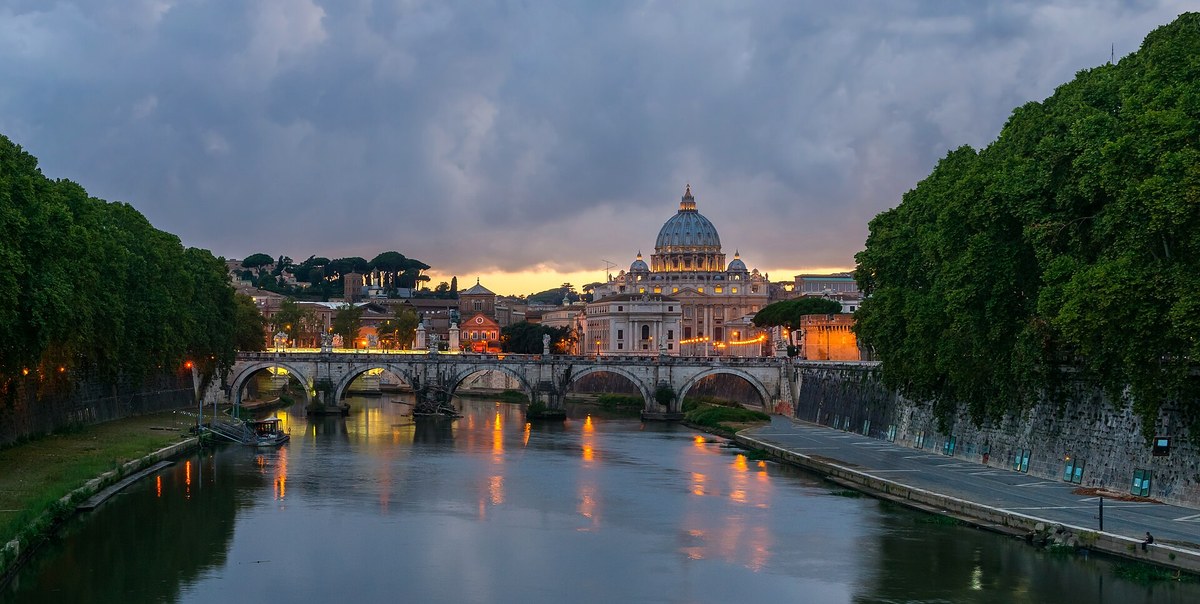
I devoted the third day to the Vatican and prepared myself in advance for a lot of impressions. St. Peter's Cathedral makes a completely different impression in person, even if you have already seen it in photographs dozens of times before the trip. You stand inside and realize that it's just impossible to look at everything at the same time, so at some point I stopped trying to memorize every detail and just enjoyed being there. St. Peter's Cathedral After the Vatican, I decided to change the pace a bit and headed towards Trastevere. I really liked its small streets, old houses, balconies, laundry that dries completely without any desire to match tourist photos, and small restaurants where people quietly dine and talk. Santa Maria in Trastevere Square and fountain I took turns several times where I had no intention of going at all, and each time I found something interesting, so I gradually stopped looking at the map and just allowed myself to get a little lost. Republic Square In the evening, I found myself back in the center of Rome and found myself thinking that the city was already beginning to become familiar. Of course, I could still easily get lost, but now I was doing it much more confidently, because I already knew several landmarks and had a rough idea of which way to go. For me, this is always a special moment in a journey – when a strange city gradually ceases to be a stranger.

Read more →
0 0
Gilyana Guide
Italy · September 30, 2026
Day 2. Colosseum, Roman Forum and Palatine

Day 2. Colosseum, Roman Forum and Palatine

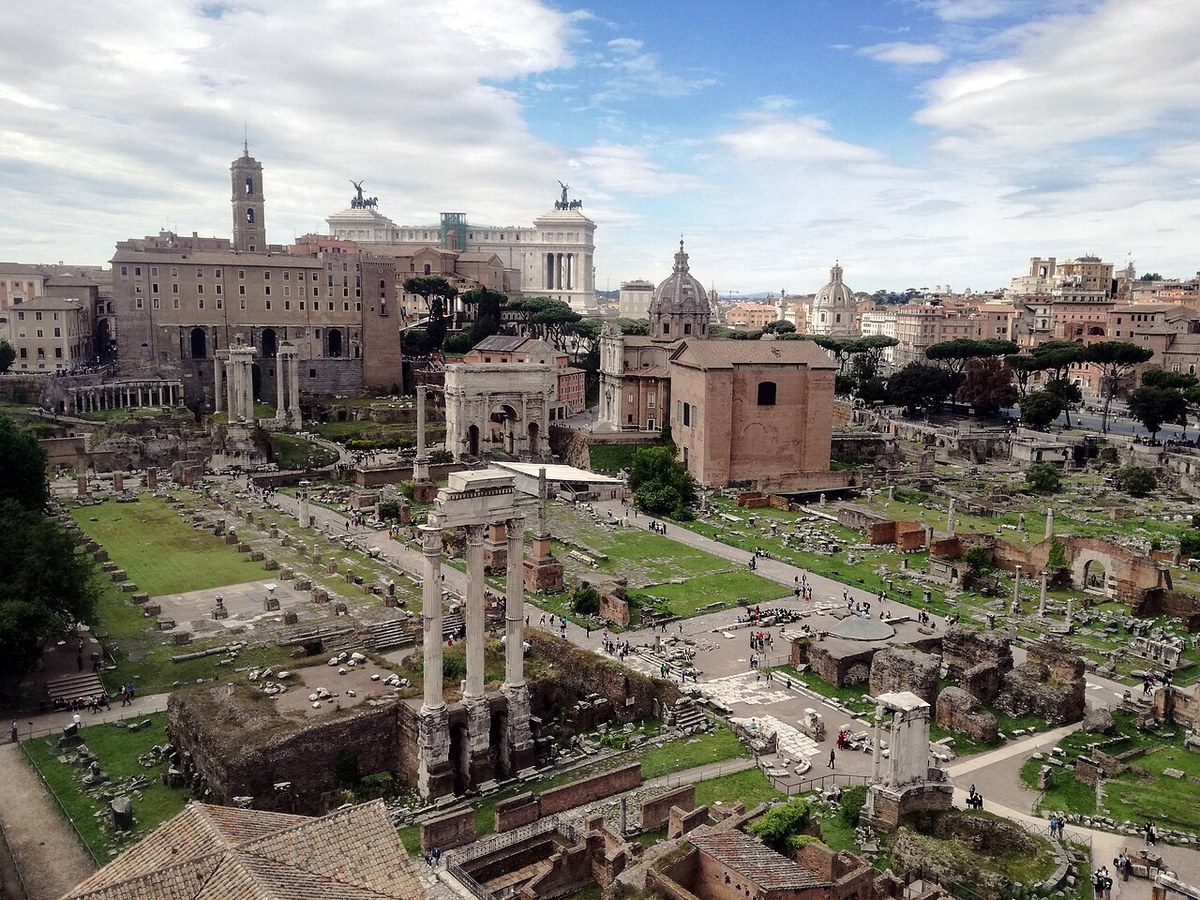
On the second day, I went to the Colosseum. I tried to arrange the tickets in advance, because even before the trip, I imagined that spending a few hours in line under the Italian sun was not exactly the experience I was flying to Rome for. The Colosseum When I finally found myself next to the Colosseum, I realized why it was impossible to perceive it only as another item on the list of attractions.: The photos convey the shape of the building, but they don't convey the sense of scale at all when you're standing next to it. The Roman Forum After the Colosseum, I went for a walk around the Roman Forum and Palatine Hill. The walk turned out to be much longer than I expected, because there I always want to stop, look around and imagine how it all looked many centuries ago. Palatine At some point, I realized that my legs had already stopped sharing my interest in history, and if they had a voice, they would probably suggest switching to studying ancient Rome exclusively in a sitting position. After such a walk, I decided not to overload the evening and just went for a walk around the city. I went to have dinner, sat outside for a while and watched the people who were passing by for a long time. I actually liked that in Rome, even an ordinary evening turns into a little trip.: you don't have to go to any particular landmark, just go outside, and the city itself begins to show you something interesting.

Read more →
0 0
Gilyana Guide
Italy · September 30, 2026
Day 1. Rome – exploring the city

Day 1. Rome – exploring the city

When I first started planning a trip to Italy for ten days, I had a very simple plan: to see as much as possible, eat delicious food, walk a lot, and preferably not be late. Already at the stage of setting the route, it became clear that the last condition would be the most difficult to fulfill, because Italy does not have a stopwatch at all. Here you can leave the hotel "literally for half an hour", and three hours later find yourself at a table in a small cafe with pasta in front of your nose and the thought that, since you've already come, you should try tiramisu. Rome Leonardo da Vinci Airport In the end, I decided not to try to travel all over the country in ten days and made a route so that each move would make sense. I wanted to see Rome, Florence and Venice, and between them leave enough time for ordinary walks, casual discoveries and those very moments that cannot be included in the tourist plan. It turned out to be a route that I was quite happy with, although I said to myself a couple of times: "Gilana, why did you walk there again if you could get there?" I arrived in Rome with the feeling that I would quickly settle in, drop my things and go for a walk, like a real organized tourist. In practice, everything looked a little different: first I was looking for the right exit from the subway, then I was trying to figure out which way to go, and then I saw the first beautiful street and, of course, I went completely the wrong way, because how could I walk past such a house and not take a picture of it. Trevi Fountain On the first day, I specifically did not arrange a sightseeing run. I walked around the center, reached the Trevi Fountain, looked at the Pantheon and just got used to Rome. I wanted to feel the city, not tick off ten famous places, so I walked a lot, looked into the alleys and periodically sat down somewhere to drink coffee. The Pantheon By the evening, I had already realized one important thing: Rome is impossible to watch "casually." Even an ordinary dinner trip here turns into an excursion, because there is so much history, beautiful facades and small squares around that the phone almost begs to be picked up.

Read more →
0 0
Anna Explorer
September 30, 2026
Mistakes I made during the trip

Mistakes I made during the trip

It seems that after several trips, I should have already learned how to ride without adventures, but for some reason, it is on trips that my common sense periodically takes vacations before me. I can choose comfortable shoes at home for three days, make a list of things, check the weather and save the necessary addresses, and then arrive in another city and discover that I forgot to charge my phone, did not take the adapter, or for some reason decided that it was a great idea to get to the hotel with a suitcase across half the city on foot. Therefore, today I decided to honestly collect my mistakes, so that at least my mistakes would be useful to someone. I was hoping too much for my phone. One of the first mistakes was that I was sure that the phone would solve absolutely all the problems. Cards, translator, tickets, reservations, banking application, photos, notes – it seemed that one charge was enough, and you could safely go to the other side of the world. In practice, for some reason, the phone runs out of battery precisely when you are standing in the middle of an unfamiliar area and trying to figure out where to go next. After that, I started saving my home address, important tickets, and routes offline in advance, and I also bought a powerbank and always carry it with me. Because the phrase "I'm going to look at the map now" sounds especially confident until the screen turns black. I took too many things. I usually start packing for a trip with an innocent thought.: "I'll take it just in case." Then the second thing appears "just in case," the third, the fourth, and an hour later I'm already trying to close the suitcase with all the weight of my own body. The funny thing is that half of the things end up traveling back and forth with me, never leaving the suitcase. I especially like to take clothes for all possible weather scenarios, as if I'm going not for a week, but to participate in an expedition. Now I try to look at things much more practically: several comfortable sets, shoes that can really be worn all day, and a minimum of things from the "suddenly useful" series. I underestimated the distances. Everything looks suspiciously close on the map. You look at the route and think, "Well, it's about twenty minutes on foot here." Forty minutes later, you're walking with the face of a man who's made a mistake but basically doesn't want to admit it. During my travels, I overestimated my hiking abilities several times and underestimated the size of the city. Now I look not only at the distance, but also at the terrain, the weather, the availability of transport and my own condition. Because a five–kilometer walk in the morning and the same five kilometers in the evening after museums, stairs and endless streets are, it turns out, two completely different walks. I didn't check the transport beforehand. Sometimes it seemed to me that public transport in any city is arranged in about the same way: boarded, paid, arrived. This is a very naive theory, especially when it comes to a city where several modes of transport have different payment rules, transfers and tickets. I once spent more time trying to figure out the system on the spot than I would have spent studying it at home. Now, before traveling, I at least roughly understand how the subway, buses, trains and fare payment work, and also save the name of the desired station so that I don't try to remember it from memory later. I only booked a place based on beautiful photos. That was my own mistake. The room looked great in the photos: bright interior, nice bed, cozy kitchen, and outside the window, apparently, almost paradise. In reality, it turned out that the photos were taken on the day when sunlight and a good angle decided to give the apartment a second life. Since then, I have been looking not only at photos, but also at reviews, location, transportation, the presence of a store nearby, a floor, an elevator, and especially carefully read the comments of people who have already lived there. Because a beautiful interior is nice, but when you have to carry your suitcase to the fifth floor without an elevator after ten hours of walking, the romance ends pretty quickly. I decided that I could do without booking. Sometimes I want to be that person who just comes somewhere and calmly gets inside. In practice, in popular places, this plan works about as well as trying to hail a taxi during heavy rain during rush hour. There were situations when I came to the sights, looked at the queue and realized that I had wasted my time completely. Now, if the place is really popular, I check in advance whether a reservation is needed, whether there is a certain entry time and whether it is possible to buy a ticket online. This does not deprive the journey of spontaneity, but sometimes it saves several hours of life. I started thinking about food too late. When you walk all day, museums, streets and beautiful views somehow seem much more important than food. Up to a certain point. And then suddenly it turns out that you're hungry, tired, and ready to settle for the first place you meet along the way. And here you can easily spend more money than planned, or just eat where you absolutely did not want to. Now I'm trying to mark a few normal places in advance near the area where I'm going to walk. Not in order to live according to the "12:30 – soup" schedule, but in order not to make gastronomic decisions in a state of mild despair at the moment of hunger. I was trying to see too much in one day. The Spanish Steps in Rome This is probably one of my most common mistakes. When you arrive in a new city, you want to see everything: the main square, the museum, the palace, the park, the market, the beautiful street, the observation deck, and in the evening you must find the very place that everyone is photographing. The result is not a trip, but a competition to collect attractions. You go back to your room, take off your shoes, and realize that you have to go out again tomorrow. Now I prefer to choose several places for the day and leave time just for a walk without a purpose. It is at such moments that the most pleasant memories usually appear. I didn't leave any time to spare. Previously, I could make up a route as if the whole day was happening in a vacuum, where transport was never delayed, queues did not exist, I never made a mistake at the subway door, and I was able to move with the precision of a Swiss watch. Of course, reality quickly explained to me who was in charge here. Now I try to reserve time for the road, random stops, photos, coffee, lost turns and other small incidents. Because you can't travel without them anyway, but you don't have to be nervous about every delay. I was trying to control everything. And I consider this mistake to be the most important one. Sometimes, before a trip, I made up such a detailed plan that all I had to do was print it out and give myself a traveler's outfit with a timetable. But trips rarely go strictly according to plan, and the more you try to control every little thing, the more annoyed you get when something goes wrong. Now I'm planning the basics: housing, transportation, a few important places, documents, and a budget. And then I leave room for accidents. Sometimes, just because I took a wrong turn, entered the wrong courtyard, or decided to change my route, I found the most cozy streets, small cafes, and places that didn't exist at all in the original plan. Still, I wouldn't undo any of these mistakes. To be honest, most of my travels are impossible to imagine without these little dips. Somewhere I was too tired, somewhere I overpaid, somewhere I forgot the right thing, somewhere I miscalculated the time, and somewhere I had no idea where I was going. But it was thanks to these situations that I gradually learned to travel more calmly and stopped perceiving every surprise as a disaster. There probably isn't a perfect trip at all. You can check the forecast, book accommodation, set routes and charge all possible devices as much as you want, but still one day you will find yourself in the middle of an unfamiliar city with a dead phone and you will stand with an expression on your face: "So... and what now?" And, if you are lucky, this particular story will later turn out to be one of those that a few years later You'll be telling your friends with a laugh for years.

Read more →
1 0
Adam Discoverer
September 30, 2026
My travel budget: Europe, Asia and wintering in India

My travel budget: Europe, Asia and wintering in India

I noticed one funny thing a long time ago: while you are just planning a trip, it seems that everything will cost quite reasonable money. Flight – well, let's say 50-60 thousand rubles, housing – a little more, food is generally nonsense, and entertainment can be chosen according to your mood. And then you start putting everything together and realize that for some reason this "little bit" has turned into a pretty decent amount, so now before each trip I try to at least roughly calculate the budget in advance. To make it clearer, I decided to take a regular trip for 7 days and one person , without luxury, but also without the "I live on bread and spend the night at the train station" regime. We are talking about normal housing, ordinary cafes and shops, public transport, several paid attractions and a small reserve for all sorts of unplanned joys. Europe from Moscow – about 120-160 thousand rubles Sheremetyevo International Airport If we talk about popular European destinations, I would now put about 120-160 thousand rubles per person on a week-long trip from Moscow. Flights and accommodation here usually become the main items of expenditure, especially if you go to an expensive European city. Approximately my budget would look like this: 60-70 thousand rubles for flights , about 30-45 thousand for housing , another 15-20 thousand for food , about 5-7 thousand for transport and about 5-10 thousand for museums, attractions and entertainment . Plus, I would leave a small reserve, because it seems that no one has ever managed to travel without an unplanned cup of coffee and some absolutely necessary souvenir. Paris That's why I'm focusing on about 120-160 thousand rubles per week for myself. Moreover, Paris, Amsterdam or other expensive cities can easily raise this bar higher, and in a more budget-friendly direction it can be much cheaper. Asia from Moscow – about 95-130 thousand rubles The situation with Asia is more interesting. The flight from Moscow itself can take up most of the budget, but after arrival, many daily expenses turn out to be more pleasant for the wallet. Thailand For example, if we take Thailand, then I would put about 50-65 thousand rubles for a flight, about 20-30 thousand for housing, 10-15 thousand for food, about 5-7 thousand for transport, and 5-10 thousand more for excursions and entertainment. It turns out about 95-130 thousand rubles per week . And here, for the first time, I understood why some people, after their first trip to Southeast Asia, start thinking about staying there longer. When you compare the cost of a week of vacation with a European city, and then imagine a month of living in a warm climate, the idea doesn't look so crazy anymore. But India is already an option for wintering. India stands a little apart from me, because I would consider it not only as a destination for a week, but as an option for a long winter stay. If you fly there for 7-10 days, the budget can be calculated in about the same way as for other Asian countries, but the real interest begins when it comes to at least a few weeks or a month. India For a week-long trip, I would focus on about 90-120 thousand rubles per person , if you do not choose expensive hotels and do not arrange a celebration of life for yourself every evening. A flight can take about 45-60 thousand rubles , accommodation for a week – about 15-25 thousand , food and transport – about 15-20 thousand more, and the rest can be left for excursions and entertainment. Aeroflot But if we talk about the month of wintering , I would lay approximately 100-150 thousand rubles per month plus a flight , depending on the chosen state, city and housing level. In a simpler version, you can spend less, and if you want a nice apartment, restaurants, trips around the country and comfort without constantly counting every rupee, the budget will be higher. In this regard, India is interesting precisely for its duration. It's one thing to come for a week, rush somewhere every day, try to see everything at once and fall into bed in the evening, but it's quite another to rent a house for a month, settle in, find your favorite cafe, go to the market and gradually get used to the local rhythm. We must not forget about the visa There is only one point that I would definitely consider before buying a ticket : Russian citizens need a visa to travel to India. At the same time, a tourist e-Visa can be issued online through the official Indian visa portal, that is, you do not need to go to the consulate solely for the purpose of applying for an electronic tourist visa. VFS Global Visa Service Center Various e-Tourist Visa options are available for tourists, including short-term for 30 days, as well as long-term options for one and five years. At the same time, a long-term visa does not mean that you can stay in India indefinitely without restrictions: the official portal separately sets the maximum period of stay during a calendar year. Therefore, if the idea of wintering in India really interested me, I would first decide on the duration of the trip and a specific visa option, and only then buy tickets. And it would definitely be submitted through the official website, because the Indian Embassy in Moscow itself warns to use the official e-Visa portal and not to use questionable intermediary sites. How much do you need for the winter? If I were to imagine my ideal scenario, I wouldn't be traveling to India for three days with a hectic schedule. I would take a ticket, rent a place for a month and try to live a normal life there instead of constantly being a tourist with a phone in one hand and a card in the other. Goa My benchmark for a month in India would look something like this: flight – 45-60 thousand rubles , accommodation – 30-50 thousand , food – 20-30 thousand , transport – 5-10 thousand , entertainment and trips – 10-20 thousand . The result is about 110-170 thousand rubles along with the flight , if we talk about a fairly comfortable, but not luxurious option. And here it becomes interesting to compare not the cost of a week's trip, but the cost of a whole month. It turns out to be a paradoxical situation: sometimes one month of wintering in a relatively inexpensive country is comparable to one week in an expensive European city. My little expense chart If you put it all together, then my guideline for one person is now something like this: Europe, 7 days: 120-160 thousand ₽ Thailand, 7 days: 95-130 thousand ₽ India, 7 days: 90-120 thousand ₽ India, 1 month: 110-170 thousand. , along with the flight Japan, 7 days: 140-190 thousand ₽ Of course, this is not a price tag at the entrance to the airport and not a promise that everyone will be able to repeat the trip to the ruble. The final amount is greatly influenced by the season, flight dates, city, exchange rate, housing level and how much a person likes to turn an ordinary dinner into a gastronomic event. But for pre-planning, I like such numbers much more than the phrase "it all depends on you." Now at least you can open your calendar, look at your bank account, and honestly tell yourself: "So, I'm still planning Europe, I'm considering Asia, and it looks like I've already mentally rented an apartment in India." And do you know what the most dangerous thing is? After such calculations, the journey ceases to seem unattainable. You don't think anymore: "Someday I'll go to India for the winter," and you start counting how many months are left until winter and how much you need to save each month. And this is a completely different level of planning – and much more dangerous for the quiet life of my bank account.

Read more →
1 0
Vlad Discoverer
September 30, 2026
Which apps have been useful to me on my journey

Which apps have been useful to me on my journey

Before the trip, as usual, I decided that everything would be under control. I made up a route, looked at a map, estimated my expenses roughly, and even saved a few addresses in notes, after which I felt like a man who could conquer any country on his own. However, it turned out at the airport that my heroic travel plan was based on about one percent of my phone's charge and my ability to pretend that I knew where I was going. Therefore, this time I pre-installed several applications that were really useful, and not just took up the memory in the phone. Maps are my main navigator The first thing I needed was the maps. Moreover, I did not limit myself to one application, because for some reason, when traveling, I have a strange confidence that if the phone loses the Internet, satellites, communication and any hope of salvation, then at that very moment I will need to find a hotel in some alley. Therefore, I downloaded offline maps of the required areas in advance and saved the address of the hotel. It turned out to be especially useful when I was walking around an unfamiliar area without an Internet connection. I could see where I was, find the right street, and figure out which way to go. However, sometimes the map showed that it was a five-minute walk to the right place, and ten minutes later I was still walking somewhere along stairs, courtyards and suspiciously quiet alleys. At such moments, I began to suspect that five minutes for the cards and five minutes for me were completely different units of measurement. The translator is the very person who saves the conversation. I installed the translator at home and realized very quickly that it was a great idea. Even if I know a few words in the local language, in a real situation, it suddenly turns out that for some reason the right word flew out of my head, and instead I remember the name of some dish from my childhood. It was especially convenient to use a translator with a camera when it was necessary to understand the menu, sign or instructions. You point your phone at a text, get a translation, and within seconds you feel like a person who is completely free to navigate local life. However, sometimes the translation turns out to be so strange that I have to read it several times and hope that the restaurant does not offer me "fried uncertainty with rice" for dinner. The app for transport If there are subways, buses, commuter trains or trains on the trip, I definitely install the application with public transport. It turned out to be especially useful in large cities, where at first glance it is possible to understand the routes only after obtaining a second higher education. I liked to look at the route from the hotel to the right place in advance, check transfers and approximate travel time. Thanks to this, I at least understood what I was going to do: ten minutes on foot, then the subway, then the bus and a little more on foot or ten minutes on foot, three transfers and a meeting with my own destiny. The opportunity to see the nearest stops and stations was also useful. When you leave the hotel in the morning and still don't fully understand where you are, having a phone with a normal transport schedule saves a lot of time and nerves. An application for booking accommodation I try to book accommodation in advance, but even after confirming the reservation, I keep the application with information about the hotel. There's always an address, photos, booking details, and sometimes messages from the host or the hotel. One day, I went to look for a hotel from memory so confidently that after about twenty minutes I realized that my memory was working fine, I just remembered a completely different twist. After that, I stopped being a hero and just open the app, check the address and go to the map. It turns out that you can travel without adventures, at least sometimes. Taxi app I also consider the taxi app to be almost mandatory. It allows you to see the approximate cost of the trip in advance, choose the pick-up point and not try to explain to the driver with gestures that I need to go to that building over there, and not to the neighboring building, which for some reason looks exactly the same. Besides, I feel better when the trip is processed through the app and I see the route. Especially after a long flight, when my head doesn't distinguish the airport from the mall, and my only desire is to get to bed and not talk to anyone for at least the next half hour. Payment application and banking applications I checked the banking applications several times before the trip. Not because I particularly like to look at the balance, but because when traveling, it is important to understand how much money was debited, where the payment was made, and whether anything suspicious happened. I also checked in advance whether my cards work abroad, and saved several payment methods. Because relying solely on one bank card when traveling is like taking one sock with you and hoping that the other one will somehow be found in another country. Weather At first, the weather app seemed like something optional to me. Then one morning I went out in light clothes because the app showed the sun, and an hour later I found myself in the rain, and suddenly realized the value of meteorology. Now I look not only at the temperature, but also at the probability of rain, wind, and the forecast for several hours ahead. This is especially convenient during walks, when you can figure out whether it's worth going to see the sights now or whether it's better to sit quietly in a cafe, pretending that this is exactly what was planned from the very beginning. The note-taking app The usual notes on the phone also proved to be very useful. There I saved the address of the hotel, booking numbers, important phone numbers, a list of places I wanted to visit, and all sorts of little things that are completely impossible to remember in my head. I also recorded expenses there, because after a few days of traveling, money starts disappearing at such a rate, as if they also have a ticket home. When you see all the expenses in front of your eyes, it becomes much easier to understand where the budget went and why you definitely didn't buy anything expensive yesterday, although for some reason the receipt from the store says the opposite. Currency conversion application The currency converter has been useful to me more often than I expected. Especially in the early days, when local prices had not yet had time to turn into understandable figures in my head. At first, I counted literally everything: coffee, ticket, lunch, water, and even some completely unnecessary trifle that I bought simply because it lay beautifully on the shelf. After a couple of days, I started to navigate faster, but the app was still at hand, especially when the price looked suspiciously attractive or, conversely, so high that I wanted to pretend that I couldn't count at all. What did I leave in my phone in the end In the end, I realized one simple thing: I don't need dozens of travel apps that promise to make my trip perfect. A few really useful tools are enough – maps, translator, transport, housing, taxi, bank, weather, notes and currency converter. At the same time, I try to download everything I need in advance and check what works without the Internet. Because the real test of any application does not begin when you are sitting at home with Wi-Fi and calmly pressing all the buttons, but when you are standing in the middle of an unfamiliar city with 8% charge, you do not understand where your hotel is, and for some reason it is at this moment that the application decides to update. So now, before my trip, I don't just pack my suitcase, but do a little digital preparation. I check maps, download the necessary areas, save the address of the hotel, install a translator and a transport application, and also try to have several payment options. After that, you can safely drive and pretend that I am an experienced traveler who has foreseen everything, although we both understand that I will take a wrong turn somewhere anyway.

Read more →
3 0
Vlad Discoverer
Thailand · September 29, 2026
How I looked for a place to live in Thailand: my experience, mistakes and unexpected finds

How I looked for a place to live in Thailand: my experience, mistakes and unexpected finds

When I first decided to stay in Thailand not for a couple of days in a hotel, but at least for a few weeks, I was sure that I would figure out the accommodation in one evening. I open the website, choose a beautiful apartment with a swimming pool, look at photos, read a couple of reviews and book, which is difficult here. In my head, it looked something like this: an hour later, I was sitting on the balcony, drinking coffee, looking at palm trees and feeling like a man who had finally learned how to travel properly. In practice, after a couple of hours, I realized that a photo of an Olympic-sized pool sometimes means a small pool in the courtyard, and the word "cozy studio" can very much depend on how friendly the person who wrote the ad is with a sense of humor. I reviewed so many housing options that at some point I began to distinguish Thai areas better than my own city, although I hadn't managed to get there yet. At first, I wanted to book everything in advance. My first thought was to rent a place before the trip, so that I could fly to Thailand and immediately go to my beautiful apartment. It seemed to me that this was the most relaxed option, because after a long flight, the last thing I want to do is walk around in the heat with a suitcase and look for a place to spend the night. I started looking at apartments online and pretty quickly realized that there were too many options. There are hotels, apartments, condominiums, small guest houses, and short-term apartments, as well as offers from private owners who for some reason consider a photo of a ten-year-old room to be a perfectly suitable way to introduce a future tenant to real estate. At first, I saved almost everything I liked, but after a while I had a folder of several dozen options. One was more beautiful than the other, each had a pool, some also had a gym, and in the photos the balconies looked like they were the beginning of my new luxurious life in Thailand. Then I realized that the neighborhood is more important than a beautiful apartment. This is where the most interesting part of the search began, because at first I chose housing based on the principle of "like an apartment", and then I came to a simple thought: I would have to live not inside the photo from the ad, but in the real area. I started looking at what was around the chosen house, how far away the shops were, where the nearest cafe was, how convenient it was to get to the beach, whether there was public transport nearby, and generally how comfortable it would be to return home in the evening. It quickly became clear that an apartment with a luxury swimming pool could end up in a place from where it would take so long to get to the nearest store that buying a bottle of water turned into a small sporting event. As a result, I began to choose an area first, and only then to look for specific housing. It turned out to be much more convenient for me, because a huge number of beautiful, but completely unsuitable options immediately disappeared. I decided to watch the accommodation live. At some point, I realized that I couldn't take the photos anymore, and decided to look at several options already in place. I liked the idea of coming, renting something simple for a few days, exploring the areas calmly, and only then making a decision. And this was probably one of the smartest decisions of the entire trip. Because it's one thing to see a photo of a room with a neatly made bed, a clean table and a beautiful view from the window, and it's quite another to go inside and realize that the window does not look out on palm trees, but on the wall of a neighboring building, the photographer just took a very good angle. In addition, you immediately notice things on the spot that no one writes about in the ad. For example, how noisy the house is, how the air conditioner works, whether there is normal hot water, how fast the Internet catches, and whether it is convenient to be in the apartment at all. In the photo, the outlet looks like an outlet, and when you have three phones, a laptop, a power bank, and a headphone charger, the number of outlets suddenly becomes the most important characteristic of real estate. What I checked in the apartment After several views, I had my own list of questions, which I mentally went through every time I entered a new apartment. First of all, I checked the air conditioner, because in Thailand it is not a luxury or a pleasant addition to an apartment, but a thing without which you can very quickly begin to reconsider your life decisions. Then I looked at the bed, the shower, the water, the Internet, and the kitchen, if I needed it. I paid special attention to the windows and doors, because beautiful photos sometimes do not convey the noise level at all, but I still wanted to sleep at night, and not participate in the life of the whole area until the morning. I also started asking about paying for electricity and water, because the cost of the lease itself is not always the entire amount. I wanted to know in advance how much I would actually pay per month, so that I wouldn't get a bill later that would make me think about returning to the tent. I became especially careful with the air conditioner. After one viewing, I left the apartment with the feeling that I had finally found the perfect option. A nice area, a normal room, a pleasant interior, a swimming pool in the complex, shops nearby, and the beach can be reached without any problems. I was already mentally putting things in the cupboards and imagining how I would go out for coffee in the morning. Then I asked if the air conditioner had been serviced for a long time. The man who showed me the apartment looked at me with an expression on his face, as if I had asked a philosophical question about the meaning of life. As a result, it turned out that the air conditioner was working, but it was better not to discuss its condition in too much detail. After that, I started turning on the air conditioner right while watching and listening carefully for a few minutes to exactly what he was doing there. It turned out that a good air conditioner in Thailand is capable of making so many different sounds that, if desired, it can record a separate music album. I didn't take a place just because it looks nice. This is probably the main conclusion I came to during my search. When traveling, we often choose with our eyes, especially when we look at photos on the Internet, and at first I did exactly the same thing myself. But gradually I realized that convenience is much more important to me than a perfect picture. Even if the room doesn't have the most fashionable sofa or the same interior from the magazine, the air conditioner works fine, there is a good Internet connection, a comfortable bed, a store nearby, and you don't have to spend half a day on the road every time. After all, I didn't come to Thailand to take pictures of my own bedside table. I wanted to live, walk, travel to different areas, taste local food and generally enjoy the trip, and not spend my evenings trying to figure out why I was paying more for beautiful photos in the apartment than I intended. Where did I end up looking for a place to live I used several methods at once and quickly realized that it was better not to limit myself to one site. Online search is convenient in order to understand prices and areas in advance, look at photos and get a rough idea of the market, but I tried to make a final decision only after a personal inspection. I also liked the option with condominiums, where you can view several apartments in almost one place. In some complexes, you can find different options in terms of area and price, and sometimes the apartment in the next entrance is noticeably more interesting than the one you were just going to book. I also started paying attention to ads directly in the areas where I wanted to live. Sometimes a good option can be found not among perfectly designed online ads, but through local contacts or recommendations. However, here you already need to understand the rental conditions more carefully and do not hesitate to ask questions. The biggest mistake is to rush When you come to Thailand for the first time, especially after a long flight, it's very easy to think, "Okay, I'll take this, just to put my suitcase down." I've been close to this myself several times, because after several hours of browsing, I just want to choose something and finally stop looking. But I forced myself to take my time. If you like the place, I checked the area again, the payment terms, the additional costs, and how convenient it would be to get to where I really need to go. Sometimes, after such a check, an apartment that seemed beautiful disappeared from the list in just five minutes. But when I finally found the right option, I didn't feel like I'd won the lottery and now I had to pray that everything would turn out okay. I already knew where I was going to live, how much to pay, what was nearby, and what conditions awaited me. What would I do now If I had to look for a place to live in Thailand again, I would not immediately book an apartment for the whole month, or even more so for several months. I would first choose an area, book accommodation for a few days, and then calmly look at several options on the spot. I would definitely check the air conditioner, internet, water, noise, mattress, windows, household appliances, and terms of payment for utilities. And I would check all this not out of a desire to find fault, but because then it's these little things that determine how comfortable you will feel every day. And I would also leave myself some freedom for surprises. Thailand generally teaches this principle well: you can leave home in the morning with one plan, and in the evening find yourself in a completely different area, with a bag of food in your hands and with the idea that it was for such moments that you came here. As a result, finding a place to live turned out to be a separate adventure for me, although at first I thought it would be the most boring part of the trip. I reviewed a bunch of apartments, almost made a mistake with the area several times, learned to look suspiciously at photos with a very wide–angle lens, and finally realized a simple thing: good housing is not necessarily the most beautiful and expensive, but the one in which you really feel comfortable living. And, perhaps, that is why I now feel much more relaxed about the choice of housing. First the area, then the real conditions, then the price, and only after that beautiful photos of the pool. Because the pool in the photo may look like a dream resort, but you still have to live in the very room where the air conditioner decides to play a drum solo at night.

Read more →
1 0
Adam Discoverer
Japan · September 29, 2026
How to use public transport in Tokyo

How to use public transport in Tokyo

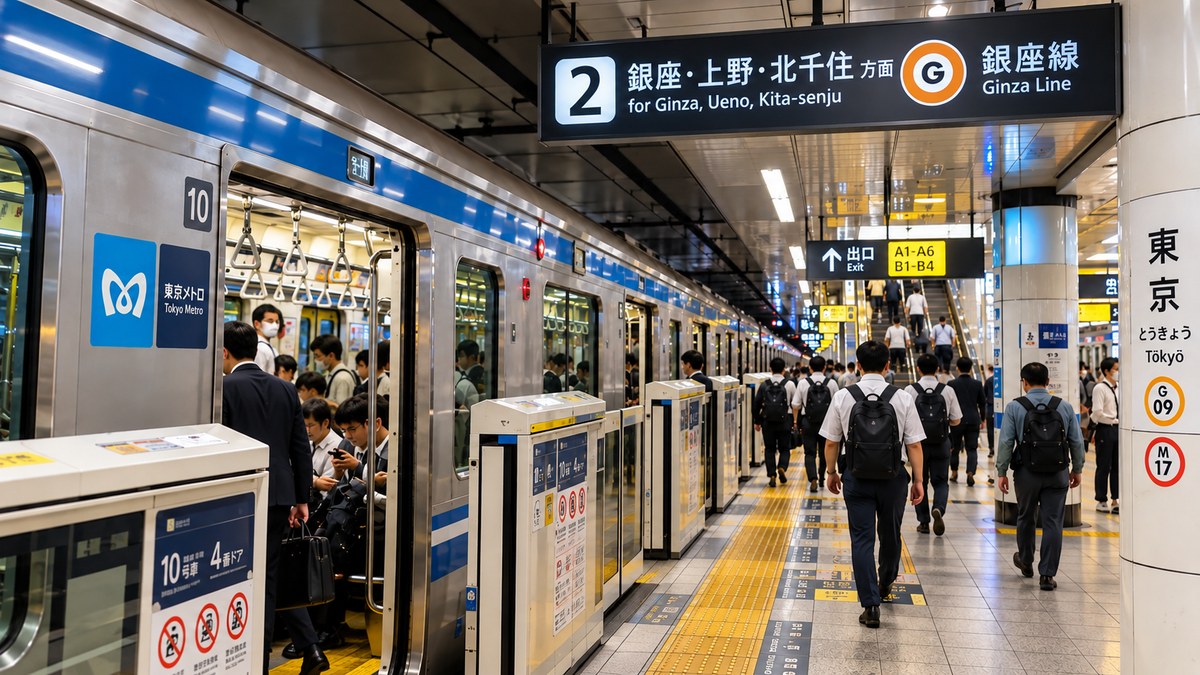
When I first looked at the public transport scheme in Tokyo, I had the feeling that this was not a map of the city, but a plan for some kind of secret military operation. There are many lines, even more stations, different companies, transfers, exits with numbers, and all this at first glance looks like the Japanese decided to test the tourist's stress tolerance. Therefore, I decided not to pretend that I understood everything the first time, but arranged a small experiment for myself and spent two days specifically testing public transport in different areas of Tokyo. During these two days, I managed to travel by subway, ordinary city trains, make several transfers, get lost inside the station, get off in the completely wrong direction, and once stand for quite a long time with my phone in my hands, pretending that I was not lost, but just studying architecture very carefully. In the end, I realized the main thing: Tokyo's public transport is much easier than it seems, if you don't try to memorize the entire system. There are literally a few things you need to figure out, and then the city starts transporting you almost by itself. Metro and trains are not the same thing. The first thing I would advise you to understand before your first trip is that Tokyo has a subway and there are railway lines that belong to different companies. Tokyo Metro and Toei Subway are especially important for tourists, and besides them there are JR and private railway lines. On the map, they may look like a single transport system, but in fact they are several different systems that are very closely related to each other. And that's where I hung up a little bit at first. I'm used to cities with subways, so I chose a station, boarded a train, and I don't really think who owns the car. In Tokyo, this approach also works, but sometimes you have to look more closely, because the desired route may not take the subway, but the railway line, and the usual transfer suddenly turns into a small quest. The most useful invention of a tourist is a transport card After the first day, I realized that buying a separate ticket for each trip is a way to voluntarily complicate my life. It is much more convenient to use a Suica or PASMO transport card if it is available to you in a suitable format, and simply attach it at the entrance and exit. The mechanics are elementary: I put the card or device to the reader at the turnstile, passed through, and put it back on the exit. The system itself understands how much you need to charge for a trip. I especially liked that I didn't have to stand at the vending machine every time and find out exactly how much it cost to get to the right station, although the first couple of times I still habitually approached the vending machine with the face of the person who was about to take the exam. If you already have a transport card set up on your phone, it makes life a lot easier. The phone becomes both a map, a navigator and a pass to the transport system, and I gradually began to feel like a local, although ten minutes after that I was looking for the right exit again. How to figure out which train to take This is where the rule that helped me the most: don't just look at the name of the terminal station. In Tokyo, it's much more reliable to check the direction, line, and specific route shown by the navigator. I usually opened the route on my phone and looked at which line I needed to get on, which platform the train was leaving from, and exactly where to get off. The navigator shows not only the station, but also the direction of travel, the number of stops, transfers, and travel time. Therefore, I stopped trying to decipher the entire map of Tokyo on my own after about a couple of hours. At the same time, I noticed one interesting thing: a train can arrive at the line you need, but not every train necessarily goes where you need to go. Therefore, before boarding, I always checked the direction on the electronic board and the name of the terminal station. It's better to spend an extra twenty seconds checking than to find yourself after a few stops in a completely different part of Tokyo. Transplants are the most interesting On the first day, I was somewhat suspicious of transfers, because the station could be huge, and the transition between the lines sometimes took a considerable time. Moreover, the word "station" in Tokyo does not always mean a small platform with two exits and a coffee machine. Some stations are so big that you can walk inside quite well. There are shops, cafes, signs, stairs, escalators and so many people that at some point I stopped realizing whether I was still traveling on business or already participating in some kind of Japanese city festival. But here's the good news: the pointers are usually very detailed. You just need to take your time and look at the name of the desired line, the color of the line and the exit number. At first, I tried to follow the crowd, because it seemed logical that so many people couldn't make a mistake. It turned out that they could, especially if this crowd was just heading to the mall. My First Day: Shibuya, Shinjuku and Asakusa I decided to check the transportation in different atmospheric areas, so I started with Shibuya. Everything happens fast here: people walk in all directions, trains arrive one after the other, there are huge screens, shops and intersections around, which I saw in photos about a thousand times before the trip. After Shibuya, I went to Shinjuku, and it was there that I finally realized that in Tokyo it was important to look not only at the station number, but also at the exit. In some cases, the wrong exit can turn a short walk to the right place into a full-fledged tour of the area. One day I went out, looked around and realized that I had no idea where I was at all, although just a minute ago I was absolutely confident in my navigation abilities. Kaminarimon Gate Then I drove towards Asakusa and saw the Kaminarimon Gate leading to one of the oldest Buddhist temples, Senso-ji. After the bustling Shibui and Shinjuku, this area feels completely different, and I liked that the same public transport allows you to move between completely different parts of the city in a fairly short time. At some point, I caught myself thinking that I no longer perceive a subway ride as a separate adventure, although in the morning I was still photographing the signs with the expression of a researcher of an unknown civilization. Day two: Tokyo Railway Station, Ginza and Odaiba Ginza On the second day, I decided to complicate the experiment and went to the Tokyo Station area, then to Ginza and further towards Odaiba. It was on this day that I finally understood why many people advise looking at the route in advance before traveling, rather than relying on intuition. Tokyo Station is huge, and it's easy to feel like a small part of a large mechanism inside it. I checked my phone several times, checked the platform numbers and signs, and then checked my phone again, because I was already beginning to suspect that my brain was deliberately trying to send me the wrong way. But after a few trips, there is a certain confidence. You already understand that first you need to find the right line, then the direction, then the platform, and after the trip, do not rush immediately to the first exit, but see which exit is needed. And that's when Japanese transport stops seeming chaotic and starts looking very logical. What should I do if I don't understand Japanese names? Japanese station names can be intimidating at first, especially when you look at the scoreboard and try to simultaneously read the hieroglyphs, the Latin alphabet, and also understand where the train is heading. But a tourist does not need to know Japanese to use public transport. Stations usually have designations in English, and lines have colors and alphanumeric designations. In addition, modern navigation applications perfectly show the route, so I almost always followed the Latin name of the station and the line number. The most useful thing is to save the name of the place or station where you are going in advance, so that if something happens, you can simply show it to the station employee. In my experience, the Japanese transport staff were very attentive, and even when I looked like a person who did not understand where to go at all, they tried to show me the direction. What about buses I also tried buses, although I traveled most of the routes during these two days by train and metro. The bus system in Tokyo is also well organized, but personally it seemed to me a little less obvious for the first acquaintance with the city. The main difference is that you need to take a closer look at the route, stop, and payment method. If this is your first time in Tokyo and you plan to travel a lot between areas, I would first get used to the subway and railway lines, and leave the buses for those cases when a particular route is really more convenient to travel on the ground. What surprised me the most What struck me most was not even the number of lines or the size of the stations, but how calmly it all works with a huge number of people. In some places, it feels like there's an endless stream of passengers in front of you, but the system continues to function without feeling chaotic. I also quickly got used to the fact that you shouldn't talk loudly on the phone in public transport and generally it is customary to behave quite calmly. After the bustling tourist cities, it's a little unusual at first, but after a while you start to appreciate the opportunity to safely get to the right place without participating in someone else's phone conversation on the entire platform. My main mistakes The main mistake is to underestimate the size of the stations. If the navigator says that the transfer will take five minutes, I now automatically add a reserve to this time, especially if we are talking about a major transport hub. The second mistake is to look only at the name of the station and forget about the exit. In Tokyo, this can be critical, because one exit may be almost next to the right place, and the other will send you walking for several blocks, and you won't realize it right away. And the third mistake is trying to remember everything. After two days, I realized that it was not necessary to keep a map of all of Tokyo in my head. It's enough to know where you need to go now, open the route, check the line, direction, platform and exit, and then just calmly follow the signs. How long does it take to figure it out To be honest, two days were enough for me to stop being afraid of Tokyo transport. I didn't become an expert, and I certainly couldn't tell which line ran with my eyes closed, but I stopped seeing each trip as an intellectual marathon. Now I would calmly get on the train, change trains, get off at the right station, and not even take pictures of every pointer in memory. Although, knowing myself, after five minutes I would probably have taken out my phone again and checked the route again – just for peace of mind. What I recommend to tourists If this is your first trip to Tokyo, don't try to explore the entire transportation system in one evening. Choose several routes for the first day, install a convenient navigation app, understand the transport map, and always check the direction of travel before boarding. And be sure to set time for major stations and transfers. In Tokyo, the distance between two points is sometimes measured not only in kilometers, but also in the number of stairs, escalators, corridors and turns that you have to go through inside the station. After two days of my experiment, the conclusion was pretty simple: Tokyo's public transport looks scarier than it really is. The first trips can make you feel like a person who accidentally got inside a huge mechanism, but then you begin to understand the logic of this system and already calmly move around the city. And the best part is that Tokyo becomes much more accessible when you stop being afraid of its transport. You can walk around Asakusa in the morning, then find yourself among the skyscrapers of Shinjuku, then have coffee in Ginza, and in the evening look at the city from Odaiba, and all this without having to take a taxi every time. For me, this is exactly what turned out to be the main secret of Tokyo transport: at first it scares, then it surprises, and then you're already sitting in the carriage, looking out the window and thinking where else to go today.


Read more →
1 0
Svetlana Discoverer
Spain · September 29, 2026
Barcelona: a long-awaited vacation to Spain

Barcelona: a long-awaited vacation to Spain

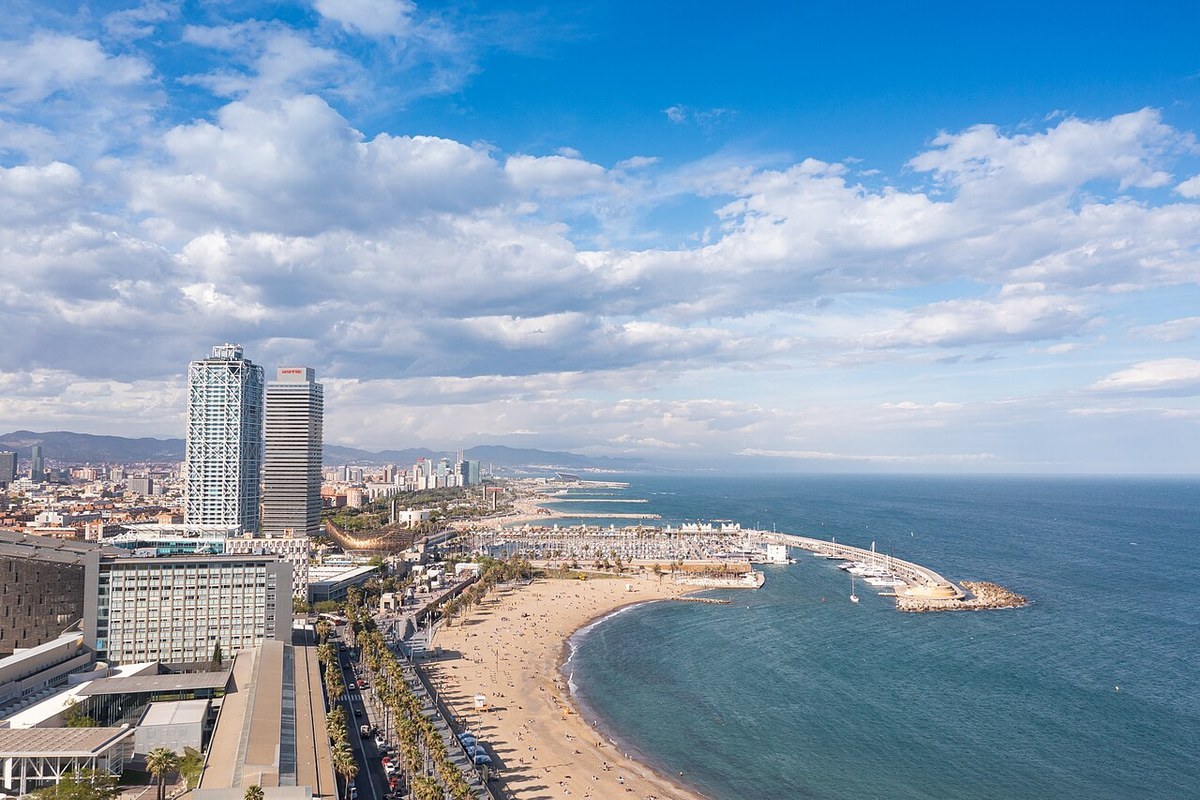
Barcelona: a long-awaited vacation to Spain I have long wanted to arrange a trip to Spain not based on the principle of "I flew to one city, saw the main sights and flew back", but rather a short trip around the country to feel the difference between the cities. In the end, I chose a route Barcelona – Valencia – Madrid , and now, remembering this trip, I think it was a very good option: first the sea, architecture and a bit of chaos, then a calm Valencia with orange trees, and finally a big, noisy and completely immodest Madrid. However, I expected that in a few days I would become a person who knows how to travel with light hand luggage, but in the end I dragged a suitcase through the Spanish streets with the expression of a person who personally quarreled with luggage. Barcelona – the beginning of the journey I arrived in Barcelona with the feeling that I had already seen the city a thousand times in photographs, so it would be difficult to surprise me. Of course, Spain decided to quickly explain to me how wrong I was. It was worth going outside, walking a few blocks and seeing the first unusual facades, balconies, palm trees and cafes, as it became clear that the photos did not convey this feeling of the city at all, which at the same time seems very familiar and completely new. I decided to spend the first day just walking, because after the road I didn't want to run a marathon around the sights. I walked around the Gothic Quarter, looked into small shops, sat in a cafe with coffee and a croissant, and periodically opened the map on my phone to figure out where I was at all. At some point, I realized that I had been going completely the wrong way for twenty minutes, but I decided not to get upset, because it is these random walks that most often become the most pleasant memories. Expectation and reality Catholic Church of Sagrada Familia Without the Redemptive Sagrada Familia (Sagrada Familia) my trip to Barcelona was not complete. I saw hundreds of photos, so I expected about the same impression that arises when viewing a beautiful postcard, but in reality the scale of the building turned out to be completely different. You stand next to it, look up and realize that Gaudi clearly did not adhere to the principle of "the main thing is not to complicate things," because there are so many details, lines and unusual shapes that the eyes literally do not know what to cling to first. I also left Park Guell on the itinerary, although before the trip I thought that maybe once would be enough. On the spot, it quickly became clear that Barcelona was not very interested in my plans to save energy at all, because after the next climb I was already talking to myself exclusively mentally and dreaming of cool water. But then, when I stopped and looked at the city from above, all my indignation disappeared, and I decided again that Spain was beautiful, and my legs would somehow survive this vacation. When things don't go according to plan The most interesting thing about traveling does not begin when everything goes according to a pre-arranged schedule, but when life slightly interferes with the route. For example, one day I got so carried away with a walk that I returned to the hotel in the evening and found that the phone was almost empty, and I safely left the charger in the room in another bag. It seems like a small thing, but when you are in an unfamiliar city and you are used to constantly checking maps, schedules and tickets, suddenly the remaining ten percent of the battery begins to be perceived as a national treasure. In the evening, I just decided to put my phone away and go for a walk without it, because Barcelona will not disappear from this. I went outside again, found a small cafe, ordered dinner, and for the first time that day I stopped thinking about how many kilometers I had already walked. It was probably then that I finally realized that traveling is not a competition in terms of the number of attractions, but an opportunity to at least sometimes take my time.

Read more →
0 0
1…161718…22