

Climbing Mount Teide: my experience
Before the trip to Tenerife, I did not consider myself a person who loves mountains enough to voluntarily climb them. I quite enjoyed looking at the peaks from below, photographing them from the car, sitting somewhere with coffee and talking about how beautiful it would be to be at the top one day, but there was quite a big difference between these arguments and the actual ascent. Therefore, when I decided to try to climb the Teide, I was both interested and slightly suspicious that somewhere in this story I was clearly overestimating my own physical abilities.
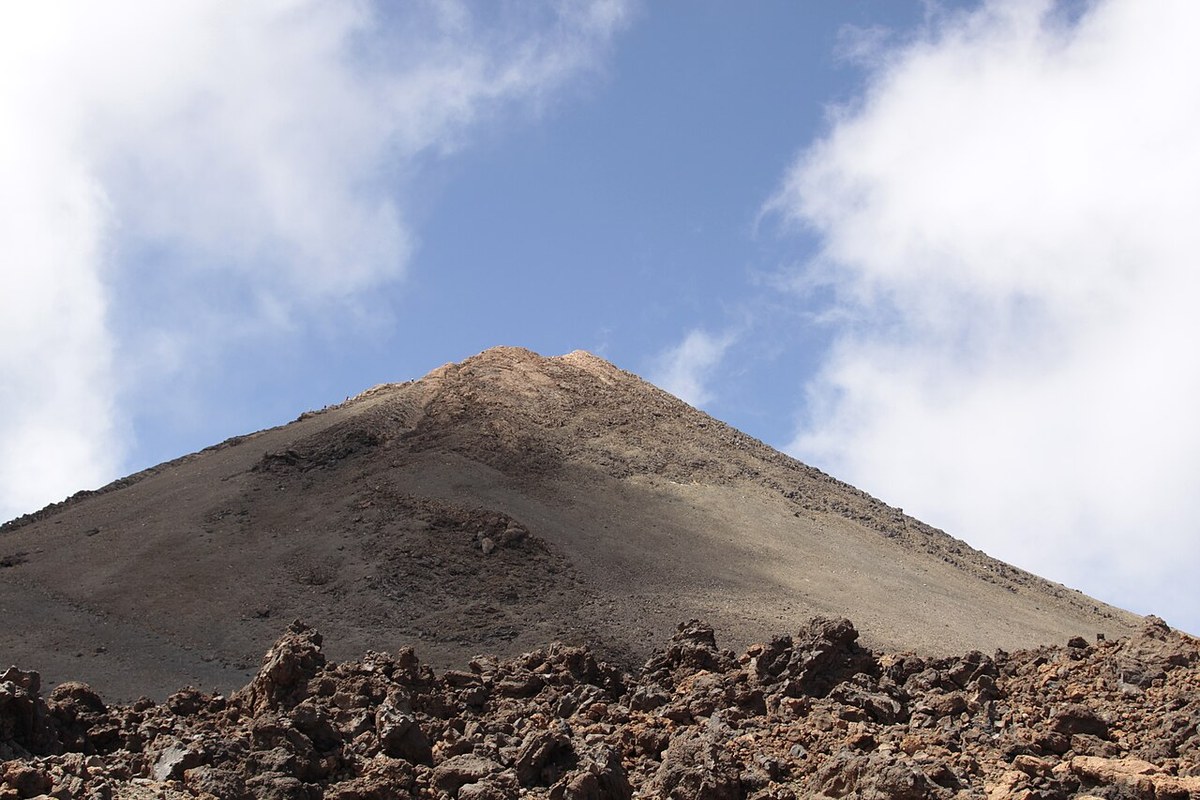
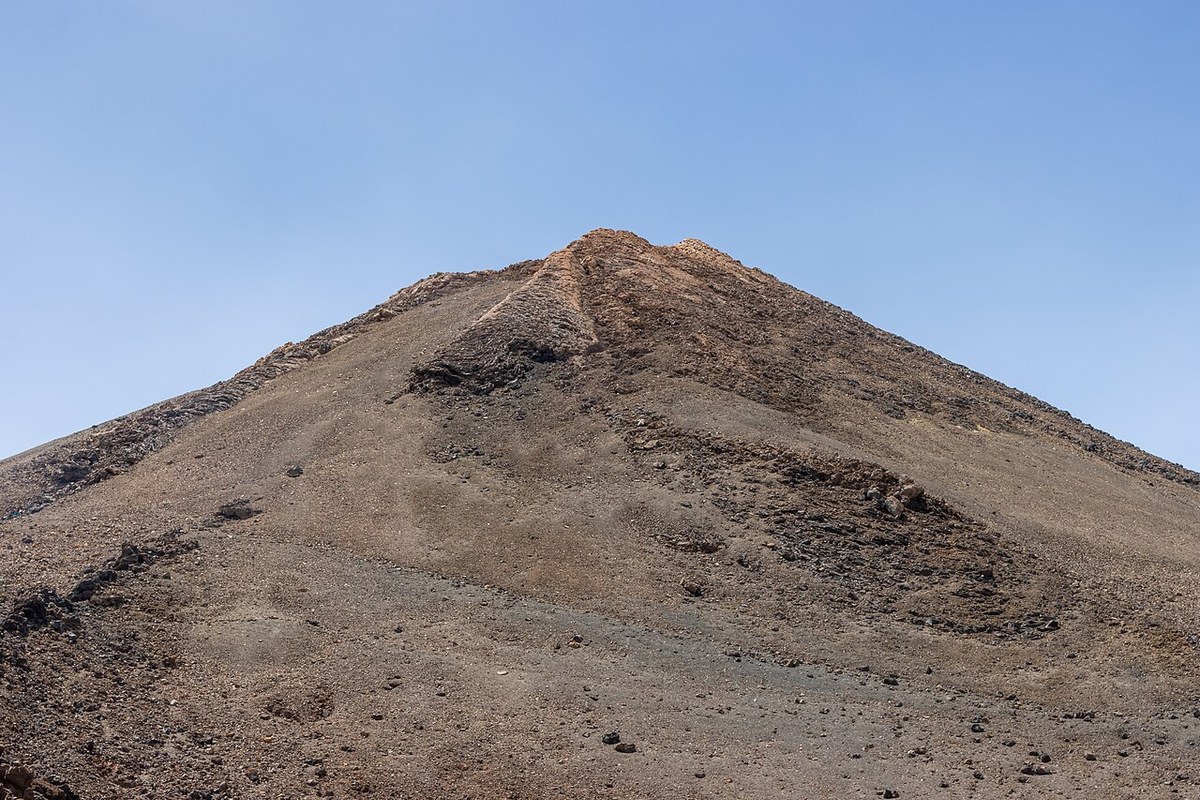
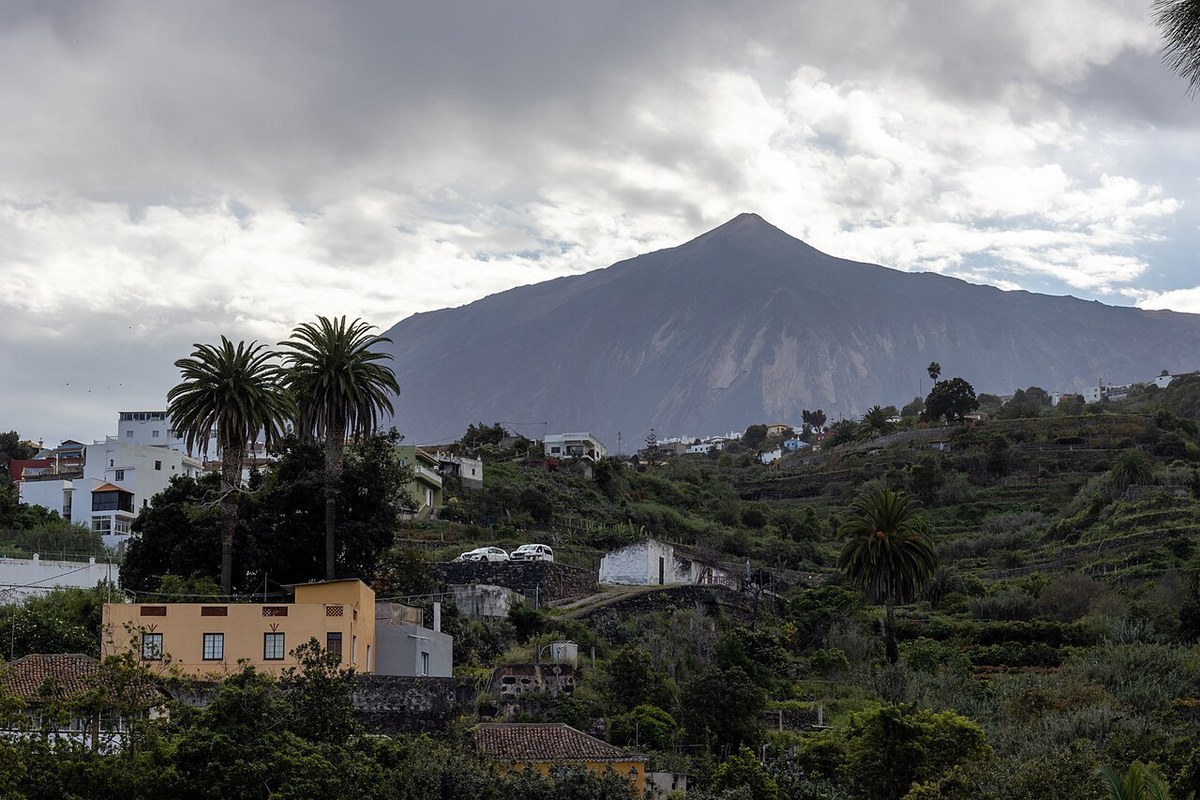
Teide Peak
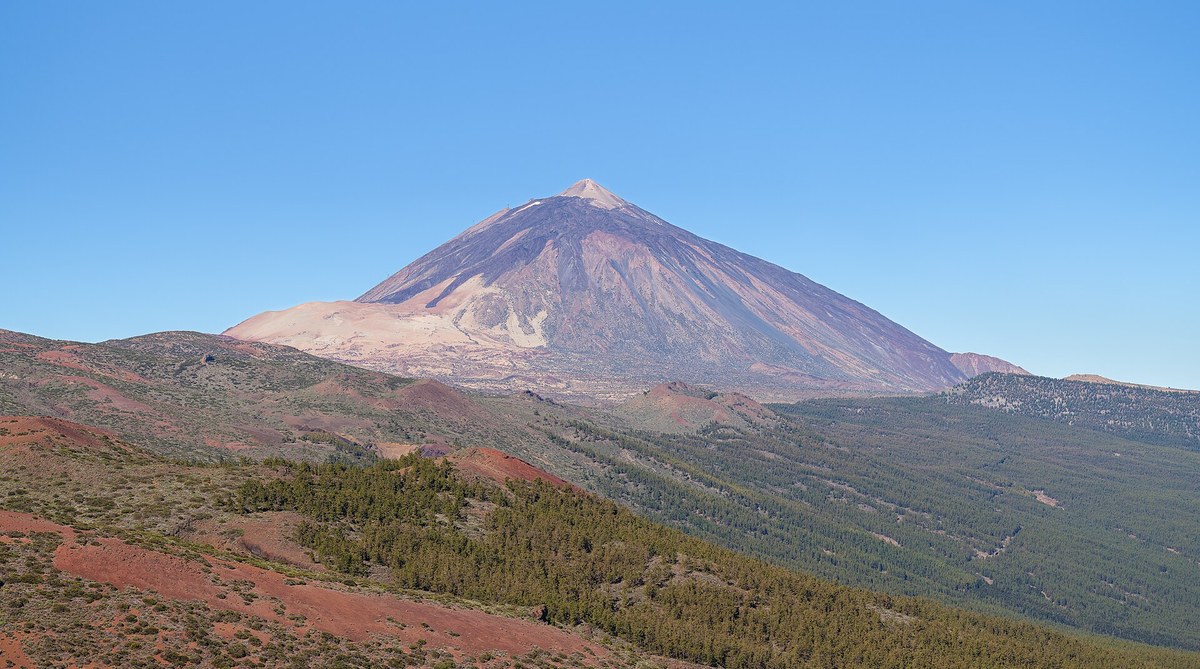
I didn't choose Teide by chance. It is the highest mountain in Spain, its peak is located at an altitude of 3,715 meters above sea level, and the volcano itself is located inside the Teide National Park in Tenerife. I have seen photos of this area many times and each time I thought that the landscape looked more like the surface of another planet than a European island, so the idea of going up there gradually began to seem too tempting for me to give it up.
I knew in advance that this was not a walk in a city park, so I prepared myself as much as I could. I checked the weather, chose comfortable clothes, took water, a snack, sunglasses and a jacket, because it can be warm down in Tenerife, but the situation changes quite quickly at altitude. The most difficult stage of preparation, as usual, was not to pack a backpack, but to convince myself to go to bed early, because for some reason it always seems to me that another episode of the film would definitely not hurt.
Early morning and wake up
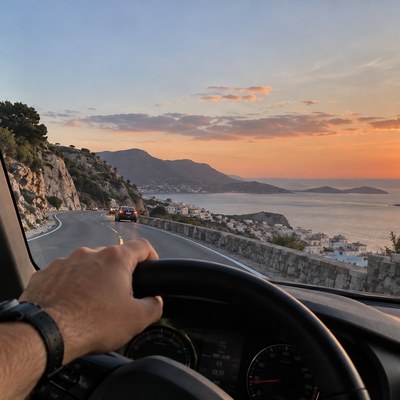
The morning began before dark. I left the hotel with the feeling of a man who voluntarily gave up normal sleep in order to stand on top of a volcano a few hours later, and on the way I periodically wondered how reasonable this decision was.
The higher we climbed along the road, the more the landscape changed. Palm trees and the usual island vegetation gradually disappeared, there were fewer and fewer trees around, and then huge volcanic fields, dark rocks and a completely unusual landscape appeared.
I asked to stop several times just to look around. It seemed strange that just recently I was by the ocean, and now I was driving in the middle of a landscape that looked more like stills from a science fiction movie.
When we got to the starting area of the route, I got out of the car and immediately felt that the air here was completely different. It was noticeably cooler than downstairs, and after an early rise, the body clearly hadn't had time to figure out what was going on. But there was a mountain ahead, and it was too late to retreat.
The first few kilometers – so far everything seems easy
At the beginning of the climb, I felt pretty confident. I walked briskly, looked around, and even had time to think that all the stories about fatigue at altitude might be a little exaggerated.
That was my first mistake. Mountains generally like to give a person confidence first, and then calmly explain who is in charge here. The first sections of the route passed through a volcanic landscape, and I constantly stopped to examine the rocks and surrounding rocks. There is practically no familiar greenery here, but there are a huge number of shades of gray, brown, red and black, and against the background of a bright sky it all looks completely unusual.
After a while, I noticed that I started walking slower. It wasn't critical, it wasn't dramatic, it was just that the pace was gradually decreasing, and each small rise already required a little more effort. I decided that this was normal, took a few sips of water and continued. Ten minutes later, he stopped again. It was then that I realized that the mountain was gradually starting to negotiate with me.
Height is a completely different feeling
The higher I climbed, the more I felt the height. It became a little harder to breathe, I had to pause more often, and the usual pace of walking completely disappeared. The most interesting thing was that I didn't feel physically terribly tired, but my body clearly demanded that I take my time. A few steps, a pause, a few steps – and so gradually moved upward.
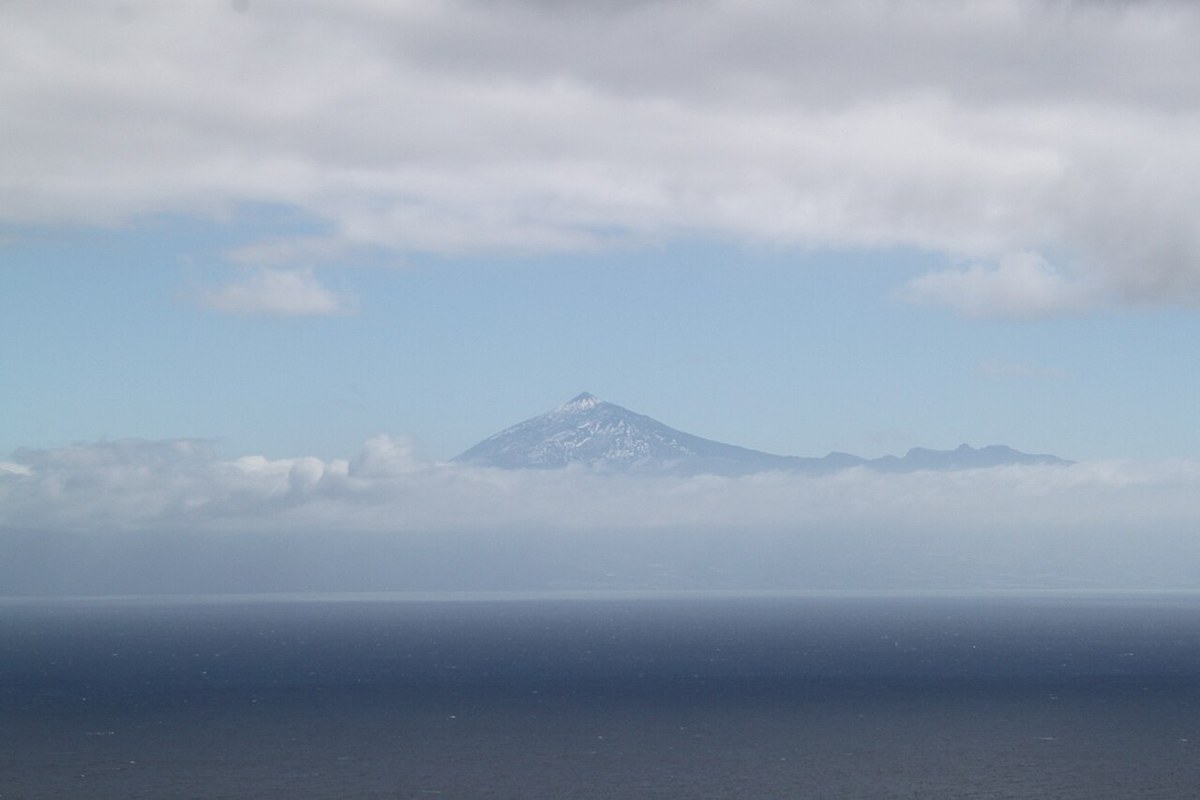
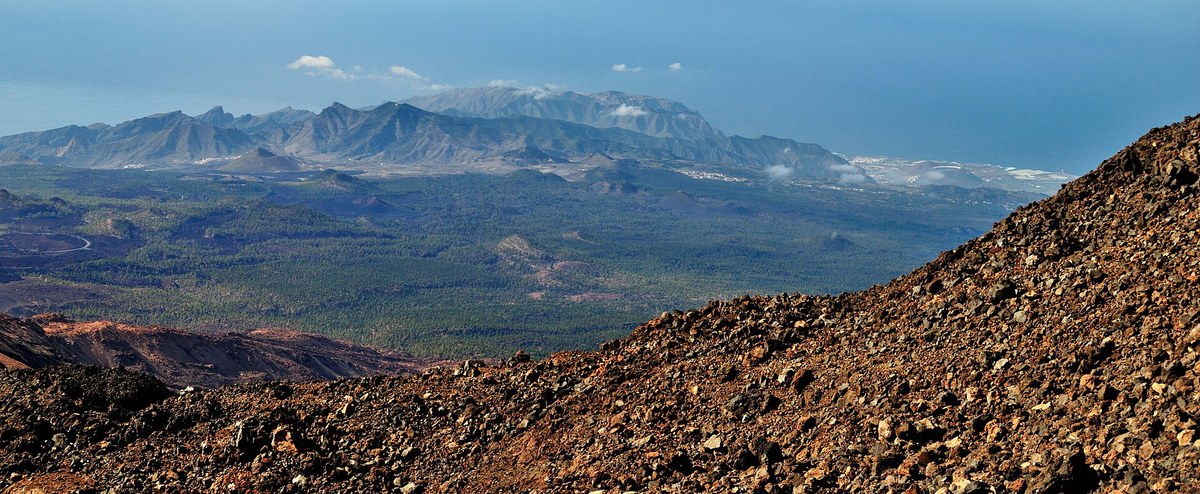
At some point, I looked down and saw how far I had already gone from the starting point. A huge volcanic landscape stretched below, and the clouds were somewhere much lower. This sight instantly gave me back motivation. I stood and looked at the clouds below me and thought that for the sake of such a view, I could endure a little more. However, then I took a few more steps and stopped again, because motivation is motivation, and the lungs still have their own opinion.
The moment when I wanted to turn around
About halfway up the climb, for the first time, I had a very serious thought: "Maybe that's enough?" There was no catastrophic fatigue, but I already understood that the peak would not be reached in a couple of minutes, and there was still altitude ahead, climbing and the need to return back. At such moments, it's very easy to start haggling with yourself. I told myself that I had already seen enough, that the view was beautiful, that I could take photos and calmly return downstairs, and then I tried to convince myself that it would be a pity to stop any more.
In the end, the simplest argument won out: I came here precisely for the sake of the summit. That's why I decided to keep going, just slower and without trying to prove to anyone that I'm the fastest person on Teide. And it turned out to be the right decision.
The last section
The closer I got to the top of the route, the more harsh the landscape became. The rocks, volcanic rocks, wind, and almost complete absence of the usual vegetation made it feel like I was not in the Canary Islands, but somewhere much further north and much further from civilization.
At some point, I almost stopped talking and just focused on moving. Step, pause, a few more steps, and pause again. I stopped looking at time and started looking only forward. The most interesting thing is that it was then that fatigue faded a little into the background, because one simple thought appeared: the peak is already very close.
I got there
When I finally got to the top, my first reaction was anything but heroic. I just stopped, no beautiful speeches, no jumping for joy, and I didn't even take pictures right away. I stood there for a few minutes and tried to catch my breath, and then I looked around. And that's when I realized that it wasn't all in vain. I had a huge view of Tenerife, the clouds were far below, and the volcanic landscape stretched away in all directions. The ocean was visible in the distance, and the island itself seemed incredibly small. I took out my phone and took some photos, but I realized very quickly that they still didn't convey that feeling. Because the photo shows the height, the person at the top feels it.
What I felt at the top
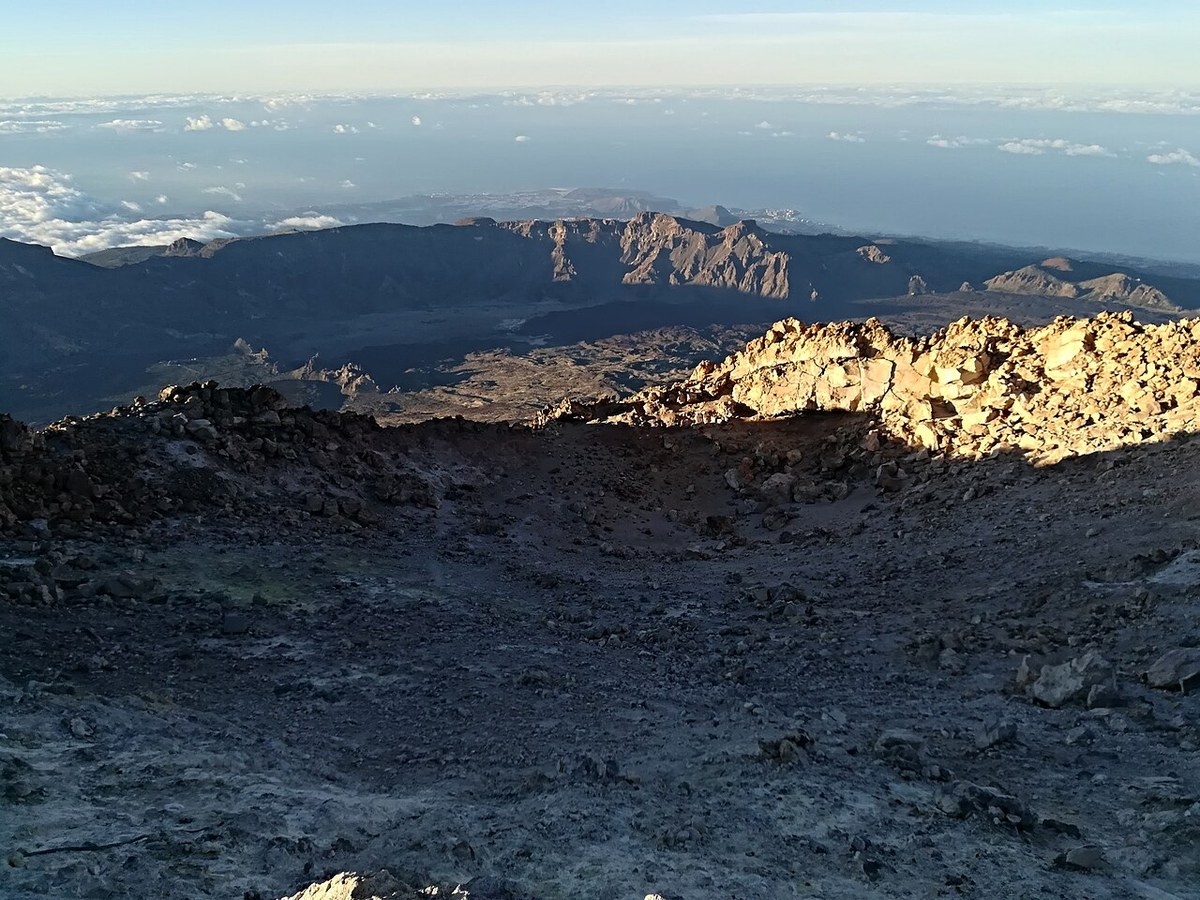
The Teide Crater
Perhaps the strongest thing was not even the feeling of victory, but calmness. Downstairs, I was constantly thinking about where to go, how much time was left, what to see next, where to eat, and what to do before the evening. Here, all of a sudden, it all became completely unimportant. I just stood at the top and looked around. After several hours of climbing, it was nice to finally not go anywhere. However, it was also impossible to rest for a long time, because there was a descent ahead, and my body hinted quite clearly that the adventure was not over yet.
The descent turned out to be a separate story
For some reason, I thought that after the summit, all the most difficult things were over. It turned out that the descent can also remind you of yourself, especially when your legs are already tired from climbing.It was physically easier to go down, but I had to look carefully at my feet, because the rocks and bumps did not disappear anywhere. Plus, there was another problem: I was already relaxed and constantly wanted to stop to look at the landscape again.
As a result, it took me quite a long time to get down. But now I was in no hurry. I stopped several times, photographed the mountains, looked at the clouds and just enjoyed the fact that the most difficult part of the route was left behind. When I finally got back to the car, the first thing I did was take off my shoes and get in. I just sat down and did nothing for a few minutes.
Was it worth it?
If I had been asked about this immediately after the descent, when my legs were tired and my body demanded food and proper rest, I would most likely have said: "Yes, of course, but let's not climb next time." However, in the evening, when I looked at the photos and remembered that moment at the top again, the answer changed. Of course, it was worth it. Because climbing the Teide turned out to be not so much an athletic achievement for me as a test of my own endurance. I realized that sometimes the most difficult part of a journey is not the route itself, but the moment when you start to doubt whether you need to continue at all.
On a mountain, it's very easy to tell yourself that you can stop. And sometimes you really need to stop, rest, or give up further lifting if your body says it's time. But if you have the strength, but only fatigue and the desire to return to your comfort zone are in the way, then sometimes it's worth taking a few more steps, because it's behind these few steps that you may find a place that you'll remember for years.
What I realized after climbing
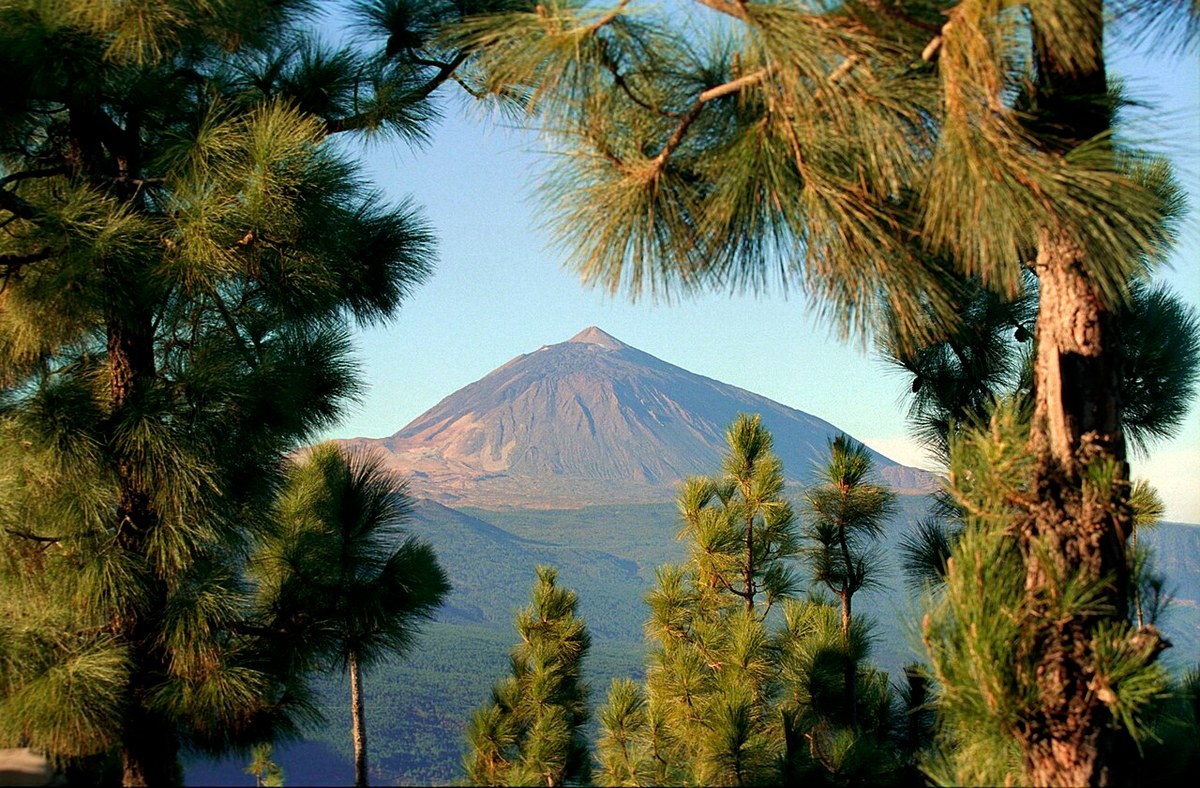
Teide is not just a mountain, but a volcano (stratovolcano) on the island of Tenerife in the Canary Archipelago. After climbing, I stopped looking at the mountains solely as beautiful scenery for photographs. Now I understand that the mountain is also a conversation with myself, and quite an honest one. She doesn't care how many kilometers you usually walk, how fit you are, or how many beautiful hikes you've done before. She just shows you the route and suggests you move at your own pace. That's what I liked.
I wasn't trying to become a mountain climber in one day and I wasn't proving anything to anyone. I just walked up, sometimes I stopped, sometimes I doubted, sometimes I admired the landscape, and eventually I reached the point for which I started all this. And now, when I see Teide's photo again, it's not just the top that I remember. I remember the early morning, the cold air, the first kilometers, the moment when I wanted to turn back, the endless stones under my feet, and that very last stretch when there was very little left to reach the top. That's probably why I look at mountains a little differently now.
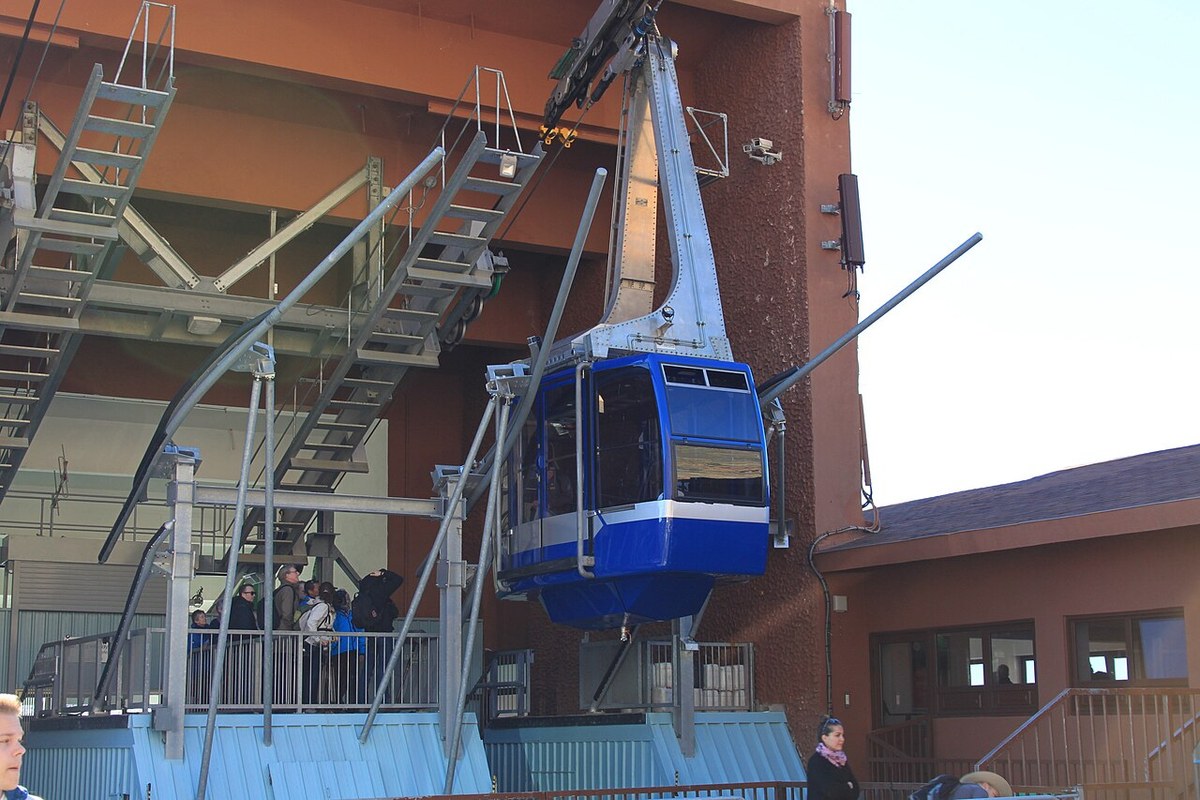
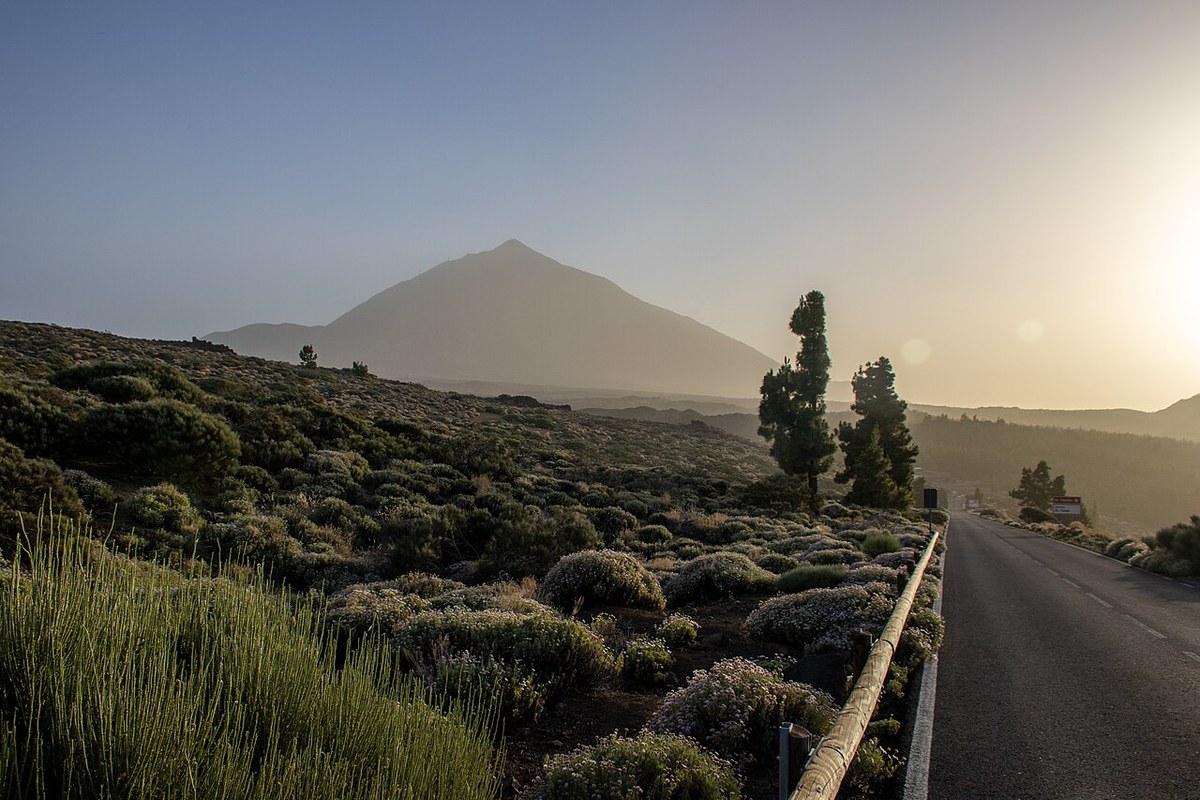
The lower station of the cable car
Previously, it seemed to me that the main thing was to climb, now I understand that the most interesting thing begins even before the top, when you go up and gradually realize that you can do a little more than you thought in the morning. And the peak in such a journey becomes not so much the finale as a beautiful reason to stop, look around and say to yourself: "Well, boy, I've reached it."

Comments