


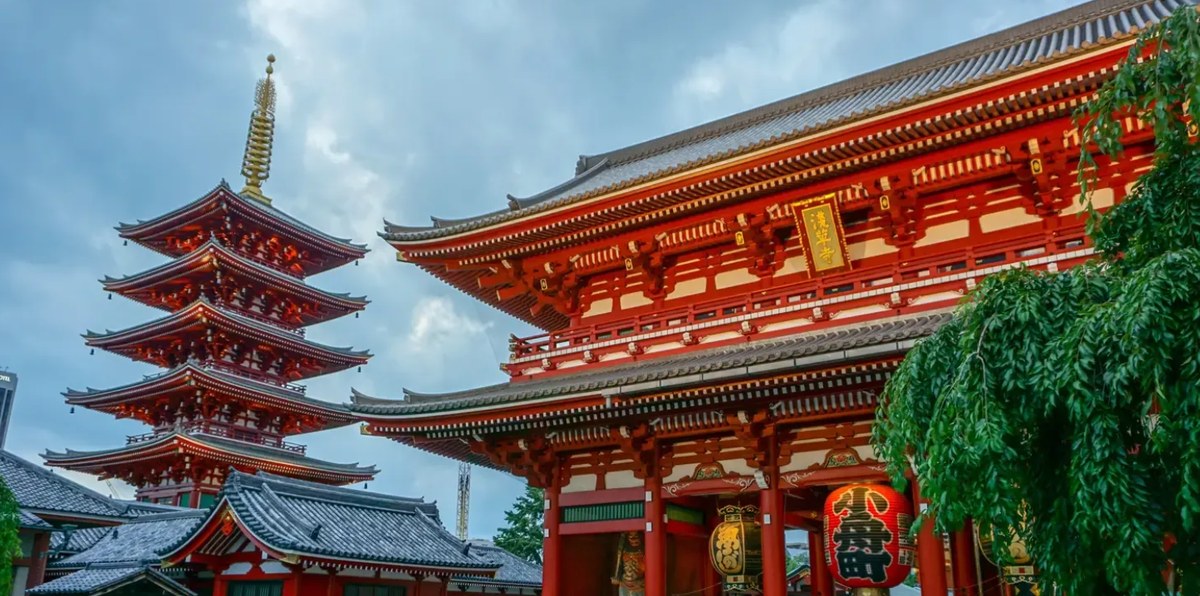
Tokyo – the first acquaintance with Japan
When I first started planning a week in Japan, I had a pretty simple idea: to see Tokyo, go to Kyoto, visit Osaka, and return home with the feeling that I understood this country at least a little. Of course, the naivety was enormous, because Japan doesn't just end in one week – it manages to change your idea of what an ordinary traveler's day should look like several times.
As a result, my itinerary turned out to be quite dense, but it was thanks to this that I managed to see three completely different faces of Japan and understand why some tourists say after the first trip that a week was enough for them, while others are already at the airport starting to plan the next one.
I arrived in Tokyo with the feeling that everything around me is familiar from photographs, movies, and the Internet, but in reality, my brain still refuses to accept what is happening.
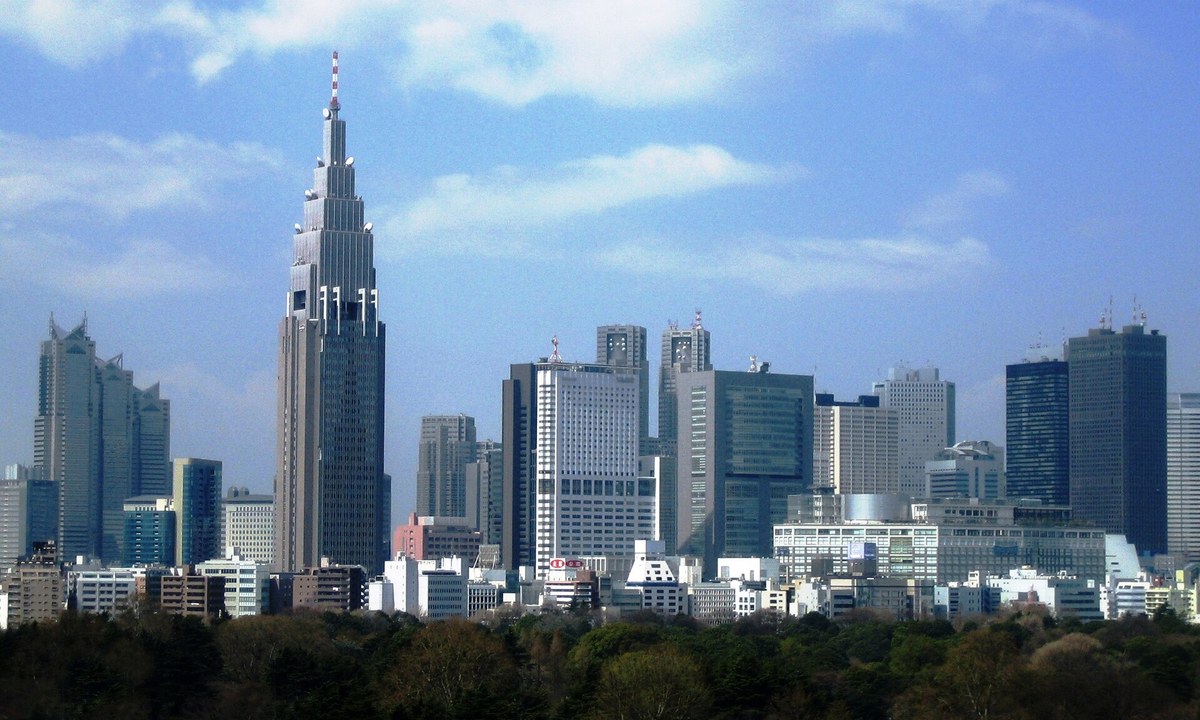
Shinjuku Skyscrapers, Tokyo
Huge intersections, high-rise buildings, small alleys, vending machines, shops, endless signs, and people walking very confidently while you're standing with your phone and trying to figure out why the navigator suggests you go through three underpasses. For the first few hours, I generally felt like a person who was accidentally dropped off in a very well-organized future.
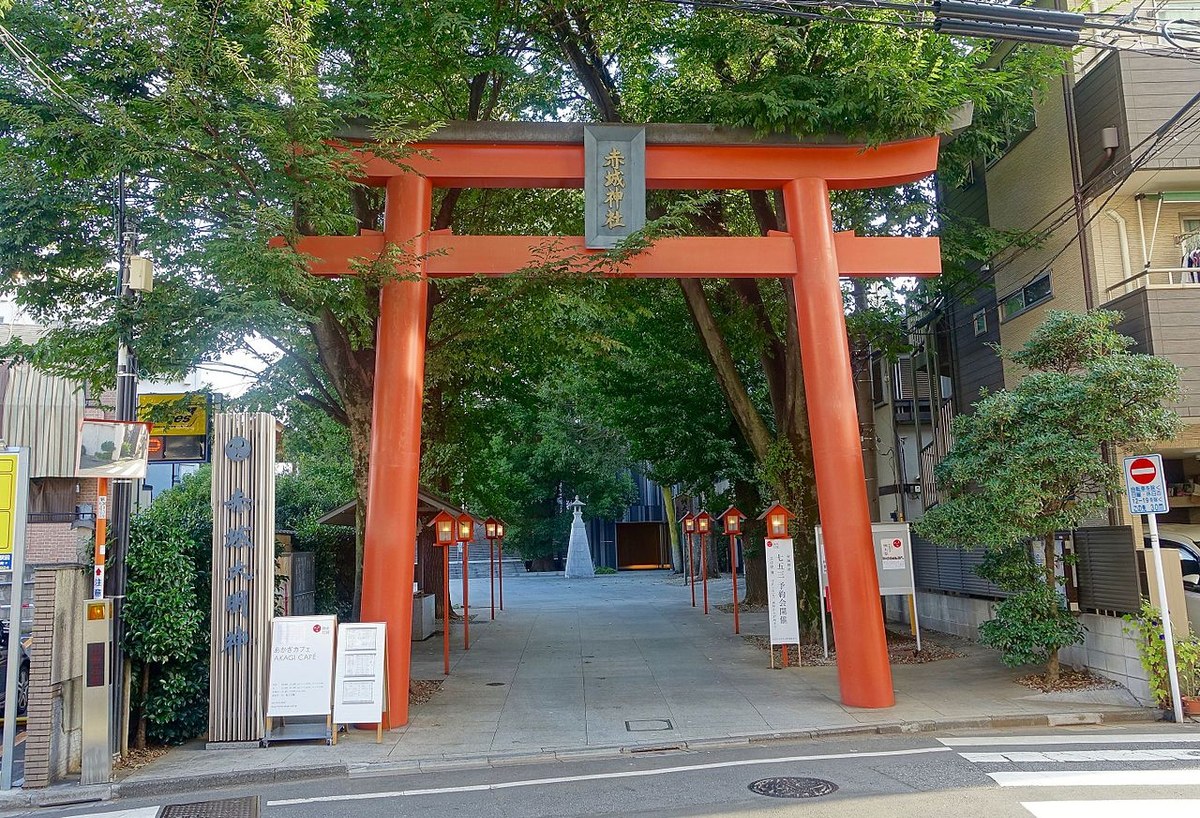
Akagi-jinja
At the same time, ancient customs have been preserved in this country, and when visiting temples, it feels like I've been transported back in time. I respect Eastern philosophy, so I decided to visit the modern Shinto shrine in Tokyo Akagi-jinja. That's right, you can read about the sacred space for a long time, but it's difficult to describe a visit to the sacred space. In short, it was as if he had put his thoughts in order.
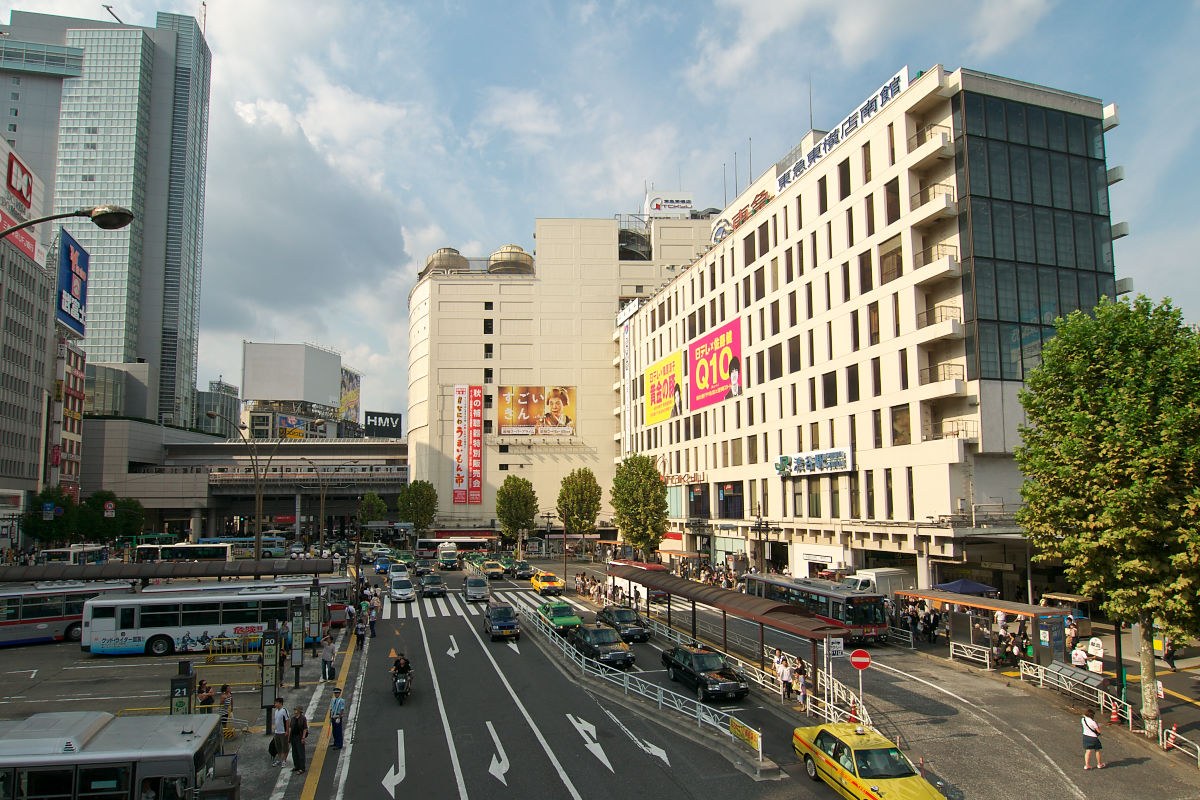
Shibuya Station
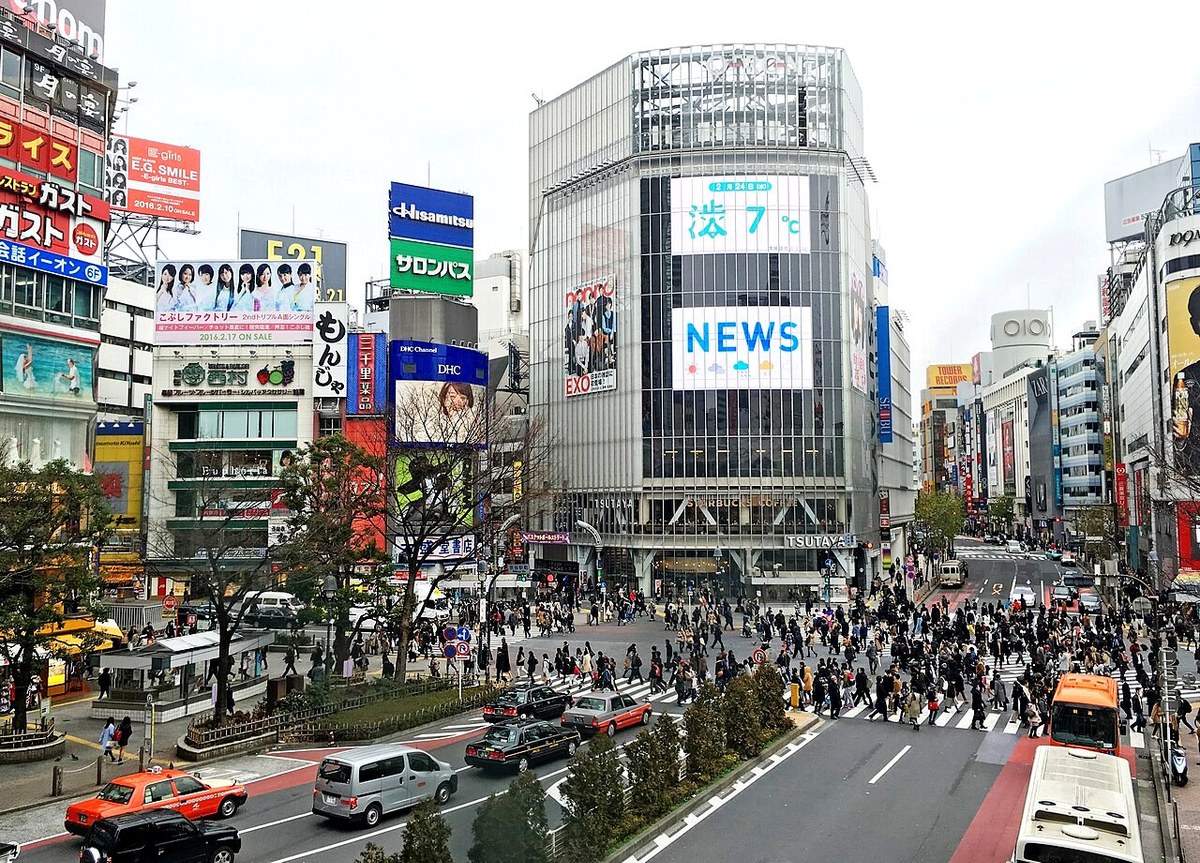
I decided not to turn it into a marathon of sightseeing and just walked around the city, because after the flight, my body still did not fully understand which part of the world it was in. I started in the Shibuya area, looked at the famous intersection, walked around the streets for a while, and then just walked wherever my eyes looked, which turned out to be quite a pleasant activity in Tokyo. However, after a while I realized that "going anywhere" in a city of this size is a great way to accidentally discover yourself in a completely different area and discover at the same time that for some reason it has already been forty minutes to walk back.
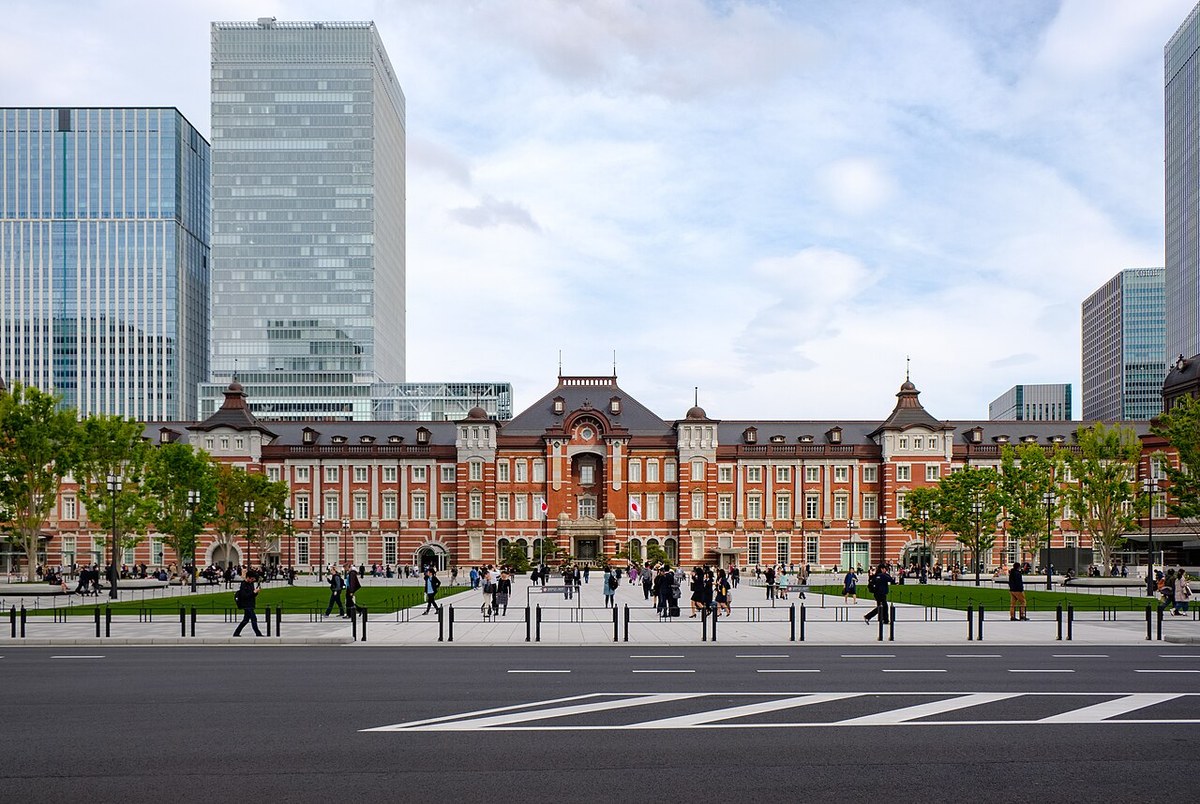
Marunouchi Square on the west side of the railway station building
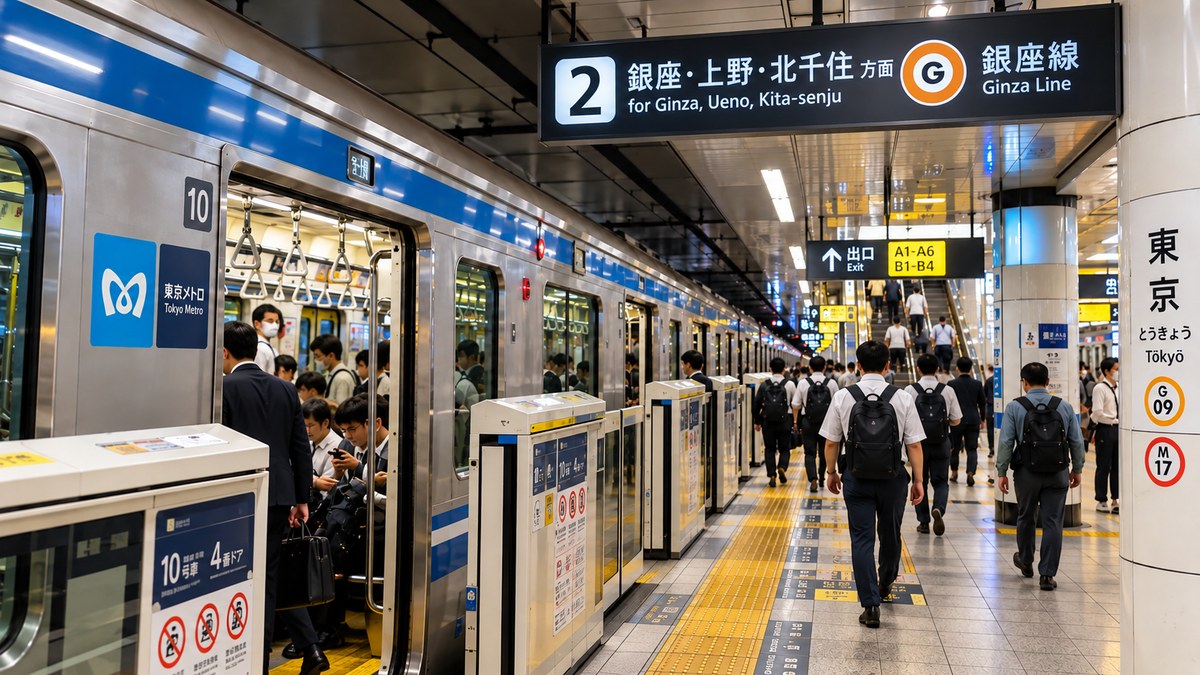
On the second day, I already felt a little more confident and decided to test Tokyo public transport in practice. I studied the main routes in advance, installed the necessary applications, and even convinced myself that everything was under control now, but Japan quickly reminded me that a tourist's confidence lives until about the first major train station. At the station, I moved from one level to another for a while, looked at the signs in Japanese and English and pretended that I understood perfectly where I needed to go, although an inner voice quite convincingly suggested that I just take any train and see what happens.
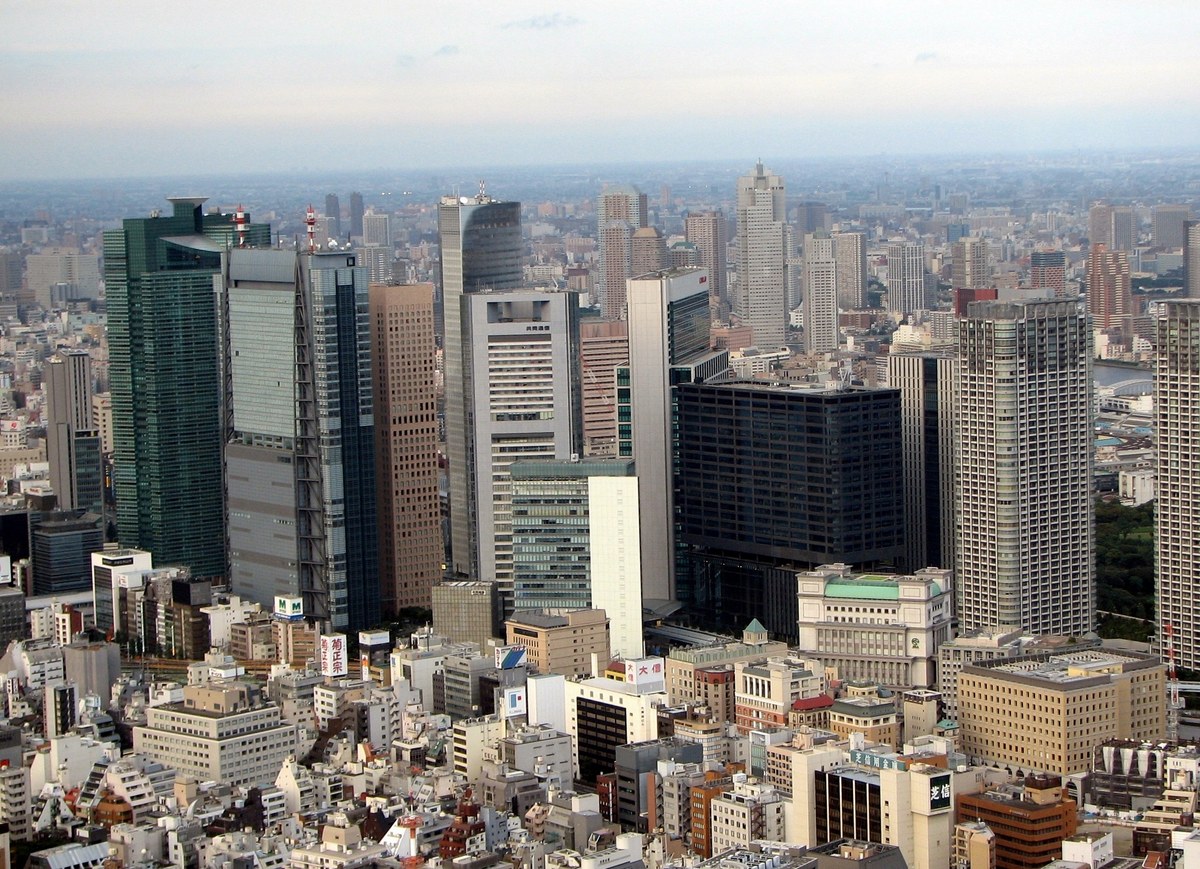
In Tokyo, I especially liked how naturally completely different things coexist here. You can find yourself among huge modern buildings in the morning, then turn into a quiet street where there is almost no one, and ten minutes later you can stand near a small temple and observe a completely different atmosphere.
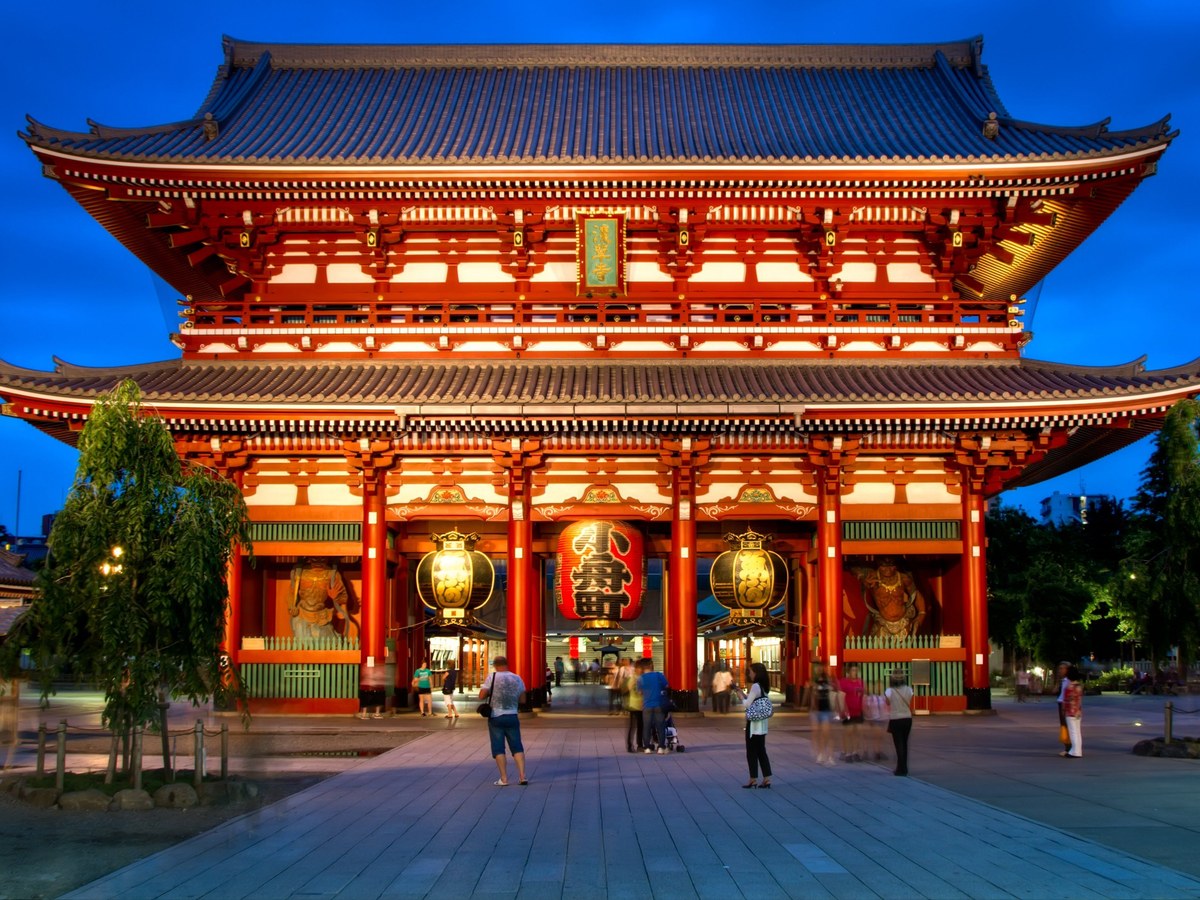
These are the moments I remember the most, because Tokyo turned out to be not so much a collection of individual attractions, but a huge city that is constantly changing right in front of your eyes.

Comments