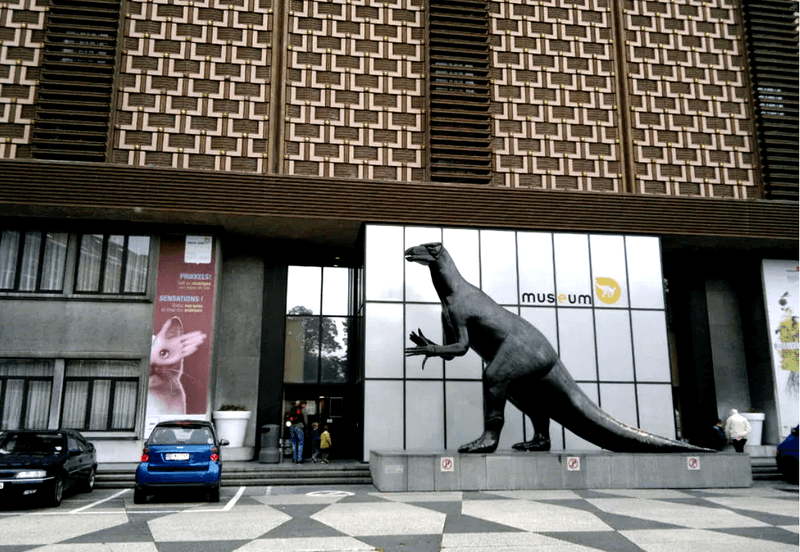
The Museum of Natural Sciences in Brussels is one of Belgium’s best-known science museums. It introduces visitors to the history of life on Earth, the diversity of living organisms, human evolution and the development of the animal kingdom. Its dinosaur collection has made it especially popular with families and anyone interested in palaeontology.
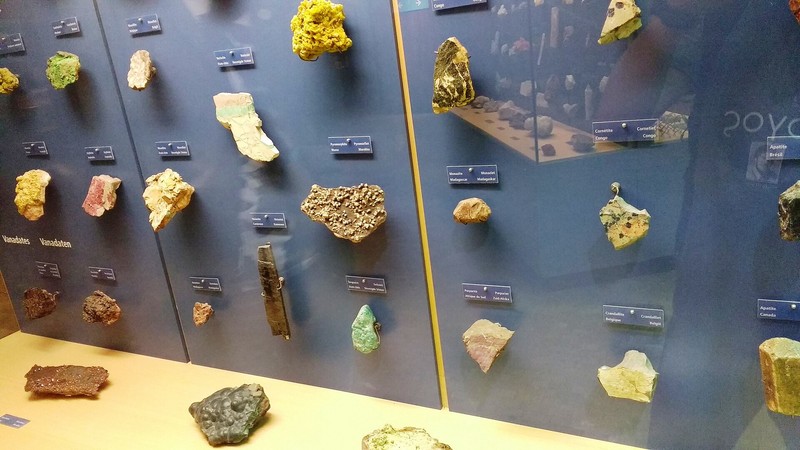
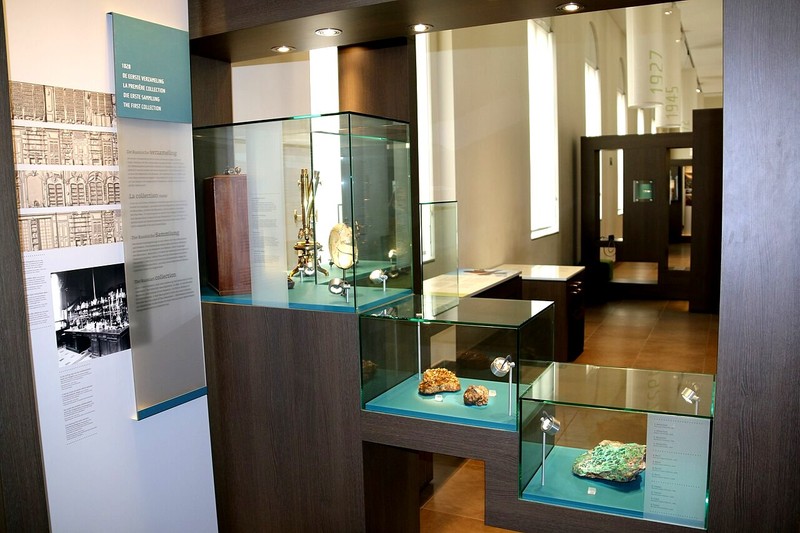
The museum is part of the Royal Belgian Institute of Natural Sciences. Its collections began taking shape in the nineteenth century, and the institution gradually developed into a major centre for science and education. Fossils, animal skeletons, mineral specimens and other materials help visitors explore the history of our planet.
The famous Dinosaur Gallery
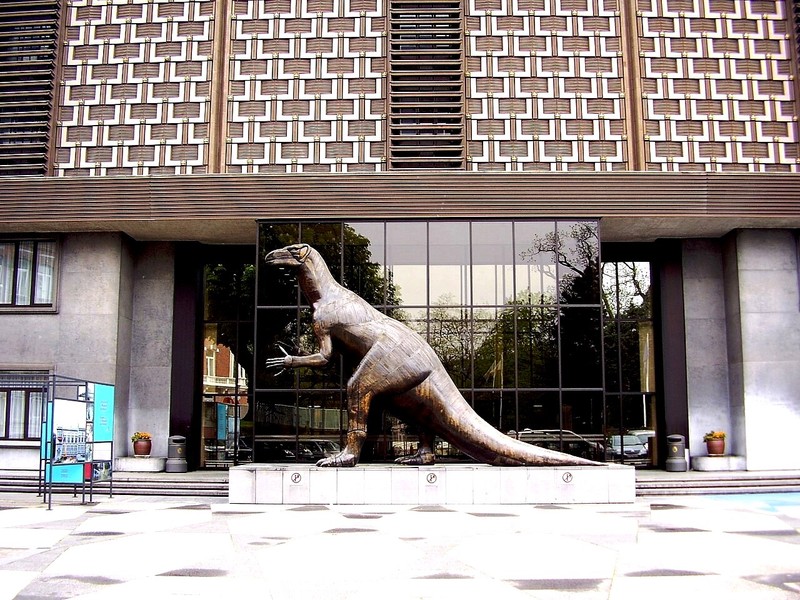
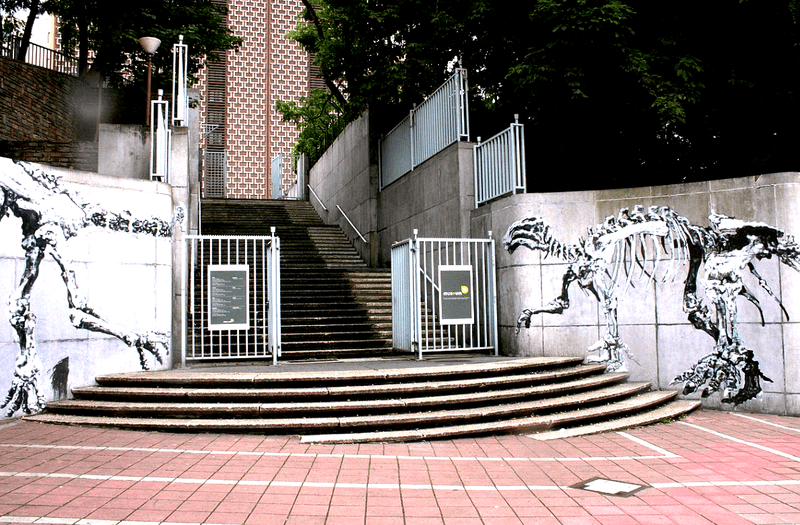
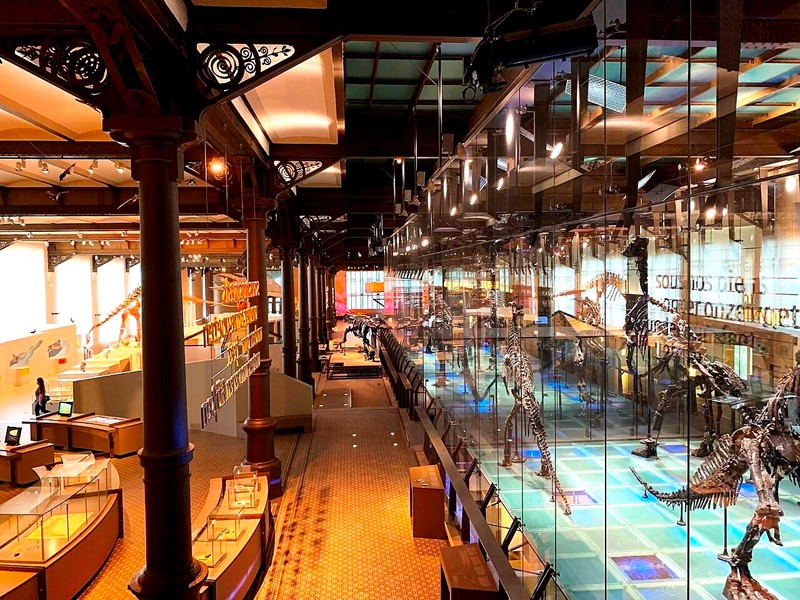
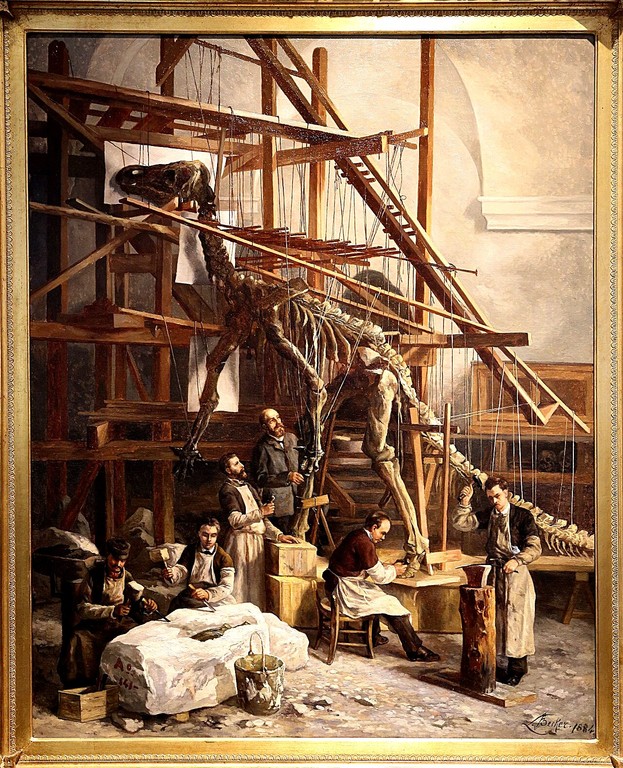
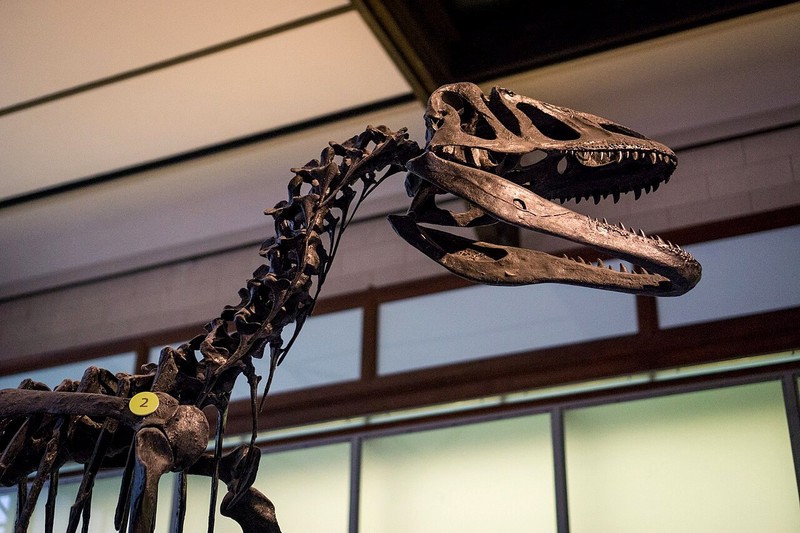
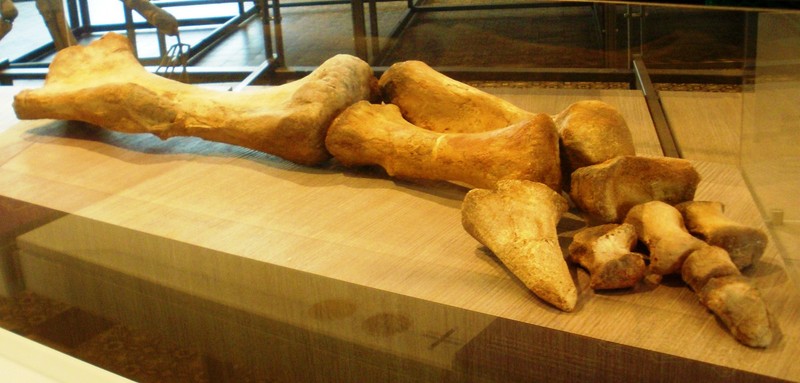
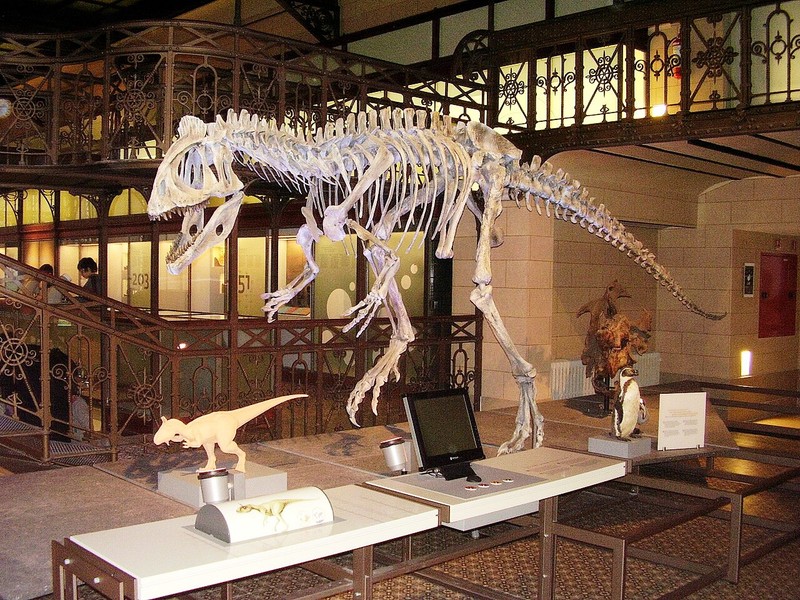
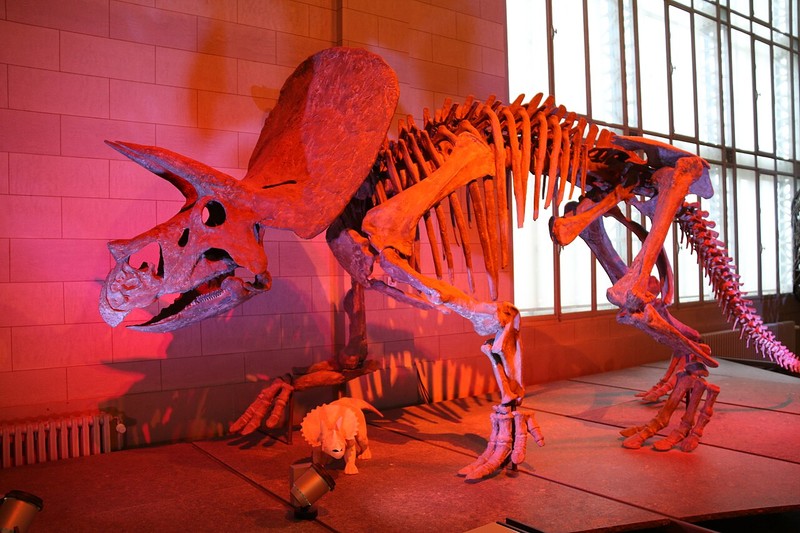
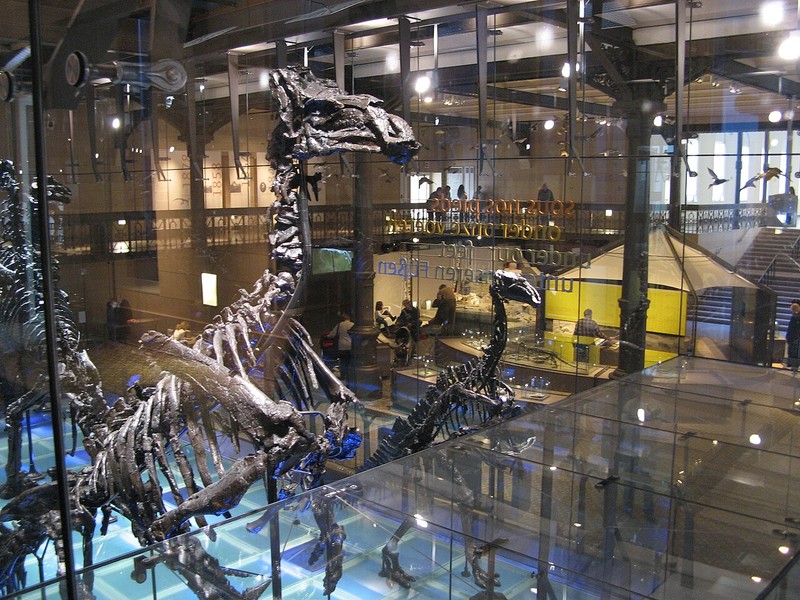
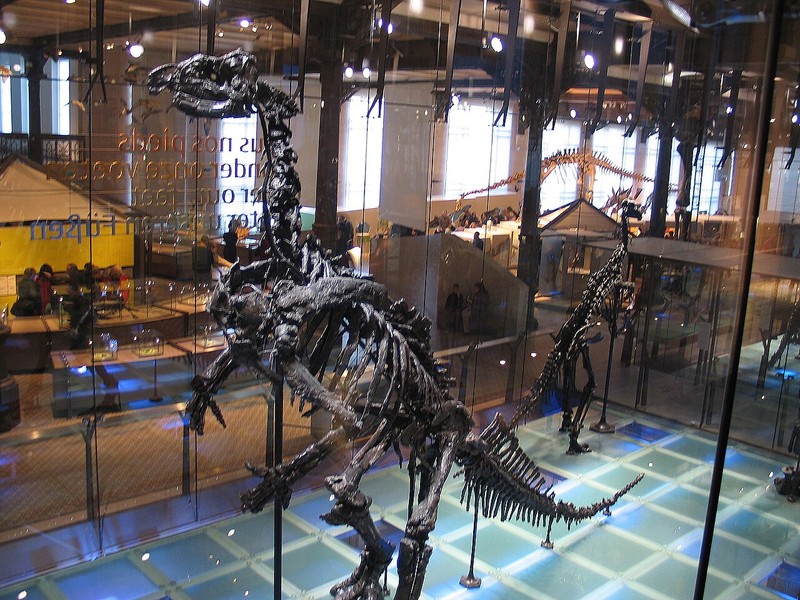
The museum’s main attraction is the Dinosaur Gallery, where visitors can see prehistoric skeletons and learn about life on Earth millions of years ago. The iguanodon skeletons are particularly famous. They were discovered in the nineteenth century near the Belgian town of Bernissart. This find became a landmark in palaeontology and brought Belgium international recognition among researchers of prehistoric life.
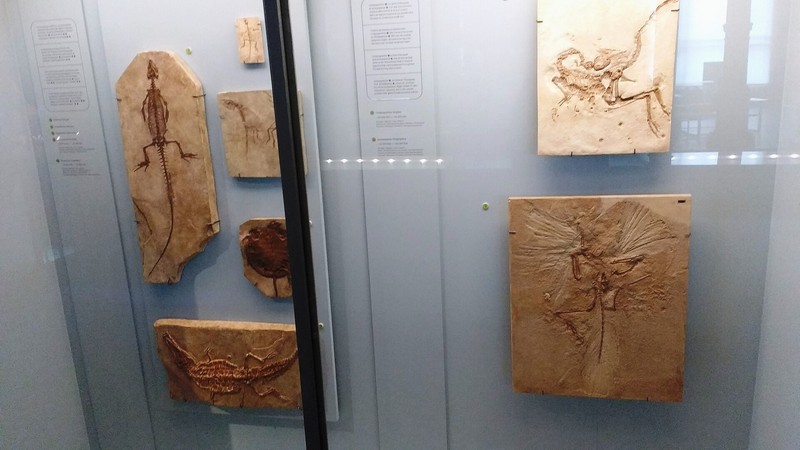
The exhibition illustrates the size and anatomy of dinosaurs and the environments in which they lived. Information panels explain how fossils are studied and how scientists reconstruct animals that disappeared millions of years ago. The gallery appeals to adults as well as children, offering insight into discoveries that changed our understanding of the prehistoric world.
The evolution of life and humans
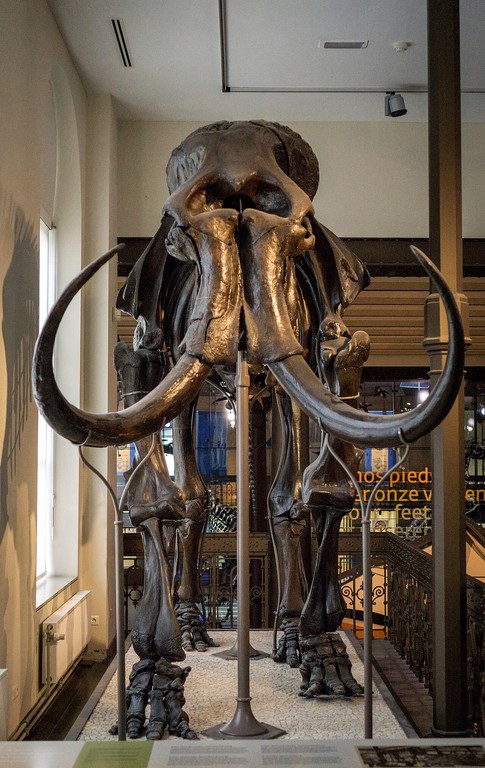
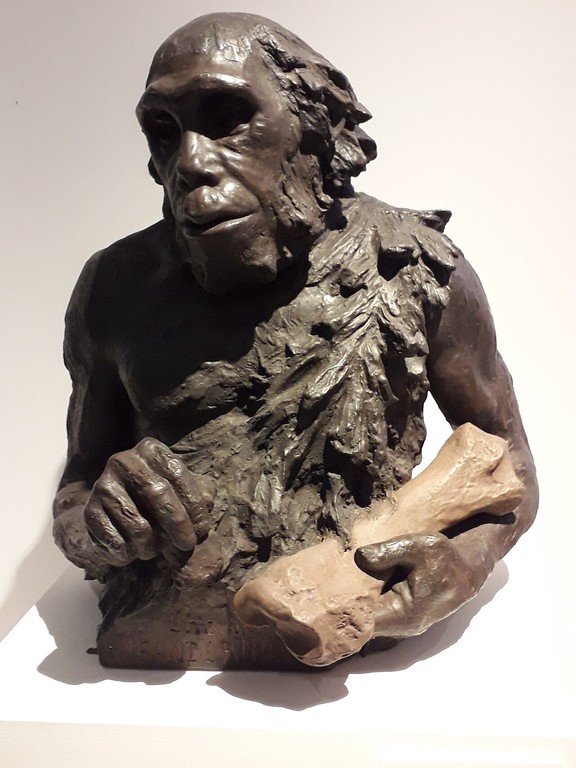
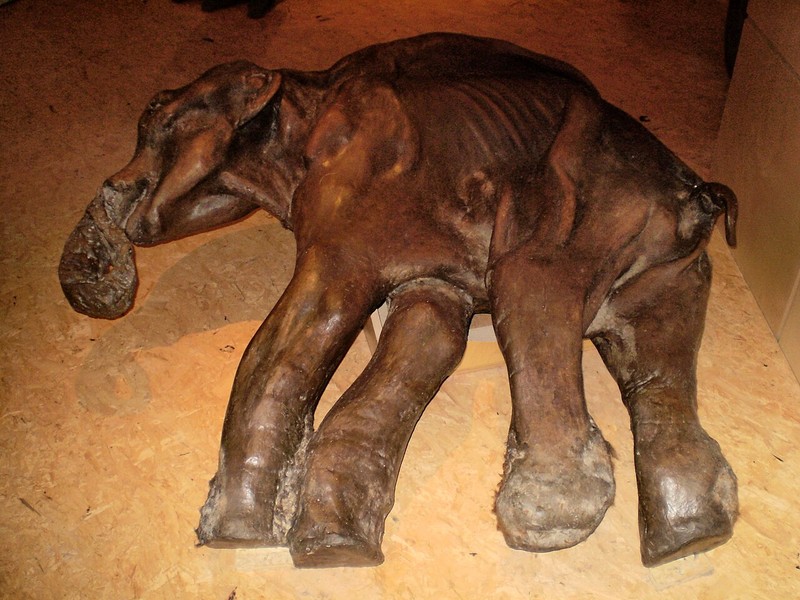
Other sections explore evolution, ancient animals, mammals and human origins. Visitors can follow changes in living organisms across geological periods, learn how new species emerged and discover how animals adapted to changing environments.
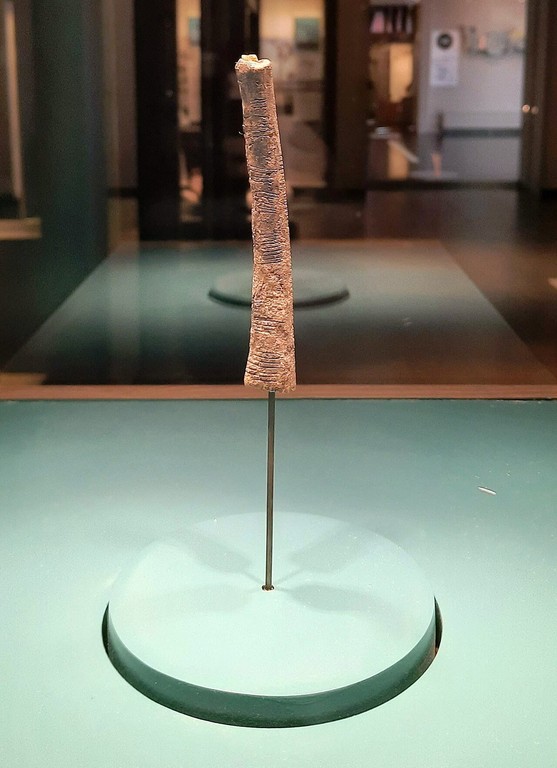
One of the collection’s notable objects is the Ishango bone, an archaeological find from Central Africa marked with groups of notches. It is often discussed in connection with early evidence of counting and mathematical thinking. This small object shows that the museum explores not only nature but also the early history of human culture.
A museum for the whole family
The Museum of Natural Sciences is well suited to visits with children and teenagers. Large skeletons, visual reconstructions and themed displays make science engaging and accessible. Depending on the programme, the museum may offer educational activities, workshops and guided visits for different age groups.
A visit combines leisure with an educational journey through the history of Earth. The museum is an appealing destination for dinosaur enthusiasts, nature lovers and anyone interested in geology or anthropology. Before visiting, check the official information about current exhibitions, tickets, opening hours and family activities.
Gallery

Nearby attractions