

What to see in Rome in 3 days
Rome has long been on my list of cities that I really wanted to see, but before the trip I was a little worried.: how do you even manage to see Rome in three days and not turn the trip into a marathon with a pedometer? There are so many attractions here that you can create a route for several weeks and still find something new every day. Therefore, I decided not to try to embrace the immensity, but to choose the most interesting places and build a route so that between them there was time just to walk along the streets, drink coffee and sometimes sit shamelessly in the square, watching people.
I must say right away that three days is not much for Rome, but it is quite enough for a first acquaintance if you plan the route in advance. I tried to combine places that are close to each other, so as not to spend half the trip on public transport and not look for legs all over the city in the evening. As a result, I had three rather eventful days, after which I realized that Rome could either be viewed, photographed, or eaten – I couldn't physically do all this at the same time.
Day One: Colosseum, Roman Forum and the atmosphere of Ancient Rome
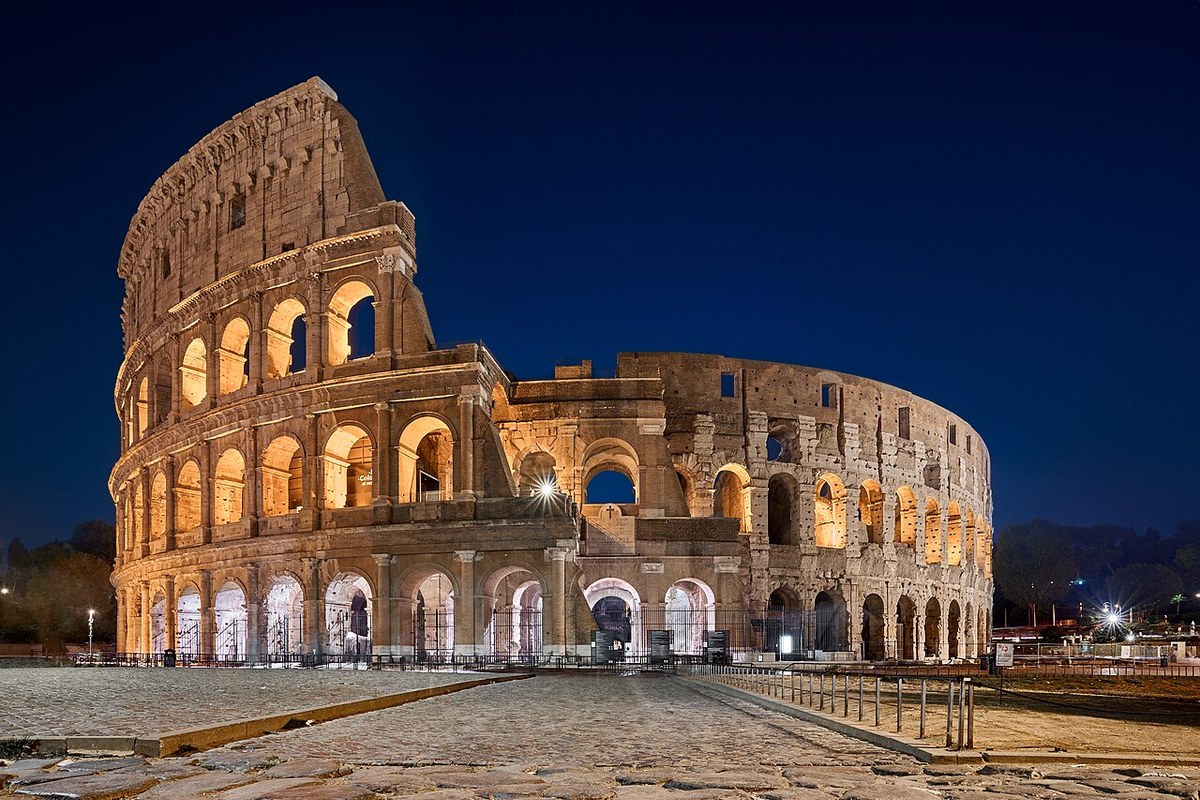
I decided to start the first day with the most obvious place, the Colosseum. It seems to me that coming to Rome and not seeing it would be about as strange as coming to Paris and pretending that you are not interested in the Eiffel Tower at all. When I first saw the Colosseum live, it turned out to be much more impressive than in photographs, especially when you realize how many events have happened here over the centuries.
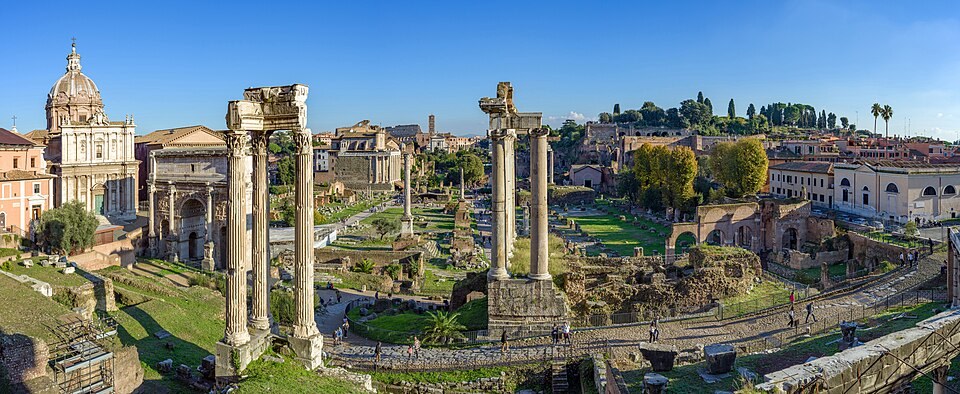
Nearby isThe Roman Forum, so I immediately included it in the itinerary. You can't just quickly check the list of attractions here: you want to look at the ruins, columns, old roads and try to imagine what this area looked like two thousand years ago. However, after a while I realized that my brain had stopped distinguishing one ancient column from another, and my legs began to hint quite transparently that it was time to sit down.
After the forum, I went to the Palatine, which offers beautiful views of the ancient part of Rome. It was here that I first felt that the city cannot be perceived only as a set of individual attractions, because history is literally underfoot, around houses and even in the middle of ordinary streets. However, I took so many photos that in the evening I had to free up my phone's memory, deleting some old screenshots that for some reason I had carefully stored for the last two years.
After such a walk, it was time to slow down a little and go for lunch. I didn't specifically look for a restaurant with a lot of reviews on the Internet, but just turned onto a small street and chose a place where locals and several tourists were sitting. I ordered pasta, coffee, and dessert, and then I sat for another twenty minutes and watched people pass by, because in Rome, even an ordinary lunch somehow turns into part of a trip.
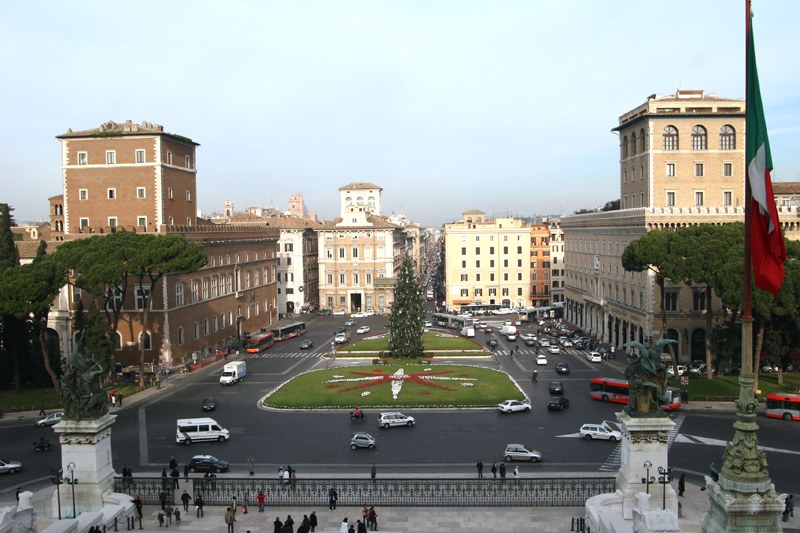
In the evening, I went for a walk in Piazza Venezia and looked at the monument to Victor Emmanuel II. After that, you can just walk wherever your eyes look, because in the center of Rome it is almost impossible to walk several blocks without bumping into a beautiful building, fountain, small church or square that you want to photograph. It was these aimless walks that eventually turned out to be one of my favorite moments of the trip.
Day Two: The Vatican, the Pantheon and the Trevi Fountain
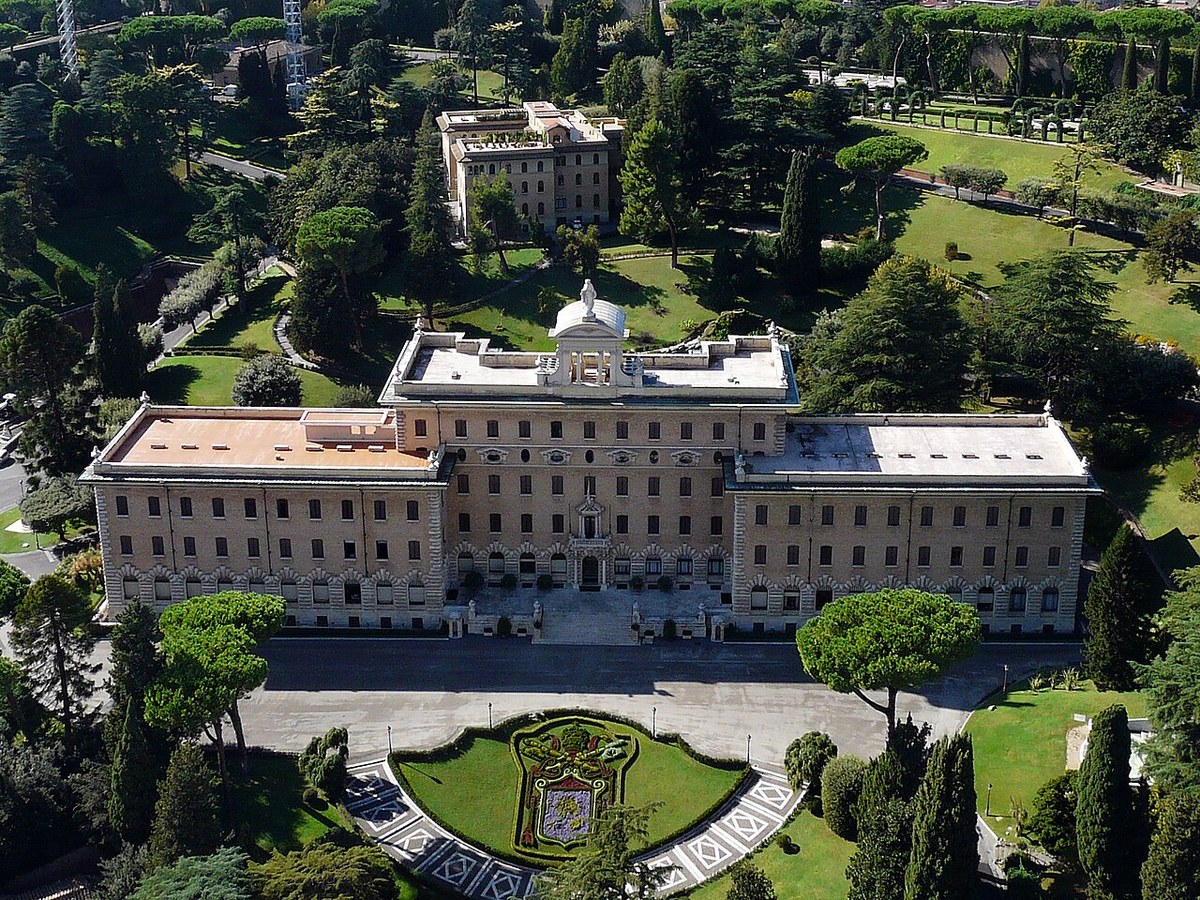
I decided to dedicate the second day to the Vatican, so in the morning I went to St. Peter's Cathedral. Even if you're not particularly interested in architecture or art, it's worth coming here at least for the sheer scale of this place, because the photos don't convey the feeling of standing inside and trying to look at everything around you.
After the cathedral, I went toThe Vatican Museums, where, of course, I quickly realized that it was impossible to see absolutely everything in one visit. There are so many halls, paintings, sculptures and details that after a while I just followed the stream of people and hoped that I hadn't missed something particularly important.
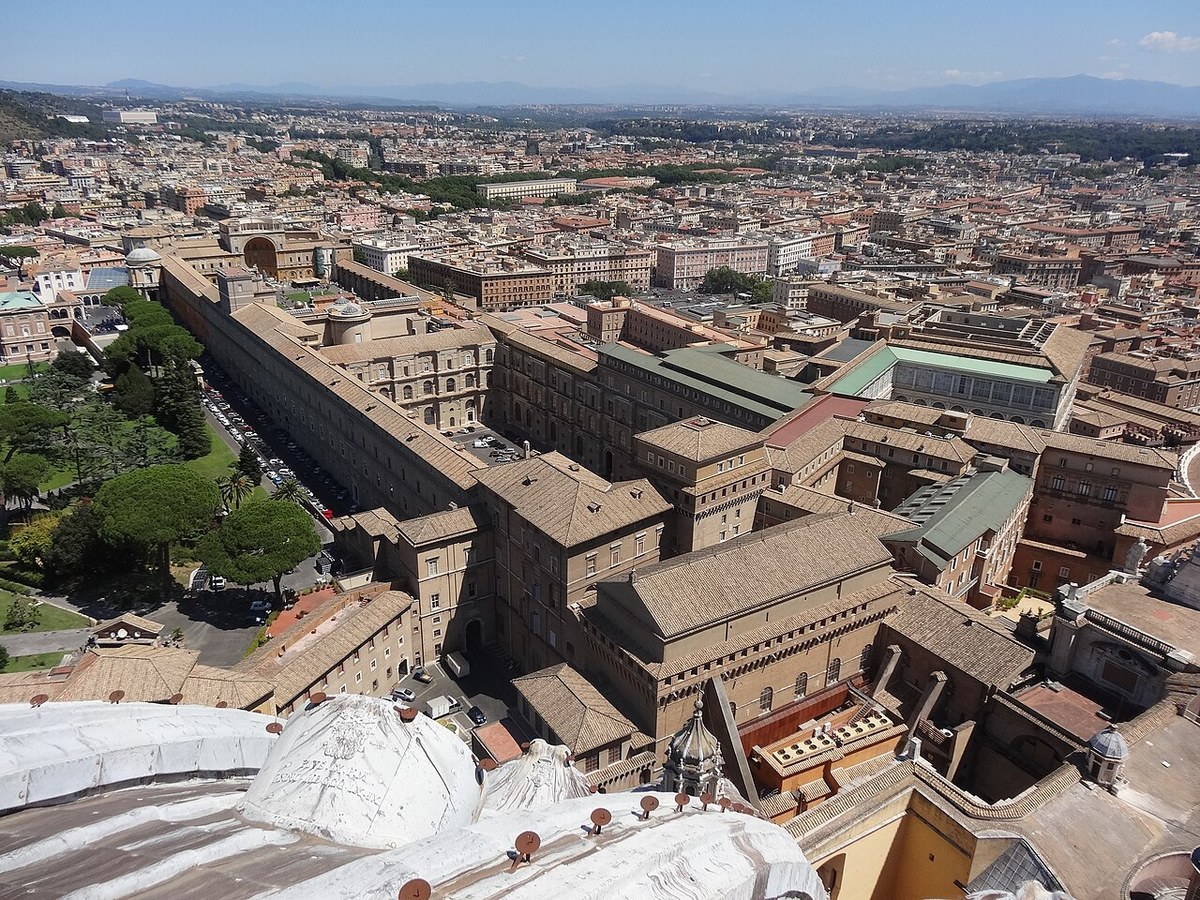
ButThe Sistine Chapel really became one of those places that I remembered for a long time, although I couldn't take pictures there, so I had to remember it with my eyes.
After the Vatican, I decided to walk a little towards the center. On the way, I stopped for coffee and suddenly discovered that in Rome, even an ordinary cup of espresso can become a separate event, especially if you drink it at a small bar where people come in for a few minutes, greet the barista and disappear back into the city. As a real tourist, I sat the longest and tried to understand why locals drink coffee in two minutes, but it took me almost half an hour.
The next stop wasThe Pantheon. It looks very impressive from the outside, but it is especially interesting to go inside and look at the huge dome with a round hole in the center through which daylight enters. At that moment, I finally realized that in Rome, you can just raise your head and get a little historical shock again.
After the Pantheon, I went to Piazza Navona. Here you can relax a little, sit by the fountain and just watch the life of the square, which remains quite lively even in the evening. I especially liked that after a busy first half of the day there is no need to rush anywhere, you can just walk along the neighboring streets and gradually move to the next point.
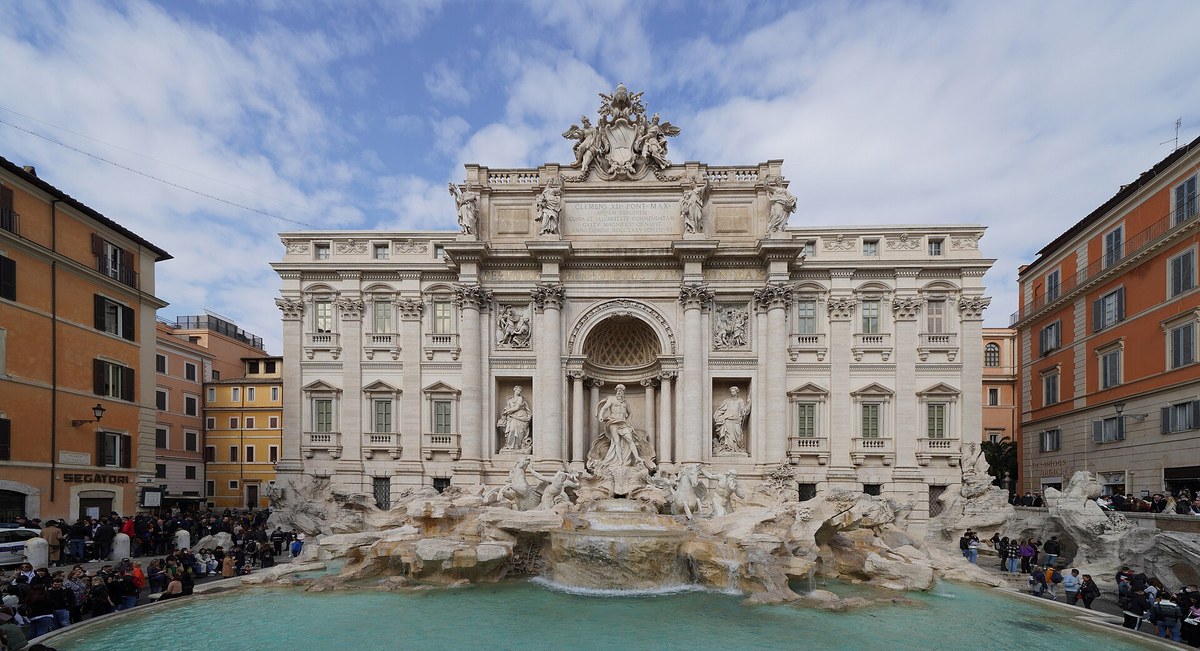
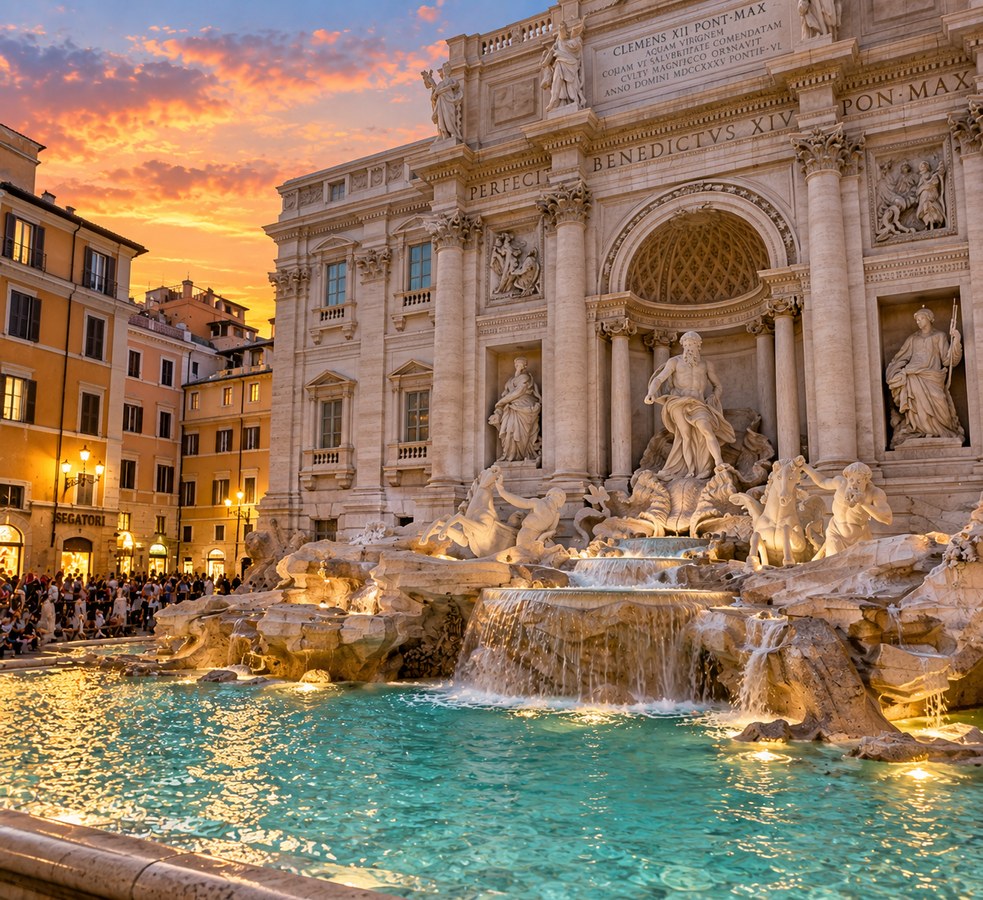
And the next point was, of course, the Trevi Fountain. I got there in the evening, and even though there were a lot of people, the atmosphere was still incredible: the lighting, the sound of water, the old buildings around, and a huge number of people trying to take the same photo at the same time. I was no exception either, and for a while I tried to capture the moment when there would be at least five seconds without someone's head in the frame.
Before returning to the hotel, I made sure to throw a coin into the fountain. I don't know if it really works, but I didn't take any chances – in case Rome decides that I haven't formulated my wish well enough, and there won't be a second trip.
Day three: Spanish Steps, Villa Borghese and Trastevere
I decided to make the third day a little calmer, because after the first two days, my legs had officially stopped supporting the idea of a cultural marathon. In the morning, I went to the Spanish Steps, which turned out to be exactly as I imagined it from the photos, only there were significantly more people around. Of course, it wasn't possible to sit on the steps, but there are many beautiful streets, shops and cafes nearby, so the walk turned out to be very pleasant.
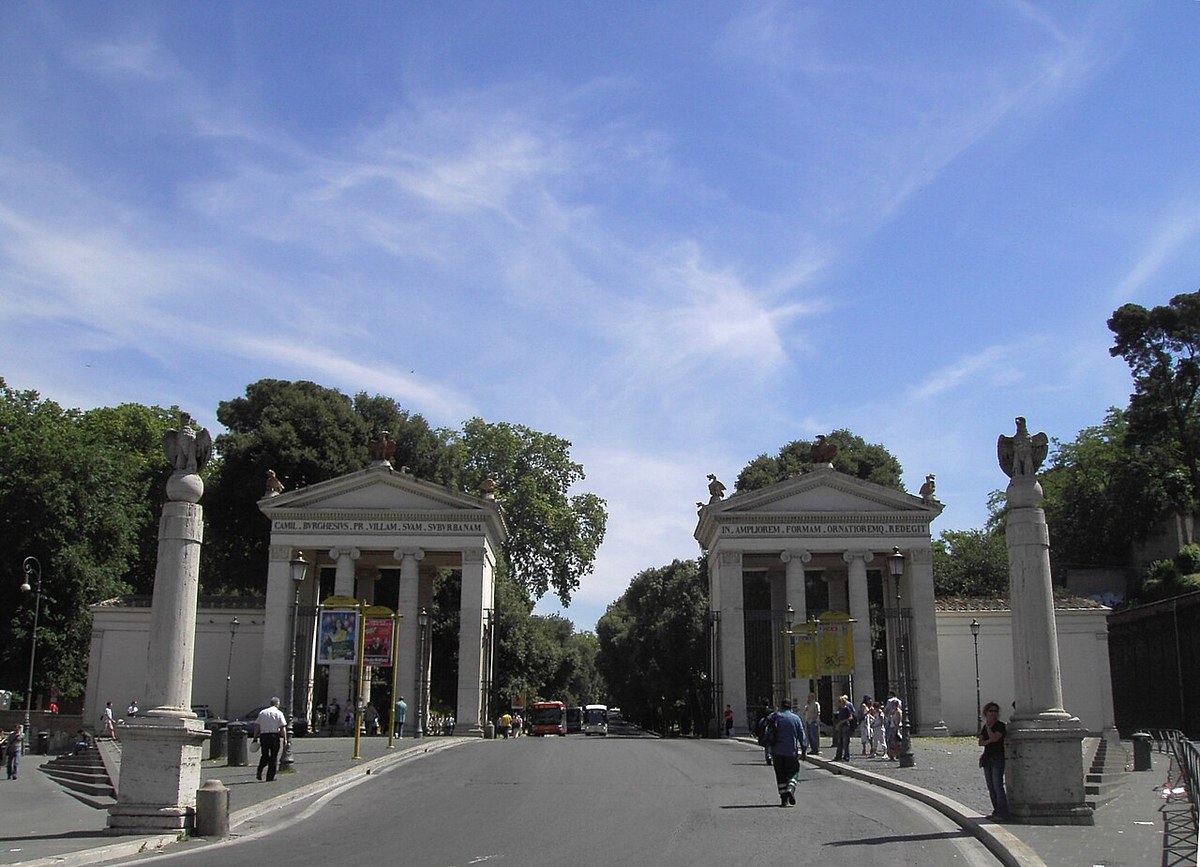
Then I headed towards Villa Borghese. After the dense urban development, the huge green park has become a real salvation, because here you can finally exhale a little, hide from the noise and just walk among the trees. If you still have the strength and desire to see art, you can visit the Borghese Gallery, but it is better to plan tickets there in advance.
After the park, I headed towards the center again and decided not to build too strict a route. At some point, I just turned onto a small street, saw a nice cafe, had coffee with dessert, and realized that it was for the sake of such moments that I generally like to travel on my own. When you don't have a tour group that leaves for the next attraction in three minutes, you can sit quietly and look at the city for as long as you want.
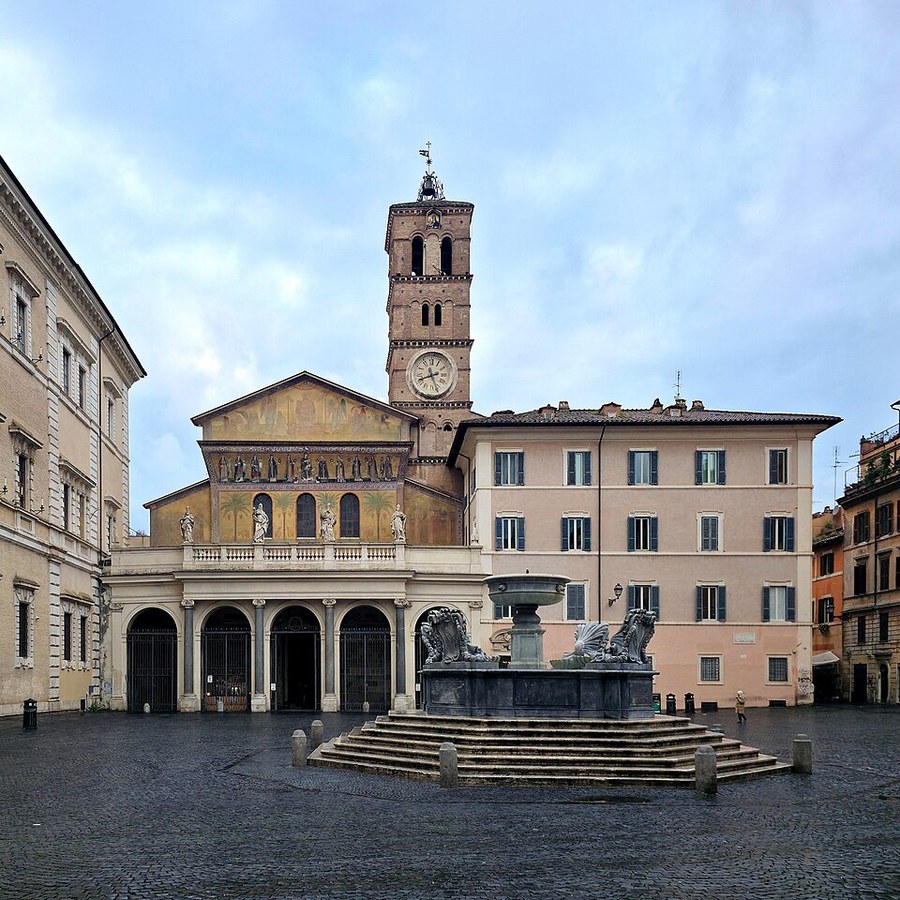
I left it for dessert last night.Trastevere. This area with its narrow streets, ancient houses, small squares and cozy restaurants seemed to me to be one of the most atmospheric places in Rome, especially when it starts to get dark and the lanterns come on. Here I completely stopped looking at the clock and just walked around, went into small shops, looked at the windows and chose a place for the last Roman dinner.
Of course, I couldn't leave without pasta and tiramisu. I told myself that this would be the last dinner, and therefore I could relax a little with a budget, but then I discovered that in Rome the word "a little" has its own meaning, completely separate from mathematics. However, I didn't regret it, because after dinner I walked through the evening streets for a long time and thought that three days had passed much faster than I would have liked.
How much time does it take to visit the main attractions?
If you're only going to Rome for three days, I wouldn't try to schedule every hour by the minute, because the city is completely unsuitable for this approach. It is better to choose several main places for each day in advance, and leave free time between them so that you can safely eat, drink coffee, go to the store or just turn off the route. Otherwise, there is a risk of returning home with a huge number of photos and the feeling that you have hardly seen Rome itself.
At the same time, it is better to plan some popular places in advance, especially if the trip falls during the high season. I would check the time of visiting the Colosseum, the Vatican Museums and the Borghese Gallery separately, and leave the rest of the walks more free. This is especially convenient in Rome, because there are always small squares, churches, fountains and streets between the main attractions, which did not exist at all in your original plan.
What did you manage to see in three days?
During these three days, I managed to see the Colosseum, the Roman Forum, the Palatine, the Vatican, St. Peter's Cathedral, the Sistine Chapel, the Pantheon, Piazza Navona, the Trevi Fountain, the Spanish Steps, Villa Borghese and Trastevere. At the same time, I managed to leave enough time for the usual walks, coffee, pasta, ice cream and those very random turns, thanks to which the journey ceases to be just a list of attractions.
Of course, it's impossible to get to know Rome completely in three days, and I didn't even try. This city generally seems like one that needs to be viewed gradually: today there are ancient ruins, tomorrow there is a small street, the day after tomorrow there is a random coffee shop that you did not plan to visit at all. And that's probably why, after three days, I didn't feel like I'd ticked off Rome, but on the contrary, I left with the feeling that now I just needed to come back someday.
The most difficult thing in Rome was not even to make a route and not to figure out the transport, but to force yourself to stop in the evening and go to the hotel. Because every time it seemed: well, one more street, one more fountain, one more turn – and there will definitely be something beautiful. As a result, I walked so many kilometers in three days that my phone thought I was preparing for the Olympics, and I was finally convinced.: Rome is best viewed in comfortable shoes, with a good appetite and with plenty of free time.

Comments