Mount Rushmore is a famous memorial in South Dakota, USA, where enormous portraits of four American presidents are carved into a granite mountainside. George Washington, Thomas Jefferson, Theodore Roosevelt and Abraham Lincoln look out over the surrounding forests and rocky Black Hills. The monument has become one of the most recognisable symbols of the United States, attracting visitors with its immense scale and unusual combination of art and natural landscape.
The Creation of the Memorial
The idea of creating a monumental sculpture in the mountains of South Dakota emerged in the early 1920s. State historian Doane Robinson wanted to attract tourists to the Black Hills region. He initially considered carving figures associated with the American West, but sculptor Gutzon Borglum proposed a different concept: a monument to presidents connected with key stages in the country's development.
The project received legislative support in 1925, followed by preparations for large-scale work. The ceremonial start of construction took place on 10 August 1927, with President Calvin Coolidge in attendance. Work continued for fourteen years and ended in 1941. During that time, the project faced funding shortages, technical challenges and changes to the original plan.
Gutzon Borglum directed the artistic work and shaped the appearance of the sculptures. After his death in March 1941, his son Lincoln Borglum continued the work. On 31 October 1941, the memorial was officially declared complete. The original concept included a more extensive complex with additional inscriptions and a Hall of Records inside the mountain, but these plans were never fully realised.
Four Presidents Carved into the Rock
The four presidents were chosen for specific reasons. Together, they were intended to represent key stages in the founding, expansion and preservation of the United States. Their images symbolise roughly the first 150 years of the country's history.
George Washington is on the far left when viewed from the main observation area. He was the first president of the United States and is regarded as one of the central figures in the country's founding. His image represents the birth of the American republic and the formation of its institutions.
Next is Thomas Jefferson, the third president and one of the authors of the Declaration of Independence. He is associated with ideas of liberty, civil rights and the country's territorial expansion, including the Louisiana Purchase of 1803. His portrait was originally planned to the right of Washington, but the composition changed and the sculpture was moved to another part of the mountain.
Abraham Lincoln, on the far right, became a symbol of national unity. During his presidency, the United States endured the Civil War and began abolishing slavery. His image recalls the profound trials faced by American society and the struggle to preserve the nation.
Theodore Roosevelt, the twenty-sixth president, is positioned between Jefferson and Lincoln. He is known for his reforms, active foreign policy and support for protecting natural areas. His portrait represents the country's development in the early 20th century and its emergence as a major world power.
Dimensions and Sculpting Techniques
Each presidential face measures about 60 feet, or 18 metres, from chin to forehead. Their enormous scale makes them clearly visible from the main observation area in front of the mountain. The portraits are carved directly into the granite, so the memorial is not a separate structure placed on a summit; it is part of the mountain itself.
The sculptors worked from preliminary models and used measuring devices, drilling and controlled blasting. Dynamite removed much of the excess rock, after which workers refined the surfaces with pneumatic tools and hand tools. Accuracy required repeated measurements and careful checks of proportions.
About 400 people worked on the project, including former miners, stoneworkers and other specialists. Many worked at great heights while suspended in seats and secured by safety systems. Despite the use of explosives and the hazardous working conditions, no worker deaths were recorded during the creation of the memorial, a remarkable achievement for such a difficult undertaking.
Why These Presidents Were Chosen
Borglum's idea was more than a gallery of presidential portraits. The memorial was intended to tell the country's story through leaders associated with its founding, expansion, preservation of unity and development. Washington represents the founding of the nation, Jefferson independence and territorial expansion, Lincoln the preservation of the Union, and Roosevelt the country's development in a new era.
The memorial also remains the subject of historical and public debate. The Black Hills hold deep spiritual and cultural significance for Indigenous peoples of the region, including the Lakota. The carving of the monument is connected to the wider history of Indigenous dispossession and loss of land. Visiting Rushmore therefore offers an opportunity to consider not only a national symbol, but also the complex history of the American West.
Mount Rushmore and the Black Hills Landscape
The memorial is located in southwestern South Dakota, near the small town of Keystone. It is surrounded by granite cliffs and forests dominated by ponderosa pine. The contrast between the stern human faces and the natural shapes of the mountains creates a distinctive landscape known around the world.
The granite used for the portraits formed during the region's long geological history. It is a durable rock, but it is not completely immune to natural processes. Moisture, temperature changes, cracks and weathering make ongoing monitoring of the surface important.
Visitors may encounter local wildlife, including deer, squirrels and various bird species. The forested areas and rocky slopes make the surroundings appealing not only to history enthusiasts but also to those interested in the natural environment of the Black Hills.
Preserving the Monument
Preserving the memorial requires regular monitoring of the granite. In the late 20th century, specialists began detailed studies of cracks and the structure of the rock. A monitoring system was installed in 1998 to measure even very slight movements in parts of the mountain.
Modern sealing materials are used to prevent water from entering cracks. This is important because moisture that freezes inside fissures, followed by repeated freezing and thawing, can gradually damage the stone. Monitoring helps identify potential changes so that action can be taken in time. According to the US National Park Service, no signs of dangerous movement in the major rock blocks have been detected.
What to See at the Memorial
The main attraction is the spacious viewing terrace, which offers a direct view of all four faces. In front of it is the Avenue of Flags, decorated with flags representing US states, territories and other administrative areas. The avenue leads towards the main viewing area and provides a gradual approach to the monument.
The memorial complex includes museum exhibits about the construction, the tools used and the people who carved the sculptures. Visitors can learn how measurements were transferred from models to the mountain, how granite was removed and why some parts of the original design were never completed.
Walking routes offer a closer look at the surrounding landscape. The popular Presidential Trail follows boardwalks and stairways near the base of the mountain, allowing visitors to see the sculptures from different angles. Some sections include steps, so visitors with limited mobility should check the accessibility of specific parts in advance.
Best Time to Visit
The memorial is open to visitors throughout the year, but the experience varies by season. Summer generally brings more tourists and longer daylight hours. Spring and autumn can suit travellers who prefer a quieter atmosphere and moderate temperatures for walking.
Visitor numbers are usually lower in winter, although weather in the Black Hills can change quickly. Snow and ice may make trails and roads more difficult to navigate. Before travelling, check the forecast, trail conditions and current information about visitor facilities.
Morning light and the hours approaching sunset can cast striking shadows across the presidential faces. The monument is sometimes illuminated after dark, giving it a different appearance from daytime. The schedule for ceremonies and lighting may vary according to the season and the memorial's programme.
How to Get to Mount Rushmore
The memorial is about two miles, or three kilometres, from the town of Keystone. The easiest way to reach it is by car via South Dakota Highway 244. The nearest major city is Rapid City, from which the drive usually takes around half an hour or a little longer depending on traffic and road conditions.
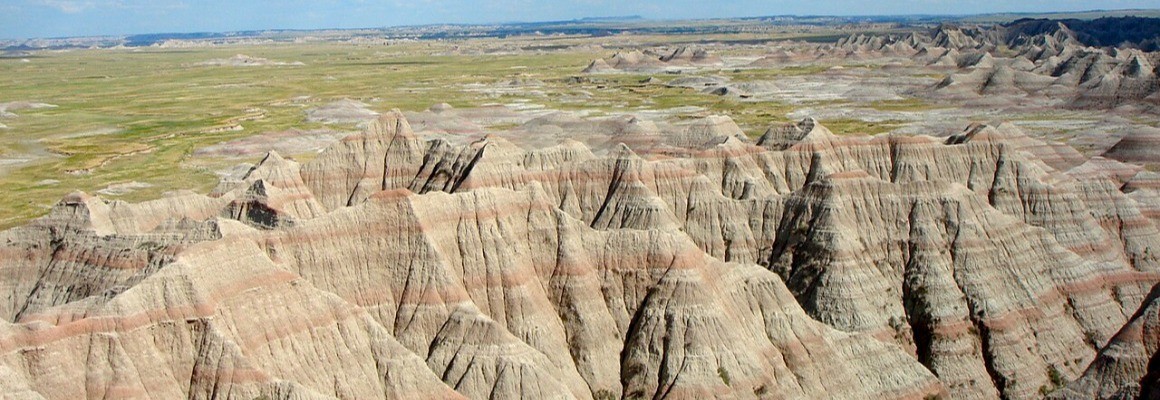
Public transport in the area is limited, so many travellers include Rushmore in a road trip through South Dakota. The visit can be combined with other Black Hills destinations, such as Badlands National Park, Custer State Park and the historic town of Deadwood. These places are spread across the region, so a comfortable itinerary may require a full day or several days.
The site has parking, rest areas and visitor facilities. Before travelling, check current parking rules, operating hours and any restrictions. During the busiest season, arriving early can help avoid peak crowds.
Interesting Facts About Rushmore
The original project included plans for a large Hall of Records inside the mountain, intended to preserve documents and accounts of American history. Work began on an entrance and part of a corridor, but the project was not completed because finishing the sculptures became the priority.
The memorial is often described as a shrine to democracy or a symbol of freedom, but its significance extends beyond official national symbolism. It also reflects the development of monumental art in the 20th century, engineering achievements and the complicated relationship between government, historical memory and Indigenous peoples.
Mount Rushmore remains one of North America's best-known human-made landmarks. Millions have seen its portraits in photographs, films and television programmes, but visiting in person reveals the true scale of the sculptures and the surrounding granite landscape.
Why Visit Mount Rushmore
Mount Rushmore is not only an impressive monument to four presidents but also a place where American history, engineering skill and the natural beauty of the Black Hills intersect. Visitors can see how an enormous rock face was transformed into a work of art, learn about the challenges of a fourteen-year construction project and reflect on different perspectives on the country's history. It is especially rewarding for travellers exploring the American West and seeking a deeper understanding of South Dakota's cultural heritage.
Gallery