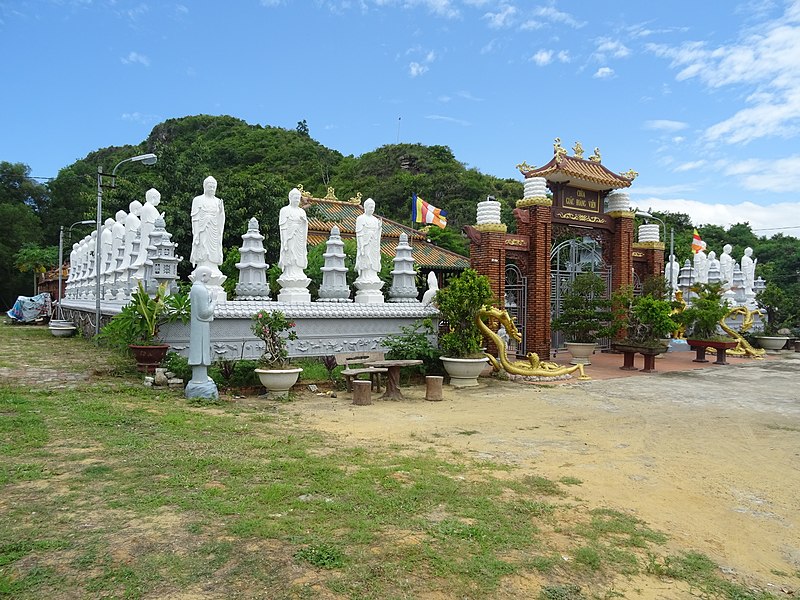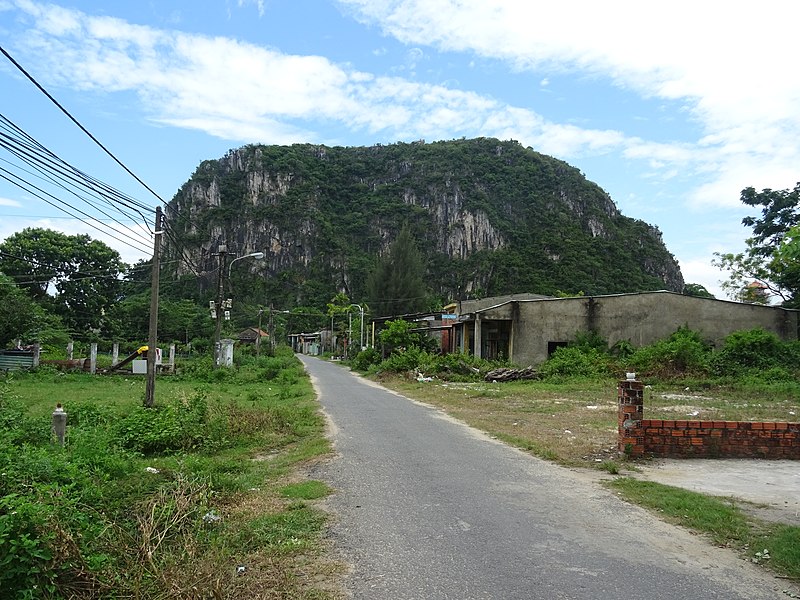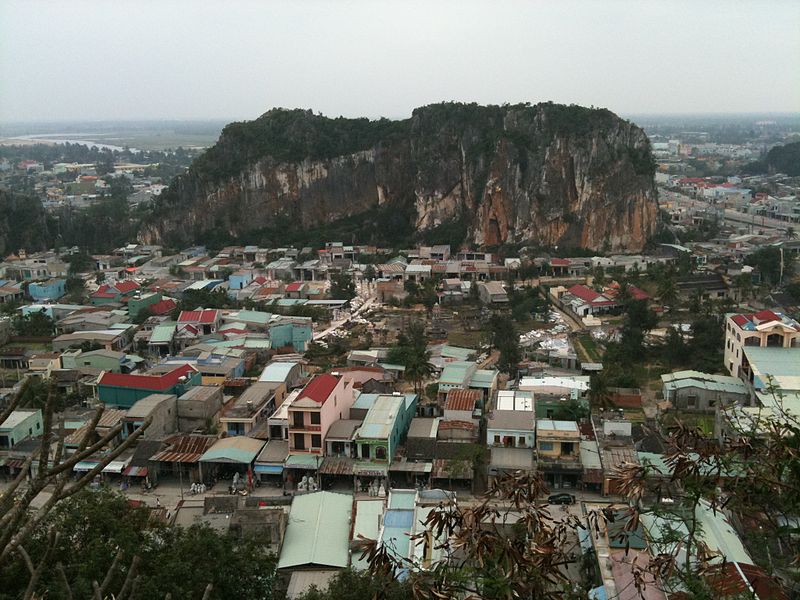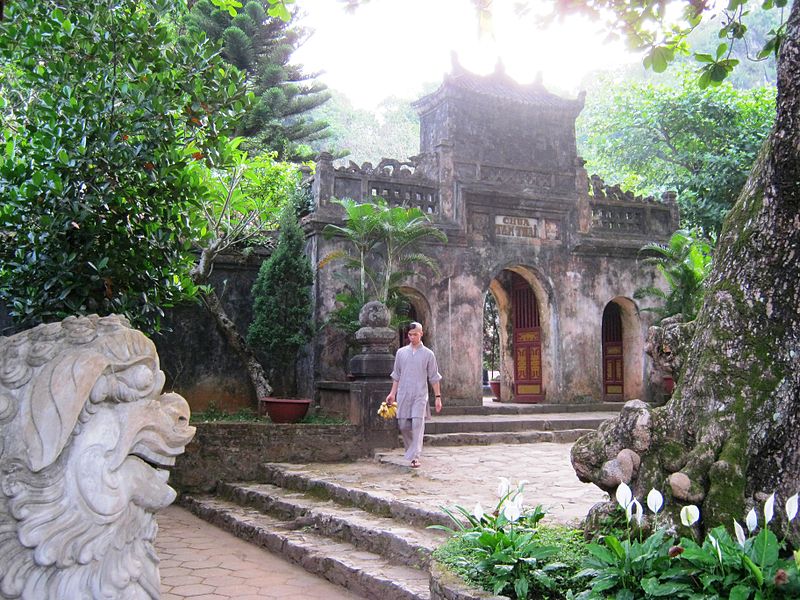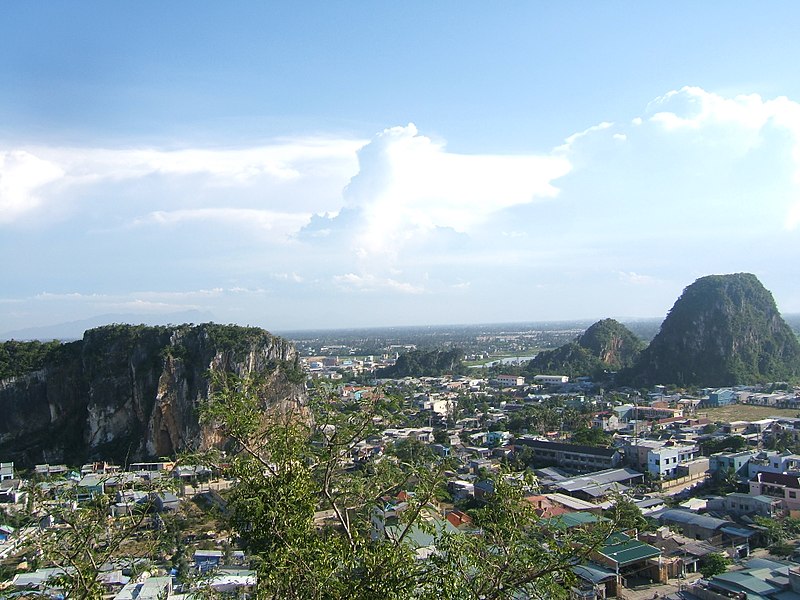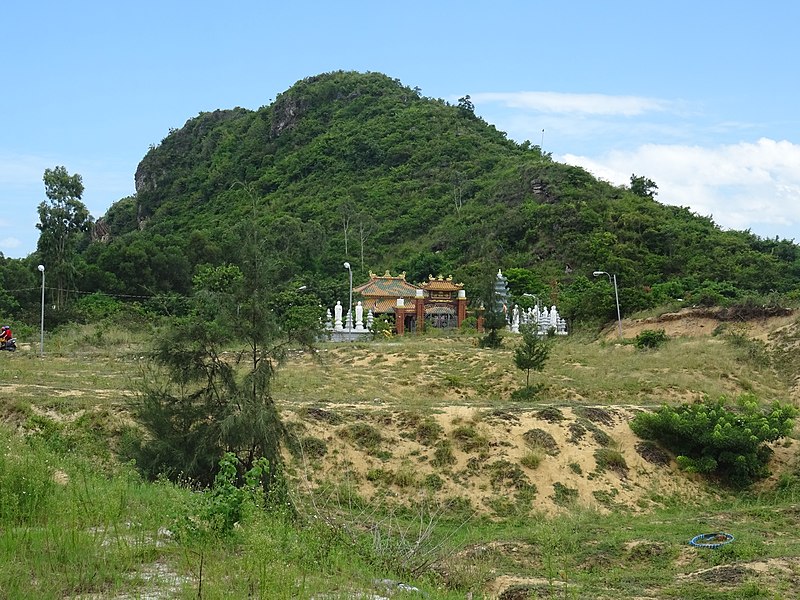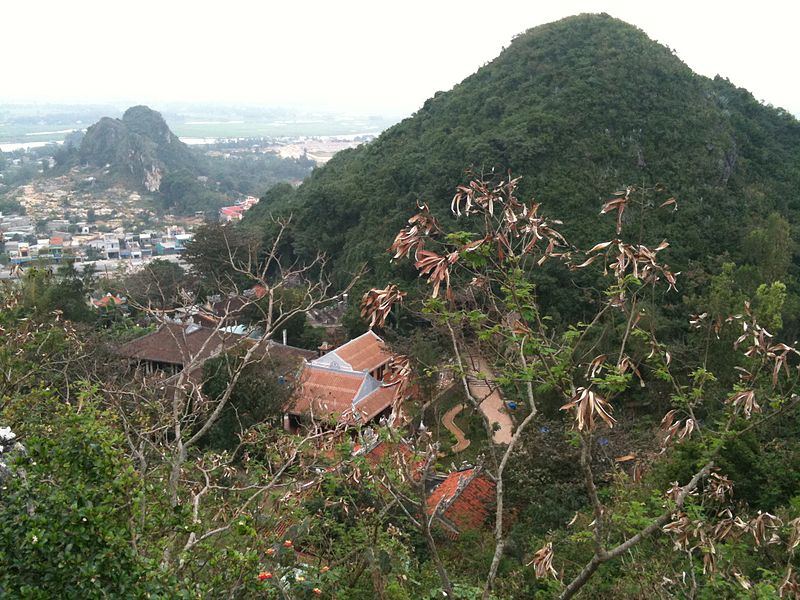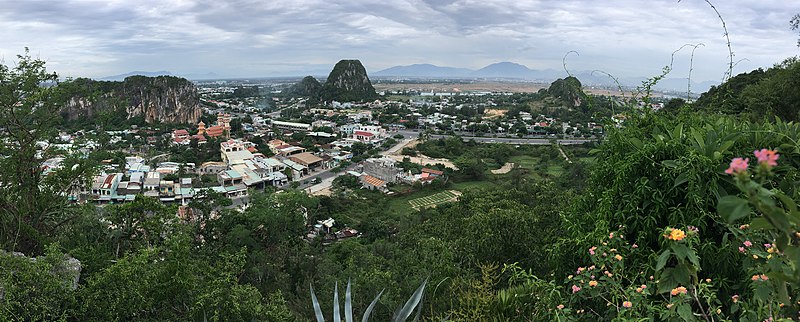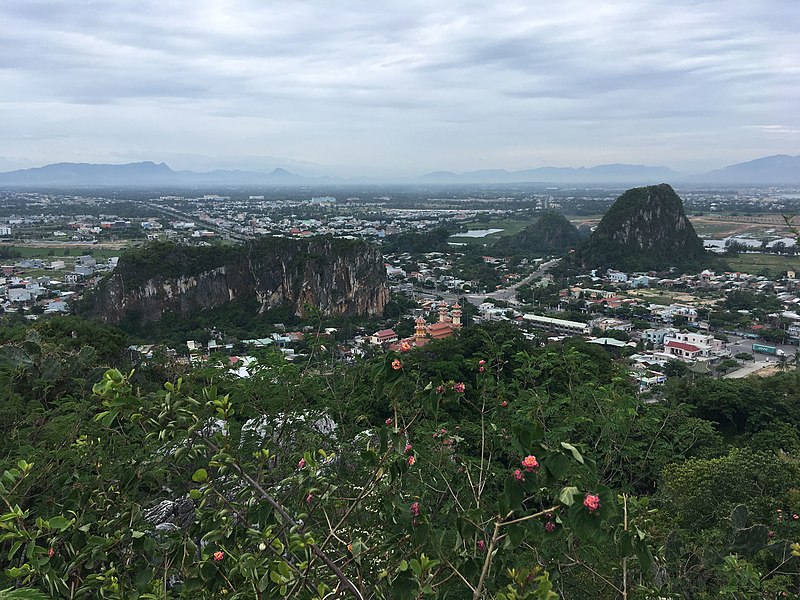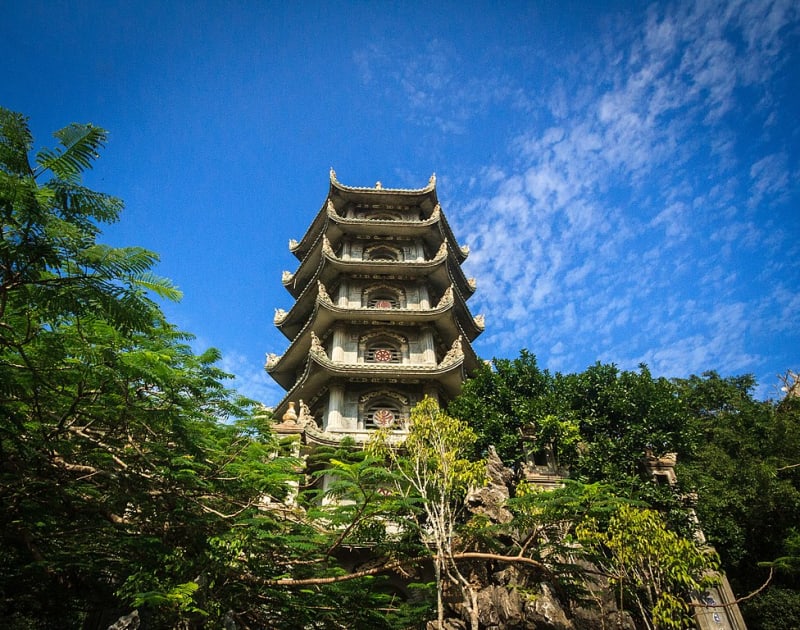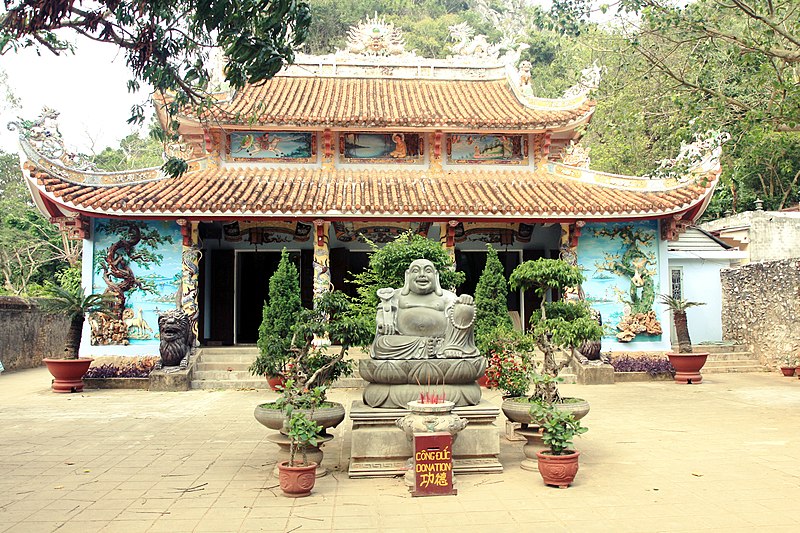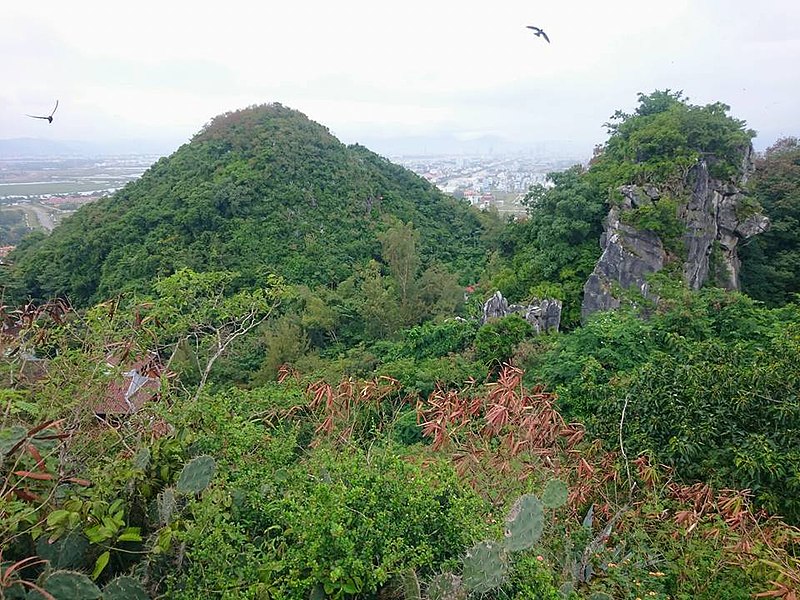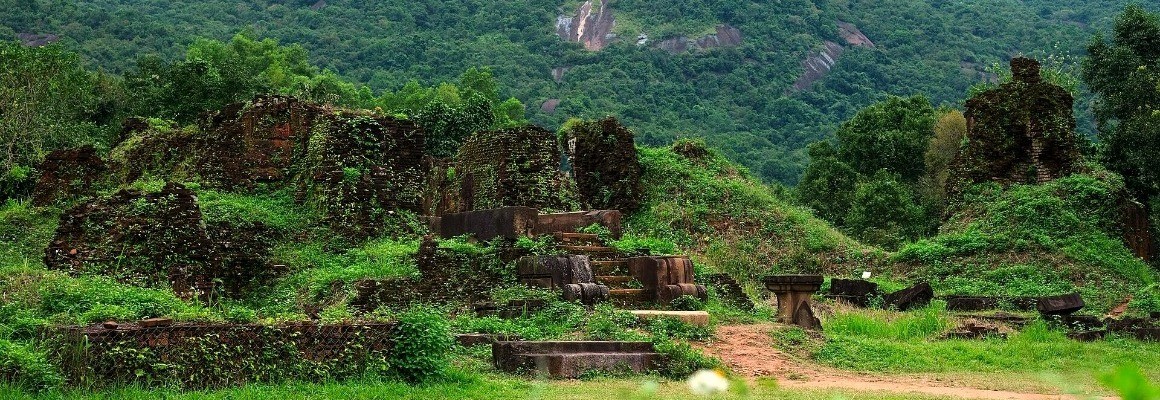

The Marble Mountains of Da Nang consist of five peaks. In Vietnamese, the name of the mountains is "Nui Ngu Han Son", which translates as Mountains of the five elements. The largest mountain is "water", the southern one is "wood", the western one is "earth", and its southwestern group is metal and fire. In addition to the decor, the color in each mountain individually corresponds to the shade of the element it represents.
Climate of the region
Travelers can have many sunny days to explore the cultural and natural sites of the Marble Mountains during the dry season. It lasts from January to July, with an average temperature of 25 °C. It gets cooler from the end of August to December, and precipitation is gradually increasing. Early morning and late evening are the two best times to climb the Marble Mountains near Da Nang. The mountains then become an oasis of tranquility, magical lights and indescribable nature.
Three visits of the Emperor
Min Man may not have been the emperor who visited the Marble Mountains the most in history, but in the 20 years of his reign he came here three times. His first visit was in 1825, and during that time he built steps leading to the Water Mountain and distributed many precious items as gifts. On his second visit two years later, he sends the monks 9 Buddha statues and 3 large bells. For the last time in 1837, all the marble mountains were renamed according to the five elements.
The festival in the mountains
Kuan Am or Goddess of Mercy is the largest traditional festival in Da Nang. This religious event was initiated by monk Thich Phap Nhang, who accidentally discovers a rock formation that has the same shape as the goddess in the 1950s. Then many Buddhists come to this sculpture to pray, especially on the day of its birth or death. Today, for many reasons, the Quan The Am festival has been "modernized" and has become one of the largest in the Marble Mountains and even in the city.
Museum of Ancient Inscriptions
Since the 15th century, the Marble Mountains have become a Buddhist center and a famous national landscape. It attracts many writers, poets, followers of Buddhism, pilgrims, lords and emperors of Nguyen who come to visit and pray. Many of them left their artwork on the walls of the caves. They hired artists in the village of Non Nuok at the foot of the mountains to carve and thus allow them to exist for a long time.
Gallery