History
Hunters and artisans lived here before our era. In our era, the people began to engage in agriculture and animal husbandry. Pre-Columbian Argentina was inhabited by Native American tribes. They defended their freedom, so for a long time the colonialists could not conquer it. The first mention of the name of Argentina dates back to 1602 in a poem by Martin del Barco Centenera. The name of the region began to be widely used in the 18th century.
Within its modern borders, the state was formed in the 19th century. In 1816, the independence of Argentina was recognized. Before that, it was a colonial country, and it was considered the most backward among other regions of the continent. Gold, silver and precious metals were searched here, but nothing was found. Since the middle of the 19th century, the fertile plains have been recognized as the largest in the western hemisphere. This attracted European immigration.
Currently, Argentina holds the title of one of the most developed South American countries. The core of the Argentine nation consists of Creoles. That's what Spaniards born in Argentina are called. Besides them, Brazilian, Italian, French, Polish and Russian people live in the country. Many of them belong to believers. There is freedom of religion here, but most of the believers are Catholics.
Today, Argentina is one of the top 10 leading countries in terms of uranium ore reserves. Deposits of iron ore, brown coal, manganese, copper and zinc have been discovered on the territory of the republic. Natural gas and petroleum products are of great importance for the development of the economy. In addition, the country is rich in granite and marble deposits.
Each region has adopted its own constitution. Provinces are divided into departments, and power is exercised through self-government. Great attention is paid to the comfort of citizens. Argentines defend and defend their rights in all areas. Military service is voluntary, the age of conscription is from 18 to 24 years, but there is no military duty. In 2010, the country legalized same-sex marriage.
Climate
Argentina is influenced by tropical, subtropical and temperate climatic zones. This is reflected in the weather. As in the entire Southern Hemisphere, seasonal cycles differ from the standards of the Northern Hemisphere. This must be taken into account when planning a trip to Argentina in order to choose the most favorable period for your vacation.
Summer starts in December, and winter? in June. January is considered to be the warmest month. This month, the temperature is usually +15°C. The maximum temperature is +40°C. In winter, the temperature stays at about +17°C.
Tornadoes and thunderstorms are common in Central Argentina. But meteorologists warn about this. The climate in the capital is subtropical and humid. Winters are mild, frosts are rare, but summers are stuffy. There is a lot of precipitation. During the year, precipitation decreases from the east to the west from 1400 to 100 millimeters, but in the mountains this indicator increases. The Southern Andes has the highest rainfall, up to 5,000 millimeters per year.
Nature and Wildlife
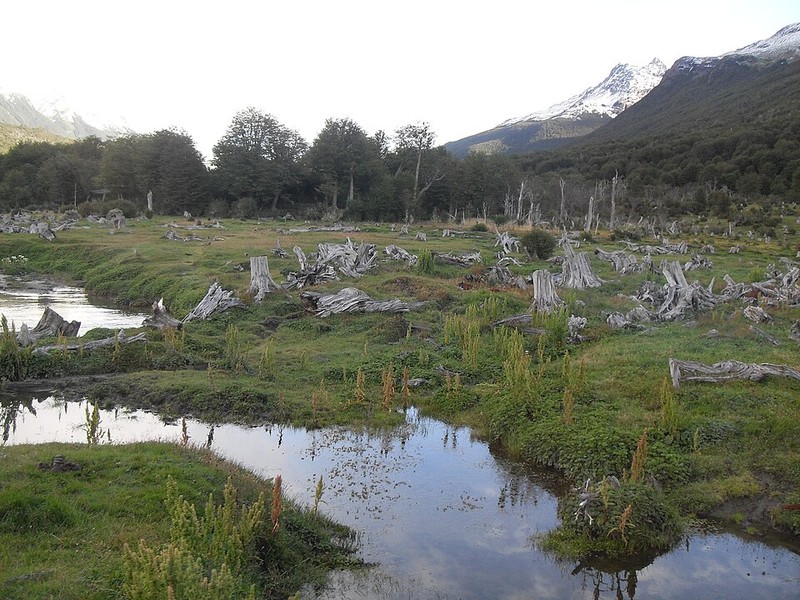
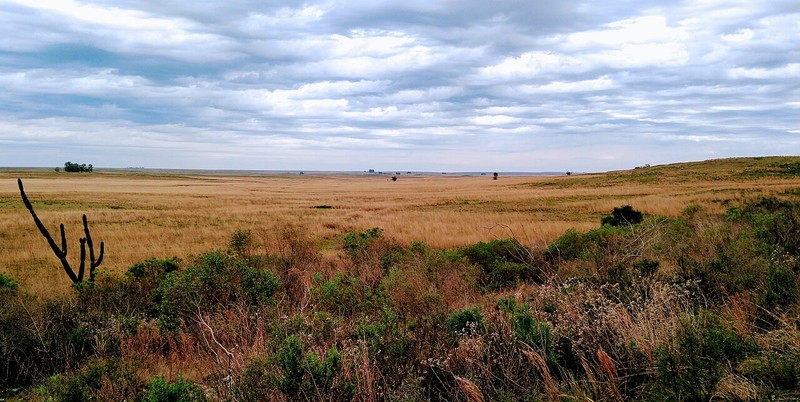
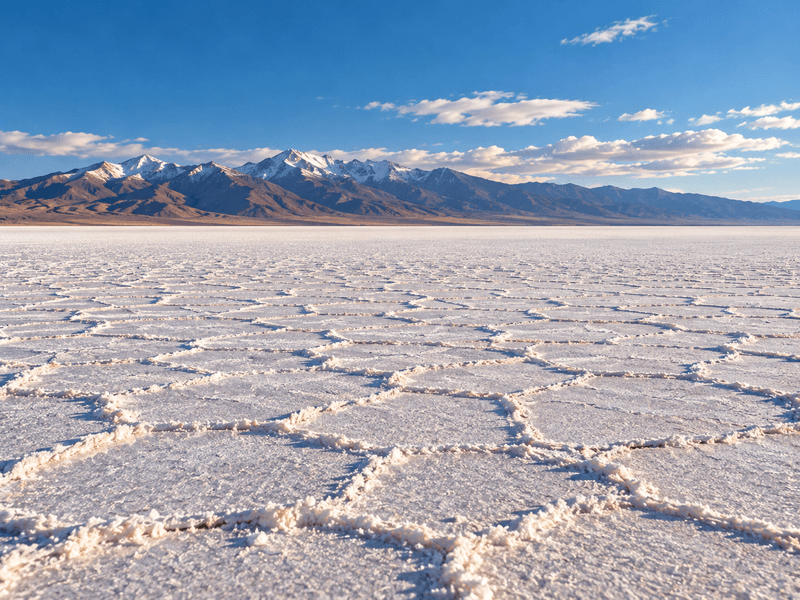
The republic's wildlife and flora are characterized by diversity. There are semi-deserts in Patagonia, and tropical and subtropical forests predominate in Mesopotamia. The southern side is characterized by grassy areas. Entre Rios has a grass prairie that acts as a transitional area to the Pampas. In general, according to official sources, Argentina is 20% populated by forests.
Reeds, reeds, water lilies, acacias, mimosas, and ostrich trees grow in the country. Palm groves grow along the river banks. In addition, there are grasshoppers, wild porcini and colorful variegated grasses. Tough grasses and xerophilic shrubs alternate with cacti. The national flower is Erythrina cockscomb from the Legume family. The plant reaches 5 meters in height.
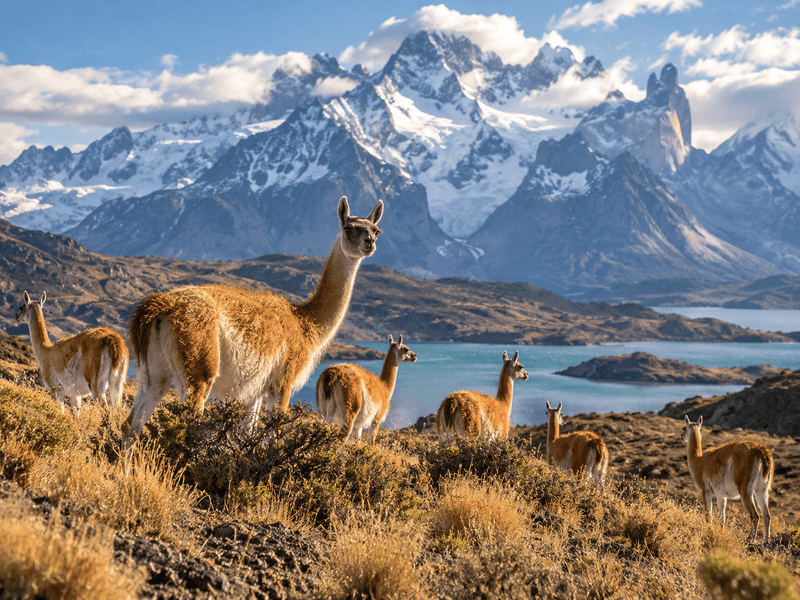
The fauna is not as diverse as the flora, but there are also endemic species. These include Pampas deer, Pampas cats, and Magellanic dogs. They live in the Andes and foothills. In Pune, there are relict spectacled bears belonging to the type of short-muzzled predators. Cougars can be found in semi-deserts and savannahs.
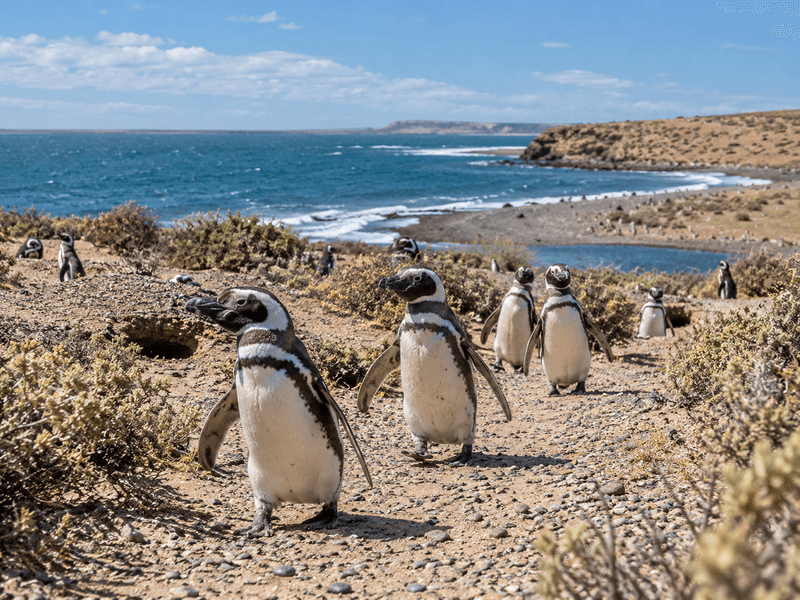
There are also grey foxes, American ostriches, alpacas, anteaters, chinchillas, vicuna, rodents and armadillos in Argentina. Nutria and otters are found in large numbers in Patagonia. Hawks, falcons and partridges fly. Waterfowl can be found in swamps and lakes. They have a bright color, so it's impossible not to notice them. Flamingos and herons are found on the shores of reservoirs. Forests have become the home of hummingbirds. You can enjoy the nightingales singing. Penguins and killer whales arrive from March to April, and dolphins from December to March.
Argentina protects nature. There are several programs aimed at protecting the environment. Deforestation, water pollution and solid waste disposal are prohibited. The country became famous for the discovery of the tiny, feathered bird, which was previously considered extinct. Naturalists are doing everything possible to ensure that this species does not disappear.
Geography
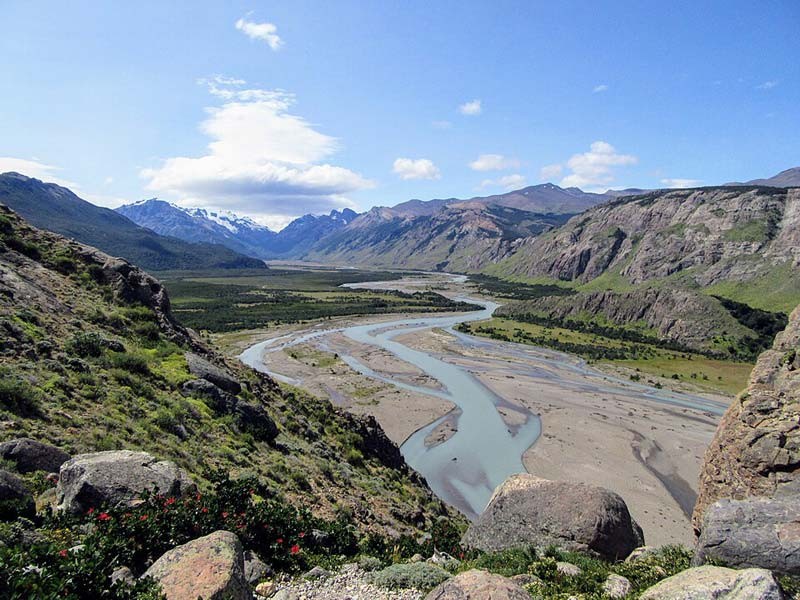
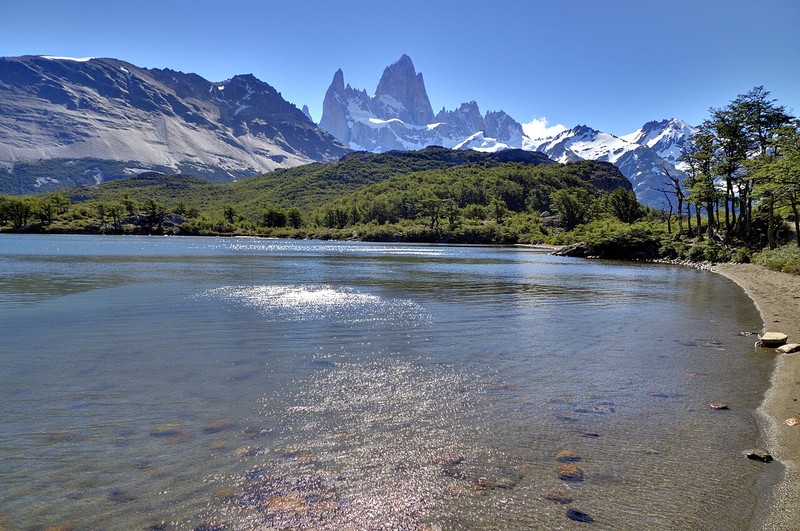
Argentina belongs to South America and the Tierra del Fuego archipelago. The country has the highest and lowest points of the continent. The entire territory of the country is divided into 4 parts: the mountain ranges, the northern plains, the lowland-hilly Pampa region, and Patagonia.
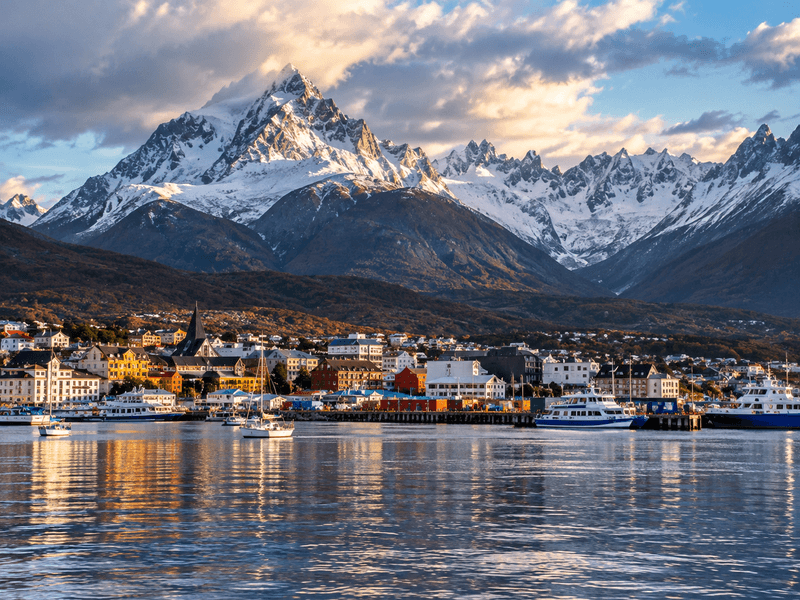
The border with Chile runs from the west, the neighbors from the north are Bolivia and Paraguay, and Brazil and Uruguay are located to the northeast of the border. The state is washed by the Atlantic Ocean. Argentina is called the state of contrasts. In addition to beaches for recreation and resorts, there are ski resorts. It attracts travelers from all over the world.
The territory is elongated in the meridional direction. The coastline is almost 5,000 kilometers long. The river network is most developed on the southeastern side. The waters are rich in fish and sea animals. The large length of maritime borders plays a key role in building trade and economic ties with other countries. The import and export of goods has been established. This raises the standard of living in Argentina.
Cuisine
The Argentinean cuisine is hearty and high-calorie. It is also called a paradise for meat eaters, as meat is the main ingredient for national dishes. Beef is considered the hallmark of the national cuisine. Potato paste also prevails in the diet, but dairy products are practically not used: kefir, cottage cheese and sour cream.
They often order parrilla in cafes and restaurants. This is a grilled dish, which is a mixture of steak, sausages and meat giblets. It gives you a boost of energy for several hours, so you can eat it between jobs. No less popular is the bife de chorizo, which is a huge steak 5 centimeters thick. Bife de lomo is served as fried ribs, and simple chorizo is served as pork sausages.
Argentines recommend trying puchero stew, while vegetarians should enjoy tartas pies. And pizza is prepared no worse than in Italy. Don Julio, La Brigada, and El Desnivel are among the best restaurants where you can enjoy delicious food.
Tips for Tourists
Argentines are hospitable to tourists. Many of them speak English. The national currency is the peso. You can change money in city banks. It is better to always have cash with you. Not all shops and public establishments accept bank cards. If the trip to Argentina does not last more than 3 months, you do not need to apply for a visa. Medicine is free, including for tourists. If you feel unwell, you can seek help at Hospital de Urgencias or Hospital Zonal General de Agudos San Roque Manuel B. Gonnet. These are the best hospitals in the country. Medical institutions do not charge for diagnosis and treatment, but there are donation baskets, and everyone can leave something as a sign of gratitude, but this is not necessary.
Education is free here. Some people come on vacation and then decide to stay late. In this case, the locals recommend getting an education at the university. You don't have to pay for it either. Anyone can enroll, but not everyone succeeds in completing their studies.
Visa
According to the current customs regulations, there are restrictions on import and export. All this is carefully checked at the entrance and exit of each citizen of the country. It is forbidden to bring perishable food to Argentina. This category includes dairy products, vegetables, fruits, bread, cheese, sausage and meat products, and so on. You can take no more than 2 liters of alcoholic beverages, no more than 400 cigarettes and no more than 100 milliliters of perfumes and eau de parfum. The cost of purchased souvenirs should not exceed $ 300. You can import any amount of any currency, but you can export no more than 10 thousand dollars. To exceed the limit, you need to pay a fee of 50% of the amount. Funds can be exported in the national currency (pesos) without restrictions.
You can export wool, leather, jewelry and other goods, but it is important to have receipts with you. Otherwise, it may be considered theft. This will be followed by a clarification of the circumstances, which may take a long time. Each case is considered individually.
Holidays
There are vibrant street costume shows in Argentina, which can be compared in scale to the Brazilian carnival. In the first months of winter, in Gualeguaichu, in the province of Entre Rios, a procession in sequined and feathered outfits is organized on weekends. People also choose images of ninjas and samurai as costumes. Everyone can follow the enchanting procession. People are dancing and having fun, watching performances.
The "sweet week" takes place in early July. During this period, it is customary to share sweets. You can treat both neighbors, friends and relatives, as well as strangers. But in return, the receiving party of sweet gifts must respond with a symbolic kiss.
In Mendoza, the fiesta week is the celebration of the grape harvest. Wine tasting takes place at the end of winter. Winemakers hold master classes, and entertainment performances are organized on the streets.
The tango Festival is held in Buenos Aires at the end of February. You can watch an international dance festival, dance with Argentines, or learn tango moves.
Shopping
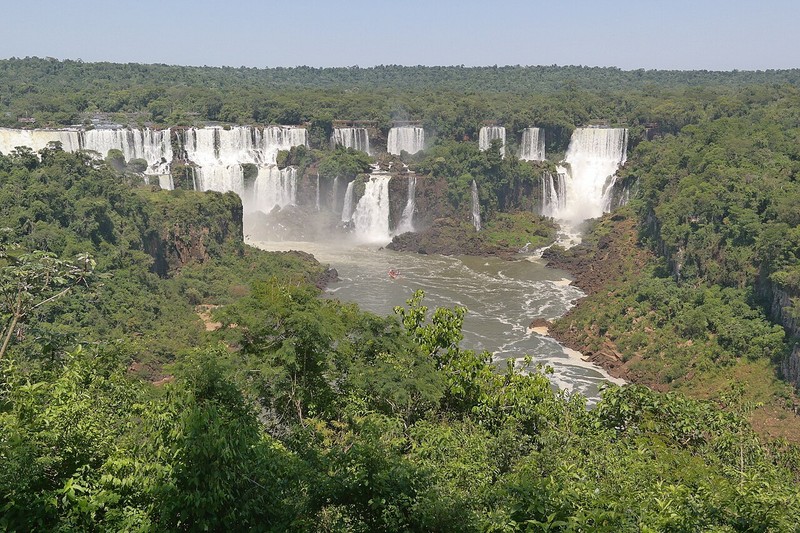
In Argentina, you can create an interesting cultural program for every taste and budget. Iguazu Falls is located on the border with Brazil. It is one of the recognized 7 natural wonders of the world. The width of the complex is 2.7 kilometers. It is represented by 275 waterfalls, the average height of which is about 60 meters. More than 1 million liters of water fall in a second.
One of the most visited attractions is the Cave of the Hands. It is located in Patagonia. Hunter-gatherers used to live here. Archaeologists believe that the ancestors of the Tehuelche tribe, who lived in the 9th millennium BC, left their handprints, which have survived to this day. This mysterious phenomenon looks like a work of art. Photos are often taken against its background.
You can explore the history of Argentina at the National Museum. It is located in the Lesama Park. Most of the exhibits describe the struggle of Argentines for independence. Here you can get acquainted with the documents and belongings of the participants of the revolution. Many artifacts were donated.
The Botanical Garden in the capital of Argentina was opened in 1898. You can spend the whole day outdoors in the garden. There are more than 10 thousand plants and trees growing in it. You can visit the winter garden, the gardening school and admire the sculptures on the territory of the complex.
The Argentine Zoo covers an area of 18 hectares. It opened its doors in 1895. The territory is divided into zones. You can look at pets, farm animals, and an aquarium with reptiles. In total, about 90 species of mammals, 50 reptiles and almost 200 species of birds live here.
Entertainment
All necessary conditions have been created in Argentina for the development of tourism activities. You can stay in small rooms of inexpensive hotels and luxury apartments of five-star hotels. You can book a room before departure or upon your stay. Many hotels have official websites where you can look at the rooms in advance and choose the appropriate option.
Cabanhas are small guest houses that resemble cottages at resorts. The hostel is mainly in demand among young people, but there are no age restrictions. This is not only a place to stay overnight, but also a way to make new friends. Hosteria and posada are houses that are rented out in rural areas. Estancias hotels are located on the farms. There are also popular chain hotels recognized all over the world. These include Hilton, Four Seasons. The most unusual option is considered to be tango hotels. They host tango evenings every day, and classes are free for beginners.
Hotels
All necessary conditions have been created in Argentina for the development of tourism activities. You can stay in small rooms of inexpensive hotels and luxury apartments of five-star hotels. You can book a room before departure or upon your stay. Many hotels have official websites where you can look at the rooms in advance and choose the appropriate option.
Cabanhas are small guest houses that resemble cottages at resorts. The hostel is mainly in demand among young people, but there are no age restrictions. This is not only a place to stay overnight, but also a way to make new friends. Hosteria and posada are houses that are rented out in rural areas. Estancias hotels are located on the farms. There are also popular chain hotels that are recognizable all over the world. These include Hilton, Four Seasons. The most unusual option is considered to be tango hotels. They host tango evenings every day, and classes are free for beginners.